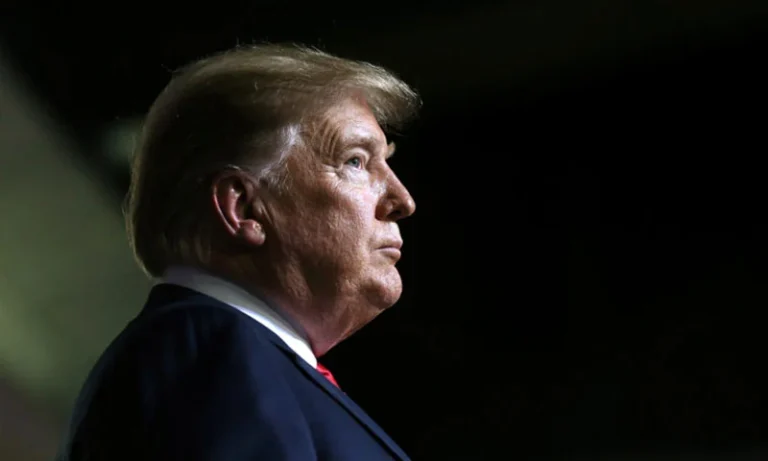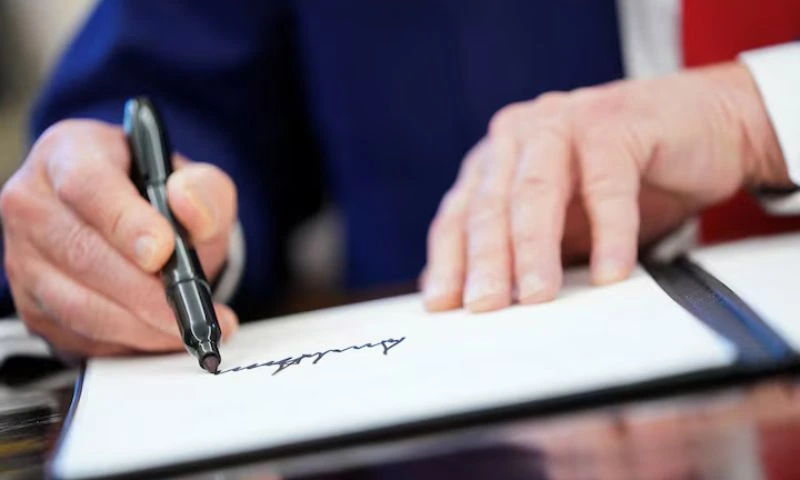
The United States is set to make a historic shift in its currency design, as President Donald Trump’s signature will appear on newly printed dollar bills, marking the first time a sitting president’s name will feature on American paper money.
The announcement by the US Treasury Department signals the end of a 165-year tradition in which US currency has carried the signatures of the Treasury Secretary and the US Treasurer.
Historic Change to US Currency
Under the new plan, the first redesigned $100 bills bearing Trump’s signature and that of Treasury Secretary Scott Bessent will be printed in June 2026. Other denominations will follow in the months ahead, with the updated notes expected to enter circulation gradually through banks.
The move will remove the signature of the US Treasurer from currency for the first time since 1861, when the US government first issued paper money. Lynn Malerba, the most recent treasurer, will be the last in a long line of officials whose signatures have appeared on American bills.
Officials confirmed that while the signature will change, the overall design of the currency will remain largely the same.
Linked to America’s 250th Anniversary
The redesign is part of broader efforts to mark the 250th anniversary of US independence in 2026. Treasury officials say the inclusion of the president’s signature reflects what they describe as a period of strong economic growth and financial stability during Trump’s second term.
In a statement, Bessent said, “There is no more powerful way to recognize the historic achievements of our great country and President Donald J. Trump than US dollar bills bearing his name.”
The initiative is also aligned with other commemorative projects, including plans for a gold coin featuring Trump’s image, although proposals for a circulating $1 coin have faced legal hurdles due to restrictions on depicting living individuals.
Continuity and Legal Framework
Despite the change, existing currency bearing the signatures of previous officials, including former Treasury Secretary Janet Yellen, will continue to be produced and circulated alongside the new notes.
US law gives the Treasury Department broad authority to modify currency designs to improve security and prevent counterfeiting. However, certain elements must remain unchanged, including national mottos and the use of historical figures on banknotes.
Experts note that while the change does not alter the physical design of US currency significantly, it represents a symbolic shift in how national identity and leadership are reflected on money.
A Broader Push to Shape Legacy
The move is seen as part of a wider effort by the Trump administration to leave a lasting imprint on national symbols, institutions, and commemorative items.
From proposed coins to branding initiatives, the decision to place the president’s signature on currency underscores a focus on legacy-building ahead of a major milestone in US history.
As the new bills begin circulating later this year, the change is expected to spark both public interest and debate over tradition, symbolism, and the evolving identity of US currency.