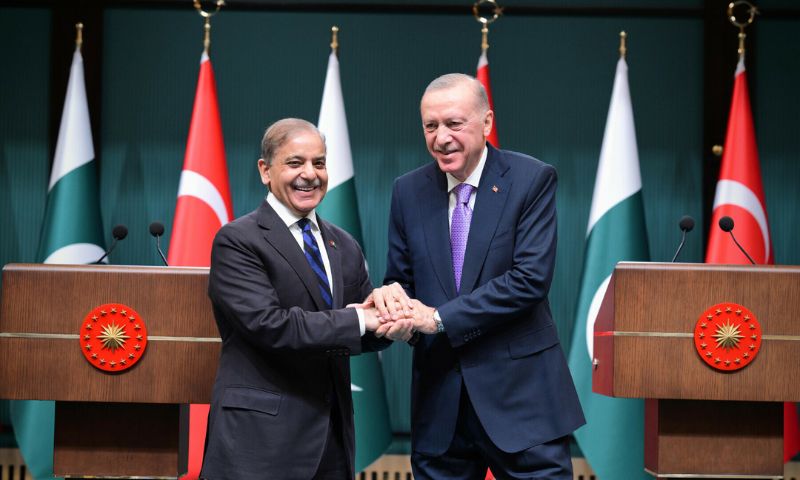
Turkiye is in advanced negotiations to join the Strategic Mutual Defence Agreement (SMDA) originally signed by Saudi Arabia and Pakistan in September 2025. The potential expansion comes as regional powers reassess alliances amid shifting global security dynamics.
Under the existing pact, a military attack on one signatory is treated as an act of aggression against both. That wording is similar to Article 5 of the NATO treaty, which sees such collective defence commitments as deterrence mechanisms.
Bloomberg first reported this week that Ankara’s talks with Riyadh and Islamabad have reached an advanced stage. Sources familiar with the matter told the agency that a deal is “highly likely.” So far, none of the three governments has publicly confirmed the negotiations.
Turkiye’s interest in joining reflects a growing desire to diversify security ties. Ankara has expressed concerns about the reliability of traditional Western security guarantees and sees value in strengthening cooperation with Muslim-majority allies. Its interests overlap with Saudi Arabia and Pakistan across South Asia, the Middle East, and Africa.
Pakistan and Turkiye already share a long record of military collaboration. Ankara supplies naval corvettes to the Pakistan Navy and has upgraded dozens of Pakistani F-16 fighter jets. Turkiye also shares drone technology with both Saudi Arabia and Pakistan.
Ankara is reportedly looking to involve its partners in its Kaan fifth-generation fighter jet programme, expanding defence technology cooperation even further.
The original Strategic Mutual Defence Agreement was signed on 17 September 2025 at Al-Yamamah Palace in Riyadh by Pakistan’s Prime Minister Shehbaz Sharif and Saudi Crown Prince Mohammed bin Salman. The deal formalised a long-standing security partnership into a binding defence commitment.
The pact has drawn attention beyond the signatories. Analysts see it as a strategic response to evolving regional threats and declining confidence in traditional security backers. Some observers view the agreement as a signal of shifting alliances across the Islamic world.
If Turkiye formally joins, the alliance would extend from being a bilateral pact into a broader security framework. This could reshape geopolitical dynamics in the Middle East and beyond. A trilateral defence alignment would bring together Saudi Arabia’s financial influence, Pakistan’s military capabilities, and Turkiye’s extensive defence industry.
For all three nations, the move underscores an era of strategic recalibration, where traditional ties are balanced with emerging regional partnerships.