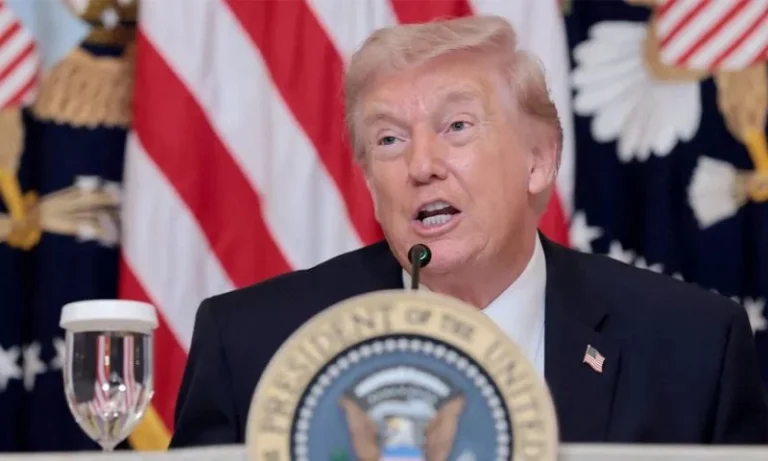
US President Donald Trump has postponed planned military strikes on Iranian power plants and energy infrastructure, signaling a possible shift toward diplomacy amid rising tensions in the Middle East.
The decision comes after what Trump described as “very good and productive conversations” between the United States and Iran regarding a potential resolution to ongoing hostilities.
He announced that the strikes would be delayed for five days to allow time for further discussions, adding that the move depends on the success of ongoing negotiations.
Ultimatum Linked to Strait of Hormuz
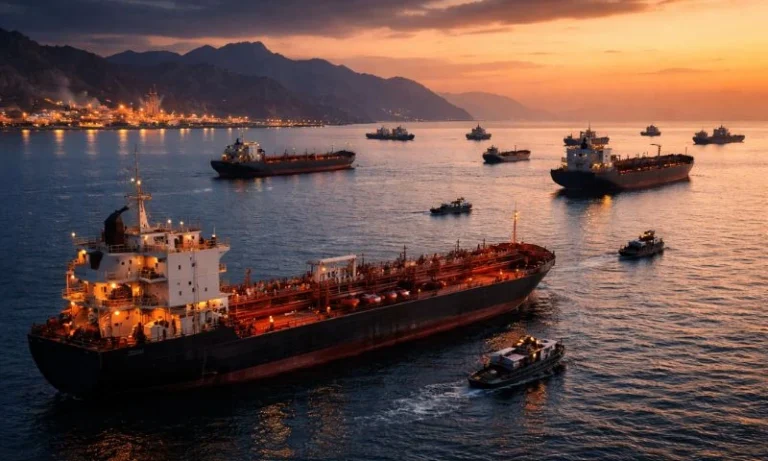
The postponement follows a sharp escalation in tensions after Trump had earlier warned Iran to reopen the Strait of Hormuz.
The strategic waterway is one of the world’s most important oil routes, carrying a significant portion of global energy supplies. Any disruption in this passage has immediate global economic consequences.
Trump had threatened to target Iranian power plants if the Strait was not reopened within a set deadline, raising fears of a broader conflict.
Iran’s Position and Denial of Talks
Despite Trump’s claims, Iranian officials have denied that any direct or indirect negotiations are taking place with the United States.
Tehran has maintained a firm stance, warning that any attack on its energy infrastructure would trigger strong retaliation across the region. Iran has previously indicated that it could target energy facilities and strategic assets if its own infrastructure is hit, increasing the risk of escalation.
War Background and Regional Impact
The current crisis is part of a wider conflict that began in late February after US and Israeli strikes on Iranian targets. The confrontation has already resulted in thousands of casualties and has significantly disrupted global markets.
The Strait of Hormuz has been at the center of the standoff, with Iran restricting shipping routes and causing instability in global oil supplies.
Markets React to De-Escalation
The announcement of a delay in strikes had an immediate impact on global markets. Oil prices dropped sharply, while stock markets showed gains as fears of an immediate military escalation eased.
However, analysts warn that the situation remains fragile, as conflicting statements from both sides create uncertainty about the future.
What Comes Next
The five-day window is now being seen as a critical period for diplomacy. Trump has expressed optimism about reaching a deal, stating that both sides want to resolve the conflict.
At the same time, Iran’s denial of talks and continued warnings suggest that tensions remain high.
A Region Still on Edge
While the postponement has reduced immediate fears of conflict, the Middle East remains on edge.
Experts say that any failure in negotiations could quickly lead to renewed military action, with serious consequences for global energy markets and regional stability.