Australia has introduced sweeping online safety rules that require strict age verification for adult content and restrict teenagers from accessing certain digital platforms. The move has triggered a sharp increase in the use of virtual private networks, or VPNs, as many users try to bypass the new restrictions.
The measures took effect on March 9, 2026, as part of the government’s broader effort to protect children from harmful online content. However, the rollout has already sparked debate about privacy, internet freedom and the effectiveness of such controls.
New Rules Aim to Protect Minors Online
Under the new regulations, websites that distribute pornography must verify that users are at least 18 years old before granting access. App stores must also carry out age checks before allowing downloads of applications classified for adults.
The policy also applies to AI powered chatbot services, which must block minors from accessing material that includes pornography, extreme violence, self harm or eating disorder related content. Companies that fail to comply with the rules can face penalties of up to A$49.5 million.
The new restrictions follow earlier digital reforms in Australia. In December 2024, the country passed legislation banning teenagers under 16 from holding accounts on certain social media platforms as part of wider online safety reforms.
Officials say the new measures aim to bring the same protections that exist in the physical world to the internet.
Australia’s eSafety Commissioner Julie Inman Grant explained the goal of the rules, saying they are meant to provide children the same protection online that society expects offline.
Adult Websites Block Australian Users
The new regulations have already forced major adult content providers to change how they operate in Australia.
Aylo, the Canadian company behind popular websites such as RedTube and YouPorn, said it would block Australian users from accessing some of its platforms rather than implement new verification systems immediately.
Other platforms have restricted new registrations or replaced explicit content with censored versions to comply with the law.
These changes have made it more difficult for Australians to access adult websites without proving their age.
VPN Use Surges as Users Seek Workarounds
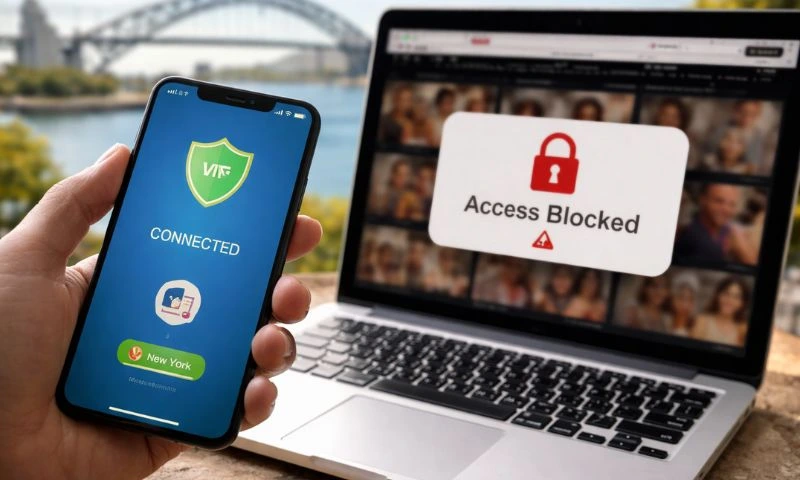
As restrictions came into force, many Australians turned to VPN services to bypass the new controls. Data from app stores showed VPN applications rapidly climbing download charts across the country.
A VPN allows users to mask their location online, making it appear as though they are accessing websites from another country.
Some cybersecurity experts warn that while VPNs can restore access to blocked content, users should be cautious because certain services may collect or sell personal data.
Similar trends were seen in other countries when comparable laws were introduced, including in the United Kingdom, where VPN downloads also surged after new age verification rules were implemented.
Debate Over Privacy and Internet Freedom
Australia’s new internet safety rules are among the strictest in the world. Supporters say they are necessary to shield young people from harmful online material, while critics argue the measures could raise privacy concerns and limit digital freedoms.
Technology companies are now under pressure to develop reliable age verification systems that protect children while also safeguarding users’ personal information.
As the policy takes effect nationwide, the coming months will show whether Australia’s approach becomes a model for other governments seeking to regulate online content.