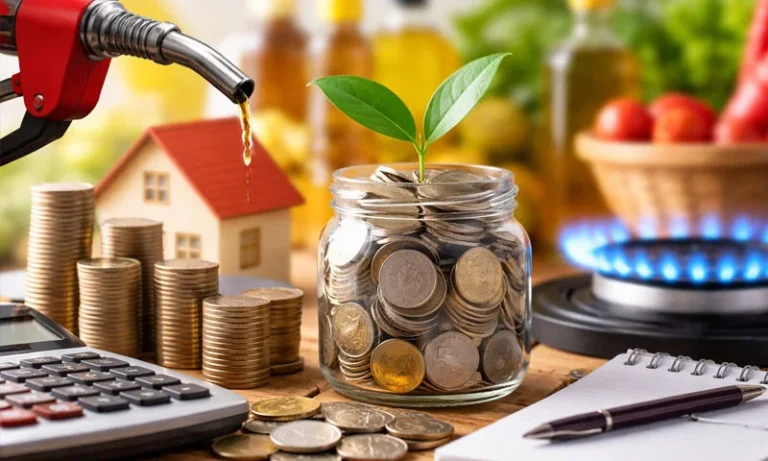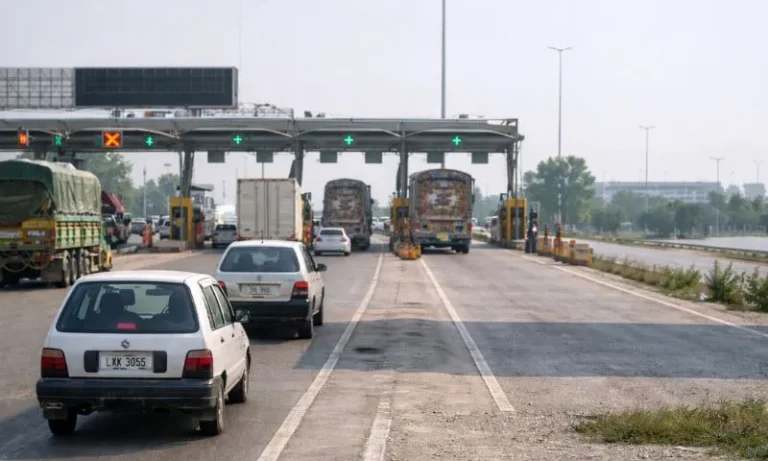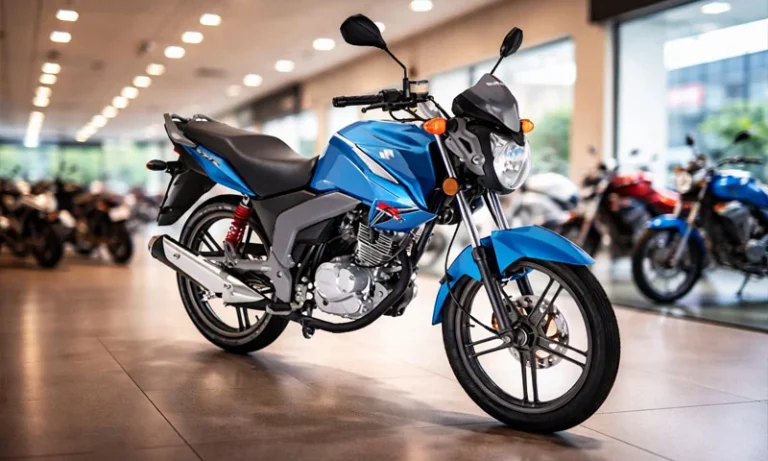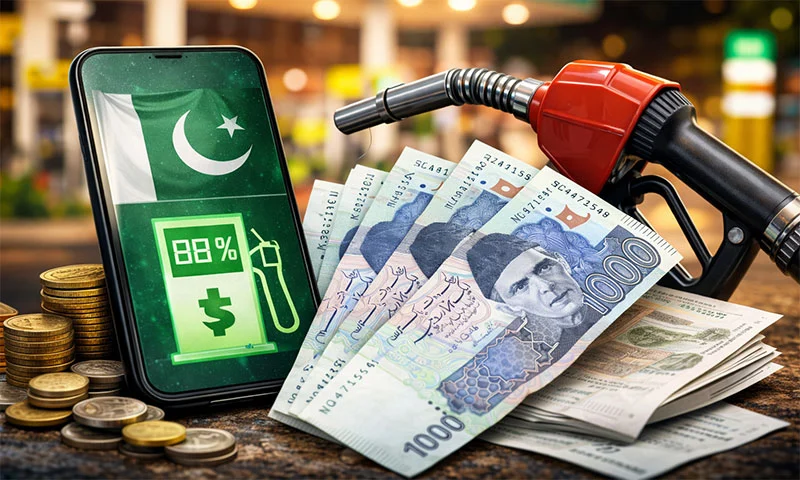
Pakistan’s government is moving toward a targeted petrol subsidy system aimed at providing relief to low income citizens, particularly motorcycle riders, rickshaw drivers and small vehicle owners who are most affected by rising fuel prices. The initiative is part of broader efforts to shift from blanket subsidies to a more controlled and transparent distribution system that ensures only deserving individuals benefit.
The scheme is expected to work through a digital verification system linked to CNIC and vehicle registration details, allowing authorities to monitor fuel usage and prevent misuse while easing financial pressure on vulnerable groups.
SMS Registration Process Explained
To make the system accessible to people without smartphones or internet access, an SMS based registration method has been introduced. Under this method, users can apply by sending their CNIC details through a simple text message.
The process requires users to open their mobile messaging app, type their 13 digit CNIC number without dashes and send it to a designated shortcode. After sending the message, applicants receive a confirmation response along with further instructions regarding their eligibility and subsidy status.
In some versions of the system being discussed, users may also need to provide vehicle details such as registration number to complete verification before receiving a fuel quota or voucher.
Verification and Subsidy Allocation
Once registered, the system checks the applicant’s details against government databases, including NADRA and vehicle registration records. If the applicant meets the criteria, they are approved for a monthly fuel quota under the subsidy program.
The approved users may then receive a digital code or voucher, which can be used at designated petrol pumps to purchase fuel at a subsidized rate. The process is designed to be quick and efficient, with confirmation messages often sent within seconds of registration.
Eligibility Criteria for Applicants
The subsidy is primarily aimed at individuals with lower income levels who rely on fuel for daily commuting or livelihood. Applicants are generally required to have a valid CNIC, a registered vehicle in their name and a mobile number linked to their CNIC. Income thresholds are also expected to be applied to ensure that only deserving households qualify for the benefit.
Motorcycles and rickshaws are likely to remain the primary focus of the scheme, while inclusion of small cars is still under consideration as part of future expansion.
Shift Toward Digital Fuel Distribution
The SMS system is part of a broader digital fuel quota strategy that includes a mobile application and QR based voucher system. Under this approach, users will eventually be able to track their fuel usage, generate vouchers and access subsidies through a centralized digital platform.
The system is designed to ensure transparency, reduce corruption and prevent overconsumption by assigning a fixed monthly quota to each eligible user. This quota is expected to range between 20 to 30 litres for motorcycles and similar vehicles.
Caution Over Unverified SMS Claims
While SMS registration has been widely discussed, experts and reports suggest that not all numbers circulating on social media are officially confirmed. Some sources indicate that the government is still finalizing the system and may rely more heavily on an app based approach for full implementation.
Authorities have advised citizens to rely only on official announcements and avoid sharing personal information such as CNIC details with unverified sources to prevent fraud or misuse.
Part of Broader Economic Reforms
The petrol subsidy initiative reflects Pakistan’s ongoing economic reforms aimed at reducing fiscal pressure while still providing relief to the most vulnerable segments of society. With fuel prices continuing to rise, the government is under pressure to balance financial sustainability with public support measures.
By introducing a targeted and technology driven system, policymakers aim to ensure that subsidies are distributed fairly, efficiently and transparently, marking a significant shift in how fuel relief programs are managed in the country.