YouTube is rolling out major new parental controls to help families better manage how teenagers use its platform especially when it comes to short-form video scrolling. The changes come amid growing concern around excessive screen time and the addictive nature of YouTube Shorts, the platform’s vertical, fast-scroll video feed that has become hugely popular with young users.
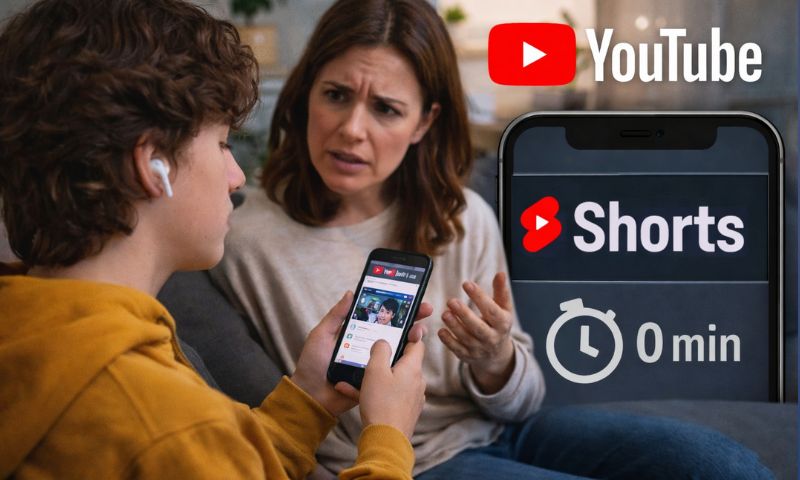
Under the updated supervision tools, parents with supervised teen accounts can now set daily time limits for Shorts viewing. These limits range from 15 minutes to two hours, and YouTube says it will soon introduce a zero-minute option, effectively turning off the Shorts feed entirely when needed. Importantly, teens cannot change or disable these limits themselves once set.
YouTube also added other wellbeing features, such as custom “Bedtime” and “Take a Break” reminders. These alerts encourage teens to pause their video sessions at pre-set times, helping families build healthier digital routines. The platform says these tools build on its existing default protections designed to promote mindful viewing.
In addition to time limits, YouTube is launching guidance on age-appropriate content. The company developed new principles — in collaboration with its Youth Advisory Committee and global experts from the American Psychological Association and Boston Children’s Hospital — to help creators and the recommendation system spotlight high-quality, educational and developmentally suitable videos for teens. Channels like Khan Academy, CrashCourse and TED-Ed are expected to appear more often in teen feeds as a result.
YouTube is also simplifying the way family and supervised accounts are managed. Soon, parents will be able to create child and teen accounts more easily within the mobile app and switch between family profiles with a few taps, a design similar to profile switching on streaming platforms. This will help ensure that each user sees content appropriate to their age.
The new controls reflect broader industry efforts to enhance digital wellbeing for young users. Other platforms such as TikTok and Instagram already offer time limits or content filters for under-18 users, and YouTube’s move aligns with this trend as regulators and child safety groups call for stronger protections online.
Despite these protections, experts say parents should still stay engaged with their teens’ online habits rather than rely solely on automated controls. Using tools like content limits alongside open communication can help children develop balanced media habits in a world where digital screens are a constant presence.
Overall, YouTube’s latest updates put more power in the hands of parents and caregivers, giving them flexible tools to tailor the platform experience for teens while encouraging responsible and age-appropriate viewing.