


As winter settles in, many people find themselves pausing under the night sky, struck by how bright and sharp the stars appear. From city outskirts to open deserts, cold winter nights often deliver some of the clearest and most beautiful views of the heavens. This seasonal sparkle has a lot to do with how winter changes the air above us. Clearer Air, Brighter Views One of the biggest reasons stars look brighter in winter is the quality of the air. Cold air holds far less moisture than warm air. During summer, humidity, dust, and pollution scatter light and create haze, dulling the night sky. In winter, drier air allows starlight to travel more directly to our eyes, making stars appear sharper and more intense. Less Turbulence in the Atmosphere Winter nights also benefit from more stable atmospheric conditions. Warm air rises and cool air sinks, and during hotter months this constant movement causes stars to flicker and blur. In colder weather, the air near the ground is steadier, reducing this distortion. As a result, stars twinkle less and shine more clearly, giving the sky a calm, crisp appearance. Longer Nights, Darker Skies Another factor is the length of winter nights. With the sun setting earlier and rising later, darkness lasts longer. This extended night means less leftover twilight and more time for the sky to fully darken. Deeper darkness helps faint stars stand out and makes the overall sky appear richer and more dramatic. Winter Brings Brighter Stars Winter also happens to showcase some of the brightest stars and most striking constellations visible from Earth. The winter sky includes brilliant stars that naturally outshine many summer stars. When combined with clearer air and darker conditions, these stars can dominate the night sky, creating the impression that everything above looks brighter than usual. A Perfect Season for Stargazing All these elements come together to make winter an ideal time for stargazing. Whether viewed with the naked eye or through a telescope, the night sky often feels closer, deeper, and more detailed during cold months. While the chill may keep some people indoors, those who brave the cold are often rewarded with unforgettable celestial views. So the next time you step outside on a cold winter night and notice the stars glowing more brightly than usual, you’re witnessing nature at work—clear air, calm skies, and seasonal wonders aligning perfectly overhead.
India’s Aviation Market Set for Expansion with Two New Airlines
India has moved to strengthen competition in its fast-growing aviation sector by granting initial approvals to two new airlines, a decision that comes amid renewed debate over market concentration and service reliability. The move is being seen as a step toward reducing dependence on a small number of dominant carriers and offering passengers more choices in the skies. The Ministry of Civil Aviation has issued no-objection certificates (NOCs) to Al Hind Air and FlyExpress, allowing both carriers to move ahead with regulatory formalities required to begin operations. Once they secure their Air Operator Certificates from aviation authorities, the airlines will be able to launch commercial flights. The approvals come weeks after widespread flight cancellations and delays by India’s largest airline brought travel plans to a halt for thousands of passengers. Those disruptions reignited concerns about the country’s aviation “duopoly,” with one carrier holding a dominant share of the domestic market and the Air India group emerging as the second major player. Industry experts argue that greater competition is essential for improving service quality, resilience, and pricing. Al Hind Air is expected to focus on regional connectivity, particularly in southern India, using turboprop aircraft suited for short-haul and underserved routes. The airline’s business model is aimed at connecting smaller cities and towns with major hubs, aligning with the government’s broader regional air connectivity goals. FlyExpress, meanwhile, is positioning itself as a new-age carrier that will add capacity on domestic routes. While its detailed route plans and fleet strategy are still being finalized, the airline has signaled its intent to enter a market that continues to see strong passenger growth year after year. The government has repeatedly stated that it wants to encourage new entrants to make the aviation sector more competitive and consumer-friendly. Officials believe that a broader mix of airlines will not only reduce pressure on existing carriers but also help absorb demand during peak travel seasons. India is currently one of the world’s fastest-growing aviation markets, driven by a rising middle class, expanding regional airports, and increased air travel affordability. Analysts say that while new airline launches take time and face financial and operational challenges, the latest approvals send a clear signal that policymakers want a more balanced and competitive aviation ecosystem. If successful, the entry of new airlines could translate into better connectivity, more reliable services, and greater choice for Indian travelers in the years ahead.

Kuwait Bans Energy Drink Sales in Schools, Cafés, and Online Platforms
Kuwait has introduced some of the region’s strictest regulations on energy drinks, as the government moves to address growing health concerns, particularly among young people. The new rules were issued through a ministerial decision by Ahmed Abdulwahab Al Awadhi, Kuwait’s Minister of Health, and are aimed at regulating the sale, circulation, and consumption of energy drinks across the country. Under the new framework, energy drinks may only be sold to individuals aged 18 and above. Consumption has also been capped, with a maximum of two cans allowed per person per day. In addition, strict limits have been placed on caffeine levels, with each can not permitted to exceed 80 milligrams of caffeine per 250 millilitres. Health officials say the move is intended to reduce the risk of excessive caffeine intake, which has been linked to sleep disorders, heart palpitations, anxiety, and other health issues. The regulations go beyond age and consumption limits. Producers and importers are now required to display clear, prominent health warnings on all energy drink packaging. These warnings are meant to inform consumers about potential health risks, especially when drinks are consumed excessively or mixed with other stimulants. In a sweeping step, Kuwait has also banned all forms of commercial advertising and sponsorships linked to energy drinks. This includes promotions through media, events, and brand partnerships, reflecting the government’s intent to limit the products’ appeal, particularly to younger audiences. Sales restrictions form a major part of the decision. Energy drinks are now prohibited in all public and private educational institutions, including schools, institutes, and universities. Government buildings and entities are also included in the ban. In addition, the sale of energy drinks has been barred in restaurants, cafés, grocery stores, food trucks of all sizes, and self-service vending machines. The rules further extend to digital platforms. Online ordering and delivery services are no longer allowed to sell or deliver energy drinks, effectively blocking home delivery nationwide. Health experts have welcomed the move, noting that global concerns over energy drink consumption—especially among youth—have prompted similar debates in Europe and other parts of the world. Kuwaiti authorities say the decision reflects a broader public health strategy focused on prevention, awareness, and long-term wellbeing. With these measures now in place, Kuwait signals a firm stance on regulating high-caffeine beverages while prioritizing public health over commercial interests.
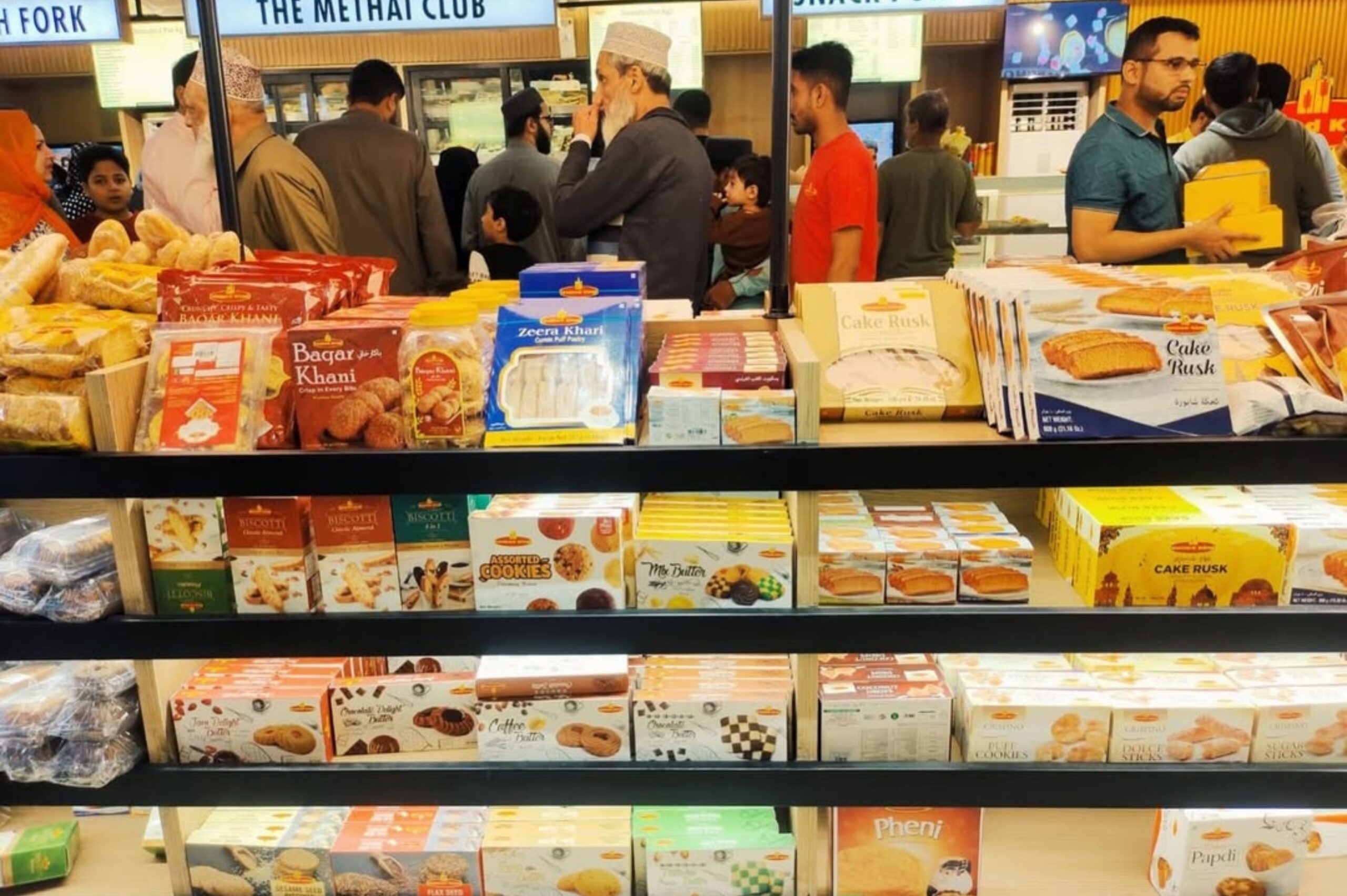
Popular Sweets Brand Launches New Karachi Outlet
KARACHI: One of Pakistan’s most trusted names in sweets and bakery, United King, has further strengthened its presence in Karachi with the inauguration of a new outlet in the city’s bustling Dhoraji area. The outlet was officially opened on Monday, December 22, 2025, marking another important step in the brand’s steady expansion across the country. The opening ceremony was held under the leadership of Shaikh Muhammad Tehseen, Chief Executive Officer of United King, whose vision and commitment have played a central role in the company’s growth. Speaking on the occasion, company representatives highlighted that the new outlet reflects United King’s mission to make its premium-quality products more accessible to customers in key urban neighborhoods. The Dhoraji branch features a modern and welcoming layout designed to enhance the customer experience. From traditional Pakistani sweets to a wide variety of cakes, pastries, biscuits, and baked items, the outlet offers the full range of United King’s signature products. While the ambiance reflects contemporary retail standards, the focus remains firmly on the taste, quality, and consistency that the brand has been known for over the decades. United King’s journey began several decades ago as a local sweets business and gradually evolved into one of Pakistan’s leading bakery and confectionery brands. Over the years, it has built a strong reputation for maintaining high standards of hygiene, using quality ingredients, and preserving authentic flavors. This reputation has helped United King earn the trust of generations of customers across Pakistan. Today, the brand operates numerous outlets in major cities including Karachi, Lahore, Islamabad, Rawalpindi, and Faisalabad. Beyond Pakistan, United King has also expanded its footprint internationally, serving South Asian communities in select global markets and strengthening its image as a recognizable Pakistani brand abroad. With the launch of the Dhoraji outlet, United King continues its strategy of expanding closer to residential and commercial hubs. Company officials say this approach not only improves convenience for customers but also reinforces the brand’s long-standing relationship with local communities. As United King continues to grow, it remains focused on blending tradition with innovation—bringing familiar flavors to new locations while maintaining the trust that has defined its success for decades.

Pakistan, Bangladesh Move to Strengthen Tax Cooperation for Trade and Investment
Pakistan and Bangladesh have taken a fresh step toward strengthening economic ties by agreeing to enhance cooperation on tax dispute resolution, taxpayer facilitation, and institutional coordination. Officials from both sides say the move is aimed at creating a fairer, more transparent tax environment that can support growing trade and investment between the two countries. The understanding was reached during a meeting in Islamabad, where a delegation from Bangladesh’s National Board of Revenue met senior officials of Pakistan’s Federal Tax Ombudsman at the FTO Secretariat. The Bangladeshi delegation was led by Md. Lutful Azeem and included senior officials dealing with tax administration, policy, international agreements, and income tax enforcement. Federal Tax Ombudsman Zafar-ul-Haq Hijazi warmly welcomed the visiting delegation and underscored the importance of sustained and meaningful cooperation between the two countries. He shared the vision and future priorities of the FTO institution, highlighting its role in ensuring accountability, improving institutional efficiency, and providing timely relief to taxpayers facing grievances. Hijazi noted that effective tax systems play a crucial role in building investor confidence and facilitating cross-border trade. He expressed optimism that closer engagement between the two institutions would not only improve taxpayer services but also strengthen broader bilateral relations between Pakistan and Bangladesh. During the meeting, Advisor (Customs) Dr. Arslan Subuctageen delivered a detailed presentation on the functional framework of the Federal Tax Ombudsman. He explained the FTO’s mandate, objectives, and procedures, while also sharing performance indicators that reflect the institution’s focus on transparency, efficiency, and taxpayer facilitation. The presentation gave the Bangladeshi delegation an in-depth look at how Pakistan handles tax-related complaints and dispute resolution. Both sides also discussed practical avenues for future collaboration. These include sharing best practices, improving institutional coordination, and developing more effective mechanisms for resolving tax disputes. Officials said such cooperation would help reduce friction for businesses and individuals, making it easier to operate across borders. By working together on tax administration and dispute resolution, Pakistan and Bangladesh aim to promote a more predictable and business-friendly environment. Observers say the initiative could play a supportive role in boosting bilateral trade and attracting investment, while also improving the overall experience of taxpayers in both countries.

Planning to Buy a Cultus? Here’s What the 2026 Models Will Cost You
Pak Suzuki Motor Company has officially unveiled the updated prices for the Suzuki Cultus 2026, confirming what many car buyers had been expecting — owning one of Pakistan’s most popular hatchbacks will now require a bigger budget. The revised price list applies to all three variants of the Cultus lineup: VXR, VXL, and AGS, each catering to a different segment of urban drivers. Despite growing competition and a challenging auto market, the Cultus continues to hold its place as a go-to option for families and daily commuters, largely due to its fuel efficiency, compact size, and strong resale value. The Suzuki Cultus VXR, the base manual variant, is now priced at Rs 4,089,490. This model remains aimed at buyers looking for a practical city car without unnecessary frills. It comes equipped with a 998cc petrol engine, manual transmission, air conditioning, power steering, power windows, and keyless entry – features that make it suitable for everyday urban use. Moving up the range, the Cultus VXL has been priced at Rs 4,359,160. This mid-tier option adds a layer of comfort and safety, offering alloy wheels and Anti-Lock Braking System (ABS), making it an appealing choice for drivers who want a balance between affordability and added features. At the top of the lineup is the Suzuki Cultus AGS, carrying a price tag of Rs 4,591,460. Designed for drivers who prefer convenience, the AGS variant features an Auto Gear Shift transmission, eliminating the need for a clutch while driving in congested city traffic. Along with automatic transmission, it also includes ABS, fog lamps, alloy wheels, and the same fuel-efficient 998cc engine. It is important for buyers to note that these prices are ex-factory and do not include freight charges, registration costs, or withholding tax, which can vary depending on filer status and city of purchase. As a result, the final on-road price may be noticeably higher. Despite rising prices across Pakistan’s auto sector, the Suzuki Cultus continues to attract interest due to its reliability, low maintenance costs, and widespread service network. For many buyers, it remains a familiar and trusted option in an increasingly expensive small-car market.

Chinese Child Accidentally Damages $280,000 Gold Crown at Beijing Exhibition, Triggers Online Debate
A young boy in China accidentally damaged a highly valuable gold crown during a visit to an exhibition in Beijing, igniting widespread discussion online about parental responsibility and museum safety measures. According to the South China Morning Post (SCMP), the crown — a 2-kilogram golden phoenix headpiece worth nearly $280,000 was knocked over while the child was taking photographs with his family. The ornate piece fell and shattered after the protective display case toppled. The incident was publicly disclosed by Zhang Kaiyi, a social media influencer with more than 13.6 million followers, who shared details and footage of the mishap online. Zhang revealed that the crown was handcrafted by her husband, Zhang Yudong, as a deeply personal wedding gift, adding significant emotional value to the artwork beyond its monetary worth. A child accidentally knocked over a glass display case at a museum in Beijing, China, causing a 2-kilogram gold crown to fall out and be damaged.pic.twitter.com/XHDQEXgzJN — Massimo (@Rainmaker1973) December 17, 2025 Video clips circulating on social media show the boy standing beside his mother as she wipes the glass display case. Moments later, the case loses balance, causing the crown inside to fall and break. Zhang, who is currently seven months pregnant, said the incident left the couple distressed. She explained that the crown symbolised their love and commitment and that its destruction felt emotionally devastating. The couple also expressed concern that the accident might be a bad omen for their marriage and her pregnancy. However, Zhang later shared another video addressing messages from online users, including one who reassured her that damage to meaningful objects can symbolically “block bad luck” rather than invite it. She stressed that her intention in sharing the video was not to accuse or blame the child or his parents. Zhang also confirmed that the crown was insured, helping to mitigate the financial loss. The incident has since fuelled a broader debate on social media. While some users argued that parents should be held accountable for supervising their children in public spaces, others criticised the exhibition organisers for inadequate display safety. One user quoted by SCMP commented, “I’ve often seen fingerprints on display cases at national museums. Touching display cases seems to be common behaviour.” Another observer pointed out that professional exhibitions usually test the stability of display stands beforehand, adding, “When setting up exhibitions, pedestals are often shaken to ensure exhibits remain secure even if visitors behave carelessly.” The episode has reopened discussions around visitor conduct, museum display standards, and the shared responsibility of parents and institutions in protecting valuable cultural artefacts.
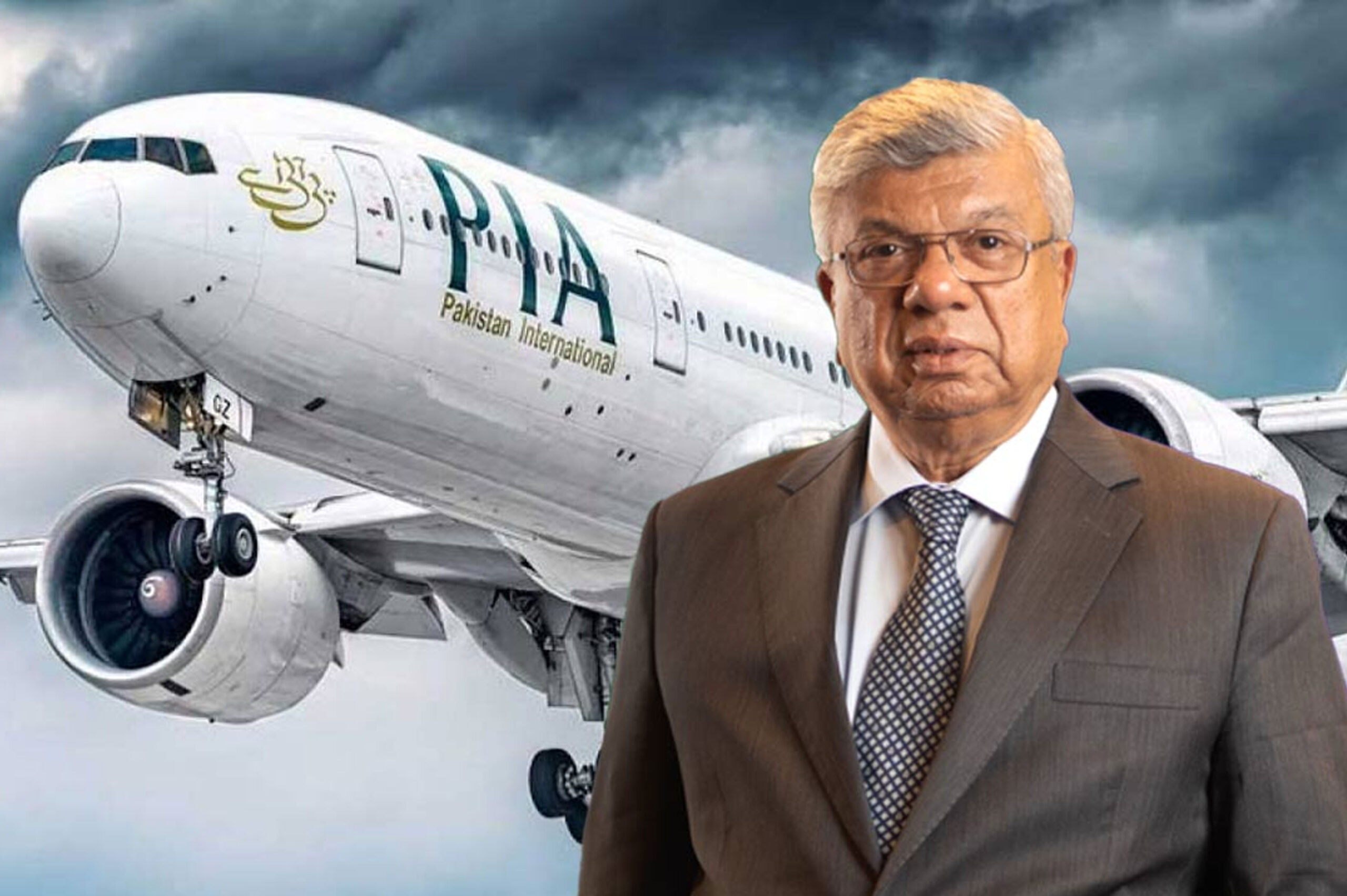
Arif Habib Consortium Wins Bid for PIA Privatisation After Intense Competition
After a closely contested bidding process, the Arif Habib Consortium has emerged as the successful bidder for the privatisation of Pakistan International Airlines (PIA). According to official details, the bidding process for PIA’s privatisation has been completed, with the Arif Habib Consortium acquiring 75 percent shares of the national airline for Rs135 billion. The Lucky Cement Consortium submitted the second-highest and final bid of Rs134 billion, while Airblue offered Rs26.5 billion. The Arif Habib Consortium includes Arif Habib Limited, Fatima Fertilizer, The City School, and Lake City Holdings. Privatisation Policy and Government Stance Chairman of the Privatisation Commission Muhammad Ali stated that the privatisation of PIA is a key component of the government’s economic policy. Speaking to the media, he said the bidding process would open new avenues for investment in the aviation sector. He added that bidders were informed of the privatisation framework in April. Of the four bidders, two expressed interest in purchasing 100 percent shares, while two opted for 75 percent ownership. Ultimately, the government proceeded with the sale of 75 percent shares. Muhammad Ali further noted that 92.5 percent of the proceeds from the sale will be reinvested into PIA, while the remaining 7.5 percent will be transferred to the government. He emphasized that the objective is not merely to sell the airline, but to put it back on a sustainable and self-reliant footing. Future Share Sale and Payment Structure The government has also decided to sell the remaining 25 percent shares within 90 days, while two-thirds of the payment will be received upfront. Earlier in April, the cabinet had approved the sale of 51 to 100 percent shares as part of the broader privatisation plan. Investor Obligations and Asset Transfer According to privatisation officials, the new investor will be required to inject Rs80 billion over the next five years to stabilize and modernize PIA. The successful bidder will take control of key operational units, including aviation operations, cargo services, the training wing, and catering (kitchen) business. Under the agreed terms, PIA employees will be granted job protection for one year, while pensions and post-retirement benefits will remain the responsibility of the holding company. The new owners will be responsible for salaries and benefits of existing employees, alongside ensuring immediate financial support and professional management to restore the airline’s operational efficiency. Commitment to Revival Commenting on the development, representatives of the Arif Habib Consortium said the move marks a victory for Pakistan, expressing confidence that PIA’s historic reputation will be restored through professional governance and sustained investment.
