


Heart disease remains one of the leading causes of death worldwide, but medical experts agree that many heart-related conditions can be prevented through simple lifestyle changes. According to health specialists, adopting three key habits can significantly reduce the risk of developing heart disease and improve overall cardiovascular health. First, maintaining a healthy and balanced diet is crucial. Doctors recommend reducing the intake of processed foods, excessive salt, sugar, and saturated fats, as these contribute to high blood pressure and cholesterol levels. A heart-friendly diet should include fruits, vegetables, whole grains, lean proteins, and healthy fats such as those found in nuts and olive oil. Proper nutrition helps keep arteries clear and supports healthy blood circulation. Second, regular physical activity plays a vital role in protecting the heart. Health experts suggest at least 30 minutes of moderate exercise—such as brisk walking, cycling, or swimming—on most days of the week. Regular movement strengthens the heart muscle, improves blood flow, controls weight, and lowers the risk of diabetes and high blood pressure, all of which are major risk factors for heart disease. Third, managing stress is essential for heart health. Chronic stress can raise blood pressure and increase the likelihood of unhealthy habits such as smoking or overeating. Doctors advise practicing stress-reducing activities like deep breathing, meditation, adequate sleep, and spending time with family or engaging in hobbies. A calm and balanced lifestyle helps regulate heart rhythm and reduces strain on the cardiovascular system. Medical professionals emphasize that these three steps—healthy eating, regular exercise, and stress management—are not only effective but also achievable for most people. By making these habits part of daily life, individuals can greatly lower their chances of heart disease and enjoy a longer, healthier life.
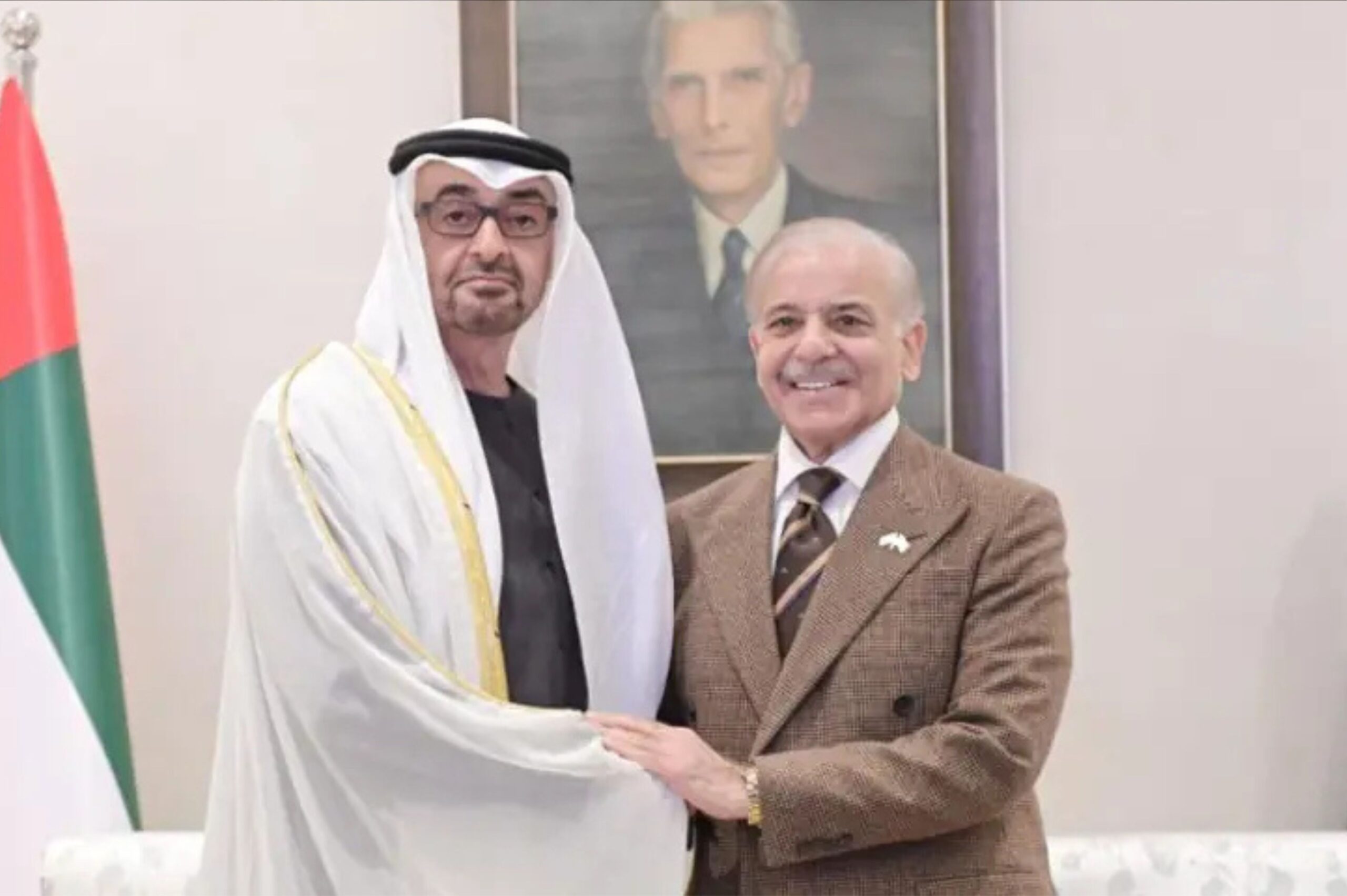
UAE President Sheikh Mohamed Makes First Official Visit to Pakistan
The United Arab Emirates President Sheikh Mohamed bin Zayed Al Nahyan arrived in Pakistan on his first official visit this week, marking a significant moment in the deepening relationship between Islamabad and Abu Dhabi. The visit is being widely seen as a signal of renewed strategic engagement at a time when Pakistan is seeking stronger economic partnerships and the UAE is expanding its regional cooperation footprint. President Sheikh Mohamed was warmly received in Islamabad, where he held extensive talks with Pakistan’s civilian and military leadership. The discussions focused on expanding cooperation across investment, energy, trade, defence, food security, climate resilience, and people-to-people ties, reflecting the broad scope of the bilateral relationship. Both sides described the talks as substantive and forward-looking, with an emphasis on translating long-standing goodwill into tangible economic outcomes. Pakistan and the UAE share decades-old ties rooted in mutual trust, a large Pakistani diaspora in the Gulf state, and close collaboration on regional stability. During the meetings, Pakistani officials underscored the importance of UAE investments in key sectors such as infrastructure, ports, renewable energy, and aviation, while also highlighting new opportunities emerging from Pakistan’s reform and privatisation drive. The UAE leadership, in turn, reaffirmed its interest in long-term partnerships that support sustainable growth. The visit also carried symbolic weight. It was President Sheikh Mohamed’s maiden official trip to Pakistan since assuming office, and both sides framed it as a reset moment designed to elevate ties from friendly cooperation to a more structured strategic partnership. Officials discussed mechanisms to fast-track investment projects and enhance institutional coordination, particularly in areas linked to economic recovery and regional connectivity. Beyond economics, the talks touched on regional and global developments, with both countries reiterating their commitment to peace, dialogue, and stability in the wider region. Climate change and humanitarian cooperation were also on the agenda, reflecting shared concerns over extreme weather events and food security challenges. Observers note that the timing of the visit is significant. Pakistan has been actively courting Gulf partners to support investment-led growth, while the UAE continues to position itself as a key economic and diplomatic player bridging South Asia, the Middle East, and beyond. Social media reaction in Pakistan has been largely positive, with many users describing the visit as a “confidence boost” for the country’s economy and international standing. As President Sheikh Mohamed concludes his visit, both governments have expressed optimism that the discussions will soon translate into concrete agreements and projects, reinforcing a partnership that has long been described as brotherly but is now being reshaped for modern economic and strategic realities.

Messi vs. Ronaldo Money Battle: Who Made More in 2025?
Lionel Messi and Cristiano Ronaldo’s rivalry has long stretched beyond goals and trophies to the question fans everywhere ask: who makes more money? In 2025, the answer became clearer than ever. According to Forbes’ 2025 rankings of the world’s highest-paid athletes, Cristiano Ronaldo earned far more than Lionel Messi, topping the list with an eye-watering total of about $275 million in earnings, while Messi earned around $135 million over the same period. Ronaldo’s massive haul was driven primarily by his gargantuan contract with Saudi Pro League club Al-Nassr, where he earns one of the richest salaries in sports history, reportedly more than $200 million annually when salary, bonuses and endorsements are combined. His status as the highest-paid athlete on the planet in 2025 reflects both his enduring popularity and the financial firepower of the league that has transformed global football economics. Messi, meanwhile, remained among the top-earning athletes worldwide despite trailing Ronaldo in total earnings. His reported $135 million in 2025 came from a mix of on-field earnings at Inter Miami and lucrative off-field deals, including endorsements and business ventures such as partnerships and his growing lifestyle brand. Off the pitch, both superstars have parlayed their fame into lucrative deals and investments. Ronaldo has reached a historic milestone by becoming the first football billionaire, a feat fueled not only by football wages but a sprawling enterprise of personal brands, commercial deals and real estate ventures. Messi’s income has likewise been boosted by long-term endorsements and investment successes, including ventures tied to consumer products and stake options in sports properties. Despite their advancing ages and shifts in playing careers, Messi and Ronaldo’s financial rivalry remains as compelling as their on-field battles. Their combined influence continues to redefine what it means to be a global sports icon in 2025, blending sporting excellence with commercial genius and cultural impact that resonates far beyond football.
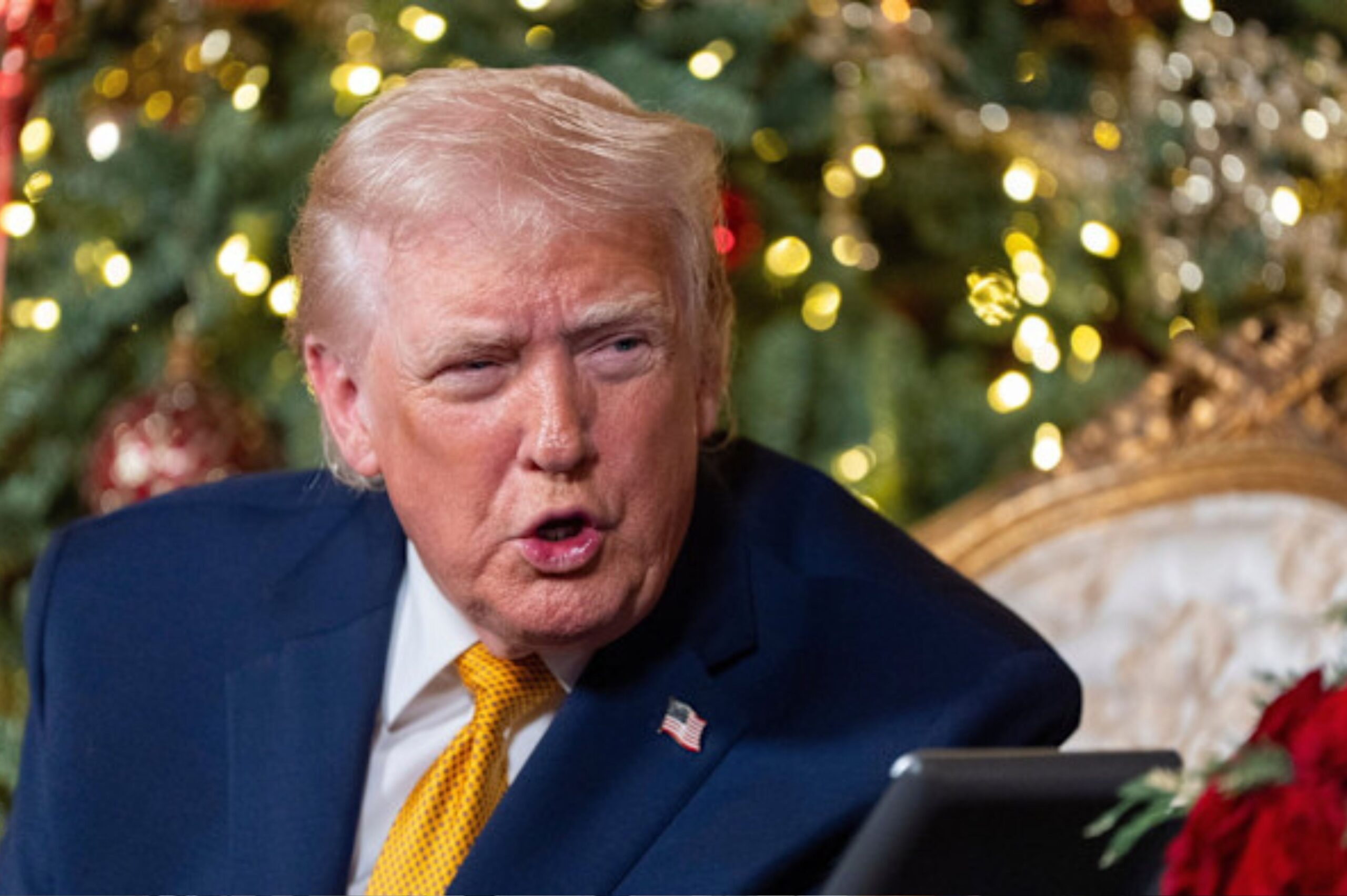
Trump Orders Christmas Day Airstrikes on ISIS Militants in Nigeria’s Sokoto
In a dramatic escalation of U.S. military engagement in West Africa, President Donald Trump announced that the United States carried out its first airstrike against Islamic State targets in northwest Nigeria on Christmas Day, marking a significant development in Nigeria’s long-running security crisis. The strike, confirmed by U.S. Africa Command and shared widely on social platforms including X, targeted militants in Sokoto State, where extremist violence has surged in recent months. Taking to his Truth Social platform late Thursday, Trump described the operation as a “powerful and deadly strike” against what he called “ISIS terrorist scum” who had been targeting and “viciously killing, primarily innocent Christians.” He warned that more actions could follow if the violence continues. According to statements from AFRICOM on social media, the airstrike was conducted in coordination with Nigerian authorities, and initial assessments suggest that multiple Islamic State fighters were killed. A Pentagon video shared online shows what appears to be a missile launched from a U.S. warship in the Gulf of Guinea toward suspected militant positions. Nigeria’s Ministry of Foreign Affairs acknowledged the strikes as part of ongoing international security cooperation to address terrorism and violent extremism. In posts on X, officials noted that the precision air strikes were the result of intelligence sharing and strategic coordination with U.S. forces, while also reminding the public that Islamist militant attacks in Nigeria affect both Christians and Muslims. The context for this unprecedented U.S. action under Trump stems from months of rising extremist attacks by Boko Haram offshoots and Islamic State affiliates such as the Lakurawa, who have increasingly operated in northwest Nigeria’s Sokoto and Kebbi states, far from the traditional insurgent hotspots in the northeast. Analysts and local voices on social media have highlighted recent incidents where civilians were killed in village raids and bombings, underscoring Nigeria’s deep and complex security challenges. The strikes have sparked debate: while supporters frame them as necessary to protect vulnerable communities, critics warn that framing Nigeria’s multifaceted violence in predominantly religious terms may oversimplify the crisis, potentially fueling divisions rather than calm. Still, the move signals a notable shift in U.S. policy, with Trump portraying the action as part of a broader effort to confront extremist threats beyond traditional battlefields.
