

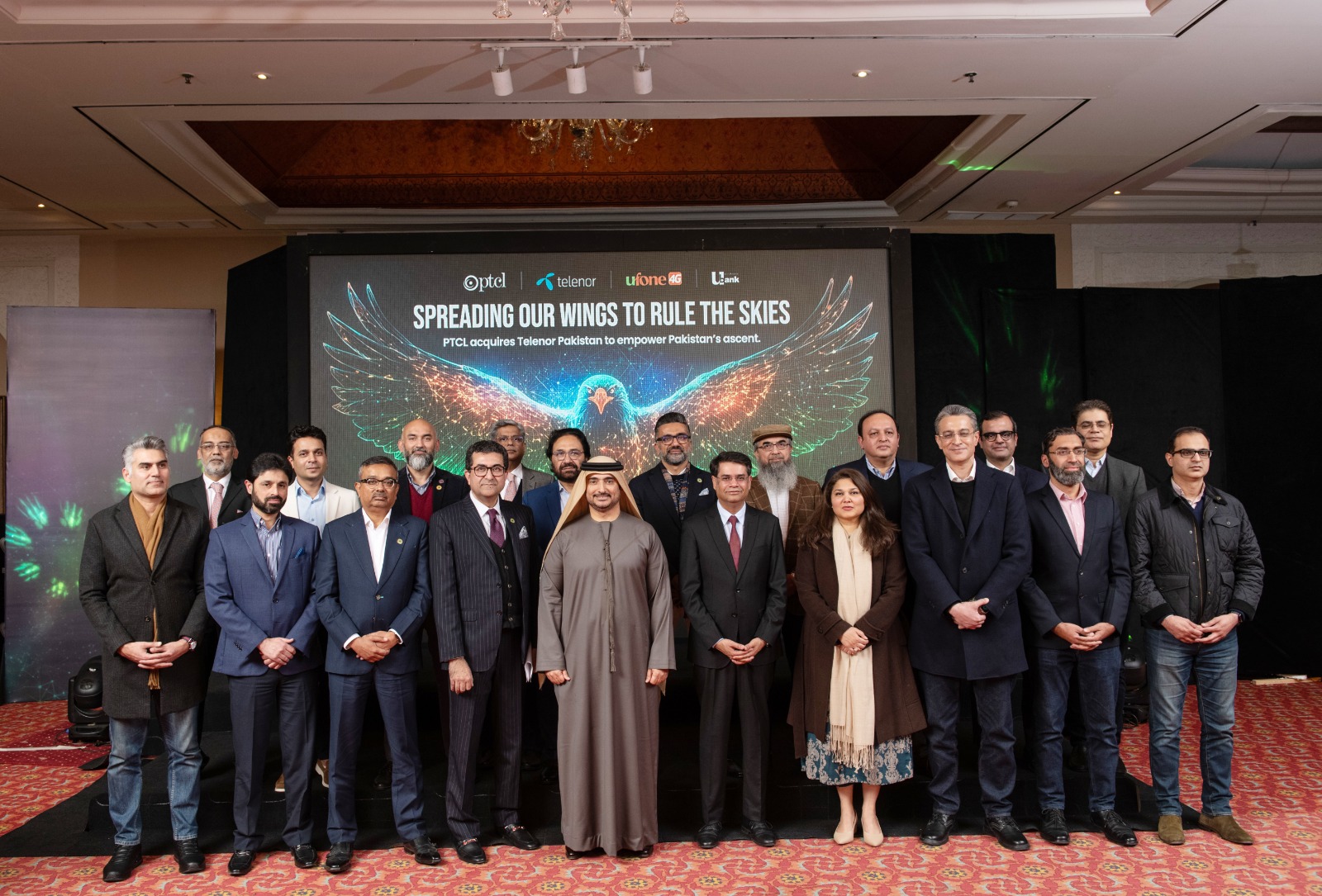
Pakistan’s telecom landscape entered a new phase on December 31, 2025, as Pakistan Telecommunication Company Limited (PTCL) officially completed the acquisition of 100% shareholding of Telenor Pakistan and Orion Towers, marking one of the most consequential consolidations in the country’s digital history. With this transaction, both Telenor Pakistan and Orion Towers now operate as wholly owned subsidiaries of PTCL, alongside Ufone 4G and U Microfinance Bank. The acquisition brings to a close Telenor ASA’s nearly two-decade journey in Pakistan, during which the Norwegian group played a major role in expanding mobile connectivity and raising service standards. PTCL acknowledged Telenor’s contribution, describing the deal as a coming together of complementary strengths rather than a simple ownership change. For customers, the immediate message is continuity: Telenor Pakistan will continue to function as a separate legal entity during the transition phase. Looking ahead, PTCL plans to integrate Telenor Pakistan with Pak Telecom Mobile Limited (PTML), which operates Ufone 4G, into a single merged entity, commonly referred to as MergeCo, subject to regulatory approvals. Industry observers say this integration could reshape competition in Pakistan’s telecom market by creating a larger player with improved spectrum utilization, broader network reach, and greater capacity to invest in next-generation technologies. Speaking on the milestone, PTCL Group President and CEO Hatem Bamatraf called the acquisition a proud moment for both the company and the sector. He emphasized that the focus would remain on customer-centric services, seamless connectivity, and improved user experience. Bamatraf also stressed that the transition would respect existing talent, ensuring continuity for employees while integrating global best practices. Analysts see the move as strategically timed. Pakistan’s telecom sector is under pressure from rising operational costs, slowing revenues, and the need for heavy investment in data infrastructure. By consolidating assets, PTCL aims to optimize costs, strengthen network resilience, and accelerate innovation in areas such as 4G expansion, digital financial services, and enterprise solutions. The acquisition also fits into Pakistan’s broader digital ambitions, where improved connectivity is seen as essential for economic growth, e-commerce, fintech, and public service delivery. With millions of subscribers now under a single strategic umbrella, PTCL is positioning itself as a central force in shaping the country’s digital future. As 2026 begins, this landmark deal signals not just a change in ownership, but a recalibration of Pakistan’s telecom ecosystem—one that could redefine how millions connect, communicate, and do business in the years ahead.

5 Morning Drinks to Kickstart Weight Loss in 2026
As 2026 begins, millions of people are setting health goals, and weight loss remains one of the most common resolutions. Nutrition experts agree that mornings play a key role in shaping daily habits. While no drink can magically melt fat, certain science-backed morning drinks can support metabolism, digestion, and appetite control when combined with healthy eating and movement. Starting the day with the right beverage can help build consistency and set a positive tone for long-term wellness. Green Tea: A Metabolism-Friendly Classic Green tea continues to top expert recommendations for weight management. It contains catechins and caffeine, compounds shown to support fat oxidation and improve metabolic rate. Drinking green tea on an empty stomach may help the body burn calories more efficiently, making it a smart and gentle option for those easing into a healthier 2026 routine. Lemon Water: Simple, Hydrating, Effective Warm lemon water is often misunderstood as a fat burner, but its real strength lies in hydration and digestion. Proper hydration first thing in the morning can reduce bloating and improve gut function. Over time, this supports better portion control and fewer cravings throughout the day. Apple Cider Vinegar Water: Curbing Cravings Apple cider vinegar has gained attention for its potential role in appetite regulation and blood sugar balance. Research suggests that acetic acid may help people feel fuller for longer. When diluted properly in water, it can be a helpful addition to a structured morning routine, though moderation is key. Turmeric Milk: Fighting Inflammation Naturally Inflammation is closely linked to weight gain and metabolic disorders. Turmeric milk, rich in curcumin, offers anti-inflammatory benefits that may support overall metabolic health. Warm turmeric milk is especially popular during winter mornings and fits well into a mindful New Year wellness plan. Ginger Water: Supporting Digestion and Fat Burn Ginger water is known for its thermogenic effect, meaning it slightly increases calorie burn by raising body temperature. It also aids digestion and reduces bloating, making it a popular choice for targeting stubborn belly fat when paired with regular physical activity. Consistency Matters More Than Perfection Health experts stress that these drinks are support tools, not shortcuts. Sustainable weight loss still depends on balanced meals, strength training, quality sleep, and daily movement. However, starting mornings with intention can lead to better choices throughout the day. As 2026 unfolds, these simple morning habits offer an easy and realistic way to move toward lasting health goals.
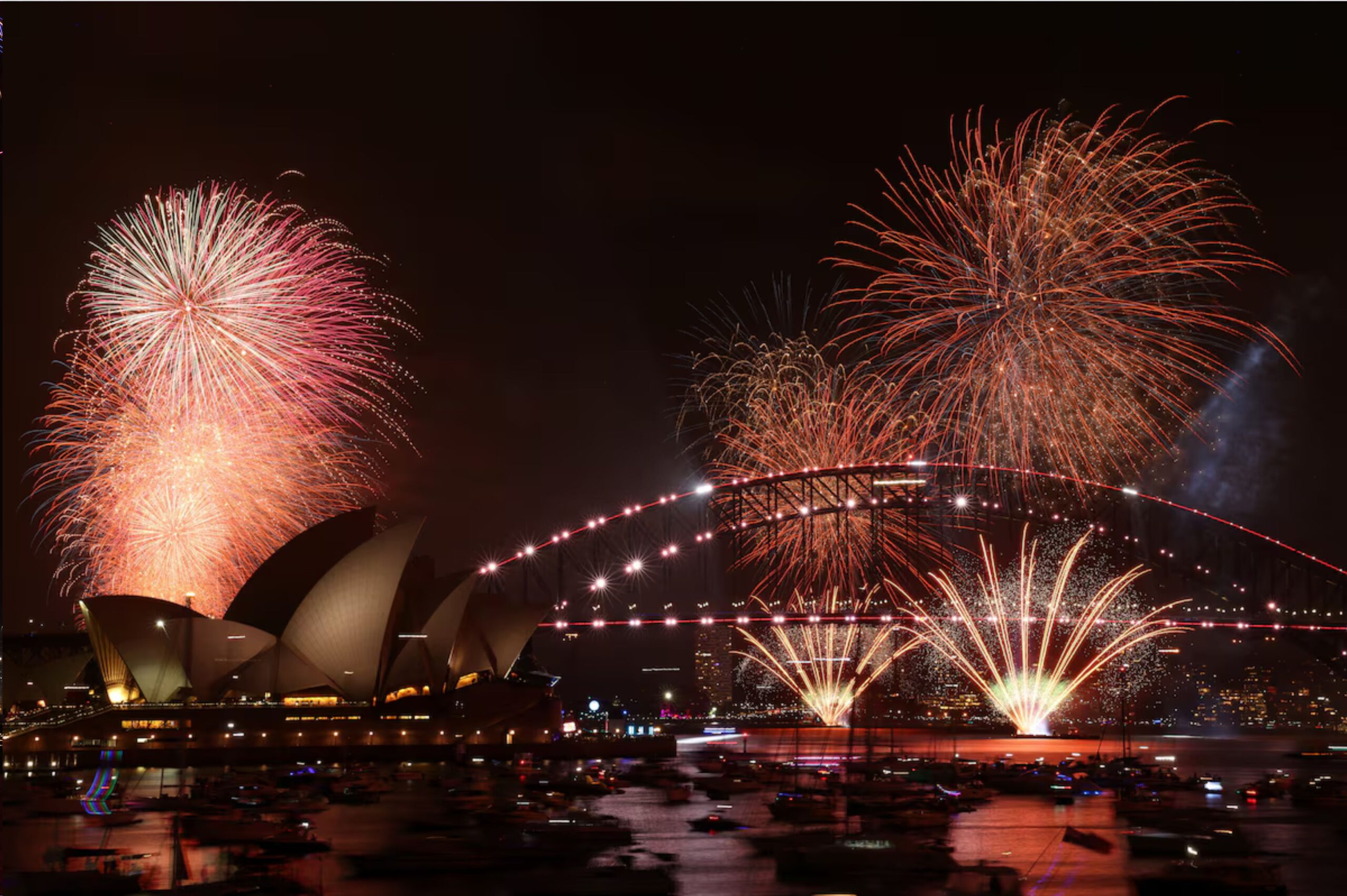
Sydney Lights Up 2026 With Fireworks and Tribute to Bondi Victims
Sydney kicked off New Year’s Eve 2026 with a spectacular celebration that blended glittering fireworks, heartfelt tributes and international solidarity, while neighbouring Pacific nations like Fiji voiced support and condolences after Australia’s recent tragedy. As the clock struck midnight at Sydney Harbour, the world watched a city filled with sparkle and meaning usher in 2026 with both joy and reflection. Hundreds of thousands of revellers lined Circular Quay, Barangaroo and ferry wharves on December 31, bundled against cool evening winds and soaking in the city’s iconic fireworks display over the Sydney Harbour Bridge and Opera House. Sydney traditionally ranks among the first major global cities to celebrate the New Year after Kiribati and New Zealand mark midnight earlier in the Pacific. Yet this year’s festivities carried a deeper emotional weight. Earlier in December, a deadly antisemitic terror attack at a Hanukkah celebration on Bondi Beach claimed 15 lives and left dozens injured, marking Australia’s worst mass shooting in decades. To honor the victims, Sydney officials incorporated a poignant tribute into the celebration. At 11 p.m., there was a minute of silence across the harbour precinct. The Sydney Harbour Bridge was bathed in white light and adorned with the image of a Jewish menorah, symbolizing remembrance and unity. This gesture came after prominent Jewish cultural figures urged the city to reflect the true nature of the tragedy rather than using generic symbols alone. Across the Pacific, Fiji’s Prime Minister Sitiveni Rabuka publicly condemned the Bondi Beach attack, offering condolences to the families and expresssing solidarity with both Australian and Jewish communities. Rabuka emphasized that Fiji stands with its Pacific neighbours against terrorism and hatred, and extended hopes for justice and healing. Despite somber undertones, Sydney’s midnight fireworks was a 12-minute cascade of colours over the harbour which reminded locals and viewers worldwide of resilience and hope. For many, the celebrations offered a sense of closure to a challenging year and an optimistic start to 2026, suggesting a city and region determined to embrace life, community, and peace together.
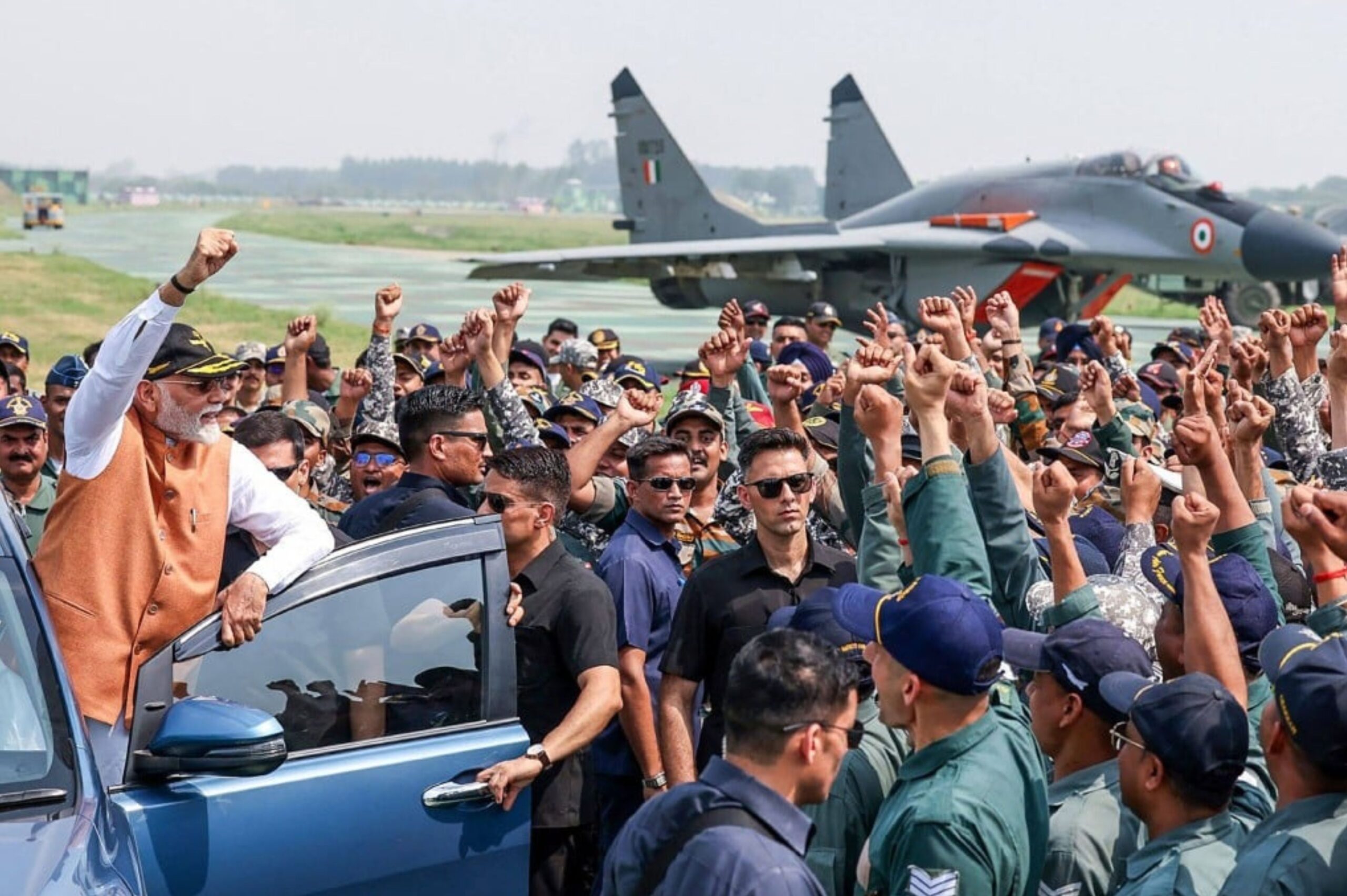
India Ramps Up Defence Spending with Latest $8.8 Billion Acquisition Plan
India’s Defence Acquisition Council (DAC) has just approved a major ₹79,000-crore ($8.78 billion) defence procurement package aimed at boosting the Army, Navy and Air Force with modern gear and cutting-edge systems. The clearance came on December 29, 2025, in a meeting chaired by Defence Minister Rajnath Singh as part of New Delhi’s larger effort to modernise its military and maintain readiness amid evolving regional security challenges. The Army stands to gain significant upgrades. Approvals include loitering munitions for artillery units, low-level lightweight radars to spot small unmanned aerial vehicles, long-range guided rocket ammunition for the Pinaka multiple launch rocket system, and integrated drone detection and interdiction systems (Mk-II) to safeguard troops against aerial threats. These systems are designed to sharpen battlefield precision and improve surveillance across diverse terrains. For the Indian Navy, the DAC cleared proposals for acquiring bollard pull tugs to help manoeuver ships in tight harbour waters and approved the high-frequency software-defined radio (SDR) manpack systems. India also plans to lease high-altitude long-endurance remotely piloted aircraft (RPAS) to expand maritime surveillance, particularly in the Indian Ocean region. The Indian Air Force will receive automatic take-off and landing recording systems to enhance flight safety, full mission simulators to support pilot training, Astra Mk-II beyond-visual-range air-to-air missiles and SPICE-1000 precision guidance kits. These assets are expected to boost aerial combat effectiveness, improve targeting precision and strengthen training capabilities for the expanding fleet. This procurement push is part of a broader, long-term modernisation strategy for India’s defence sector that prioritises indigenous production and self-reliance under the ‘Make in India’ initiative. Defence officials have previously spoken about future capital expenditure of $25–30 billion annually over the next decade, with strong emphasis on homegrown technology, drones, artificial intelligence and advanced weapon systems. Today’s defence clearance also reflects ongoing efforts to respond to geopolitical realities in South Asia and beyond. Enhanced radar systems, long-range rockets and advanced aircraft systems signal India’s intent to maintain credible deterrence while upgrading capabilities across all three services. The move is likely to strengthen the domestic defence manufacturing base and attract investor interest in Indian defence stocks.
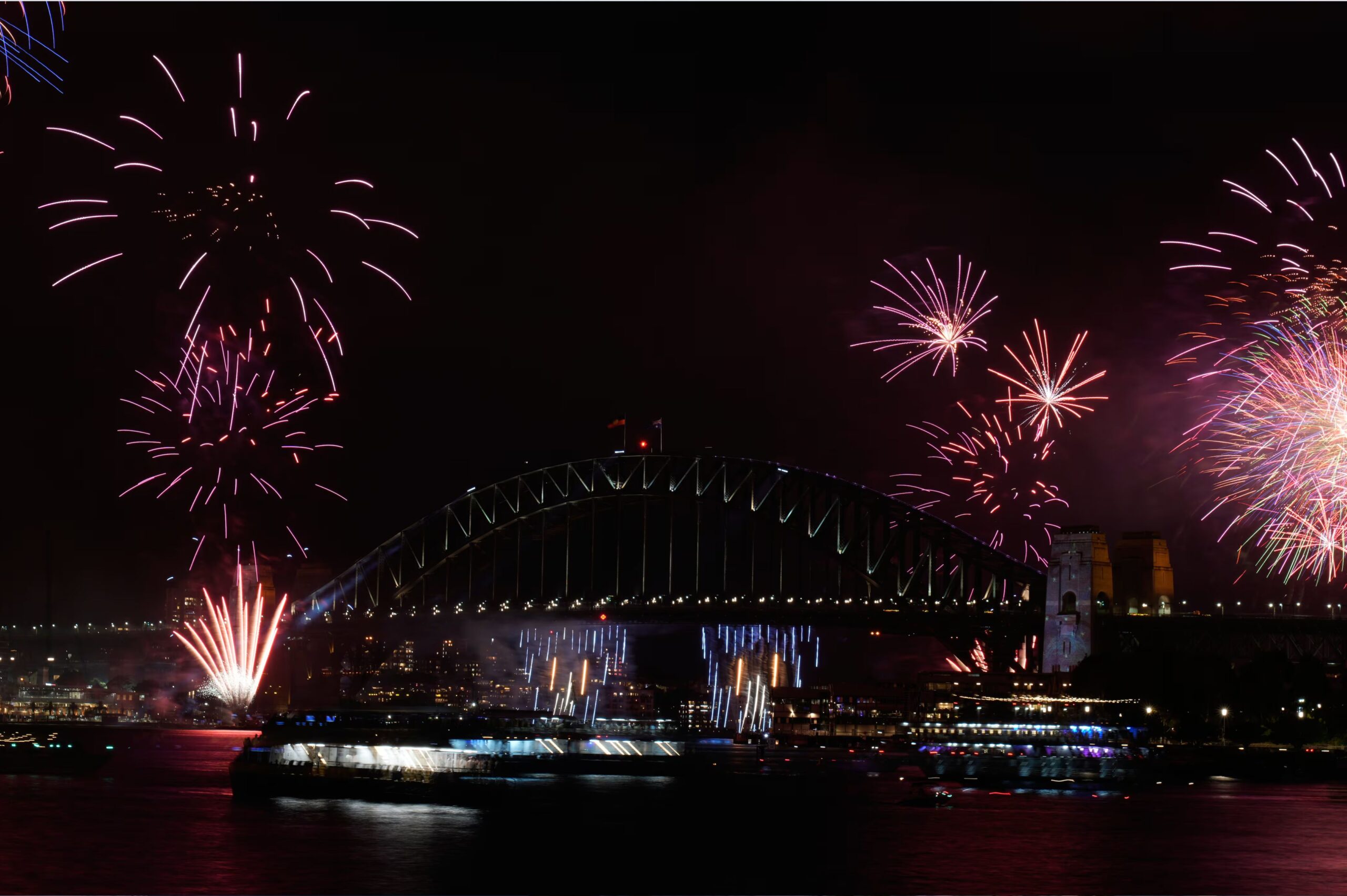
Auckland Lights Up First Fireworks of 2026 From Sky Tower
As the clock struck midnight on January 1, 2026, Auckland, New Zealand became the first major city in the world to welcome the new year, lighting up the sky with a spectacular fireworks display from the iconic Sky Tower even as rain threatened the celebrations. Thousands of locals and visitors gathered around the central city, braving dreary weather as the countdown ended and more than 3,500 fireworks erupted from multiple levels of the 240-metre structure, marking five minutes of colour, light, and sound high above the harbour. The annual New Year’s Eve tradition in Auckland remains a highlight of global celebrations thanks to the city’s position near the start of the world’s time zones. Auckland’s midnight arrives about 18 hours before New York’s Times Square ball drop, which means the city regularly leads the planet into a new year. This year’s display featured a blend of lasers, dynamic projections and bursts that soared up to 320 metres above the tower, creating a breathtaking scene against a cloudy sky. #Auckland welcomes in the #newyear with a #fireworks display over its #tallestbuilding – the #SkyTower#HappyNewYear pic.twitter.com/L0CsVkEQe6 — Kaff Digital (@KaffDigital) December 31, 2025 >Ahead of midnight, organisers transformed the tower with public-submitted photos of personal milestones from 2025, making the celebration feel both communal and emotional. Auckland’s Harbour Bridge also joined in, lighting up with its own dynamic light and sound show before supporters spilled into nearby streets and waterfront areas as roads closed to vehicles for the festivities. Despite the poor weather forecast and a severe thunderstorm warning earlier in the day, the fireworks went ahead after organisers confirmed that wind speeds and conditions remained within safety limits. This determination ensured that half a tonne of pyrotechnics could light up the night, demonstrating months of planning and technical preparation. Elsewhere in New Zealand, celebrations took on a variety of forms. In Christchurch, families enjoyed earlier mock countdowns and confetti cannons in parks, while Wellington’s Courtenay Place hosted live music, street food and entertainment ahead of midnight. Some smaller community events were cancelled due to weather, but the spirit of celebration remained strong across the country. Auckland’s New Year fireworks from the Sky Tower have become a symbol of fresh beginnings, community pride, and the first global cheer for 2026, continuing a tradition that draws attention from millions of viewers around the world each year.
Double-Decker Buses Back in Karachi After Decades
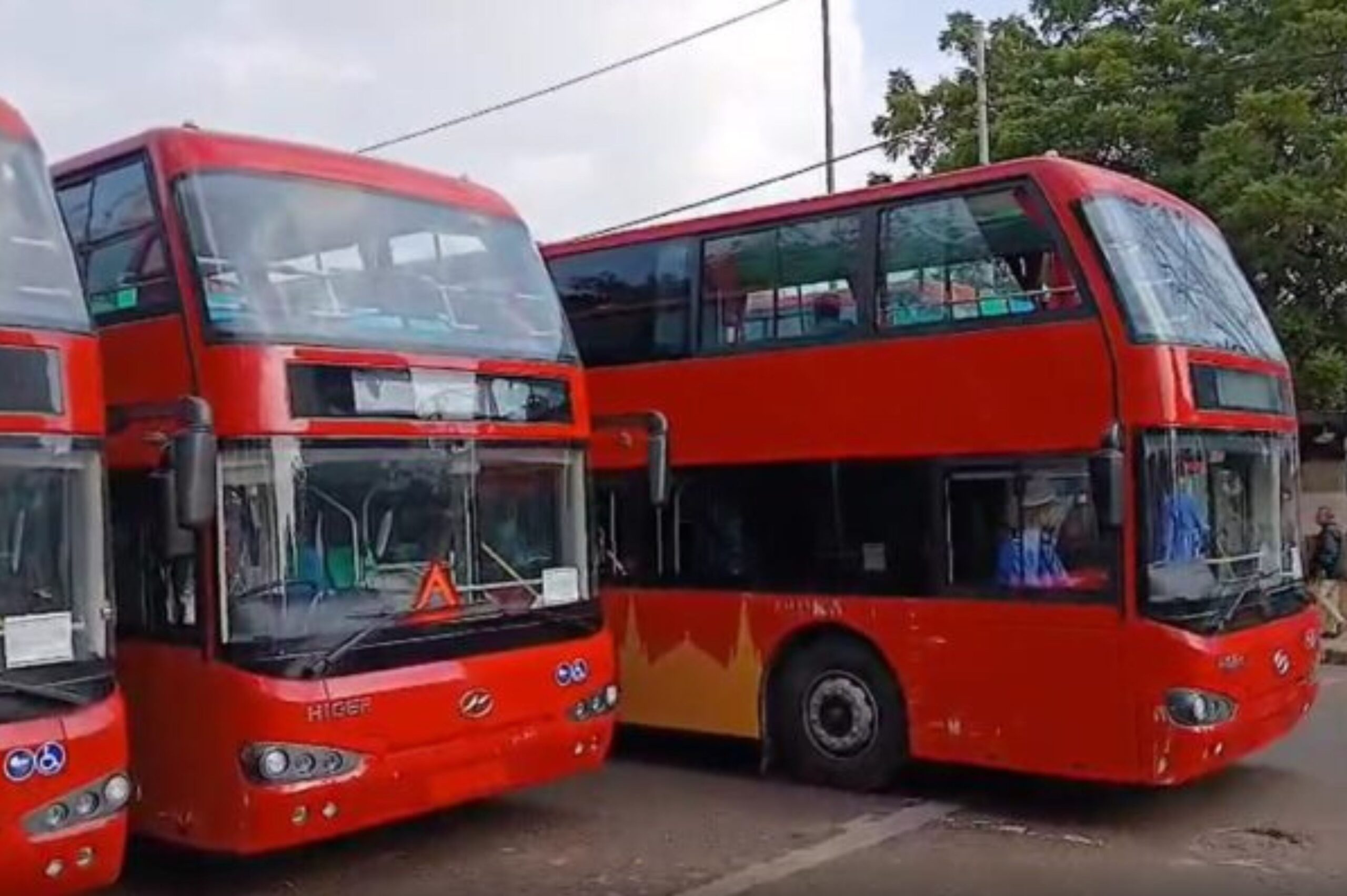
Karachi’s battered public transport system is about to get a major makeover as double-decker buses return to the city’s streets for the first time in decades, offering commuters a mix of nostalgia, comfort, and capacity just as the city steps into 2026. After nearly half a century, the Sindh government has launched a trial double-decker bus service running between Malir and Shahrah-e-Faisal, with plans to expand throughout Karachi in the new year. The service was inaugurated on December 31 by Sindh Senior Minister Sharjeel Inam Memon alongside other officials, who said the revival fulfills a long-held promise to improve urban mobility. The move comes amid broader efforts by provincial authorities to modernize public transport, including adding electric buses and integrating different transit systems like the Orange and Green Line Bus Rapid Transit (BRT) networks into a seamless network for commuters. Karachi once had a thriving double-decker bus network in the 1960s and 1970s, when these iconic vehicles dominated routes through Saddar and MA Jinnah Road. They eventually disappeared due to rising traffic, maintenance challenges, and the growth of minibuses and coaches. Each bus can hold around 115–120 passengers and is fully air-conditioned, making long, crowded rides more comfortable. Officials also emphasized that the fare for the new double-deckers will match the existing People’s Bus Service cost, keeping the upgrade affordable for daily riders. Beyond comfort, the buses are expected to reduce congestion by moving more people per trip, which could help ease pressure on busy corridors like Shahrah-e-Faisal. Alongside the double-deckers, the Sindh government has also imported 34 electric buses as part of the same initiative, bringing Karachi closer to a greener transit future. These electric vehicles, also dispatched from China, are slated to roll out across key routes once customs clearance is completed. This bold move comes as Karachi’s population tops 20 million and the city grapples with congestion and pollution. While infrastructure challenges remain — including road quality and traffic flow — transport officials hope the expanded fleet will offer real relief for commuters and make daily travel more pleasant. If the trial proves successful, plans call for more double-deckers on major routes in 2026. For many Karachiites, the sight of these buses is not just a return of a classic mode of transport but a sign of renewed investment in the city’s future.
FIFA President Acknowledges Arshad Nadeem’s Olympic Feat in Dubai
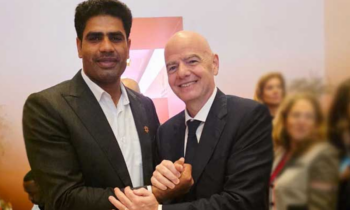
Pakistan’s Olympic javelin star Arshad Nadeem had a memorable moment in Dubai when he met Gianni Infantino on the sidelines of the World Sports Summit. The FIFA president surprised many by showing familiarity with Nadeem’s achievements and warmly engaging with the Pakistani athlete. During their brief interaction, Infantino asked Nadeem about the distance of his famous throw. Nadeem replied that it was a 92-metre effort and added that his goal now is to go even further and break his own record. Infantino responded with words of encouragement and posed for photographs with the Olympic champion, a gesture that left a strong impression on Nadeem. The meeting came just days after Nadeem was honoured with the Mohammed Bin Rashid Al Maktoum Global Sports Award in the Global Breakthrough Athlete category. The award recognised his historic performance at the Paris Olympics, where he claimed gold with a massive 92.97-metre throw. That throw not only set a new Olympic record but also ended a 16-year reign of the previous mark held by Norway’s Andreas Thorkildsen. More importantly, it delivered Pakistan’s first-ever Olympic gold medal in javelin throw, cementing Nadeem’s place in sporting history. Speaking after receiving the award, Nadeem described the moment as a source of immense pride for himself and the country. He said international recognition of this level would inspire young athletes in Pakistan and help bring greater attention to javelin throw as a sport. Looking ahead, Nadeem said his focus is firmly set on the 2026 Commonwealth Games and the Asian Games. He added that being honoured by the Dubai government had renewed his confidence and motivation. In an interview on the sidelines of the summit, Nadeem stressed that recognition alongside global sports stars strengthens an athlete’s belief. “Confidence and motivation are what a sportsman needs the most,” he said, adding that such encouragement pushes athletes to aim higher and dream bigger.
Pakistan and India Leaders Share Rare Handshake at Khaleda Zia’s Funeral in Dhaka
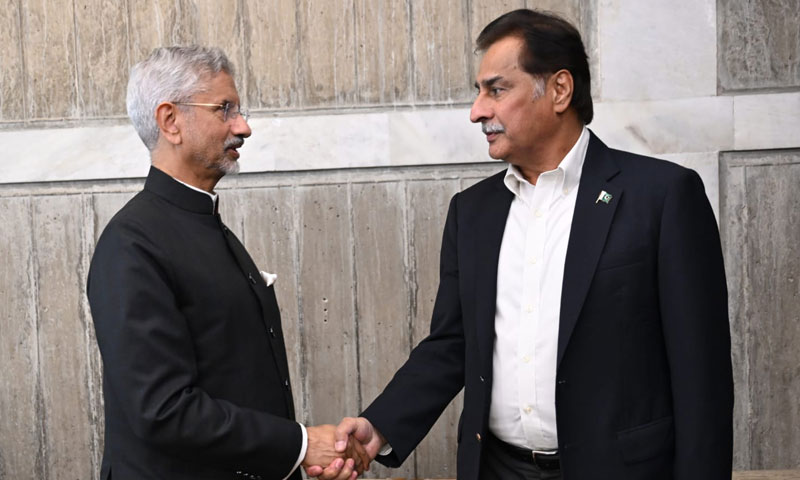
Pakistan’s National Assembly Speaker Sardar Ayaz Sadiq and India’s External Affairs Minister Subrahmanyam Jaishankar shared a brief yet significant diplomatic moment in Dhaka on December 31, 2025, while paying their respects at the funeral of Bangladesh’s former prime minister Begum Khaleda Zia. Their warm greeting and handshake on the sidelines of the state funeral offered a rare positive note in a period marked by regional tensions and shifting alliances in South Asia. Zia, a towering political figure and the first woman to lead Bangladesh, died at the age of 80 after a prolonged illness, prompting three days of national mourning and a state funeral beside her husband, former President Ziaur Rahman. Thousands gathered in Dhaka’s Manik Mia Avenue and outside the national parliament to pay their final respects. Dignitaries from more than 30 countries, including high-level representatives from India, Pakistan, Sri Lanka, Nepal, Bhutan, and the Maldives, attended the ceremonies under heavy security. Sadiq travelled to Dhaka to represent Pakistan with condolences from the government and people of Pakistan. He extended sympathy to Zia’s family particularly her son, Tarique Rahman, who now leads the Bangladesh Nationalist Party (BNP) and conveyed messages of support from Pakistani leadership. Jaishankar arrived separately to deliver a personal condolence letter from Indian Prime Minister Narendra Modi to Tarique Rahman, underscoring New Delhi’s respect for Zia’s role in Bangladesh’s political history and the importance of India–Bangladesh ties. His gesture highlighted the event’s diplomatic weight, as leaders of neighboring countries came together in a shared moment of grief. The handshake between the Indian and Pakistani officials drew attention because it marked one of the first public exchanges between top representatives of the two countries since clashes earlier in the year had heightened tensions. Several analysts noted that while the meeting was largely symbolic, it carried deep meaning for South Asian diplomacy, suggesting that respect and common human moments can still bridge divides even when formal relations are strained. Zia’s legacy itself was complex: she led Bangladesh through multiple terms and navigated fierce political rivalries, but also represented democratic struggle and resilience. Her state funeral not only honored her life but also became a rare gathering point for diplomatic engagement among nations whose relations are often tested by history and contemporary conflicts.
Banks in Pakistan to Remain Closed on New Year’s Day, SBP Announces
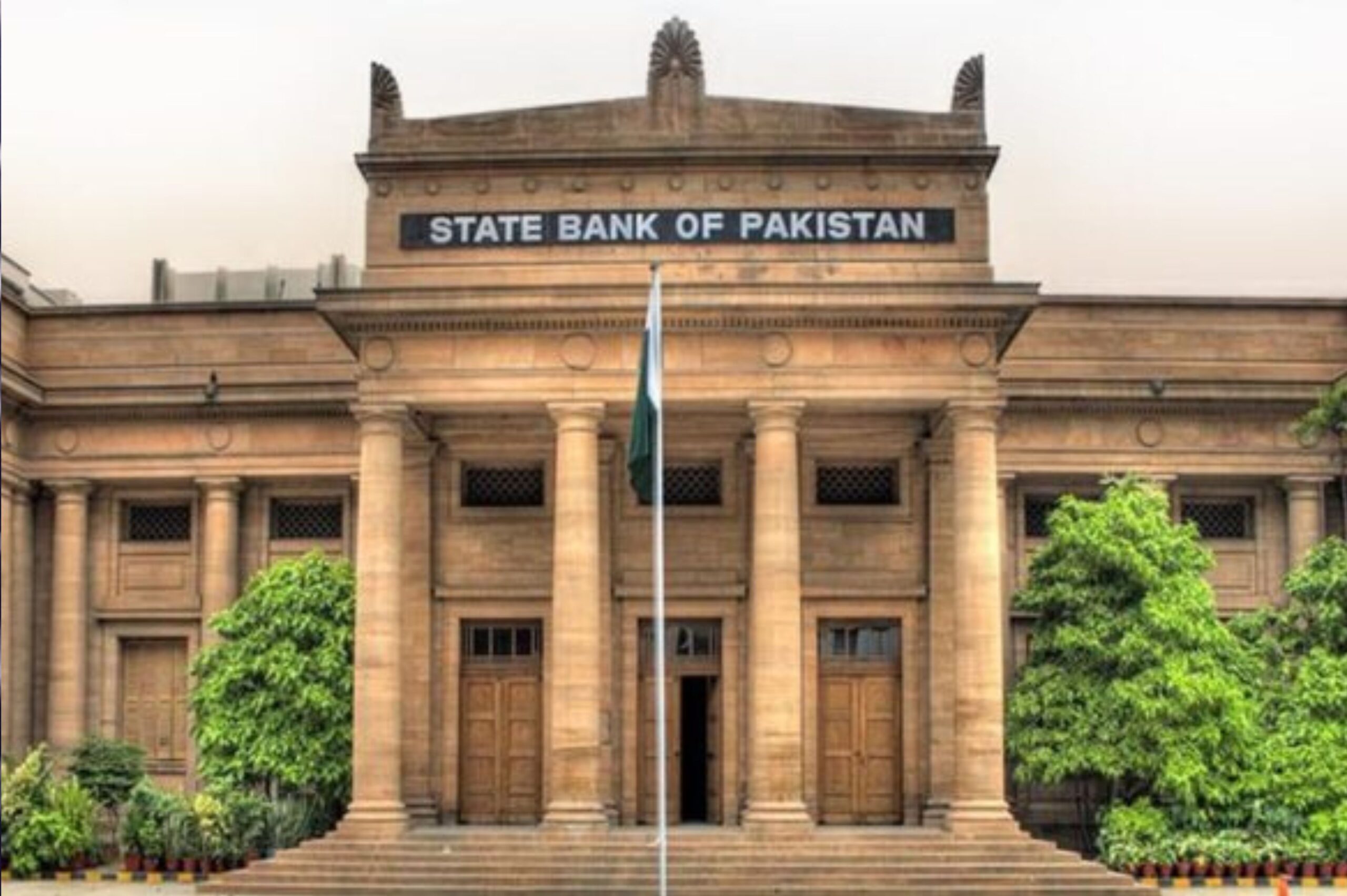
On December 30, 2025, the State Bank of Pakistan (SBP) issued Circular Letter No. 26 of 2025, announcing a bank holiday on January 1, 2026. This notice requires all commercial banks, microfinance banks, and development finance institutions to remain closed for public dealing on that day. The decision affects normal banking operations and means customers will not be able to conduct in-person transactions at SBP or its regulated banks on New Year’s Day. SBP’s official announcement, shared through its Banking Policy & Regulations Department, confirmed that the institution will observe January 1, 2026 as a bank holiday. This closure aligns with the national calendar and gives bank staff and customers a public holiday to mark the start of the new year. The circular directs bank presidents and chief executives to adjust schedules and inform branches ahead of time so that no confusion arises about services on that date. This move is consistent with previous SBP notices that declared public holidays for banks, especially at year-end or around major national events. In 2025 alone, multiple circular letters from SBP outlined other official bank holidays, including earlier in the year. These notices help banks manage operations, staffing, and customer expectations. In addition to holiday announcements, the SBP regularly updates policies that shape Pakistan’s financial landscape. Throughout 2025, its circulars covered a wide range of regulatory and operational matters, from corporate governance changes to upgraded auditing panels and public holiday schedules. These notices strengthen the framework within which banks and financial institutions operate, ensuring compliance with SBP’s standards. For everyday customers, the January 1 bank holiday means planning ahead for routine transactions such as cash withdrawals, deposits, account openings, or loan inquiries. However, digital and mobile banking services are expected to remain functional, so customers can still manage accounts online even when physical branches are closed. This reflects a broader trend where SBP and banks encourage electronic banking use and financial inclusion across Pakistan.

Legal Blow for Egypt International as Ramadan Sobhi Faces Jail and Ban
Egyptian international Ramadan Sobhi has been sentenced to one year in prison with labor after an Egyptian court found him guilty in a high-profile academic fraud case, according to local media reports on Tuesday. The ruling was handed down by the Giza Criminal Court, which convicted the 28-year-old footballer of falsifying official documents and arranging for another individual to sit academic examinations on his behalf at a private tourism and hospitality institute in Giza Governorate. The court also sentenced a second defendant to one year in prison, acquitted a third, and issued a 10-year sentence in absentia to a fourth suspect who remains at large. Sobhi was arrested in July upon his return to Egypt from Turkey, where his club had been holding a pre-season training camp. Prosecutors alleged that the fraud scheme involved forged paperwork and impersonation during exams, prompting authorities to open a criminal investigation that ultimately led to Tuesday’s verdict. Attempts to reach Sobhi’s legal team for comment were unsuccessful. The prison sentence adds to an already turbulent period in the midfielder’s career. In November, the Court of Arbitration for Sport upheld findings of anti-doping violations against Sobhi, resulting in a four-year suspension from professional football. Despite the legal troubles, Sobhi had enjoyed recent success on the pitch. Last season, he played a pivotal role in guiding Pyramids FC to their first-ever CAF Champions League title, defeating Mamelodi Sundowns in the final. Sobhi has earned 37 caps for Egypt and began his professional career at Al Ahly SC before moving to England in 2016. He featured in the Premier League with Stoke City and later Huddersfield Town. In 2020, he returned to Egypt, joining Pyramids from Huddersfield following a loan spell back at Al Ahly. The latest verdict casts a long shadow over the career of a player once regarded as one of Egypt’s brightest footballing talents.
