


As 2026 begins, mental health is no longer a side conversation. It has become one of the most urgent public health challenges worldwide, backed by data, policy shifts, and lived experience. According to the World Health Organization, depression and anxiety disorders already cost the global economy more than $1 trillion every year in lost productivity. That figure has continued to rise since the pandemic years, with no signs of slowing down. In 2025 alone, several countries reported record demand for mental health services, particularly among young adults and healthcare workers. Suicide statistics underline the crisis. The WHO estimates that over 700,000 people die by suicide each year, making it one of the leading causes of death globally among people aged 15 to 29. In response, multiple governments entered 2026 with expanded mental health budgets, crisis hotlines, and school-based counseling programs. Healthcare workers remain among the most affected groups. A 2024 global survey published in The Lancet found that nearly 60 percent of doctors reported symptoms of burnout, while nurses showed similarly high stress levels. By late 2025, several hospital systems in Europe and Asia introduced mandatory rest periods and mental health screening for medical staff. These measures continue into 2026 as hospitals try to prevent staff shortages from worsening. Technology plays a growing role. Teletherapy platforms saw double-digit growth in 2025, especially in regions with limited access to in-person care. Mental health apps offering guided therapy, mood tracking, and crisis support now serve millions of users daily. However, experts warn that digital tools should support and not replace professional care. Preventive health also gains traction. Governments increasingly promote early screening for stress, depression, and anxiety, treating mental health like any other chronic condition. Employers adopt wellness policies after studies showed that workplaces with mental health support report lower absenteeism and higher productivity. Public attitudes are shifting too. Conversations once hidden now happen openly, from boardrooms to classrooms. Seeking help no longer signals weakness; it signals awareness. In 2026, mental health is no longer just a personal issue. It is an economic, social, and medical priority. How governments and societies respond this year will shape public health outcomes for decades.
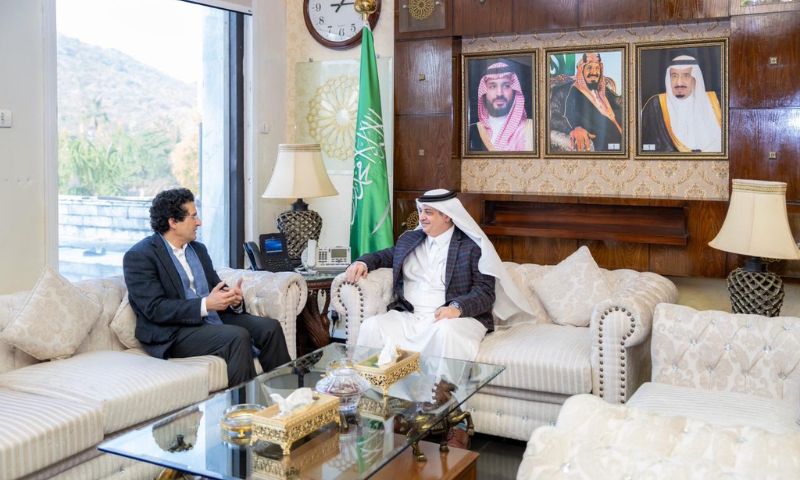
Saudi-Pakistan Ties Deepen: Inside Pakistan’s Big Plan at the Future Minerals Forum in Riyadh
Pakistan is preparing to make a strong impression at the Future Minerals Forum (FMF) 2026 in Riyadh, Saudi Arabia, marking a focused step toward boosting investment and cooperation in the minerals and energy sectors. Federal Minister for Petroleum Ali Pervaiz Malik recently met with H.E. Nawaf bin Saeed Ahmad Al-Malkiy, Ambassador of Saudi Arabia to Pakistan, to discuss areas of mutual interest and stronger bilateral ties. During the meeting, Malik expressed deep respect for Crown Prince Mohammed bin Salman and highlighted the long-standing shared cultural and religious ties that bind the two nations. At the invitation of the Saudi government, Pakistan confirmed its full participation in the FMF, which will run from January 13–15, 2026 in Riyadh. The forum has grown into one of the world’s premier platforms for mineral industry dialogue, bringing together ministers, investors, and innovators to shape the future of mineral supply chains and sustainable development. Pakistan will unveil a dedicated pavilion titled “Pakistan – The Mineral Marvel” to showcase the nation’s rich geological endowment. The pavilion aims to draw global investors and industry professionals to explore opportunities in Pakistan’s untapped mineral sector. Leading the Pakistani delegation, Minister Malik will join executives from 13 state-owned and private mineral companies. A key highlight at the FMF will be a 90-minute Country Showcase Session under the theme “Unleashing Potential: Accelerating Pakistan’s Mineral Revolution.” This session will include CEOs, foreign investors, and international experts who will discuss strategies for accelerating development in Pakistan’s mineral industry. Officials say the pavilion’s role goes beyond Riyadh. It will serve as a prelude to the Pakistan Mineral Investment Forum (PMIF) 2026, planned for April in Islamabad, where the focus will be on attracting even broader international engagement. Saudi Ambassador Al-Malkiy warmly welcomed Pakistan’s participation and reiterated the potential for cooperation in minerals and energy sectors. He emphasized FMF’s role as a key platform to expand strategic ties between Pakistan and the Kingdom. As global demand for critical minerals grows especially for technology, energy transition, and infrastructure. Pakistan’s entry onto this stage signals a renewed drive to convert natural wealth into economic growth.

iPhone 16 Pro vs Galaxy S26 Ultra: Real AI or Just a New Coat of Paint?
The iPhone 16 Pro and the (soon-to-launch) Samsung Galaxy S26 Ultra are chasing the same dream: a phone that feels less like a gadget and more like a smart partner. But they’re taking very different roads—especially on AI, cameras, and satellite features. Apple’s pitch is “Apple Intelligence,” built into the iPhone 16 Pro’s A18-class platform and tied tightly to iOS. The biggest advantage is how smoothly it sits inside everyday tasks: writing help, smarter Siri moments, and optional ChatGPT support when you want deeper answers. Apple keeps this experience “ask-first,” so the phone doesn’t feel like it’s constantly showing off. That restraint may look boring, but it often feels more usable. Samsung’s Galaxy S26 Ultra is shaping up to be the “AI power user” option. Samsung has pushed Galaxy AI hard across its recent Ultra phones, with features like cross-app actions and a privacy model that lets users control on-device vs cloud processing. Leaks also suggest Samsung is testing a major Bixby upgrade with Perplexity-style answers, which could make the assistant feel less behind. If that lands well, it’s a real step forward—not just a new label. Now the cameras, where the debate gets spicy. The iPhone 16 Pro leans into “camera realism” through Apple’s computational pipeline and a triple-camera setup led by a 48MP main camera, plus a 48MP ultra-wide and a 5x telephoto. Apple also added “Camera Control,” which targets faster, more deliberate shooting. It’s the phone for people who want consistent skin tones, reliable video, and fewer surprise edits. Samsung’s Ultra identity, meanwhile, is built on high-res hardware and aggressive AI processing. Recent Ultra models center on a 200MP main camera and Samsung’s ProVisual engine, aiming for punchier detail and stronger zoom-style flexibility. If the S26 Ultra sticks close to that formula—as rumors suggest—the real question becomes: will Samsung refine the “Ultra look” toward natural results, or double down on the dramatic style people either love or hate? Satellite tech is another divider. Apple already offers Emergency SOS via satellite on iPhone 14 and newer models, and it has expanded satellite options beyond emergencies in supported regions. For the S26 line, reports point to improved satellite functionality coming, but it’s still not official. So who’s innovating? Apple is polishing the experience until it disappears. Samsung is stacking features until the phone feels like a toolbox. In 2026, buyers may pick less on specs and more on which philosophy fits their life.
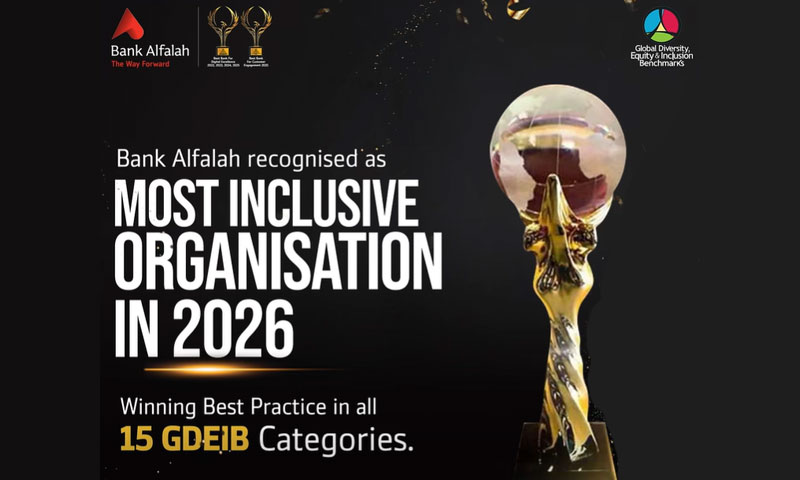
Bank Alfalah Named Among World’s Most Inclusive Companies for 2026
Bank Alfalah has been recognised as one of the “Most Inclusive Companies in 2026” at the Global Diversity, Equity and Inclusion Benchmarks (GDEIB) Awards, following a comprehensive and evidence-based evaluation conducted by an independent international jury. The recognition came after a rigorous disclosure process in which 44 multinational and national organisations submitted detailed documentation assessing their policies, workplace culture, and people practices. Bank Alfalah emerged as the top overall performer, earning the title of Most Inclusive Company in 2026. In addition to the overall honour, the Bank secured wins across 15 GDEIB benchmark categories, reflecting its holistic approach to embedding diversity, equity, and inclusion across business operations. These categories include vision and strategy, leadership accountability, recruitment and retention, learning and development, compensation structures, flexible work practices, DEI communications, responsible sourcing, community engagement, sustainability integration, and inclusive product and service development. The GDEIB Awards are anchored in the Global Diversity, Equity and Inclusion Benchmarks, an internationally recognised framework that enables organisations to measure, strengthen, and sustain inclusive practices through structured and measurable standards. Beyond workplace inclusion, Bank Alfalah’s recognition also reflects its broader role in social impact and corporate responsibility. Positioning itself as a “Caring Bank,” the institution has consistently combined national relief efforts with long-term community development initiatives. Following Pakistan’s devastating floods in 2022, Bank Alfalah contributed USD 10 million towards relief and rehabilitation efforts. In response to the floods in 2025, the Bank pledged an additional USD 5 million, bringing its total commitment to USD 15 million. These funds are directed towards infrastructure rehabilitation, climate-smart agriculture, and sustainable recovery initiatives aimed at strengthening affected communities. The Bank also collaborates with more than 30 partner non-governmental organisations, supporting projects in education, women’s empowerment, healthcare, environmental protection, and social inclusion. These initiatives are aligned with the 17 United Nations Sustainable Development Goals, reinforcing Bank Alfalah’s commitment to long-term, measurable impact. According to the Bank, the global recognition underscores its ongoing efforts to foster a workplace culture built on opportunity, representation, and belonging, while integrating DEI principles into governance frameworks and everyday decision-making. As Pakistan’s corporate sector increasingly aligns with global standards, Bank Alfalah’s achievement positions it as a regional leader in inclusive growth, responsible banking, and sustainable development.

Pakistan Air Force Successfully Tests Indigenous Taimoor Air-Launched Cruise Missile
The Pakistan Air Force has successfully conducted the flight test of the indigenously developed Taimoor Weapon System, marking a significant advancement in Pakistan’s aerospace and defence capabilities. According to a statement issued by the Inter-Services Public Relations (ISPR), the Taimoor Air-Launched Cruise Missile (ALCM) demonstrated high accuracy during the test and is capable of engaging both land and sea-based targets at a range of up to 600 kilometres. The missile is designed to carry a conventional warhead. The ISPR said the weapon system is equipped with a state-of-the-art navigation and guidance suite and is capable of flying at very low altitudes, allowing it to evade enemy radar, air defence, and missile interception systems. The missile’s precision-strike capability significantly enhances the Pakistan Air Force’s conventional deterrence and operational flexibility, the statement added. The successful test underscores the growing technical maturity, innovation, and self-reliance of Pakistan’s defence industry. Senior officers of the Pakistan Armed Forces, along with scientists and engineers associated with the programme, witnessed the launch. PAKISTAN AIR FORCE CONDUCTS SUCCESSFUL FLIGHT TEST OF TAIMOOR WEAPON SYSTEM 03 January, 2026: Pakistan Air Force has successfully conducted the flight test of the indigenously developed Taimoor Weapon System, marking another significant milestone in the advancement of national… pic.twitter.com/pRSQkXgOXb — DGPR (AIR FORCE) (@DGPR_PAF) January 3, 2026 Zaheer Ahmed Baber Sidhu, Chief of Air Staff, congratulated the scientists, engineers, and the Pakistan Air Force team on what he described as a major national achievement. He praised their professionalism, dedication, and unwavering commitment to strengthening Pakistan’s defence capabilities. The air chief stated that such milestones reflect Pakistan’s determination to achieve technological self-sufficiency while maintaining a credible conventional deterrent amid an evolving regional security landscape. He added that the successful test reaffirmed the PAF’s focus on operational readiness, technological superiority, and the protection of national security interests. Shehbaz Sharif also extended his congratulations to the nation and the Pakistan Air Force on the successful flight test. He lauded the leadership of the armed forces, including Field Marshal Syed Asim Munir, Chief of Army Staff and Chief of Defence Staff, and Air Chief Marshal Zaheer Ahmed Baber Sidhu, as well as the scientists and engineers involved in the missile’s development. “The successful test of the Taimoor Weapon System reflects the innovation, technical expertise, and self-reliance of Pakistan’s defence industry,” the prime minister said. He added that the system would further strengthen Pakistan’s defensive posture and demonstrated the armed forces’ continuous efforts to maintain a technological edge and ensure national security.

PCB Submits Provisional Squad for T20 World Cup, Rizwan Left Out for Now
The Pakistan Cricket Board (PCB) has submitted its preliminary squad for the upcoming T20 World Cup to the International Cricket Council (ICC), naming several senior players while leaving at least one major star out at this stage. The provisional list includes key figures such as Babar Azam, Shaheen Shah Afridi, and Haris Rauf, reflecting continuity in Pakistan’s core T20 setup. Also included are Sahibzada Farhan, Saim Ayub, Fakhar Zaman, Salman Ali Agha, Shadab Khan, Faheem Ashraf, Mohammad Nawaz, Salman Mirza, Abrar Ahmad, and Usman Tariq, giving the selectors a mix of experience and emerging talent. The PCB will announce the final World Cup squad after the conclusion of the Pakistan–Sri Lanka series later this month. All participating teams are allowed to make unrestricted changes to their squads until January 31, 2026. Any changes after that deadline will only be permitted in cases of verified injury or exceptional circumstances, subject to approval by the ICC Technical Committee. One area of concern for the selectors is the fitness of Shaheen Shah Afridi. According to media reports, his place in the final squad remains conditional on his recovery from injury. Should the left-arm pacer fail to regain full fitness in time, Mohammad Waseem Jr has been identified as a like-for-like replacement. The biggest surprise in the provisional list is the absence of Mohammad Rizwan, who is not currently part of the submitted squad. For the wicketkeeper-batter role, the team management is closely monitoring Khawaja Nafay and Usman Khan, with a direct competition emerging between the two based on form and fitness. Another player pushing for selection is Abdul Samad. Strong performances in the upcoming Sri Lanka series could significantly boost his chances of breaking into the final World Cup lineup. Meanwhile, left-arm wrist-spinner Sufyan Muqeem and young batter Hassan Nawaz are being considered as backup options, providing the selectors with additional cover in case of late injuries or dips in form. With weeks still to go before the final squad deadline, the PCB’s selections remain fluid, setting the stage for intense competition as players fight to secure their place in Pakistan’s T20 World Cup campaign.
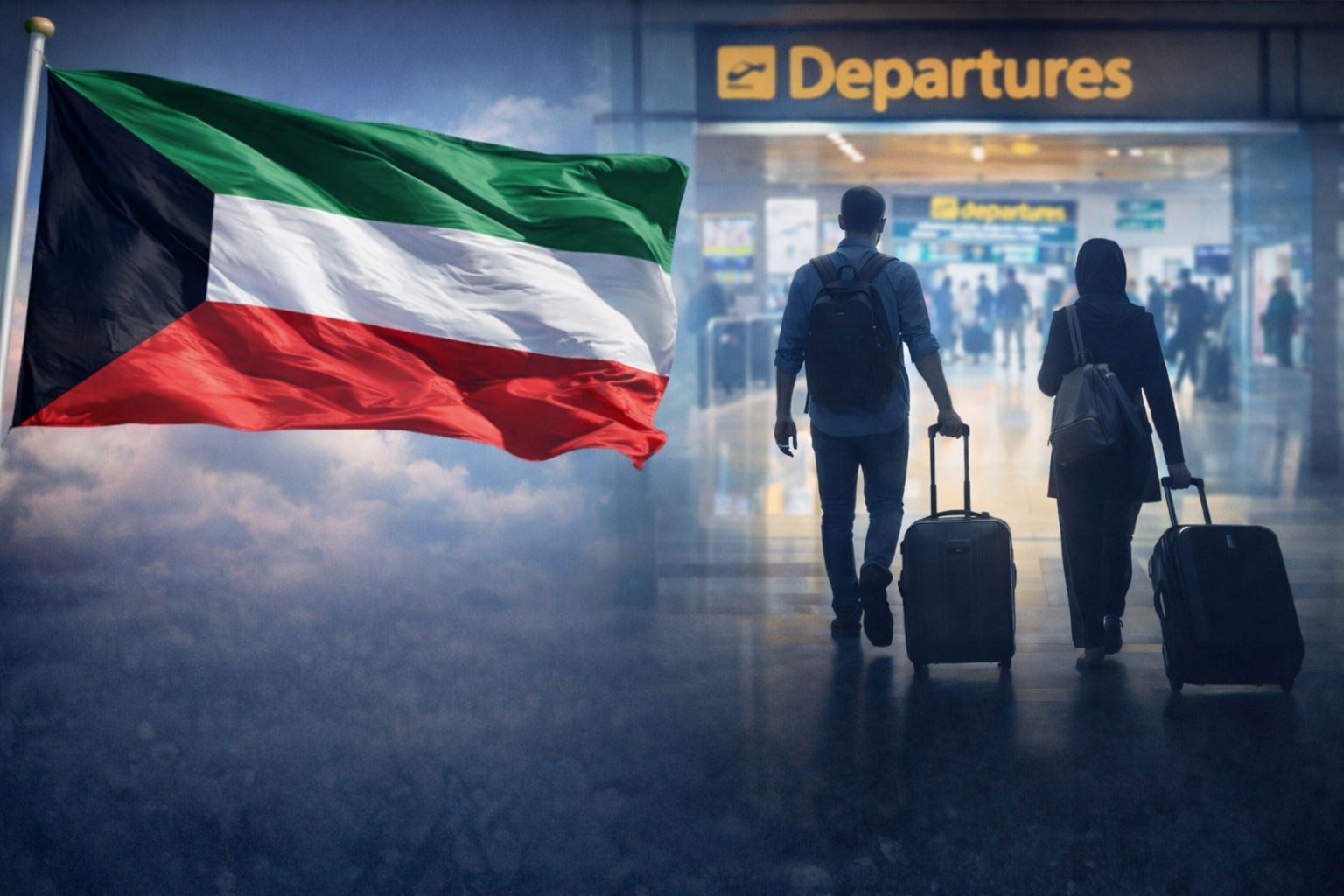
New Residency Rules: Kuwait Tightens Absence Limits for Foreign Residents
Kuwait has rolled out new residency regulations that restrict how long foreign residents can remain outside the country, marking a significant shift in its immigration oversight framework. Under the updated executive regulations of Kuwait’s residency law, expatriates will now be allowed to stay abroad for no more than six consecutive months without risking the loss of their residency status, according to Kuwait Ministry of Interior. The rule applies across most residency categories, with limited exemptions. The changes, reported by Gulf News, are aimed at tightening compliance, improving residency monitoring, and ensuring that foreign residents maintain an active presence in the country. Authorities have clarified that investors and property owners may be exempt from the six-month restriction, reflecting a more flexible approach toward long-term and economically significant residents. Separate Rules for Domestic Workers The revised regulations also introduce specific provisions for domestic workers under Article 20 of the residency law. Domestic staff will be permitted to remain outside Kuwait for a maximum of four months, unless their sponsor formally applies for and receives approval for extended leave. Officials say the differentiated framework is intended to balance stricter enforcement with practical flexibility, particularly for categories that require tailored arrangements. Stronger Oversight of Residency Status The Interior Ministry said the new system is designed to streamline residency management, curb prolonged absences, and prevent misuse of residence permits. By setting clear limits on time spent abroad, Kuwait aims to ensure that residency reflects genuine ties to the country rather than being used solely for long-term stay outside its borders. The policy is part of broader efforts by Kuwait to regulate immigration, manage demographics, and align residency practices with national priorities. Officials noted that while the rules introduce stricter controls, the government remains committed to maintaining reasonable flexibility for residents who contribute to the country’s economy and long-term development.

Why 2026 Is One of the Biggest Years in Global Sports
Sports fans enter 2026 with a packed global calendar that promises high stakes, fierce rivalries, and record-breaking audiences. From cricket to football, this year delivers events that already shape headlines and expectations. Cricket dominates the early months. The ICC Men’s T20 World Cup 2026, hosted jointly by India and Sri Lanka, stands as the biggest attraction. Teams have already begun preparing spin-heavy squads due to subcontinental conditions. For Pakistan, India, Australia, and England, this tournament carries more than silverware. It defines rankings, careers, and leadership futures. Football fans also look ahead to a decisive year. Qualification campaigns for the 2026 FIFA World Cup enter their final stages across continents. With the tournament expanding to 48 teams, several nations see a realistic path to qualification for the first time. This shift has already intensified competition in Asia and Africa. Women’s sports continue their strong rise. Major women’s cricket series, international football tournaments, and growing broadcast deals show a clear trend. In 2025, women’s sporting events consistently broke viewership records, and 2026 builds on that momentum with bigger sponsorships and wider coverage. Technology plays a visible role this year. Real-time analytics, AI-assisted umpiring reviews, and player load management systems now influence selection decisions. Teams rely less on instinct and more on data-driven strategies. Fans notice this shift through smarter broadcasts and deeper insights. Another major storyline involves athlete welfare. After several high-profile injuries and burnout cases in 2025, sports bodies introduced stricter workload rules. In 2026, player rest policies no longer feel optional. Administrators now treat them as performance necessities. Overall, 2026 feels less experimental and more decisive. Championships, rankings, and reputations all sit on the line. For fans, this year offers not just entertainment, but moments that shape sporting history.

Electric Rides & Hybrid Power: Pakistan’s 2026 Car Lineup Preview
As Pakistan’s auto market gears up for 2026, buyers have plenty to look forward to. According to a PakWheels preview of expected cars in Pakistan 2026, the coming year promises a broader range of vehicles — from electric crossovers to hybrid pickups and stylish city cars — giving buyers more choices than ever before. One of the biggest trends shaping 2026 is the rise of electric vehicles (EVs) and plug-in hybrids (PHEVs). The Zeekr 7X is scheduled to arrive early in the year, marking a major step for electric crossovers in Pakistan. Launched by Capital Smart Motors, this EV aims to combine modern design with performance, appealing to buyers seeking a greener ride. The market will also see luxury and tech-rich models like the Avatr 11, a high-end electric SUV with impressive range and cutting-edge features. PakWheels notes that such models are set to attract buyers looking for advanced comfort and long-distance EV capability. Hybrid powertrains are another focus for 2026. Vehicles like the Omoda C7 and Jaecoo J5 are expected to offer a mix of performance and efficiency, with hybrid systems that suit both city commuting and longer trips. Meanwhile, BYD Sealion 6 represents a blend of electric capability and petrol support, with technology that reduces range anxiety which is a key concern for many Pakistani buyers. For SUV fans, local assembly may bring exciting options at more affordable prices. Premium three-row SUVs like the Hyundai Palisade could find their way into showrooms with hybrid variants, expanding choices for families and adventure seekers. The coming year could also see comeback models, such as Suzuki Fronx potentially launching in the Pakistani market. On the practical side, affordable models like the Suzuki Alto 2026 continue to be popular among city drivers, balancing economy with everyday usability. Expected price ranges and updated features are already creating buzz among budget-conscious customers. Beyond individual models, industry watchers expect local assembly and EV production to grow. Notably, global EV maker BYD plans to start assembling vehicles in Pakistan by mid-2026, a development that could accelerate the adoption of electric cars locally. In all, 2026 looks like a pivotal year for Pakistan’s car market. With more green vehicles, hybrid tech, and varied choices across price points, buyers have reason to be excited about what’s coming to the road.
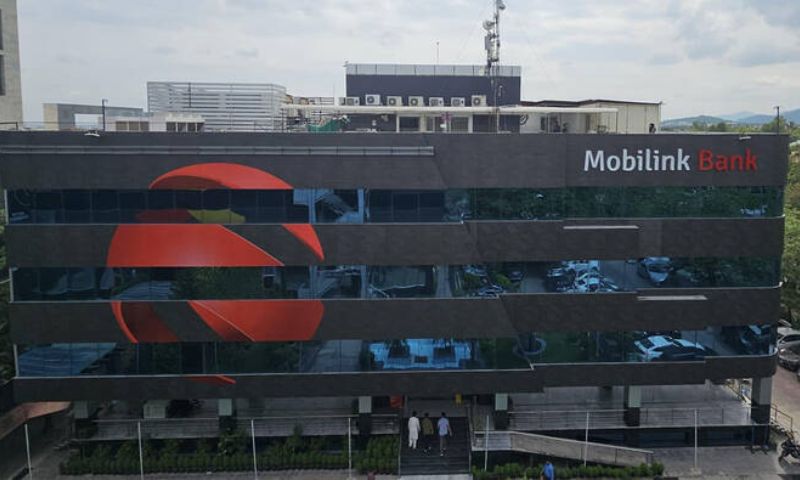
Mobilink Bank Gets Major Backing as VEON Drives Pakistan’s Fintech Growth
Global digital operator VEON Group has doubled down on its commitment to Pakistan’s digital banking future with a fresh $20 million investment in Mobilink Bank, aiming to accelerate the expansion of digital and Islamic banking across the country. This latest capital injection builds on a $15 million investment made in early 2025, demonstrating growing confidence in the bank’s growth and potential. Mobilink Bank, a subsidiary of VEON Group, is part of a broader digital financial ecosystem that includes JazzCash, one of Pakistan’s largest mobile financial services platforms with millions of customers and a nationwide agent network. Together, these units are helping reshape how Pakistanis access financial services — especially in underserved communities where traditional banking has limited reach. The new funds will be used to scale the bank’s micro, small and medium enterprise (MSME) financing portfolio and to expand its Shariah-compliant Islamic banking offerings. This focus on Islamic banking reflects strong local demand, following Mobilink Bank’s launch of dedicated Islamic banking services in late 2025 after receiving its licence from the State Bank of Pakistan. The bank has since opened its first Islamic banking branch in Karachi and plans further expansion nationwide. Mobilink Bank’s leadership says the investment will help more entrepreneurs and small business owners formalise their financial activities, move away from informal cash systems, and access regulated credit — a key factor in building economic resilience. The bank’s products also include women-centric financial services and green financing initiatives, which aim to support long-term growth while addressing climate and economic challenges. VEON’s investment comes at a time when Pakistan’s digital financial sector is gaining momentum. With rising smartphone use and mobile internet penetration, more people are turning to online financial solutions for payments, savings, and credit. JazzCash itself has processed transaction volumes in the trillions of rupees, underlining the scale and impact of fintech growth in Pakistan. Aamir Ibrahim, VEON Group Executive Committee Member and Chairman of Mobilink Bank, said the continuous flow of capital reflects long-term confidence in Pakistan’s digital finance ecosystem. He reaffirmed that the investment strengthens both infrastructure and strategic execution, enabling Mobilink Bank and JazzCash to deliver more inclusive, technology-driven financial solutions across the country. With this substantial backing, Mobilink Bank is poised to play a bigger role in Pakistan’s financial transformation, supporting small businesses, advancing financial inclusion, and cementing the country’s position in the rapidly evolving digital economy.
