

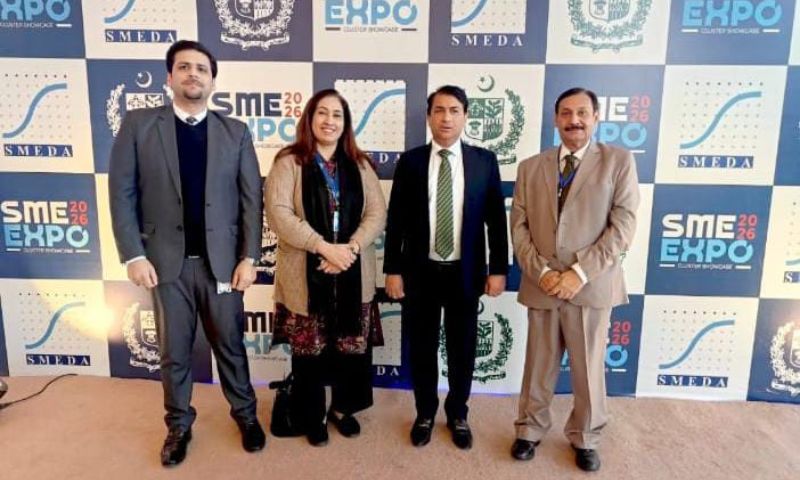
Khushhali Microfinance Bank Limited emerged as one of the standout exhibitors at the SME Made in Pakistan Cluster Showcase Expo 2026, presenting a comprehensive suite of small-business solutions tailored to the needs of Pakistan’s growing SME sector. The expo, organised by the Small and Medium Enterprise Development Authority (SMEDA), brought together leading institutions, platforms, and practitioners working to strengthen small and medium enterprises across the country. With a proven track record and a large, diverse SME client base, Khushhali Microfinance Bank drew significant attention for its Khushhali Karobari Loans portfolio. The programme is designed with multiple categories to address varying business sizes and operational requirements, making it accessible to entrepreneurs across rural, urban, and semi-urban markets. Speaking at the event, Saqib Hussain, Regional Business Head at Khushhali Microfinance Bank, emphasised the bank’s approach to SME financing. “At Khushhali Microfinance Bank, our foremost priority when it comes to SMEs is stability and growth derived with simple tools and methods that help business owners scale their enterprises without risking their assets.” The bank’s exhibit highlighted several flagship offerings within the Karobari Loans portfolio. These included the Running Finance Loan, positioned as a practical solution for day-to-day cash-flow management and working capital continuity; Commercial Vehicle Financing, aimed at enabling expansion through improved logistics, mobility, and distribution capacity; and the Solar Loan for Small Businesses, which supports cost efficiency, energy independence, and long-term operational sustainability. Visitors to the expo responded strongly to these solutions, noting their relevance to real-world SME challenges such as rising energy costs, supply-chain constraints, and limited access to flexible credit. The emphasis on practical financing tools reflected a broader shift in Pakistan’s SME ecosystem toward resilience, efficiency, and sustainable growth. Commenting on the portfolio’s impact, Sadaf Arshad Rana, Senior Area Manager at Khushhali Microfinance Bank, said: “Our Karobari Loans are a testament to our understanding and connection with our customers across a diverse demographic, delivering excellent results and secure growth options across various SME industries.” Pakistan’s SME sector contributes a significant share to employment and economic activity, yet access to tailored financial services remains a challenge for many entrepreneurs. Institutions like Khushhali Microfinance Bank play a critical role by offering niche products, advisory support, and financing models aligned with local business realities. By participating in the Made in Pakistan Cluster Showcase Expo 2026, Khushhali Microfinance Bank reinforced its position as a robust ally of the SME sector. Through continued innovation, targeted lending, and on-ground engagement, the bank aims to support sustainable enterprise growth and strengthen the backbone of Pakistan’s economy.
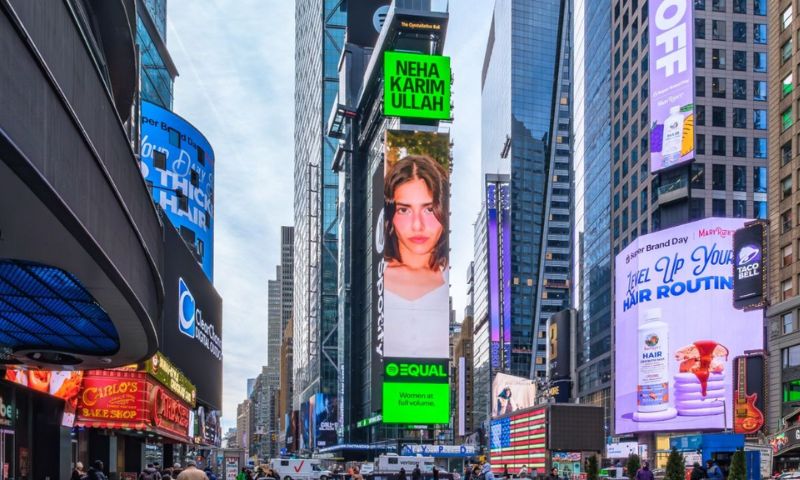
Neha Karim Ullah Lights Up Times Square as Spotify’s EQUAL Pakistan Ambassador
Neha Karim Ullah has reached a defining moment in her rising career after being named Spotify’s EQUAL Pakistan Ambassador for the first quarter of 2026. The announcement places the Karachi-based dance-pop artist on a global stage, with her image lighting up New York’s Times Square on January 22 and her music featured across multiple curated playlists on the platform. The recognition highlights Neha as one of Pakistan’s most promising contemporary voices, blending electronic dance production with emotionally rich storytelling. Her featured track, “Aao Toh Zara,” has emerged as a standout, resonating with listeners for its modern sound and heartfelt narrative. The song has helped expand her audience both within Pakistan and beyond its borders. Spotify data shows Neha’s listenership is growing steadily in the United States, the United Kingdom, Canada, Bangladesh, and the UAE, underlining her international appeal. The platform also reports strong engagement from millennials and Gen Z, who make up 85% of her audience, positioning her firmly within today’s youth-driven music culture. Her broader catalogue reflects notable versatility within the dance-pop genre. Tracks such as “Modern Day Witch Trial (MDWT)” and “Deewanay” lean into rhythmic, high-energy production, while songs like “Na Karoon” showcase a more introspective and reflective side. Together, her releases form a cohesive body of work defined by a distinct sonic identity and relatable themes. Reflecting on the milestone, Neha said: “Spotify EQUAL Pakistan is honestly one of the most incredible initiatives we have for women in music. It creates real visibility for women artists, gives our stories a platform, and celebrates our voices in a way that feels powerful and long overdue. Being part of an initiative that uplifts women, pushes representation forward, and inspires the next generation of girls to pick up a mic is truly special.” Spotify says Neha’s selection reflects its broader mission to support women artists at every stage of their journey. “Neha Karim Ullah is a fresh voice in Pakistan’s music landscape, bringing a diversity that feels both authentic and necessary,” said Rutaba Yaqub, Artist & Label Partnerships Manager at Spotify for Pakistan and UAE. “Through EQUAL Pakistan, we support women at every stage of their journey, and Neha’s feature reflects our commitment to amplifying emerging voices as they step onto the global stage.” The Spotify EQUAL program, launched globally to address gender disparity in music, aims to amplify women’s voices through editorial support, marketing visibility, and global discovery. Neha’s Times Square feature stands as a powerful symbol of how Pakistani talent is increasingly finding space on the world’s biggest platforms. Listeners can explore her music and discover other women artists from the country through Spotify’s EQUAL Pakistan playlist.
Can the ICC Sanction Pakistan if It Boycotts the T20 World Cup? What the Rules Actually Say
Speculation over Pakistan’s possible boycott of the ICC Men’s T20 World Cup has intensified after sections of Indian media claimed that the International Cricket Council (ICC) could impose severe and unprecedented sanctions on Pakistan if it withdraws from the tournament. However, a closer examination of ICC regulations and past precedents suggests that many of the reported threats may be overstated or legally unfounded. The debate escalated following public remarks by Pakistan Cricket Board (PCB) Chairman Mohsin Naqvi, who voiced support for Bangladesh after it refused to participate in the tournament citing security concerns and was subsequently replaced by Scotland. Indian media reports claimed that if Pakistan follows the same path, the ICC could respond with harsh punitive measures, including isolating Pakistan cricket internationally. Today, Naqvi also met Prime Minister Shehbaz Sharif and briefed him in detail on the ICC’s handling of Bangladesh’s case, as well as other related developments. According to Mohsin Naqvi it was agreed that any final decision from Pakistan regarding participation in the T20 World Cup would be taken after further consultations, with an announcement expected either on Friday or early next week. What Indian Media Claims According to unnamed sources quoted by Indian outlets, the ICC is allegedly prepared to impose “never-before” sanctions on Pakistan, including: Preventing foreign players from participating in the Pakistan Super League (PSL) Cutting ICC revenue allocations to the PCB Stripping the PSL of international recognition Excluding Pakistan from the Asia Cup Suspending bilateral series involving Pakistan These reports have framed the situation as an existential threat to Pakistan cricket. However, cricket governance experts argue that several of these claims do not align with how international cricket is actually governed. What the ICC Can — and Cannot — Do Under existing structures, the ICC does not issue No Objection Certificates (NOCs) for players to participate in domestic leagues such as the PSL. That authority lies entirely with players’ respective home boards. Similarly, the ICC does not control bilateral series schedules, which are mutually agreed upon by individual cricket boards. Nor does it govern the Asia Cup, which falls under the Asian Cricket Council (ACC) — currently chaired by the PCB itself. Therefore, claims that the ICC could unilaterally block the PSL, suspend bilateral cricket, or remove Pakistan from the Asia Cup are not supported by the governing framework of international cricket. Government Decisions and Established Precedents Crucially, if Pakistan’s participation is halted by the Government of Pakistan — rather than a unilateral PCB decision — the ICC’s scope for punitive action becomes extremely limited. Multiple precedents already exist where teams declined to tour certain countries based on government advice, without facing sanctions. India’s refusal to travel to Pakistan for several ICC and ACC events is one such example, including the adoption of neutral-venue or hybrid models that were approved by governing bodies. In Bangladesh’s case, their removal from the T20 World Cup stemmed from their refusal to play under the published schedule, despite ICC security assessments finding no specific threat. However, the ICC’s response was administrative — replacing the team — rather than punitive. Why Claims of “Automatic Sanctions” Are Misleading Experts note that portraying ICC sanctions as automatic or inevitable is misleading. The ICC’s primary enforcement mechanism is limited to tournament participation itself. Beyond that, its authority over domestic leagues, continental events, and bilateral cricket is constrained. As a result, assertions that Pakistan would face sweeping punishments across all formats and competitions lack legal grounding under current ICC rules. Pakistan’s Position PCB Chairman Mohsin Naqvi has reiterated that Pakistan will not take a unilateral decision, stressing that any call regarding World Cup participation will follow directives from the federal government. “Our stance will be what the government of Pakistan instructs me,” Naqvi said, adding that a final decision would be made after consultations at the highest level. While a Pakistan boycott of the T20 World Cup would undoubtedly carry political, commercial and sporting consequences, the narrative that the ICC can independently impose crippling sanctions across Pakistan cricket is not supported by existing regulations or historical precedent. Ultimately, any decision — whether to participate or withdraw — will likely hinge on government guidance, regional dynamics, and broader diplomatic considerations rather than fear of automatic ICC punishment.
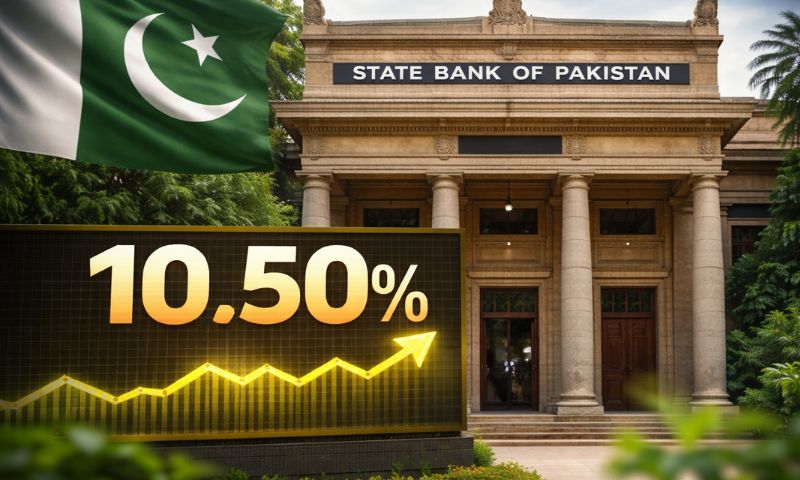
Pakistan’s Central Bank Keeps Key Interest Rate Unchanged Despite Inflation Ease
The State Bank of Pakistan (SBP) surprised markets by keeping its key policy interest rate unchanged at 10.50 percent in its first Monetary Policy Committee (MPC) meeting of 2026. The decision, announced on January 26, 2026, came despite widespread expectations that the central bank would cut rates to stimulate economic activity and lower borrowing costs. The MPC, chaired by SBP Governor Jameel Ahmad, reviewed recent economic data before maintaining the rate, noting that headline inflation stood at 5.6 percent year-on-year in December 2025, comfortably within the SBP’s target range of 5 to 7 percent. However, the committee also highlighted that core inflation remained elevated at around 7.4 percent, suggesting persistent price pressures in non-food sectors. Governor Ahmad said the MPC expected inflation and external accounts to remain broadly stable. He added that economic activity continues to gain pace, supported by stronger performance in large-scale manufacturing and domestic-oriented sectors. The SBP also pointed to resilient remittances and softer global commodity prices as factors that helped cushion economic pressures and keep the current account deficit relatively contained. Market analysts had widely anticipated a rate cut heading into the meeting. A recent survey by financial research firms showed that a significant portion of economists and traders expected the MPC to reduce the rate by between 25 and 100 basis points to further support growth and investment. Many believed that a rate reduction would reduce the cost of borrowing for businesses and consumers, providing momentum to sectors such as housing, manufacturing, and agriculture. Instead, the SBP decided to hold steady. Analysts said the unchanged policy rate reflected the MPC’s cautious outlook, focused on consolidating recent economic gains while guarding against upside inflation risk. Some observers pointed to the improvement in GDP growth projections — which analysts see trending toward the upper half of the government’s estimated 3.25–4.25 percent range for the fiscal year — as underpinning confidence in a stable monetary stance. The Monetary Policy Committee has decided to keep the policy rate unchanged at 10.5 percent in its meeting held on January 26, 2026. For details: https://t.co/IyaTFO6mbh#SBPMonetaryPolicy pic.twitter.com/bWLBgkRliZ — SBP (@StateBank_Pak) January 26, 2026 The SBP’s rate decision follows a surprise reduction of 50 basis points to 10.50 percent in December 2025, which marked the first cut after a long period of steady interest rates. Since mid-2024, the SBP has eased monetary policy significantly, trimming its policy rate from a peak of 22 percent as inflation pressures eased and macroeconomic stability improved. While the unchanged rate was a disappointment to some business groups and borrowers, many economists believe the decision strikes a balance between supporting growth and maintaining price stability. The SBP will review conditions again at its next MPC meeting, scheduled for March 9, 2026.
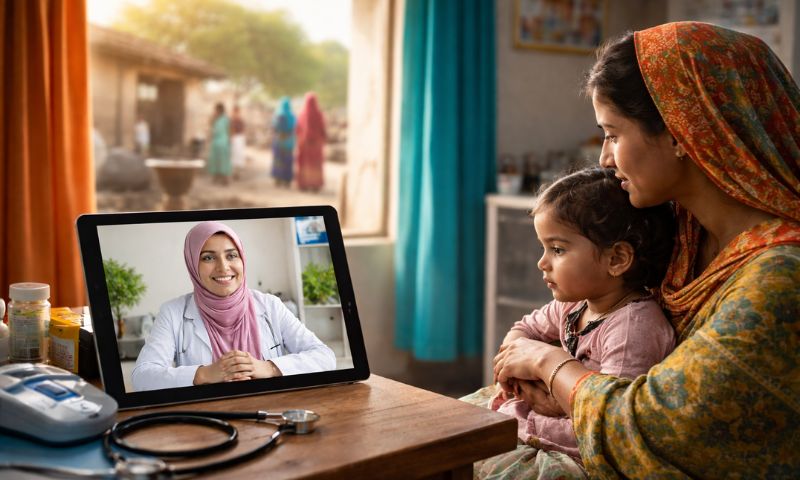
Sehat Kahani: How Pakistan’s Telemedicine Pioneer Is Rewriting Healthcare Access
Karachi-based Sehat Kahani is emerging as a leading force in Pakistan’s digital healthcare transformation. Founded in 2017 by medical doctors Dr. Sara Saeed Khurram and Dr. Iffat Zafar Aga, the telemedicine platform aims to democratize healthcare access across urban and rural communities. Its rapidly expanding network connects qualified doctors to patients through mobile, web, and e-clinic channels. Bridging Health Gaps Through Technology Sehat Kahani operates on a simple but powerful principle — make quality healthcare accessible, affordable, and inclusive for all. Through its digital platform, patients can consult doctors in less than 60 seconds via chat, audio, or video on the Sehat Kahani app. The service covers general health consultations, specialist referrals, e-prescriptions, home lab sample collection, and medicine delivery in select regions. The platform’s impact is especially notable in areas where access to healthcare has long been limited. Sehat Kahani has built E-Health clinics that offer nurse-facilitated telemedicine services in underserved communities. These clinics link local patients with licensed doctors through video consultations, reducing the need for long, costly journeys to distant hospitals. Empowering Doctors and Patients Alike A distinguishing feature of Sehat Kahani is its support for female medical professionals. In Pakistan, many trained female doctors are unable to practice due to cultural and social barriers. Sehat Kahani employs this vast, under-utilized talent pool, enabling doctors to consult from home and regain professional purpose. This model strengthens the healthcare workforce while offering patients access to experienced clinicians. Sehat Kahani’s network now includes thousands of healthcare professionals serving patients nationwide. According to development partners, the platform has reached more than one million patients through online consultations and e-clinics. Recognition and Growth Sehat Kahani has attracted international attention and funding. In late 2023 it closed a $2.7 million Series A round led by global investors including Amaanah Circle and supported by organizations like USAID and Epic Angels. This growth capital will help the startup expand advanced digital health features, launch predictive care tools, and broaden its global footprint. CEO Dr. Sara Saeed Khurram said, “This funding infusion marks a pivotal moment for Sehat Kahani. It will enable us to develop advanced features … to help our patients live fully by knowing their disease better.” Healthcare for a New Era Sehat Kahani’s rise reflects a broader shift in Pakistan’s healthcare landscape. By blending telemedicine, community outreach, and technology, the company is addressing deep-rooted access issues. Its model offers a scalable blueprint for other nations facing similar healthcare disparities. As Pakistan’s digital economy grows, Sehat Kahani stands at the forefront of an inclusive health revolution that puts care within reach for millions.
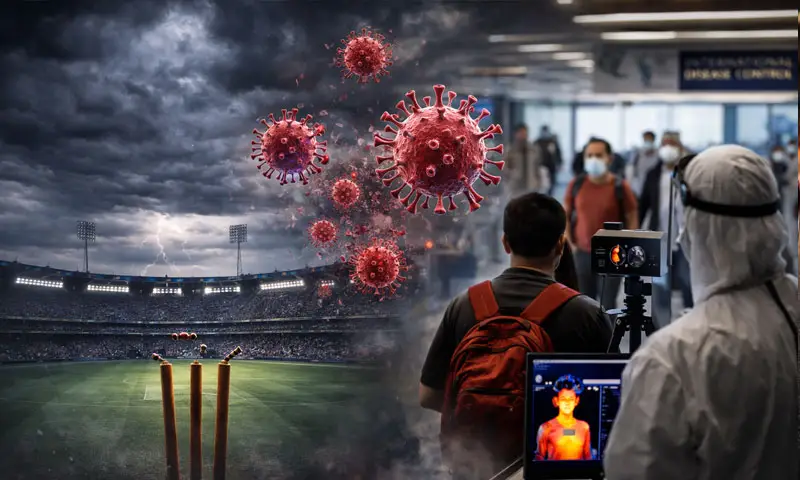
Deadly Virus Outbreak Puts T20 World Cup in India at Risk, Pakistan May Reconsider Participation
The ICC Men’s T20 World Cup 2026, scheduled to begin in India on February 7, is facing growing uncertainty after the emergence of a deadly Nipah virus outbreak in the country, raising serious concerns over player safety, travel, and tournament logistics. Health authorities in India have confirmed multiple cases of a new strain of the Nipah virus in West Bengal, a region close to Kolkata — one of the host cities for the upcoming World Cup. According to Indian media and health officials, at least five people have tested positive so far, including two nurses and a doctor, all reported to be in critical condition. More than 100 individuals have been placed under quarantine as surveillance and containment measures are intensified. The outbreak has triggered alarm beyond India’s borders. Several regional countries have stepped up health screening for travellers arriving from affected areas. Thailand has begun screening passengers from West Bengal at major airports including Suvarnabhumi, Don Mueang and Phuket, while China has included Nipah virus disease in its updated list of monitored infectious diseases alongside COVID-19 and HIV/AIDS. South Korea has already classified Nipah as a top-tier infectious disease requiring immediate reporting and isolation. Medical experts warn that the Nipah virus poses a significant threat due to its high fatality rate — estimated between 40 and 75 percent — and the absence of any proven treatment or vaccine. The virus, which spreads from bats to humans and can also transmit through close human contact, primarily attacks the brain and lungs, often leading to encephalitis and respiratory failure. According to the World Health Organization and regional disease control agencies, symptoms include fever, headaches, confusion, drowsiness and coma. While transmission is considered relatively limited compared to airborne viruses, health officials stress that hospital-based and household spread remains a serious risk. The outbreak comes at a sensitive time for international cricket. The World Cup has already been mired in controversy after Bangladesh refused to travel to India, citing security concerns. The ICC rejected Bangladesh’s request to relocate its matches to Sri Lanka and replaced them with Scotland — a decision that sparked debate across the cricketing world. The Pakistan Cricket Board later supported Bangladesh’s position, stating that Pakistan’s participation would be subject to approval from the Government of Pakistan. Sources have also indicated that Pakistan may reconsider playing matches in India if health and security risks escalate. With teams, officials, broadcasters and fans expected to travel from across the globe, experts caution that any further spread of the virus could complicate visa processing, travel arrangements, biosecurity protocols and emergency planning for the tournament. While Indian authorities have moved quickly to contain the outbreak, the situation remains fluid. The coming weeks are likely to be critical in determining whether the T20 World Cup can proceed as scheduled or whether contingency plans will need to be activated to safeguard participants and spectators.

GLi, VX, VXL & VXR – What Do These Car Variants Mean, and Which One Is Best?
When shopping for a car in Pakistan, India, or the broader South Asian and Middle Eastern markets, you’ll often see car variants labeled as VX, GLi, VXL, or VXR. These labels are not car models — they are trim levels, which indicate different feature sets and price points within the same car model. So, what do these letters stand for, and how do they affect your buying decision? What Is a Car Variant? A variant (also known as a trim level) defines what features, specifications, and equipment a particular version of a car includes. While the engine may remain the same across variants, things like infotainment systems, safety features, interior quality, and even wheel types can vary significantly. The Common Variants Explained VX – The Base Variant Features: Very basic. Typically includes: Manual windows, no ABS, no airbags, steel rims, basic dashboard. Target buyer: Budget-conscious users looking for a simple, no-frills driving experience. GLi – The Mid-Level Choice Features: Moderate comfort and safety. Typically includes: Power windows, ABS (Anti-lock Braking System), central locking, colored door handles, better upholstery. Popular in: Toyota Corolla and other mainstream sedans. Best for: Drivers wanting a balanced car with both performance and basic features. VXL – Comfort Upgrade Features: Comfort-oriented and semi-premium. Typically includes: Touchscreen infotainment system, fog lights, keyless entry, steering-mounted controls, enhanced interior finish. Best for: Buyers looking for daily comfort, convenience, and a modern interior. VXR – Top-of-the-Line Features: Fully loaded or sporty. Typically includes: Airbags, alloy wheels, reverse camera, climate control, chrome accents, power mirrors, automatic transmission (in some models). Seen in: Suzuki Alto VXR, Toyota Vitz VXR, etc. Best for: Users who want a fully-featured car with the latest tech and safety. Which Variant Is the Best? If budget allows, the VXR is generally the most complete package — offering both safety and modern features that are now expected in today’s cars. However, GLi and VXL remain the most popular choices due to their balance of price and features. Car variant labels like GLi, VX, VXL, and VXR help you understand what you’re paying for — and what you’re giving up. Before choosing, always compare the feature list carefully. Sometimes a higher variant offers significantly more value for a slightly higher cost. Whether you’re a first-time car buyer or upgrading your ride, knowing these differences can save you money — and get you the features you actually need.
From Yorkers to Mystery Spin: The Highest Wicket-Takers in T20 World Cup History
In a tournament built for sixes and superstars, the ICC Men’s T20 World Cup has repeatedly shown one constant: the teams that win big moments usually have bowlers who can take wickets under pressure. And no one has done it more often than Bangladesh all-rounder Shakib Al Hasan, who sits at the top of the all-time wicket-taking list. Shakib became the first bowler to reach 50 wickets in Men’s T20 World Cup history when he dismissed India captain Rohit Sharma during the Super Eight match at the 2024 tournament. The ICC match report described it as Shakib’s 50th T20 World Cup wicket, a milestone that underlines how long he has remained effective across different conditions and eras. What makes Shakib’s record stand out is the type of wickets he takes. He has often struck in the middle overs, breaking partnerships and forcing batters to take risks against the spinners at a time when teams try to “stabilise” an innings. That ability to flip momentum is exactly what wins World Cup games—especially on surfaces where grip, pace changes and accuracy matter more than raw speed. The leaders at the top: wicket-takers who shaped tournaments The list behind Shakib includes several specialists whose spells became part of T20 World Cup folklore. Shahid Afridi (Pakistan) – long celebrated as a match-winner with the ball as much as the bat, Afridi is one of the tournament’s most prolific wicket-takers. The ICC previously highlighted him among the tournament’s “leading lights,” crediting him with 39 wickets in the competition. Lasith Malinga (Sri Lanka) – the original T20 death-overs icon. Malinga’s yorkers and dipping slower balls made him a nightmare in knockout cricket, and he remains among the top wicket-takers historically. The ICC’s tournament stats have listed him among the leaders with 38 wickets. Saeed Ajmal (Pakistan) – in his peak years, Ajmal’s control and variations turned powerplays and middle overs into wicket opportunities. He is also listed among the top wicket-takers in ICC’s historical tournament numbers. Why wickets matter more than ever in modern T20 World Cups T20 batting has evolved fast: deeper line-ups, higher strike rates, and more “all-out attack” even in the powerplay. That makes wicket-taking bowling even more valuable. A team can survive an expensive over; it struggles to survive losing key batters at the wrong time. That is also why upcoming tournaments often see teams investing in: powerplay wicket-takers (swing/seam, hard lengths, new-ball pace), and middle-overs strike spinners (who don’t just “contain,” but actually remove set batters). As venues and pitches change from match to match, the bowlers who adapt—mixing pace, angle, length and variations—are usually the ones who climb these all-time lists.
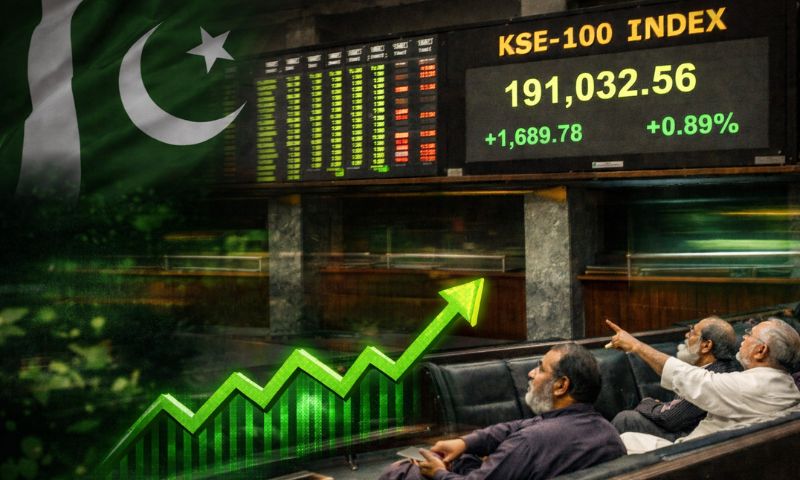
KSE-100 Breaks Record Above 191,000 as Pakistan Stocks Rally on Rate-Cut Hopes
The Pakistan Stock Exchange (PSX) hit a historic milestone on January 26, 2026, as the benchmark KSE-100 Index crossed the 191,000 mark for the first time ever, driven by strong investor optimism ahead of an anticipated policy rate cut by the State Bank of Pakistan Monetary Policy Committee (MPC) meeting scheduled for later that day. The surge reflected renewed confidence in Pakistan’s financial markets after a prolonged period of volatility. By mid-morning trading, the KSE-100 Index was hovering around 190,836.78 points, up 1,669.96 points or 0.88 percent from the previous session, before exceeding 191,000 levels as buying interest deepened. Investors bought heavily across key sectors, with automobile assemblers, cement, fertiliser, oil and gas exploration, and power generation companies leading gains. Large-cap stocks including ARL, HUBCO, MARI, OGDC, FFC, HBL and MCB traded with positive momentum. The market rally has been underpinned by expectations that the MPC will announce another substantial cut in the policy rate — possibly between 50 to 100 basis points — aiming to reduce borrowing costs, stimulate economic activity, and sustain macroeconomic recovery. In its prior meeting on December 15, 2025, the MPC surprised markets by cutting the policy rate by 50 bps to 10.50 percent after inflation remained within the targeted 5–7 percent range. Analysts and fund managers say the anticipated rate cut has boosted sentiment, particularly after recent government treasury bill and Pakistan Investment Bond auctions showed lower yields and the overall economy appeared to gain stability. Domestic and foreign investors are positioning portfolios ahead of the MPC announcement, hoping lower interest rates will enhance returns from equities relative to fixed-income instruments. The strong run for Pakistan equities did not start overnight. In recent weeks, the benchmark index repeatedly breached previous all-time highs. It first crossed the 188,000 mark in mid-January and later climbed above 189,000, driven by broader macroeconomic optimism, improved corporate earnings outlooks, and geopolitical easing. Market watchers also point to an improved external environment, easing inflation pressures, and a softer currency backdrop as supporting factors. According to some brokerage reports, if current trends continue, analysts have speculated that the KSE-100 could eventually approach 200,000 points by the end of 2026, supported by stronger economic fundamentals and sustained inflows. Despite these gains, not all economic indicators are rosy. Experts suggest Pakistan may fall short of the International Monetary Fund’s 3.2 percent GDP growth projection for the fiscal year, with exports and investment growth lagging expectations, underscoring ongoing structural challenges. As the day’s trading unfolds and the MPC decision nears, investors remain hopeful that further monetary easing will reinforce the bullish trend, making 2026 one of the most memorable years for Pakistan’s capital markets.
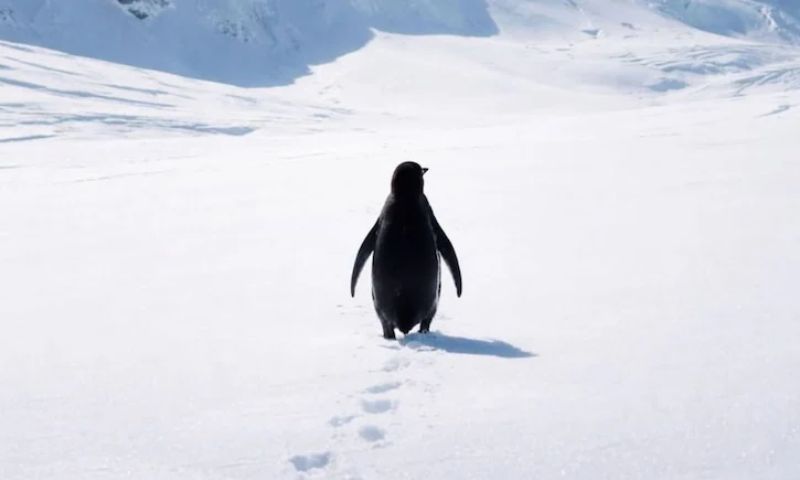
Why the “Nihilist Penguin” From a 2007 Documentary Is Going Viral in 2026
A haunting clip of a lone penguin trudging across Antarctica has unexpectedly become one of the biggest viral phenomena of 2026. The brief footage, now dubbed the “Nihilist Penguin,” shows a solitary Adélie penguin walking away from its colony toward distant icy mountains, and has captured the internet’s imagination on platforms like TikTok, Instagram, X, and Reddit. What began as a nearly 20-year-old documentary scene has turned into a powerful cultural symbol for many online — blending humour, philosophy, and existential reflection in equal measure. View this post on Instagram A post shared by @reels.olizzzz The clip’s origin lies in Encounters at the End of the World, a 2007 documentary by acclaimed filmmaker Werner Herzog. The film explores the strange beauty and harsh realities of Antarctica, highlighting both its people and wildlife. In one memorable scene, Herzog’s camera follows a penguin that appears to break from its group and head inland — away from the sea, food, and survival — toward the barren landscape. Although penguins do occasionally wander out of their natural path due to disorientation, illness, or navigational errors, scientists say this behaviour is rare and not usually purposeful. In the context of animal behaviour, the inland walk isn’t a philosophical choice but an anomaly that may reflect stress, confusion, or disruption during the breeding season. View this post on Instagram A post shared by surgemotions™ (@surgemotions) However, the internet has reinterpreted the footage in a distinctly human way. Social media users have shared the clip with captions about burnout, emotional detachment, and existential fatigue, reflecting the mood of audiences who feel overwhelmed by modern life or stuck in routine. Many see in the penguin’s slow march a metaphor for walking away from expectations or simply being “done” with daily pressures. The nickname “Nihilist Penguin” quickly took hold as users attached meaning far beyond the animal’s actual behaviour. The meme has sparked countless remixes, edits, and meme formats, often paired with reflective or humorous text. Some have even generated political spin, as when US President Donald Trump posted an AI-generated image featuring the penguin with the caption “embrace the penguin,” prompting both amusement and ridicule online. In addition to humour and political overtones, the clip has triggered more serious conversation about how people process stress, isolation, and societal pressures. For some, the penguin’s quiet walk offers a mirror for their own struggles; for others, it’s a curious window into how digital culture can redefine meaning. Whether interpreted as a meme, a metaphor for modern life, or a reminder of nature’s unpredictability, the “Nihilist Penguin” shows how an unexpected moment in a documentary can become a shared global story in the age of social media.
