

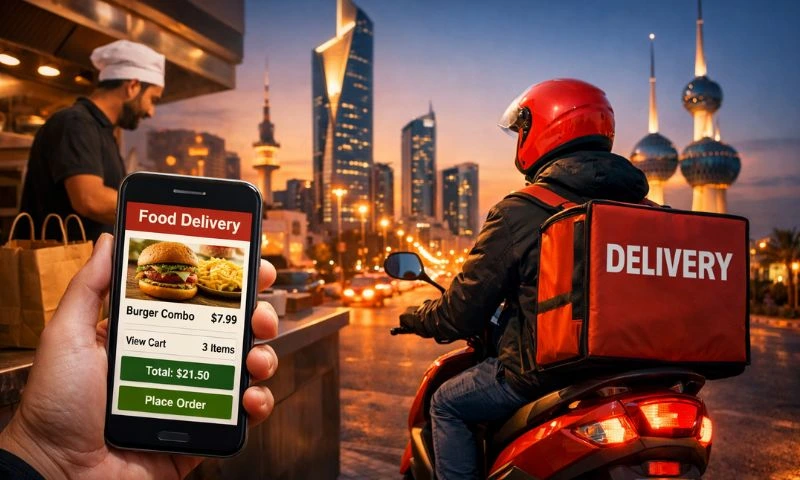
Kuwait has taken a major step to regulate its fast-growing food delivery market by freezing platform fees and commissions for a period of three years. The decision, announced by the Ministry of Commerce and Industry, marks one of the most comprehensive digital economy reforms in the Gulf region and aims to protect both restaurants and consumers from opaque pricing and unfair market tactics. The new regulation, issued through Ministerial Resolution No. 10/2026, requires food delivery platforms to fix their fees and commission structures for the next three years. Platforms must submit their 2026 fee schedules to the ministry within one month of the regulation’s issuance, and they cannot collect any charges outside the approved framework. Authorities say the move follows extensive monitoring and economic analysis that revealed monopolistic practices and unfair tactics by some delivery platforms. These included unjustified increases in commission rates, forced exclusivity agreements, lack of transparency in pricing, and discriminatory digital mechanisms that compromised fair visibility for restaurant partners. Under the reform, delivery companies must adopt a unified annual service framework approved by the ministry. This framework will set maximum limits on fees, detail calculation methods, and outline all charges clearly. Collection of any fees or offering of discounts outside the approved plan is strictly prohibited, and parallel side agreements will be nullified. The regulations also ban the use of discriminatory algorithms and unequal preferential treatment among customers within the same category. Platforms must document all fees in formal contracts and refrain from changing prices before the year ends. Any fees not explicitly listed will be considered legally invalid. Another significant aspect of the reform is that restaurants and food outlets will have the right to access their operational data free of charge, giving them greater control and transparency in their dealings with delivery services. They also retain the freedom to contract with multiple platforms simultaneously, reducing dependency on a single app or service. Consumer protections are central to the new rules. Platforms must ensure full price transparency before order completion, ban hidden charges, and provide unified pricing so customers never pay more than the in-store rates. The framework also defines clear mechanisms for complaints, refunds, and cancellations, with well-defined responsibilities for each party involved in a transaction. Officials describe the decision as the first legally binding Gulf regulation of its kind, positioning Kuwait as a regional leader in regulating digital marketplaces such as food delivery apps. Penalties for non-compliance include warnings, closure orders, and even license revocation. The ministry says the reforms will not only protect consumers and small businesses but also enhance investment attractiveness, strengthen market confidence, and support long-term sustainability for both platforms and partners

Chery Tiggo 8 PHEV Price Rises After Introductory Offer Ends in Pakistan
Chery Pakistan has officially raised the price of its locally assembled Chery Tiggo 8 PHEV after the introductory pricing period ended on February 1, 2026. The plug-in hybrid SUV, which had captured attention as one of the first electrified seven-seat vehicles in the country, was originally offered at a special pre-registration price of PKR 10,999,000 (around $24,000) that was valid only until the end of January. With that offer now over, the new price is expected to be higher, though the company has not publicly announced the exact updated figure. The Chery Tiggo 8 PHEV debuted in Pakistan amid growing interest in hybrid and electrified SUVs that combine performance with improved fuel efficiency. It competes in the premium SUV segment, offering family-friendly features and advanced drivetrain technology. At launch, buyers could place bookings with an initial amount of PKR 5 million, with deliveries scheduled to begin in April 2026. The vehicle’s initial price positioned it as a competitive choice against other hybrid SUVs in the local market. Under the hood, the Tiggo 8 PHEV blends a 1.5-liter turbocharged petrol engine with an 18.3 kWh battery and dual electric motors. This combination delivers robust power and torque, making the SUV both efficient and capable on highways and city roads alike. The system enables an EV-only range of around 77 km, with a total combined range exceeding 1,000 km on a full charge and tank. Inside, the SUV features a luxury-oriented interior with modern technology such as a 15.6-inch 2.5K infotainment display, Sony 12-speaker audio system, panoramic sunroof, and multiple driver-assist systems including adaptive lighting and safety sensors. A 360-degree camera, wireless charger, and ambient lighting add to the premium experience. Safety is also a strong point for the Tiggo 8 PHEV, which comes equipped with 10 airbags, ADAS (Advanced Driver Assistance Systems), and structural enhancements aimed at protecting occupants in a range of conditions. Industry watchers say the price adjustment reflects both the end of an introductory incentive and broader market dynamics that are affecting hybrid and EV pricing in Pakistan. As more global and local brands introduce electrified models, competitive pricing remains key to attracting buyers in the SUV segment. The Tiggo 8 PHEV’s arrival also marks a milestone for Chery’s expansion in Pakistan. The brand has already showcased other plug-in models including the Tiggo 7 and Tiggo 9 PHEVs, indicating a broader push toward electrification in the country’s automotive market. As customers wait for updated pricing and availability at dealerships, the Tiggo 8 PHEV continues to generate interest for its blend of technology, space, and hybrid performance.
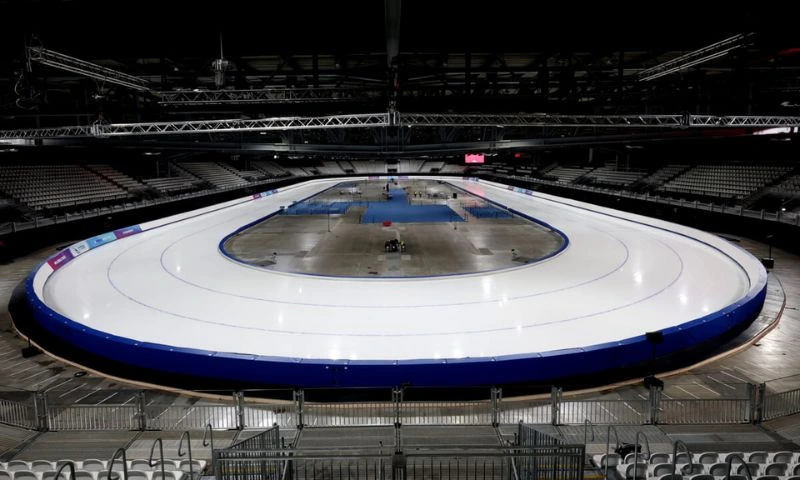
Italy Unveils Breathtaking Olympic Venues for Milan-Cortina 2026 Winter Games
As the 2026 Winter Olympics draw near, Milan and Cortina d’Ampezzo are gearing up to host one of Italy’s most ambitious sporting events ever. The Winter Games will be held from February 6 to 22, 2026, and feature a wide range of winter sports staged across spectacular Italian venues that blend historic tradition with modern design. The Games mark a unique moment in Olympic history. For the first time, events will be heavily dispersed across multiple clusters, spreading over more than 22,000 square kilometers across northern Italy rather than concentrated in one urban hub. Athletes and fans will travel between Milan, Cortina d’Ampezzo, Livigno, Bormio, Anterselva, Predazzo, and even Verona, offering diverse landscapes from alpine peaks to urban arenas. Key Venues That Will Steal the Show In Milan, the action begins with the iconic San Siro Stadium, which will host the opening ceremony. It’s a historic choice since the venue traditionally hosts football matches and concerts. Ice sports such as figure skating and ice hockey will take place in state-of-the-art arenas including the new PalaItalia Santa Giulia and the Milano Ice Park, all part of Milan’s sprawling Santa Giulia district redevelopment. Meanwhile, the Cortina cluster—with its legendary alpine slopes—will showcase classic snow sports. The Tofane Alpine Skiing Centre will host high-speed downhill competitions, while the newly completed Cortina Sliding Centre will stage bobsleigh, skeleton, and luge events at a world-class track built for these Games. Northern Italy’s Valtellina and Livigno clusters add to the excitement with freestyle skiing, snowboarding, and ski mountaineering in rugged alpine settings that have long attracted winter sports enthusiasts. These venues reflect Italy’s commitment to both tradition and innovation. The Olympics will also stage its closing ceremony in the ancient Verona Arena, a Roman amphitheater that has stood for nearly two millennia. Renovations ahead of the Games aim to enhance accessibility while preserving the site’s historic grandeur. Beyond Competition: Legacy and Tourism The Games are expected to bring long-term benefits to Italy’s tourism and infrastructure. Towns like Cortina d’Ampezzo anticipate a surge in visitors, echoing the boost they experienced after hosting the Winter Olympics in 1956. Updated facilities and new venues aim not only to impress during the two weeks of competition but to sustain winter sports tourism for years to come. From bustling Milan arenas to alpine stages framed by the Dolomites, the 2026 Winter Olympics will showcase Italian venues that reflect the nation’s cultural richness and sporting spirit. Fans from around the world will witness thrilling competition across some of Europe’s most breathtaking landscapes.
Trump Demands $1 Billion From Harvard in High-Stakes Legal Clash
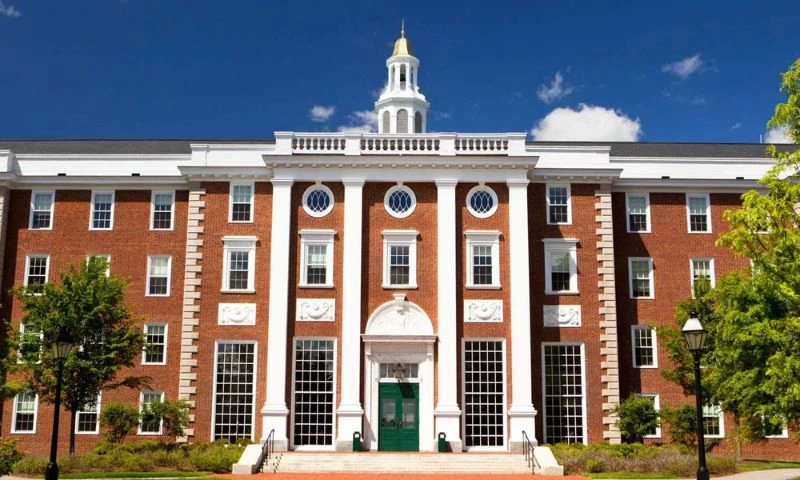
U.S. President Donald Trump has taken his long-running conflict with Harvard University to a new level by demanding $1 billion in damages from the elite Ivy League school. The move, announced late Monday via Trump’s social platform Truth Social, comes amid unresolved disputes over federal investigations into Harvard’s campus policies and how the university handled protests and antisemitism concerns. In a blunt message to the public, Trump wrote, “We are now seeking One Billion Dollars in damages, and want nothing further to do, into the future, with Harvard University.” He accused the university of spreading “nonsense” to the media and being “strongly antisemitic.” The claims follow months of talks between Harvard administrators and Trump officials. Early in negotiations, the two sides reportedly discussed a settlement involving as much as $500 million, but no deal was reached. Trump later rejected reports that the administration had dropped its demand for a cash payment, saying reports to that effect were inaccurate and reaffirming that the government seeks $1 billion. The dispute stems from federal investigations into Harvard and several other universities. Trump’s administration has criticized these institutions for their handling of pro-Palestinian protests, diversity policies, and what it describes as insufficient protection for Jewish students during demonstrations. Trump and senior officials also argue that some campuses tolerate what they see as extremist rhetoric. Harvard has denied wrongdoing and filed lawsuits against the federal government. In one significant legal victory, a judge ruled that the Trump administration unlawfully froze more than $2 billion in federal research funding for the university, finding that the government violated Harvard’s free-speech rights. That ruling was later appealed. The legal clash has broader implications for academic freedom and university autonomy, with critics saying the government is conflating political dissent with antisemitism. Rights advocates and academic groups have warned that aggressive government action could chill free speech on campus and undermine independent governance. Some other top institutions, such as Columbia University and Brown University, have reached settlements with the administration to avoid similar conflicts. Columbia agreed to pay more than $220 million, and Brown agreed to pay $50 million and support workforce development, illustrating different approaches Ivy League schools have taken in dealing with federal pressure. Harvard, headquartered in Cambridge, Massachusetts, has not immediately responded to Trump’s latest announcement. University officials have previously said they remain committed to defending academic freedom, diversity, and inclusivity while addressing campus concerns. The push for $1 billion marks an escalation in a dispute that has spanned more than a year, involving legal actions, funding freezes, campus protests, and national debates over free speech and institutional autonomy.
Pakistan’s Literacy Crisis: Why Ranking Last in South Asia Is a Serious Warning
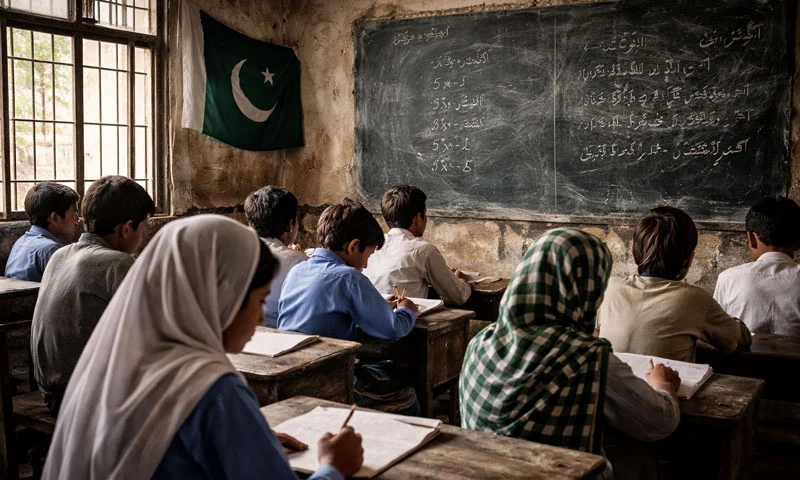
Pakistan continues to rank lowest in South Asia in literacy, a position that education experts warn could have serious long-term consequences for the country’s economy, governance, and social cohesion. According to a recent assessment by the Free and Fair Election Network (FAFEN) based on official government data, Pakistan’s literacy rate stands at 63 percent, despite modest gains over the past six years. The figures show only a marginal improvement from 60 percent in 2018–19, highlighting what FAFEN describes as slow and insufficient progress for a country with a population exceeding 240 million. In contrast, neighbouring South Asian countries have moved faster: Maldives reports literacy above 98 percent, Sri Lanka 93 percent, India 87 percent, and Bangladesh 79 percent. Gender and Regional Disparities Widen the Gap The literacy crisis is compounded by deep gender and provincial divides. While 73 percent of men in Pakistan are literate, the figure drops to 54 percent for women, underscoring persistent barriers to girls’ education. Regional inequalities are equally stark, with Punjab recording a literacy rate of 68 percent, while Balochistan lags at 49 percent, according to FAFEN’s review of Pakistan Social and Living Standards Measurement (PSLM) data. Although literacy among youth aged 15–24 has reached 77 percent, adult literacy remains largely stagnant. Experts caution that this imbalance limits workforce productivity and weakens Pakistan’s ability to transition toward a knowledge-based and digital economy. Why Experts Are Alarmed Education specialists say low literacy directly affects democratic participation, economic growth, and social mobility. Mudassar Rizvi, Secretary-General of FAFEN, warned that stagnant literacy levels pose a structural threat to Pakistan’s future. “Persistent low literacy undermines informed civic participation, limits economic opportunity, and weakens democratic accountability,” Rizvi has stated while discussing FAFEN’s findings. Pakistan’s constitution, under Article 25-A, guarantees free and compulsory education for children aged five to sixteen. The country is also a signatory to the UN Sustainable Development Goals, which commit it to achieving universal literacy and quality education by 2030 — targets experts say now appear increasingly difficult to meet. What the Government Can Do Education policy experts stress that improvement requires consistent political commitment, not short-term programmes. Priorities include increasing public education spending, improving teacher recruitment and training, addressing out-of-school children, and expanding adult literacy initiatives, particularly for women. Experts also emphasize better coordination between federal and provincial governments to ensure education reforms are implemented uniformly, rather than remaining policy statements on paper. A Development Crossroads Pakistan’s literacy challenge is more than an education issue — it is a national development emergency. Without faster progress, millions will remain excluded from economic opportunity, limiting Pakistan’s competitiveness in the region and beyond.
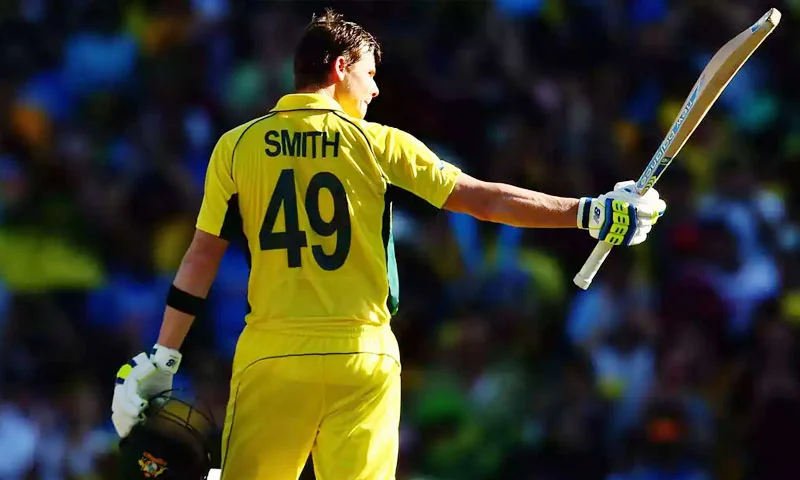
Game-Changer for PSL 11: Steve Smith Joins Sialkot Stallionz in Landmark Deal
In one of the most eye-catching moves ahead of the 2026 Pakistan Super League (PSL 11), the newly established Sialkot Stallionz franchise has secured former Australian captain Steve Smith in a major direct signing, promising to boost excitement among fans and add star power to Pakistan’s premier Twenty20 event. The announcement was made via the Stallionz’s official social media channels on February 3, 2026, confirming that Smith will join their squad for the upcoming tournament, scheduled to run from March 26 to May 3, 2026. Smith’s acquisition is permitted under the new PSL XI model, which allows each franchise one direct signing of a foreign player who has not featured in the league’s previous edition. A Globally Recognised Star Smith is one of the most accomplished batters of his generation across formats and has enjoyed a storied career in international and franchise cricket. In domestic and global T20 leagues, he has played 272 matches, scoring 6,242 runs at a strike rate of 131.38, including 30 half-centuries and five centuries. His recent performance in the Big Bash League (BBL 15) for the Sydney Sixers was outstanding, with 299 runs in six matches at a strike rate of 167.97, highlighted by a century and two fifties. Smith’s experience spans top leagues around the world such as Australia’s BBL, The Hundred in England, the Indian Premier League (IPL), Bangladesh Premier League (BPL) and Caribbean Premier League (CPL), making him a proven performer in high-pressure T20 environments. 𝐎𝐧𝐞 𝐨𝐟 𝐭𝐡𝐞 𝐁𝐢𝐠𝐠𝐞𝐬𝐭 𝐒𝐢𝐠𝐧𝐢𝐧𝐠 𝐢𝐧 𝐏𝐒𝐋 𝐇𝐢𝐬𝐭𝐨𝐫𝐲: A game changer, powerhouse player, we welcome 𝐒𝐭𝐞𝐯𝐞 𝐒𝐦𝐢𝐭𝐡 on board as a Stallion! 🐎SS x SS – Lets goooooo🔥#SialkotStaliionz #HBLPSL #NewEra pic.twitter.com/OmMNJXBxVA— Sialkot Stallionz (@PSLStallionz) February 3, 2026 New Franchise, Big Ambitions The signing is a statement of intent by the Stallionz, who joined the PSL as part of a historic expansion that increased the league to eight teams for the first time. The team was acquired by OZ Developers at a high-profile auction for Rs1.85 billion ($6.55 million) and will play its home matches at Iqbal Stadium, Faisalabad. Former Australian wicketkeeper-batter Tim Paine has also been appointed as the Stallionz’s head coach, bringing additional leadership and tactical insight to the new franchise’s inaugural campaign. Paine’s coaching role follows a distinguished playing career and a growing resume as a mentor in domestic and international cricket circles. PSL’s Evolving Landscape The Sialkot Stallionz will participate in the eleventh edition of the PSL, which will be run under a revamped structure that includes a player auction for the first time in league history, adding more strategic depth to squad assembly and fan engagement. The auction is scheduled for February 11, 2026, where franchises will bid for their remaining squad members. With Steve Smith on board and a strong coaching set-up, Sialkot Stallionz are poised to make a significant impact in PSL 11’s expanded competitive field. Fans and analysts alike are watching keenly to see how the Australian star’s presence shapes the team’s fortunes in Pakistan’s marquee T20 tournament.
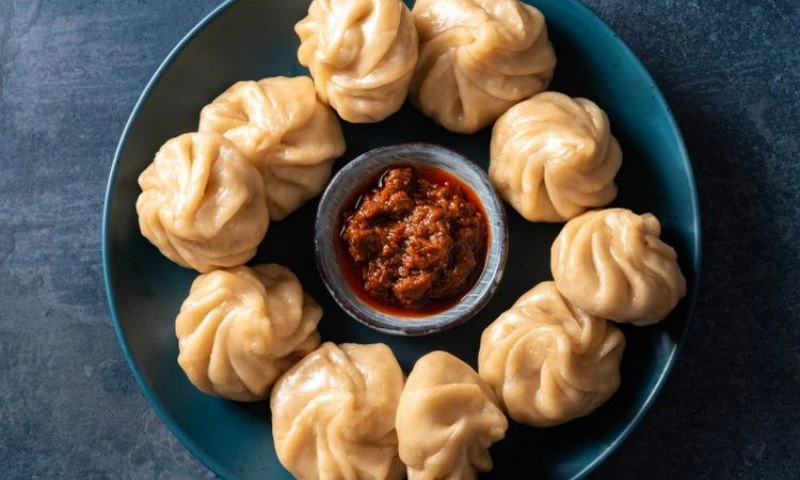
Free Momos Cost a Family Over $100,000 in Jewellery in Shocking UP Case
A bizarre and disturbing incident from Deoria district in India’s Uttar Pradesh has shocked the country after a family lost jewellery worth more than $100,000 when their young son was allegedly manipulated into exchanging it for free momos. According to police and family statements, the case involves a Class 7 student who became a regular customer at a momo stall near Dumri Chauraha on the Deoria–Kasya road. What began as a harmless love for street food reportedly turned into a carefully planned scam. The incident surfaced when relatives asked for jewellery kept in the family’s cupboard and found it missing. When questioned, the boy reportedly revealed that he had handed over all the ornaments to momo vendors in return for free food. The boy’s father, Vimlesh Mishra, a temple priest originally from Varanasi, told police that his son is extremely fond of momos and was gradually lured by the vendors. The men allegedly built trust by offering free food before persuading the child to bring valuables from home. Investigators say three youths running the momo stall befriended the boy and repeatedly convinced him to bring jewellery, claiming it would cover the cost of unlimited momos. Over several days, the child allegedly removed gold ornaments belonging to multiple family members and handed them over without understanding their value. The total value of the missing jewellery is estimated at approximately $102,000, making the case one of the most unusual fraud incidents involving a minor in the region. The scale of the loss has drawn widespread attention and disbelief. Following the discovery, Mishra lodged a formal complaint at Rampur Karkhana police station. Police have registered a case and launched an investigation into cheating and exploitation of a minor. Two suspects have been taken into custody for questioning, while efforts are underway to locate the third accused. Officials say they are reviewing CCTV footage from nearby areas and recording statements from witnesses to establish how the vendors repeatedly approached the boy. Officers are also working to recover the stolen jewellery. The case has triggered a wider debate across India on child safety and parental awareness. Authorities have urged parents to educate children about interacting with strangers, even in familiar neighbourhoods, and to keep valuables securely stored.
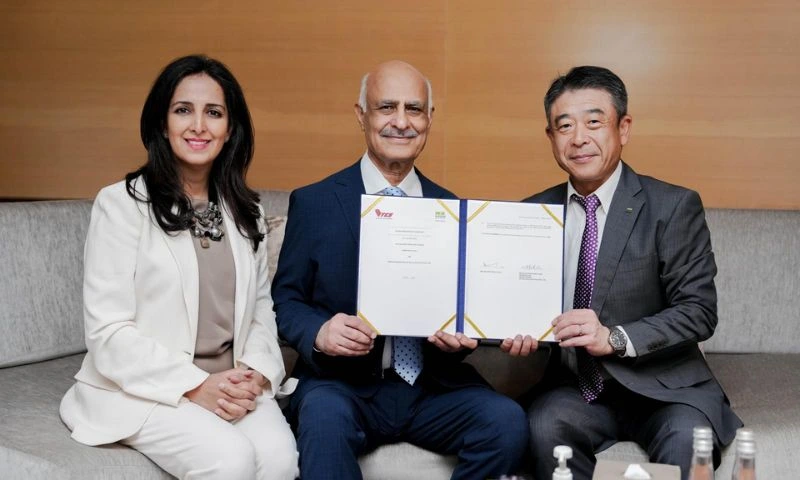
TCS and Nippon Express Partnership: A Game-Changer for Pakistan’s Logistics Sector
Pakistan’s logistics landscape is poised for a major upgrade as TCS Group, one of the country’s most established logistics conglomerates, has announced a strategic partnership with Nippon Express (South Asia & Oceania) Pte. Ltd., a subsidiary of Japan’s global logistics giant Nippon Express Holdings, Inc. Under the agreement, the Nippon Express Group has acquired a minority stake in TCS Logistics (Private) Limited, marking a significant foreign investment in Pakistan’s supply chain sector. The transaction received regulatory approval from the Competition Commission of Pakistan (CCP) last year after a detailed review under the Competition Act, 2010. The regulator concluded that the stake acquisition would not weaken market competition and could drive efficiency gains by bringing international logistics expertise into Pakistan. TCS Group President Saira Awan Malik described the partnership as a “landmark moment” for both TCS and Pakistan’s logistics ecosystem. She said the deal reflects “international confidence in Pakistan’s market fundamentals” and expressed optimism that it will enhance the company’s ability to supply world-class logistics solutions connecting local businesses with global opportunities. Founded in 1983, TCS has grown into a nationwide logistics network with thousands of delivery points across Pakistan and abroad. Its core logistics arm, TCS Logistics, offers land transportation, warehousing, distribution, and cross-border services to local and international clients. For Nippon Express, this partnership expands its reach into Pakistan using TCS’s strong domestic infrastructure and customer base, strengthening logistics capabilities in a fast-growing market. Nippon Express operates globally and delivers comprehensive freight and supply chain solutions in more than 50 countries across Asia, Europe, the Americas, and Oceania. Its services include air and ocean freight, land transportation, warehousing, and supply chain management. In its official notice, the Nippon Express Group said the collaboration will also aim to improve trade lanes from Pakistan to Central Asia, helping unlock new regional logistics opportunities. The company plans to develop new services tailored to emerging customer needs while supporting cross-border commerce. Industry analysts say the partnership represents a milestone in Pakistan’s logistics modernization efforts. By coupling TCS’s local expertise with Nippon Express’s global network and technological capability, the alliance could improve efficiency, reduce transit times, and strengthen Pakistan’s position as a logistics hub in South Asia. Analysts also point out that such collaborations may encourage further foreign direct investment into sectors critical for trade and economic growth. The deal is expected to facilitate smoother import and export flows, support regional trade corridors, and enhance value-added logistics services for businesses operating in and through Pakistan.
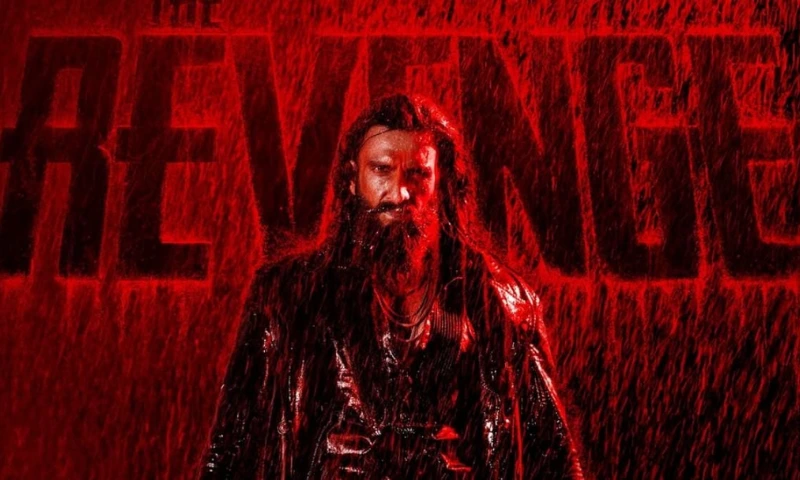
Dhurandhar 2: The Revenge Sequel Promises Darker Action and Pan-India Release
The makers of Dhurandhar 2 have just dropped a powerful first look poster of Bollywood star Ranveer Singh, revealing him in a blood-soaked, fierce avatar that has fans buzzing with excitement. The striking visual arrives as anticipation builds for the official teaser release later today at 12:12 PM IST ahead of the film’s worldwide theatrical debut on March 19, 2026. Titled Dhurandhar: The Revenge, the sequel continues the high-octane spy thriller that stormed Indian cinema screens last December. The original Dhurandhar became one of Bollywood’s biggest hits, drawing massive box office numbers and launching a popular franchise. In the new poster, Ranveer Singh’s character stands drenched in rain and blood against a deep red background. The intense expression in his eyes and clenched fists set a dark tone for the film, hinting at a more visceral and action-driven chapter than its predecessor. The visual was shared across multiple social media platforms in Hindi, Telugu, Tamil, Kannada and Malayalam, underscoring the film’s pan-India appeal. Alongside the poster reveal, Ranveer confirmed key details about the sequel, writing in his Instagram caption, “Ab Bigadne Ka Waqt Aa Gaya Hai. Dhurandhar: The Revenge. Teaser Out Today at 12:12 PM Releasing In Cinemas Worldwide on 19th March 2026 in Hindi, Telugu, Tamil, Kannada & Malayalam.” Director Aditya Dhar, who co-wrote and produced the film, has signalled that Part 2 will push the narrative even further. Early insights from promo materials and reports suggest a darker, more aggressive sequel. The plot is expected to delve deeper into Ranveer’s character arc, exploring both his undercover missions and personal vendettas. The first film, Dhurandhar, featured an ensemble cast including Akshaye Khanna, Sanjay Dutt, R. Madhavan, and others, blending intense action with undercover espionage drama. Fans now speculate whether key characters, including Akshaye Khanna’s antagonist from Part 1, may return through flashbacks or unexpected twists in The Revenge. With the first teaser set to launch today, audiences and critics alike are gearing up to see more of the sequel’s tone, visuals and storytelling. The movie is positioned to be a major release during this year’s Eid season, promising strong box office competition.
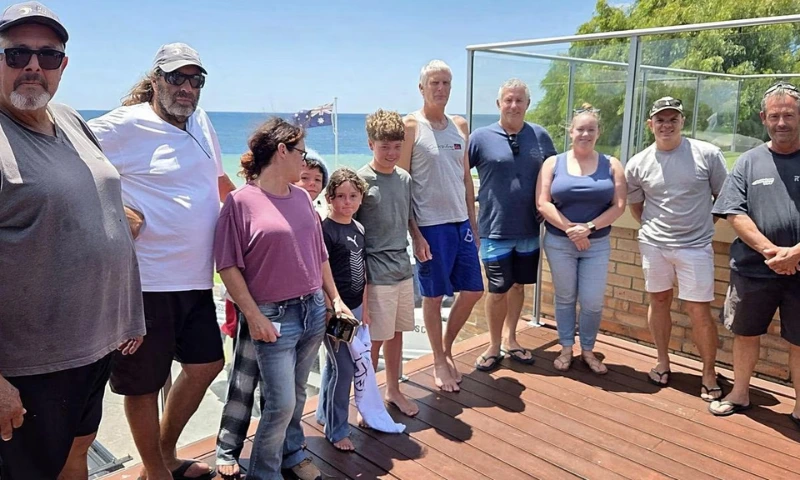
Heroic 13-Year-Old Swims Kilometres Through Rough Seas to Rescue Family
A 13-year-old Australian boy has been hailed a hero after swimming for four hours through rough, choppy waters to save his mother and two younger siblings when their family outing turned into a dangerous ordeal off the coast of Western Australia. The family were holidaying near Quindalup, about 250 kilometres south of Perth, when strong winds suddenly pushed their inflatable paddleboards and a kayak far out into the sea on the afternoon of January 30. The boy initially tried to paddle back to shore in the kayak to raise the alarm. But the water quickly became rough. His kayak began to take on water and, recognizing the danger, he made a life-changing decision. “He swam, he reckons, the first two hours with a life jacket on,” said Paul Bresland, a Marine Rescue volunteer, recalling the boy’s ordeal. “And the brave fella thought he’s not going to make it with a life jacket on, so he ditched it, and he swam the next two hours without a life jacket.” Despite exhaustion, fading daylight, and rough conditions, the teenager swam about four kilometres (2.5 miles) back to shore. Once back, he ran to safety and alerted rescue services with crucial details about the location and appearance of the kayak and paddleboards. Within an hour, a large search and rescue operation involving the WA Water Police, Western Australia’s Rescue Helicopter, and multiple marine rescue groups located his family about 14 kilometres offshore, holding onto a paddleboard. Police Inspector James Bradley praised the boy’s bravery, saying that his courage and quick thinking “cannot be praised highly enough.” Paramedics treated the boy’s 47-year-old mother, his 12-year-old brother, and his 8-year-old sister for the effects of exposure and shock before they were taken to Busselton Health Campus. All were discharged later over the weekend and have since visited their rescuers to express thanks. Rescuers also noted that wearing life jackets played a key role in keeping the family alive while awaiting help.
