


A major new global analysis has revealed that nearly four out of every ten cancer cases worldwide could be prevented through lifestyle changes and public-health actions. The World Health Organization (WHO) and its cancer research arm, the International Agency for Research on Cancer (IARC) published the findings ahead of World Cancer Day on February 4, 2026. The study, published in Nature Medicine, analysed cancer incidence data from 185 countries and 36 cancer types, focusing on 30 known modifiable risk factors. Researchers found that about 37–40% of new cancer cases in 2022 — roughly 7.1 million diagnoses — were linked to causes people and governments could influence. Read More: Pancreatic Cancer: The Silent Killer and the Science Breakthrough No One Expected According to WHO Team Lead for Cancer Control Dr André Ilbawi, this is “the first global analysis to show how much cancer risk comes from causes we can prevent.” He added that the data provide “governments and individuals with actionable evidence to stop many cancers before they start.” Top Preventable Causes The study identified tobacco use as the leading preventable cause, linked to around 15% of new cancer cases globally. Infections — including HPV (human papillomavirus) and Helicobacter pylori — accounted for 10%, and alcohol consumption contributed about 3% of new cancers. Read More: Sound Therapy Breakthrough: Could 40 Hz Frequency Treat Alzheimer’s? Experts say lung, stomach, and cervical cancers together make up nearly half of all cancers linked to preventable risk factors. Lung cancer showed strong associations with smoking and air pollution. Stomach cancer was heavily tied to bacterial infections, while cervical cancer was most often linked to HPV. Regional and Gender Differences The analysis also found significant differences in preventable cancer rates across regions and between sexes. About 45% of new cancer cases in men were related to preventable risks, compared with 30% in women. Risk factor exposure varied by region. East Asian men had the highest proportion of preventable cancer, while rates among women were highest in sub-Saharan Africa. Researchers say these patterns reflect differences in lifestyle, pollution exposure, healthcare infrastructure, and prevention policies. What This Means for the Public Health experts emphasize that many of these risk factors are linked to daily behaviors and environmental exposures. Avoiding tobacco, reducing alcohol intake, maintaining a healthy body weight, increasing physical activity, and reducing air pollution are key steps. Vaccinations, like those for HPV, can also cut the risk of certain cancers significantly. Read More: No Gym, No Problem: A Simple 2-Day Split to Get Stronger Fast The findings underscore that cancer is not always inevitable. Public health initiatives that focus on prevention, early screening, and lifestyle education have the potential to reduce the global cancer burden dramatically. As the global community marks World Cancer Day, officials are urging countries to invest more in prevention strategies and stronger health systems.
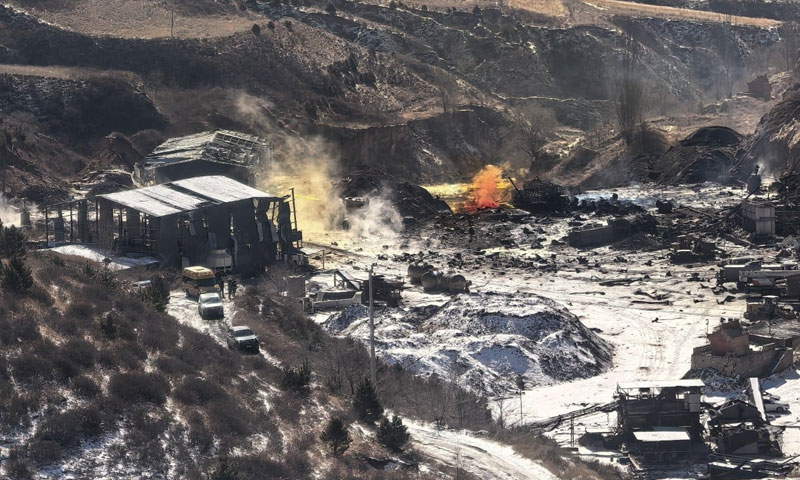
Eight Dead in Massive China Biotech Workshop Explosion: What We Know
At least eight people have died in a powerful explosion at a biotechnology workshop in northern China, authorities confirmed on Sunday. The blast tore through a facility run by Jiapeng Biotechnology in Shanyin County, Shuozhou City, Shanxi Province on Saturday morning. The explosion occurred in a workshop of the biotech firm early on Saturday, local authorities told Chinese state media. Rescue workers raced to the scene, where they found smoke still rising from the wreckage. Officials confirmed eight fatalities by 9:30 a.m. on Sunday. Jiapeng Biotechnology, registered in 2025, works on research related to animal feed, coal products, and building materials. The company does not appear to operate an official website, and its business details remain limited in public records. Shortly after the explosion, local police detained the company’s legal representative, and an investigation team was set up to determine the cause of the blast. Officials have not yet released details on what triggered the explosion. State news agency Xinhua reported that dark yellow smoke was seen coming from the accident site as emergency teams continued their work. The company’s workshop was in a relatively remote, mountainous area when the blast occurred. Industrial accidents of this nature are not uncommon in China. Safety enforcement has long been a concern, especially in secondary industries involved with chemical materials, manufacturing, and energy. Analysts say accidents often stem from outdated infrastructure, poor safety protocols, or regulatory gaps. In January, just weeks before this blast, another deadly accident killed at least nine workers in an explosion at a steel manufacturing plant in Inner Mongolia, highlighting persistent safety challenges across industrial sectors. Local residents near Shanyin County reported hearing the blast early on Saturday and feeling tremors that shook windows miles away. Some described a booming noise followed by thick smoke rising over the treetops. Rescue workers and police sealed off the site, preventing nearby residents from entering until the area was deemed secure. China’s government frequently orders investigations and cleanup operations after such accidents. Yet families of victims often seek accountability and safety reform in the wake of each tragedy. Authorities did not immediately provide compensation figures for the families of the dead. As investigations continue, the nation watches closely for answers about how the blast occurred and what measures will follow to prevent future disasters.
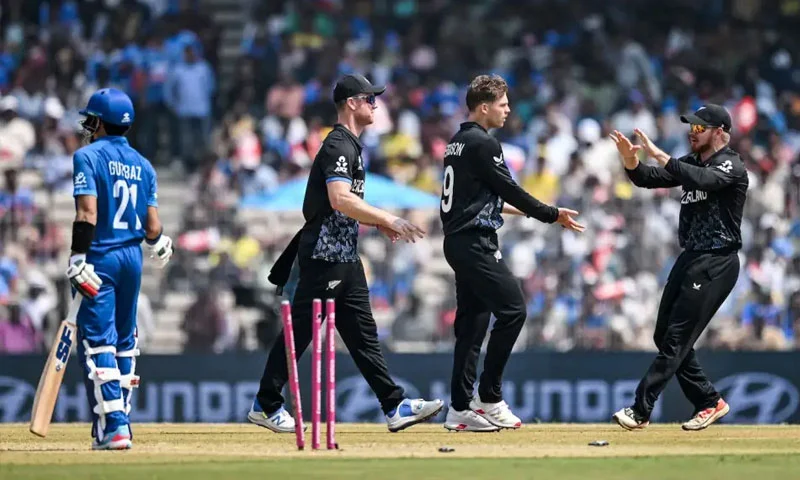
New Zealand Pull Off Record Chase in T20 World Cup to Beat Afghanistan, Super 8 Hopes Fade for Afghanistan
New Zealand produced a statement performance at the ICC Men’s T20 World Cup 2026, completing their highest successful run chase in T20 World Cup history to defeat Afghanistan by five wickets in a high-scoring Group D clash. The dramatic win has strengthened New Zealand’s position in the tournament while pushing Afghanistan closer to elimination from the Super 8 race. Afghanistan, batting first after winning the toss, posted an imposing total of 182 for 7, a score that reflected both intent and execution. Gulbadin Naib played the defining innings, scoring a fluent 63 off 35 balls, while useful contributions from Sediqullah Atal and Mohammad Nabi ensured the scoreboard pressure stayed firmly on New Zealand. The total was Afghanistan’s highest against New Zealand in a T20 World Cup match and appeared strong enough to challenge even elite batting lineups. Read More: Nail-Biting Finish as Pakistan Defeat Netherlands by 3 Wickets in First T20 World Cup Match New Zealand’s chase began under pressure as Afghanistan’s spinners created early doubts. Mujeeb Ur Rahman struck inside the powerplay, removing key batters and briefly tilting the momentum. At that stage, Afghanistan looked capable of defending the target and keeping their Super 8 hopes alive. However, New Zealand’s depth and composure proved decisive. Tim Seifert anchored the innings with a controlled yet aggressive knock, pacing the chase smartly against both pace and spin. Supported by Mark Chapman and later finishers in the lower middle order, New Zealand steadily chipped away at the target, refusing to panic despite the rising required rate. Read More: PCB Responds Strongly to Reports Linking ICC Talks With India Match Boycott As the match entered the final overs, the pressure shifted sharply onto Afghanistan. Missed opportunities in the field and the inability to break partnerships allowed New Zealand to stay ahead of the equation. The Kiwis eventually reached the target with five wickets in hand, completing a record chase that underlined their reputation for handling high-pressure situations on the world stage. For Afghanistan, the defeat is a significant blow. With matches remaining against other strong opponents in Group D, their path to the Super 8 round has become extremely narrow. Net run rate concerns and the psychological impact of conceding a record chase further complicate their campaign. Read More: How Pakistan Won the 2009 World T20: Shahid Afridi’s Untold Memories New Zealand, meanwhile, gain not only two crucial points but also momentum and confidence. The record chase sends a clear message to rivals that their batting unit can absorb pressure and still deliver on the biggest stage.
Major Diplomatic Shake-Up as Pakistan Names New Envoys to Key Capitals
Prime Minister Shehbaz Sharif has approved a major diplomatic reshuffle, sanctioning 24 key appointments and transfers within the Ministry of Foreign Affairs in a wide-ranging effort to strengthen Pakistan’s global engagement and representation. The sweeping changes were cleared by the prime minister on Sunday and cover senior diplomatic positions in strategic capitals, multilateral forums and key regional missions. The appointments and transfers reflect Islamabad’s intent to enhance its presence in crucial geopolitical arenas while bolstering bilateral relationships with key partners. Read More: Landmark Joint Declaration Seals 2 Billion Dollar Trade Vision Between Pakistan and Uzbekistan One of the high-profile changes sees Foreign Office spokesperson Tahir Hussain Andrabi appointed as Pakistan’s Permanent Representative to the United Nations in Geneva. This posting places him at a major multilateral platform where Pakistan engages on issues such as human rights, disarmament and international cooperation. In a significant diplomatic shift, Captain (retd) Usman Tipu has been nominated as Pakistan’s High Commissioner to the United Kingdom, replacing Dr Faisal, who is among the leading contenders to become the next foreign secretary following the expected retirement of Foreign Secretary Amna Baloch later this year. The UK posting is crucial given the extensive political, economic and diaspora ties between Islamabad and London. Several ambassadorial postings were also finalised under the reshuffle. Dr Syed Asad Ali Gilani was appointed ambassador to Afghanistan as Islamabad seeks to deepen diplomatic engagement with Kabul, while Ubaidur Rehman Nizamani will serve as Pakistan’s ambassador to Sweden. Read More: World Bank Warning: Pakistan Must Create 30 Million Jobs in 10 Years Other important appointments include Salman, currently serving at the Prime Minister’s Office, who has been named ambassador to Germany, and Sania Afzal Qazi, appointed ambassador to Thailand, further broadening Pakistan’s diplomatic footprint in Europe and Southeast Asia. Several additional positions have been filled, including Asim Ali Khan as ambassador to Norway, Siraj Ahmed Khan as Consul General in Los Angeles, Asad Shehzad as ambassador to Uganda, and Mohammad Faisal Abro as Consul General in Montreal. These appointments will enhance representation in Africa and North America. Meanwhile, key ambassadors whose tenures had concluded received extensions to ensure continuity in important missions. Khalil Hashmi will continue as ambassador to China, Ali Javed will remain in Italy, and Aamir Aftab Qureshi will stay on as ambassador in Greece despite the completion of their terms. Read More: Pakistan’s Literacy Crisis: Why Ranking Last in South Asia Is a Serious Warning Diplomatic analysts view the reshuffle as a strategic move aimed at reinforcing Pakistan’s diplomatic capacity at times of global uncertainty and regional realignment. Pakistan’s diplomatic network, which spans Asia, Europe, the Middle East and North America, plays a vital role in trade facilitation, geopolitical dialogue and diaspora engagement. The new roster of envoys is expected to take up their assignments in the coming weeks, following the usual agrement process with host countries. The government hopes these appointments will enhance Pakistan’s voice in multilateral platforms and strengthen bilateral ties across continents.

PSL 11 Expansion: Hyderabad Houston Kingsmen Name, Logo Unveiled in Spectacular Ceremony
Hyderabad has officially entered the biggest stage of Pakistan’s premier T20 league with a bold statement. On February 7, 2026, the new Pakistan Super League franchise revealed its name and logo at a festive event held at Niaz Stadium in Hyderabad. The team will compete under the banner of the Hyderabad Houston Kingsmen in PSL Season 11. The ceremony drew thousands of excited fans, fireworks, music, and media. Franchise owner Fawad Sarwar stood before a packed crowd as he lifted the curtain on the Kingsmen’s identity. The energy in the stadium was electric, reflecting a deep local passion for cricket finally represented at the highest level of domestic T20 competition. Read More: Hyderabad Makes Historic PSL 11 Retentions and Signs Marnus Labuschagne Ahead of Auction This unveiling marks a historic moment for the sport in Hyderabad. The city had previously lacked a top-tier professional team, despite a vibrant cricket culture and one of Pakistan’s most loyal fan bases. Mayor Kashif Shoro described the occasion as “a proud moment” for Hyderabad and urged authorities to soon host PSL matches locally, especially at the iconic Niaz Stadium, where Pakistan’s national team has a strong record. Welcome, Hyderabad Houston Kingsmen.@HHKingsmen @IqraFarooqui87 pic.twitter.com/Vk0kfLmPVZ— Waqas (@Iam_Waqas) February 7, 2026 The Hyderabad Houston Kingsmen franchise was secured by FKS Group through a high-profile auction held by the Pakistan Cricket Board (PCB) on January 8, 2026. FKS Group’s winning bid of PKR 1.75 billion secured the rights to the seventh team in the league’s expanded format, which will now feature eight teams for the first time in PSL history. The Kingsmen blend local pride with global ambition. The “Houston” in the name reflects a linkage to the U.S. city, aligning with the FKS Group’s broader cricket portfolio and international vision. The logo reveal and branding aim to attract fans both at home and abroad, capitalizing on the growing global interest in Pakistan’s T20 league. Read More: Peshawar Zalmi Shock PSL 11 With Early Signing of Afghan Star Rahmanullah Gurbaz Hyderabad’s Kingsmen have already made headlines with strong pre-auction player signings, including Pakistan’s rising star Saim Ayub and seasoned players Usman Khan, Maaz Sadaqat, and Akif Javed. The franchise also secured Australian batter Marnus Labuschagne as a direct signing before the official PSL auction scheduled for February 11, 2026. Behind the scenes, the Kingsmen have invested in experienced coaching leadership. Jason Gillespie, former Australia international and respected coach, leads the team’s technical staff. His expertise, alongside other seasoned professionals, aims to fast-track Hyderabad’s competitiveness against established PSL franchises. Read More: Australian Star Steve Smith Becomes Most Paid Player in Pakistan Super League History As PSL 11 prepares to kick off from March 26 to May 3, 2026, all eyes are on the Hyderabad Houston Kingsmen. This new franchise carries the hopes of a cricket-mad city ready to make itself felt on Pakistan’s biggest T20 stage.
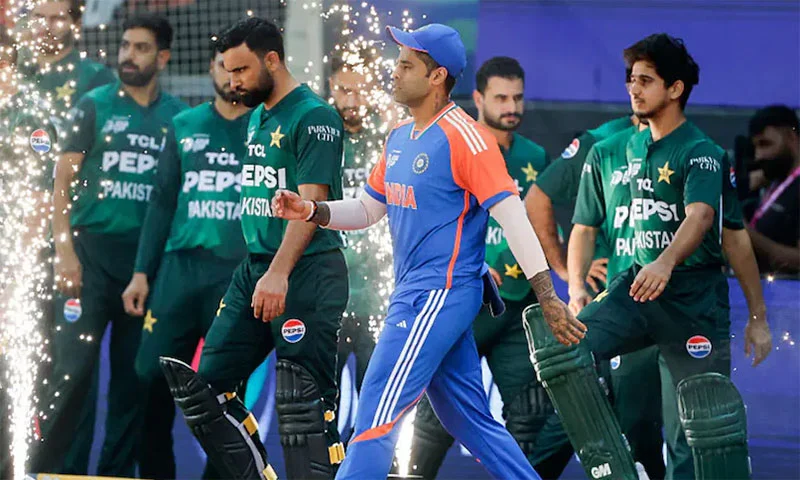
PCB Responds Strongly to Reports Linking ICC Talks With India Match Boycott
The Pakistan Cricket Board (PCB) has categorically rejected reports suggesting it approached the International Cricket Council (ICC) to seek discussions over Pakistan’s decision to boycott its scheduled T20 World Cup match against India, calling such claims misleading and baseless. The clarification came after reports circulated in Indian media alleging that Pakistan had contacted the ICC to explore a way out of the controversy surrounding the high-profile fixture, scheduled for February 15 during the ICC Men’s T20 World Cup 2026, co-hosted by India and Sri Lanka. Read More: Salman Agha Clarifies Pakistan’s Stand on Potential India Match in T20 World Cup Knockouts Responding to the reports, PCB spokesperson Amir Mir firmly denied any such move and accused sections of the Indian media of spreading false narratives. “I categorically reject the claim that PCB approached the ICC,” Mir said. “As usual, sections of Indian media are busy circulating fiction. A little patience and time will clearly show who actually went knocking and who did not.” The controversy erupted after the Government of Pakistan announced that the national team would not play against India in the tournament, citing political reasons. While Pakistan has continued to participate in the World Cup and played its opening match against the Netherlands, the refusal to face India has triggered debate over potential sporting, financial and legal consequences. Read More Pakistan Stands Firm on India Match Decision as Team Leaves for T20 World Cup The India Pakistan clash is traditionally one of the most commercially lucrative fixtures in world cricket, attracting massive global viewership and advertising revenue. Analysts warn that a boycott could expose Pakistan to penalties under ICC participation agreements, including possible fines or contractual disputes with broadcasters. Indian journalist Vikrant Gupta, whose comments prompted PCB’s response, stood by his reporting and questioned the board’s denial, claiming there was evidence of communication between Pakistan and the ICC. However, PCB maintains that no formal or informal approach was made to the global body regarding the matter. The ICC has so far refrained from taking a public position, choosing instead to monitor developments closely. Officials have urged all stakeholders to act in the long-term interests of the game, given the sensitivity and scale of the issue. Read More: One Walkover, Many Matches: India Match Boycott Won’t Stop Pakistan’s T20 World Cup Run Cricketing ties between Pakistan and India have remained strained for more than a decade, with no bilateral series played since 2013. Matches between the two sides now take place only during ICC tournaments, often under heavy political scrutiny. With the tournament progressing, uncertainty continues to surround the fate of the India Pakistan match. For now, PCB insists it is managing the situation within legal frameworks and has not sought ICC mediation, even as the standoff threatens to cast a shadow over the World Cup.
