

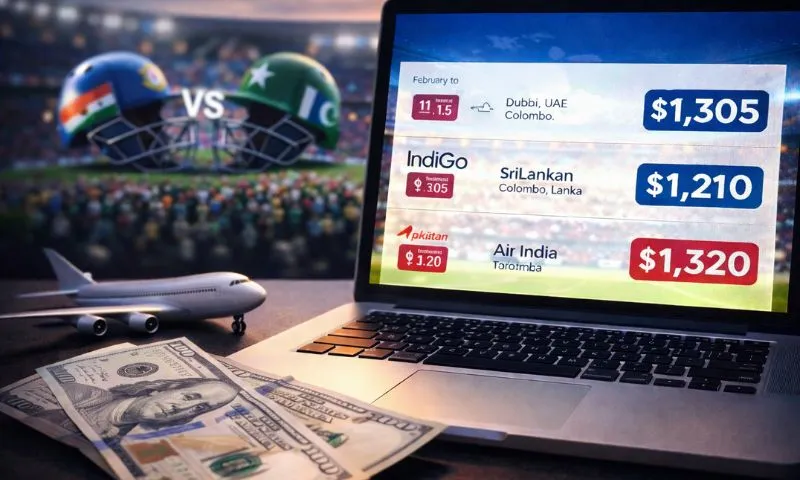
As anticipation builds for the high-voltage India vs Pakistan match at the ICC Men’s T20 World Cup 2026, airfares to Colombo, Sri Lanka have surged sharply, putting travel out of reach for many fans. Flights from the UAE and India to Colombo are now selling at premium prices as demand peaks ahead of the February 15 showdown. According to travel listings, round-trip economy fares from Dubai to Colombo have climbed to as high as $1,320, a steep rise from typical prices. SriLankan Airlines is offering tickets close to $1,210, while Air India fares are approaching $1,305 for the same travel window. Even low-cost carrier IndiGo, usually known for budget pricing, is charging elevated rates for flights timed around the match. Under normal circumstances, one-way economy tickets between major Indian cities and Colombo range between $160 and $420. However, for travel dates between February 14 and 16, prices have multiplied due to overwhelming demand. From Chennai, one-way economy fares are now listed at around $620, while flights from Bengaluru and Hyderabad show similar increases. Travel agents say availability is shrinking fast as fans rush to secure seats. Indian media outlets also report a rapid spike in prices following confirmation that the match would go ahead as scheduled. Round-trip fares from Mumbai to Colombo surged to approximately $720 to $820, with some listings crossing $900 on premium schedules. Flights from Delhi are priced between $545 and $680, significantly higher than seasonal averages. The surge follows days of uncertainty around the fixture. Pakistan had initially indicated it would not participate in the match due to political and diplomatic concerns. However, after consultations involving the Pakistan Cricket Board, Bangladesh Cricket Board, and government officials, Islamabad confirmed that Pakistan would play the match in Colombo. The decision immediately triggered a wave of bookings, pushing airfares higher within hours. Aviation analysts say this pricing pattern is typical for global sporting events but becomes more extreme for India-Pakistan matches due to unmatched fan interest. The rivalry consistently draws one of the largest television and stadium audiences in world cricket, making travel demand unusually intense. Hotels in Colombo are also reporting higher occupancy rates, particularly near the match venue. Tour operators in Sri Lanka expect the fixture to deliver a strong boost to tourism revenue during the tournament window. Airlines and booking platforms are advising fans to finalize plans quickly, as fares may climb further closer to match day.

Aag Lagay Basti Mein Trailer Finally Drops Ahead of Eid ul Fitr
The official trailer for the much-anticipated Pakistani film Aag Lagay Basti Mein has finally arrived and it has sparked huge excitement among fans across social media. The chaotic, stylish preview showcases a mix of crime, comedy and drama that promises one of the most talked-about local films of Eid ul Fitr 2026. The film brings together two of Pakistan’s biggest stars, Fahad Mustafa and Mahira Khan, in what many are calling a fresh and explosive cinematic pairing. The trailer highlights their sharp, witty dialogues and sizzling on-screen chemistry, which fans have praised for lighting up every scene they share. In addition to the leads, the movie also stars Tabish Hashmi, Javed Sheikh, and several social media personalities in cameo roles. The ensemble cast brings varied energy to the film and has generated buzz among different audience groups. The teaser offers glimpses into a story that starts with characters trying to survive through honest work but quickly spirals into greed, chaos and consequences. It sets the tone with clever moral imagery inspired by classic tales about ambition and consequence. Shots of intense action, dramatic confrontations and a web of complicated choices leave audiences intrigued for what is to come. The first official poster dropped earlier this month, revealing that the trailer would release on February 9, 2026, and teasing its Eid holiday arrival in cinemas worldwide. The poster caption read, “WHERE THERE IS SMOKE, THERE IS FIRE,” reflecting the fiery energy of the story ahead. It has helped stoke anticipation among fans who shared and reacted to the announcement enthusiastically online. Social media reactions to the trailer were immediate. Fans took to comment sections to declare how excited they are for the film and how the lead actors’ dialogue delivery and screen presence have set high expectations. Many noted that the teaser already feels like a blockbuster start to the festive season. Written and directed by Bilal Atif Khan, Aag Lagay Basti Mein is being released by ARY Films, Salman Iqbal Films and Big Bang Films this Eid ul Fitr 2026. It marks a major cinematic event for audiences, blending genre, star power and intense storytelling.

T20 World Cup 2026 Controversy as Rajapaksa Questions Indian Bats
Sri Lankan batter Bhanuka Rajapaksa has triggered a fresh debate in the ICC Men’s T20 World Cup 2026 by suggesting that Indian players use unusually powerful cricket bats that others cannot access. His remarks came amid the global tournament’s opening matches and instantly drew attention across cricket media and social networks. . Rajapaksa, a seasoned Sri Lankan international, made his comments after reflecting on the powerful hitting seen from Indian batters this season. “Indian players have bats that are far superior to the best bats we get. It feels as though a layer of rubber has been applied. I can’t imagine how that’s possible. These bats can’t even be bought by others — all players know this,” he said in an interview quoted by news outlets. His claim implied that the quality or performance of Indian cricket bats appears markedly higher than what other teams use. The statement went viral almost immediately and ignited strong debate among fans and analysts about equipment standards and performance gaps in international cricket. Some observers noted that elite batters often receive premium bats from top manufacturers and sponsors but emphasised that all equipment used in international tournaments must strictly comply with rules set by the ICC. Under ICC regulations, bats in official matches must be made of wood and fall within precise limits on shape, thickness and dimensions. These limits are enforced to preserve fairness and ensure no material advantage arises from equipment. No verified evidence has emerged that Indian players are violating these rules, and neither the Board of Control for Cricket in India (BCCI) nor the ICC has issued a formal response to Rajapaksa’s remarks so far. The comment comes at a tense time in the world of cricket. India’s batters, including several explosive hitters, have produced dominant performances in recent years. Modern cricket bats have also evolved, with thicker edges, elite willow and tailored weight profiles that improve hitting power within legal norms. This evolution often leads to high scoring and longer sixes, especially in T20 cricket. Sri Lanka’s own campaign has seen mixed attention on the field and off it. The team began the T20 World Cup with a solid win over Ireland, but Rajapaksa’s statement overshadowed that victory and shifted discussions toward equipment quality and fairness rather than on-field play. Overall, while no evidence supports accusations of illegal equipment or tampering, the comments underline how equipment and perceptions of advantage can influence narratives during major events like the T20 World Cup. Unless a team files an official complaint, this remains a controversial claim and not an actionable allegation under ICC rules.
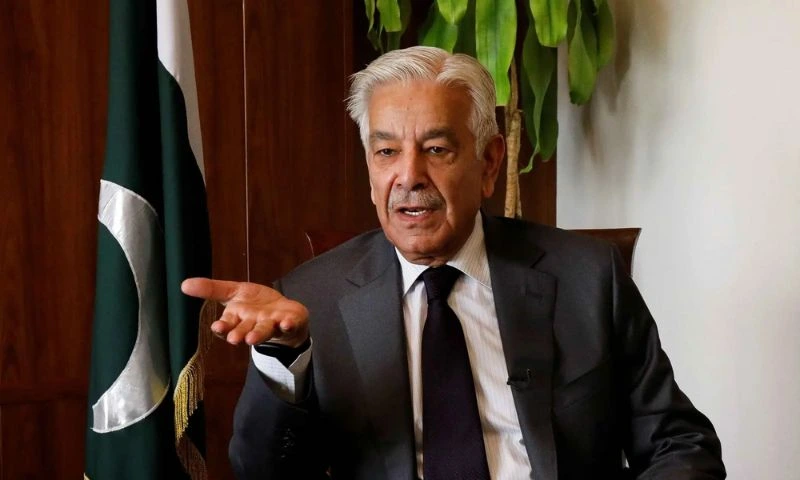
Khawaja Asif Blames Begging Mafia for Gulf Visa Restrictions on Pakistanis
Federal Defence Minister Khawaja Muhammad Asif has publicly blamed organised begging networks for recent visa restrictions imposed on Pakistani citizens by some Gulf countries. He warned that the phenomenon is damaging Pakistan’s global image and harming overseas travel opportunities. Asif made the remarks on February 9, 2026, during a session of the National Assembly Standing Committee on Overseas Pakistanis and Human Resource Development and in a post shared on the X social media platform. He said the so-called “begging mafia” has turned street solicitation into a professional business. “Begging has become a full-fledged profession,” he wrote. “It is completely organised.” The minister claimed that networks of contractors recruit vulnerable groups including children, women, and people feigning disabilities. These recruiters earn substantial money by exploiting them and arranging overseas travel. According to Asif, this illicit industry even “exports” beggars to Gulf states, prompting visa measures in response. He cited data from the Federal Investigation Agency (FIA), saying that last year more than 66,000 passengers were off-loaded at airports to curb organised begging gangs and illegal migrants from departing Pakistan. Of those stopped, about 51,000 had questionable travel documents across categories such as work, tourist, and Umrah visas. بھیک مانگنا ایک پروفیشن بن چکا ھے۔ جو باقاعدہ آرگنائزڈ ھے۔ اسکے باقاعدہ ٹھیکیدار موجود ھیں جو بچوں عورتوں اور جعلی معذوروں کو بھرتی کرکے کروڑوں کما رہے ھیں۔ یہی مافیا انہی بھیک منگوں کو گلف کے ملکوں میں ھزاروں کی تعداد میں ایکسپورٹ کر رہے ھیں ۔ ان ملکوں نے زچ ھو کر ھمارے ویز ے… pic.twitter.com/NRv3Ga1yBC — Khawaja M. Asif (@KhawajaMAsif) February 9, 2026 Asif also pointed to the deportation of tens of thousands of beggars from Gulf countries. He said 56,000 beggars were deported from Saudi Arabia, and that other Gulf states such as the United Arab Emirates had also imposed visa restrictions because of the issue. Beyond labelling the activity organised, the defence minister alleged that some airport officials and staff from government departments are complicit in facilitating the illicit trade. He said these officials profit from the operation by helping beggars travel abroad. Asif highlighted Sialkot as a key city where organised begging remains active. He said many beggars come from southern Punjab, stay in hotels, and carry out solicitation work across the area. He added that while recent police and local administration actions have reduced the scale of the problem, the organised networks are still operating. The minister warned that such a widespread enterprise cannot thrive without the tacit support of local authorities and police, and he called for serious, sustained action to dismantle the criminal networks involved. He described organised begging as one of the largest sources of so-called employment in the country, linking it to other unsettling criminal activities.

Plaintiff Lawyer Says Meta, Google Built Platforms to Addict Children
A landmark trial began this week in Los Angeles County Superior Court with a dramatic accusation against two of the world’s biggest tech companies. Lawyers for the plaintiff told a jury that Meta Platforms (owner of Facebook and Instagram) and Google’s YouTube deliberately designed social media platforms to hook children and teens, causing addiction and long-term harm. The case centers on a 20-year-old woman identified as Kaley G.M., who began using YouTube at age six and Instagram at age nine. Her legal team says that internal documents show the companies built features that exploit young users’ psychological vulnerabilities. In opening statements, plaintiff attorney Mark Lanier told jurors “this case is about two of the richest corporations in history who have engineered addiction in children’s brains.” Lanier said the trial will show that the apps were designed to maximize engagement through addictive elements. He cited internal research, including a Meta study called “Project Myst,” which showed certain teens were especially vulnerable. Lanier said Meta and Google knowingly targeted these users and kept them engaged even when it harmed their mental health. “For a teenager, social validation is survival,” he told the court, referring to features like “like” buttons that reward repeated use. The lawsuit draws comparisons to historical litigation against Big Tobacco, where manufacturers were held responsible for knowingly selling harmful products. Lawyers for the plaintiff say social media platforms used similar behavioral design tactics to keep children and teens glued to screens. Meta and Google deny the allegations. Meta’s defense argues that Kaley G.M.’s mental health struggles have other causes and point to efforts the company has made to protect young users. Google representatives have called the claims “simply not true” and said YouTube works to provide a “safer, healthier experience” for youth. This trial is the first of many similar cases that could reshape how tech giants are held accountable for the design and impact of their products. There are more than 2,000 related lawsuits nationwide, with families, school districts and state attorneys general alleging social media harms children’s mental and emotional wellbeing. If a jury finds the companies liable, it could erode long-standing legal protections for internet platforms under Section 230 of the U.S. Communications Decency Act. Experts say the outcome could trigger major changes in social media regulation and push companies to redesign features that critics say fuel compulsive use. Executives including Meta CEO Mark Zuckerberg and Instagram head Adam Mosseri are expected to testify as the trial unfolds over the next several weeks.
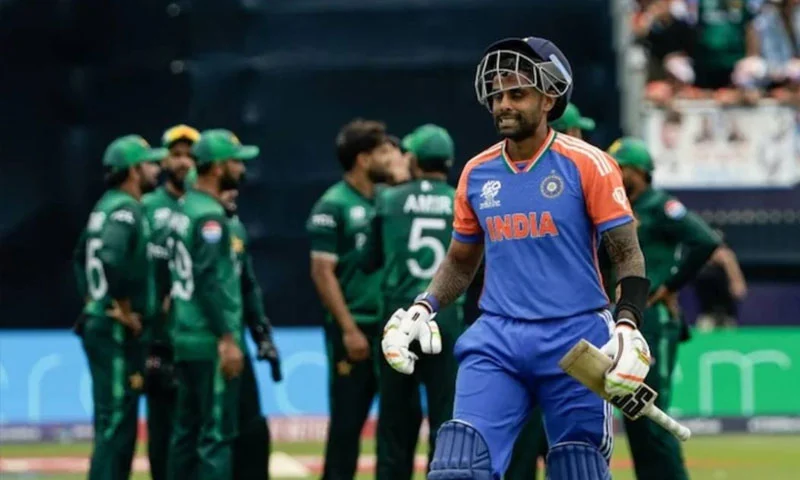
Pakistan’s Decision to Play India Restores Spark to T20 World Cup, Says BCCI Vice-President Rajiv Shukla
Pakistan’s decision to play its scheduled T20 World Cup match against India has revived the excitement and global appeal of the tournament, with senior Indian cricket officials crediting the move for restoring the event’s competitive and festive spirit. Reacting to the resolution of the long-running standoff, Board of Control for Cricket in India (BCCI) Vice-President Rajeev Shukla praised both Pakistan and the International Cricket Council (ICC) for ensuring that cricket remained the priority. He described the outcome as “good news for all” and said the tournament would now move forward with renewed momentum. Read More: Pakistan to Play India in T20 World Cup as a Gesture of Goodwill After Friendly Requests Speaking to the media, Shukla said, “I am delighted to see the outcome of the deliberations initiated by the ICC representatives who had gone to Lahore to talk to the Pakistan Cricket Board, as well as the Bangladesh Cricket Board. It’s a good solution, an amicable solution which has been found to give priority to cricket, importance to the game.” He added, “So all kudos to the ICC for taking this initiative, resolving the issue and bringing the cricket back on the forefront.” #WATCH | Delhi | On Pakistan to play against India at T20 cricket World Cup, BCCI Vice-President Rajeev Shukla says, “I am delighted to see the outcome of the deliberations initiated by ICC representative, supervised by the ICC Chairman and the representatives who had gone to… pic.twitter.com/3x9xSDyGMB — ANI (@ANI) February 10, 2026 The Pakistan-India clash, scheduled for February 15 in Colombo, had been under threat after Pakistan initially indicated it would not play the match. The stance was taken in solidarity with Bangladesh, which had declined to participate in matches hosted in India due to security concerns. The uncertainty surrounding the fixture raised fears that one of cricket’s most iconic rivalries would be missing from the tournament. However, after intensive consultations involving the ICC, the Pakistan Cricket Board (PCB), the Bangladesh Cricket Board (BCB) and diplomatic engagement from friendly countries, Pakistan agreed to play the match as per schedule. The decision was widely welcomed across the cricketing world. Read More: New Zealand Pull Off Record Chase in T20 World Cup to Beat Afghanistan, Super 8 Hopes Fade for Afghanistan Shukla said Pakistan’s participation had brought relief to fans, broadcasters and stakeholders, noting that the India-Pakistan fixture is central to the World Cup’s atmosphere and global reach.“It’s good news for all of us,” he said, confirming that the match will now go ahead as planned. He also acknowledged Bangladesh’s role in the dialogue, stating that the BCB was satisfied with the outcome. According to Shukla, Bangladesh was “happy” with the way the ICC handled the situation, ensuring fairness while protecting the tournament’s integrity. Cricket analysts say Pakistan’s willingness to take the field has restored the World Cup’s rhythm, as the India-Pakistan encounter is among the most watched sporting events in the world. Its confirmation has strengthened the tournament’s credibility and reaffirmed cricket’s ability to bridge divides. With the dispute resolved, the T20 World Cup is expected to proceed without further disruption, and fans can once again look forward to a marquee clash that defines the tournament’s energy and global appeal.

Heatwaves and Floods Hit Pakistan’s Economy Hard, Officials Reveal
Pakistan is now bearing a heavy economic cost from climate change, with close to one percent of GDP lost each year to climate-related damages, key speakers said on Monday at the 4th Pakistan Climate Conference in Karachi. The event, hosted by the Overseas Investors Chamber of Commerce and Industry, brought together federal and provincial policy makers, climate experts and international development partners to discuss urgent climate action. Federal Minister for Climate Change and Environmental Coordination Dr Musadik Masood Malik said Pakistan is on the frontlines of climate risk despite contributing less than one percent to global greenhouse gas emissions. According to him, record heatwaves reaching up to 53 degrees Celsius, widespread floods that displaced more than four million people, and rapidly melting glaciers show the gravity of the crisis. “From record 53°C heatwaves to floods that displaced four million people last year… climate losses costing nearly one per cent of GDP annually, this is an existential challenge,” he said. The losses highlight how climate change now affects Pakistan’s economy beyond environmental concerns. Floods, intense heat, and erratic weather patterns disrupt agriculture, displace communities, and strain public finances. These effects compound long-existing economic challenges, such as slow growth and structural weaknesses. Dr Malik highlighted Pakistan’s updated climate pledge under the Nationally Determined Contribution (NDC) 3.0, targeting a 50 percent emissions reduction by 2035. Achieving this goal, he said, will require major investment. He estimated that $565.7 billion is needed for climate resilience programs and urged climate finance that is sustainable, grant-based, and driven by the principle of climate justice. Federal Minister for Finance and Revenue Senator Muhammad Aurangzeb echoed the need for urgent action, calling climate change “an existential threat” and stressing that Pakistan must shift from planning to bankable climate action projects that attract private capital. He said existing frameworks like the National Adaptation Plan and Climate Prosperity Plan need to be translated into investment-ready projects to mobilize funds. International speakers also stressed integrated finance models to close the funding gap. Chongguang Yu (Charles), Regional Lead for Sustainable Finance at the United Nations Development Programme, urged for blended finance and risk-sharing mechanisms so private sector participation can scale. Business leaders noted signs of momentum in Pakistan’s climate finance space. President OICCI Yousaf Hussain cited efforts such as Pakistan’s planned Green Panda Bond, enhanced public-private partnerships, and the finalization of a 10-year, $20 billion Country Partnership Framework with the World Bank as examples of progress. The conference made clear that climate resilience and economic stability are now inseparable priorities for Pakistan, which must act swiftly to protect its people and economy from the escalating cost of climate change.

Pilot Glides Failing Plane Into Road, Hits Multiple Cars in Gainesville
A small private plane made a dramatic emergency landing on a busy road in Gainesville, Georgia, on Monday afternoon. The aircraft struck multiple vehicles during the forced descent, and authorities confirmed that several people suffered minor injuries. The incident occurred around 12:10 p.m. when a Hawker Beechcraft BE-36 single-engine aircraft experienced engine trouble shortly after departing from Lee Gilmer Memorial Airport north of Atlanta. The plane was headed for Cherokee County Regional Airport when the pilot noticed a sudden loss of engine power. Faced with dwindling altitude and not enough power to return to the airport, the pilot made an urgent decision. “We lost our engine taking off out of Gainesville and realized, tried to glide back, did everything by the book, but realized we weren’t gonna make it back with how far out we were, so we came down the road,” said pilot Thomas Rogers. The plane landed on Browns Bridge Road at the intersection with Pearl Nix Parkway and struck three vehicles during the landing. Emergency responders rushed to the scene moments after the aircraft touched down. Police reported that two people were taken to Northeast Georgia Medical Center with what were described as minor injuries. One of them was the driver of a vehicle hit by the plane. Both the pilot and the student pilot on board escaped injury and remained at the scene during the initial investigation. Gainesville Police Captain Kevin Holbrook called the event remarkable given the circumstances. “The fact that this plane came down, did not strike any power poles, any power lines, and only hit three vehicles is absolutely remarkable,” Holbrook said. Several witnesses described the moment of impact as loud and sudden. One bystander compared the sound to multiple car crashes in rapid succession. Emergency crews worked to clear the scene, and the road remained closed for several hours as investigators from the Federal Aviation Administration (FAA) and the National Transportation Safety Board (NTSB) arrived to examine the wreckage and piece together what led to the emergency landing. A small plane crashed into cars while making an emergency landing on a road in Gainesville, Georgia pic.twitter.com/PmH6gIthZU — Ajeet Kumar (@Ajeet1994) February 10, 2026 This incident is one of several in recent months where small aircraft have been forced down on roads or highways in the United States due to engine failure or mechanical issues. In December, a small Beechcraft 55 made an emergency landing on Florida’s I-95 highway and struck a vehicle, injuring a motorist. Authorities continue to investigate the Gainesville emergency landing to determine the exact cause of the engine malfunction.

WhatsApp Is Getting a Game-Changing Instagram-Style Close Friends Feature
Meta’s popular messaging app WhatsApp is reportedly preparing to roll out an Instagram-like “Close Friends” feature that will give users more control over who sees their Status updates. According to the latest report by Business Today, this new option is currently under development and was spotted in WhatsApp beta builds for Android. At present, WhatsApp users choose from basic Privacy settings when sharing a Status. They can select “My Contacts,” “My Contacts Except,” or “Only Share With.” With the new Close Friends list, users will be able to save a group of trusted contacts that they often share personal updates with. This change makes sharing intimate moments easier, without the need to constantly adjust privacy settings. Feature tracker WABetaInfo first spotted the Close Friends option in beta versions 2.26.5.11 and 2.26.5.13 on Android, suggesting a wider rollout could come soon after testing is complete. Instead of manually selecting contacts every time, users can now pre-define their inner circle and use it with just one tap. Unlike Instagram, where only followers can be added to a Close Friends list, WhatsApp’s version will use the app’s existing contacts. Users can add or remove people from their Close Friends list either from the Status privacy settings screen or directly when posting a Status update. However, changes to the list will apply only to future Status posts. If someone is removed after a Status is posted, they will still be able to see updates they were initially granted access to. Reports from other tech news outlets confirm that WhatsApp testers noticed customised lists can even have names and emojis, making it easier for users to distinguish different groups, such as close family versus colleagues. Selected contacts in the Close Friends list are expected to see a different coloured circle around the sender’s profile photo, much like Instagram’s green ring that shows stories shared with only close friends. For many users, this feature could be a valuable privacy tool. People often hesitate to post photos or thoughts on WhatsApp Status because they do not want everyone in their contact list to see them. The Close Friends list gives a private space to share moments without stress. WhatsApp has not yet announced when the Close Friends feature will be widely available. The company is currently testing the tool with beta users and gathering feedback before a stable release.

Ferrari’s First Electric Supercar Gets Futuristic Cabin and 1,000+ HP
Ferrari has officially named its first all-electric production car Luce, Italian for “light,” and revealed its interior design ahead of a full vehicle unveiling later this year. The electric car marks a historic moment for the Maranello-based brand, which has long been defined by roaring V12 engines and racing heritage. The automaker chose to spotlight the cabin design first, and it is nothing like what Ferrari fans have seen before. The interior was created in collaboration with LoveFrom, the design firm founded by Sir Jony Ive and Marc Newson, both former Apple design leads. Ive is known worldwide for shaping the look and feel of the iPhone, iPod, and many other iconic products. Ferrari revealed the Luce interior during an event in San Francisco, where Ive spoke candidly about the experience. He said he was “enormously excited and completely terrified to provide our first real glimpse at the Luce.” The cabin blends luxury, technology, and a tactile experience rarely seen in modern cars. Instead of relying primarily on touchscreen controls, the interior uses physical switches, machined aluminum toggles, and multiple OLED screens. This design choice is intended to deepen the driver’s connection to the car. One of the standout features is a three-screen layout. The driver’s display includes two overlapping Samsung OLED panels mounted on the steering column so they move with the wheel. This setup is reminiscent of classic analog gauges but uses cutting-edge digital technology to achieve depth and clarity. The center screen can swivel toward the driver or passenger, improving accessibility. Ferrari also introduced a unique key fob with an E Ink display that changes color when inserted into its dock beside the glass shifter. This design adds a bit of spectacle to the start-up process and shows how form and experience were central to the concept. Another notable interior feature is the three-spoke steering wheel, inspired by classic designs from Ferrari’s past. Crafted with recycled anodized aluminum and full physical controls, it represents a bridge between heritage and future innovation. Under the skin, the Ferrari Luce will be powered by four electric motors with more than 1,000 horsepower and a 122 kWh battery pack that offers an estimated 330 mile range by European standards. The car is expected to sprint from 0 to 60 mph in around 2.5 seconds. Exterior design details remain under wraps until the full reveal scheduled for May 2026. The Luce is more than an electric Ferrari. It stands as a bold new definition of luxury performance in the EV era.
