

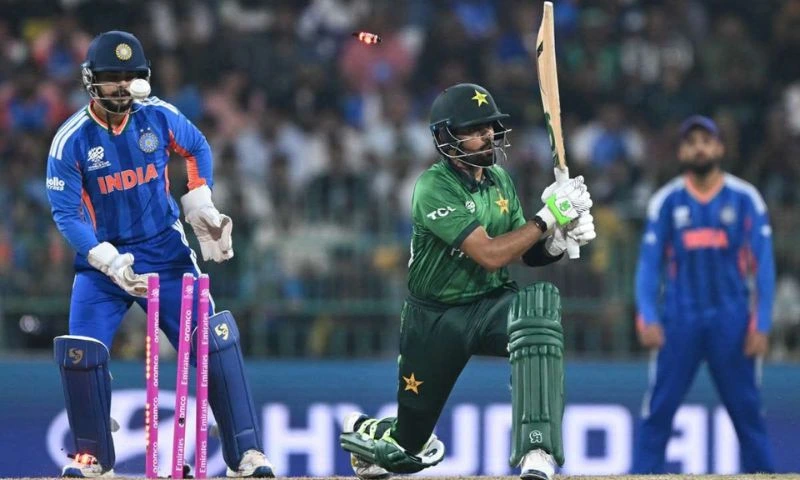
Cricket fans around the world turned their eyes to the R. Premadasa Stadium in Colombo on February 15, 2026, as arch-rivals Pakistan and India met in one of the most anticipated matches of the ICC Men’s T20 World Cup 2026. The tension was intense long before the first ball was bowled. Pakistan won the toss and opted to bowl first against India in this high-voltage Group A encounter. Pakistan captain Salman Ali Agha made the bold decision to put India in to bat, a choice that immediately drew attention. He explained that his team believed the Colombo pitch offered bowlers helpful conditions early on. Agha also said his side was ready for rain interruptions and had contingency plans in place. The tension surrounding this game came from more than just cricketing rivalry. Political tensions between the two nations have often spilled over into sport, and the clashes during the 2025 Asia Cup had set a charged backdrop for this World Cup meeting. Media coverage highlighted that captains did not shake hands at the toss, an indicator of the lingering strains between the teams. When India took the field to bat, they did so with a confident lineup that included returning players such as Abhishek Sharma, who had been cleared fit and added depth to their batting. India’s captain Suryakumar Yadav led a strong batting order that also featured Ishan Kishan and Tilak Varma. India capitalized on winning the toss and posted a challenging total of 175 for 7 in their allotted 20 overs. Ishan Kishan led the charge with a blistering 77 off 40 balls, driving India’s score and earning the Player of the Match award later. Pakistan’s bowling effort showed sparks of resistance. Skipper Salman Ali Agha struck early, removing Abhishek Sharma for a duck in the first over. All-rounder Saim Ayub, known for his rising all-round performances, chipped in with key breakthroughs and took crucial wickets. When Pakistan came out to chase 176, their hopes dwindled quickly as Indian bowlers applied pressure and claimed early wickets. The batting lineup fell short, leaving Pakistan all out for 114 in 18 overs, handing India a 61-run victory and a place in the Super Eight stage of the T20 World Cup. This loss extended India’s dominant record over Pakistan in T20 World Cups, a rivalry that has seen more wins for India overall in recent years. Yet every India-Pakistan match continues to draw huge global audiences and passionate reactions on and off the field.

Pakistan Opens Doors to Central Asian Air Routes This Year
Pakistan’s aviation sector is entering a vibrant new chapter as international airlines prepare to launch direct flights to the country in 2026. This change reflects growing global interest in Pakistan as both a travel destination and a hub for business and cultural exchange. Starting in mid-June, Uzbekistan Airways will begin direct flights between Tashkent and Islamabad every Saturday. This route will strengthen ties between Central Asia and South Asia while offering travelers a new convenient travel option across the region. The service marks one of the most significant additions to Pakistan’s international air connectivity in years. For passengers in Pakistan and abroad, expanded flight options mean greater convenience. Travelers will have more choices for weekend getaways, business trips, and family visits without relying on lengthy connections through Gulf or European hubs. The broader aviation landscape in Pakistan has been changing rapidly. In recent months, Pakistan International Airlines (PIA) has been actively rebuilding its international network. The national carrier is set to resume direct flights between Islamabad and London Heathrow on March 29, reconnecting one of the world’s key business capitals with Pakistan after a multi-year hiatus. In addition, PIA plans to restart direct flights from Lahore to London by late March, filling a major gap in connectivity for passengers in the country’s most populous region. These restored routes aim to serve both the Pakistani diaspora and international travelers seeking direct access to the UK market. Industry analysts view these developments as part of a post-pandemic revival in international air travel. Before the pandemic, Pakistan’s overseas connections were limited, and many carriers had reduced or suspended services. Now, with demand resurging and regulatory support increasing, airlines are seizing opportunities to expand operations. Regional connectivity also continues to grow. Airlines from neighboring countries and beyond have shown interest in serving Pakistani cities. Improved air access supports tourism, trade, and deeper cultural links, benefiting local economies and creating jobs in allied sectors such as hospitality and logistics. Domestic aviation is also expanding. New private carriers are preparing to launch operations within Pakistan, connecting major cities and laying the foundation for future international services once they establish their networks. For travelers and businesses alike, this surge in airline activity brings fresh optimism. With more international flights taking off for Pakistan than at any time in recent years, the skies over the country are opening up in ways that promise economic opportunity and easier global access.

Mir Abu Zar Faiz Sets Blazing 5.73 Second National Speed Record
Islamabad became the center of Pakistan’s climbing world on February 15, 2026, when Mir Abu Zar Faiz stunned spectators by setting a new national speed climbing record. With a blistering time of 5.73 seconds, he raised the bar for athletes across the country and highlighted Pakistan’s growing presence in sport climbing. The Speed Climbing Time Evaluation took place at the Pakistan Sports Complex under the supervision of the Alpine Club of Pakistan. Officials including Najeeb Ullah Khattak, Head Coach Faiz Ali, and Jury President Mushahid Shah praised all competitors for their skill and determination. Faiz’s performance stood out as exceptional and confirmed his status as the fastest climber in the nation. This achievement reflects years of discipline and focused training. Faiz began climbing as a passion, but he soon turned it into a competitive career. He is a three time consecutive National Speed Climbing Champion from 2022 to 2024 and has broken the national speed record multiple times before this latest feat. His previous record of 7.31 seconds, set during the National Sport Climbing Championships in 2023, was already considered remarkable. By cutting his time down to 5.73 seconds, Faiz demonstrated not only personal improvement but also the rapid progress of speed climbing standards in Pakistan. The margin of improvement shows how elite athletes continue to push physical limits through advanced training methods. Competitors Huzaifa Imran and Zaheer Ahmad also delivered strong performances in the Islamabad evaluation, finishing second and third respectively. Their climbs showed that Pakistan’s talent pool in sport climbing is expanding and becoming more competitive each year. Speed climbing requires explosive power, technical precision, and mental focus. Climbers race up a standardized 15 meter wall, aiming to reach the top in the shortest possible time. The sport gained worldwide attention after its Olympic debut at the Tokyo 2020 Games. Since then, countries across Asia have invested more in structured climbing programs and youth development. Faiz’s record comes at a pivotal moment for Pakistani sports. His success sends a strong signal that athletes from the country can compete at high international standards. More importantly, it inspires young climbers to pursue the sport with confidence. Mir Abu Zar Faiz’s 5.73 second climb is more than just a national record. It represents dedication, progress, and the rise of a sport that continues to gain momentum in Pakistan.
Ramadan 2026: Federal Constitutional Court Issues Office Hours Notification
The Federal Constitutional Court of Pakistan has officially released the Ramadan office hours for government offices and institutions across the country to accommodate the spiritual needs of employees during the holy month. The announcement aims to strike a balance between work responsibilities and religious observance as millions prepare for fasting starting later this month. According to the notification, revised office timings will come into force throughout Ramadan once the month officially begins. The adjustment follows tradition in Muslim-majority countries where working hours are shortened to support fasting workers. New Government Office Hours for Ramadan Under the official Ramadan schedule, the workplace hours for most federal offices will be adjusted as follows: Monday to Thursday: 9:00 am to 2:30 pm Friday: 9:00 am to 12:00 pm These timings allow employees time for spiritual duties, prayer and iftar preparations while ensuring that essential government services remain functional and accessible to the public. Officials have said the revised hours apply to all federal ministries, departments, attached offices and public institutions. Private sector organisations are encouraged to adopt similar timings to help working professionals manage fasting comfortably. Flexible and Supportive Work Policies Expected Many employers and HR specialists have welcomed the move, saying shorter daily hours help workers maintain productivity while conserving energy during fasting. Internationally, similar adjustments are common during Ramadan. For example, the United Arab Emirates announced reduced working hours from 9:00 am to 2:30 pm on weekdays and until 12:00 pm on Fridays for federal ministries and some private sector roles. The Federal Authority for Government Human Resources (FAHR) in Pakistan is expected to issue detailed implementation guidelines to ensure all departments align their work schedules with the court’s order once Ramadan begins. Some offices may also allow flexible shift patterns to accommodate staff needs during long fasting days and prayer times. Ramadan and Public Services Revised work hours will also impact public service delivery areas, including passport offices, which have already announced their own adjusted timings for Ramadan to ease crowd management and facilitate citizens who require services during the holy month. Local authorities and business chambers are preparing recommendations for private firms so that workers in factories, retail and small businesses can also benefit from similar timing adjustments. These supportive measures are expected to improve employee wellbeing and reduce stress during fasting hours. Ramadan Preparations Across Pakistan Authorities are also planning other logistical arrangements for the holy month as the nation anticipates the first fasts. The Ruet-e-Hilal Committee will meet soon to sight the crescent moon and officially declare the start of Ramadan. Experts say the first day of fasting may fall around February 19, 2026, subject to credible moon sightings. Muslims across Pakistan are preparing for spiritual renewal, increased prayers, charity drives and community iftars as the blessed month of Ramadan approaches.
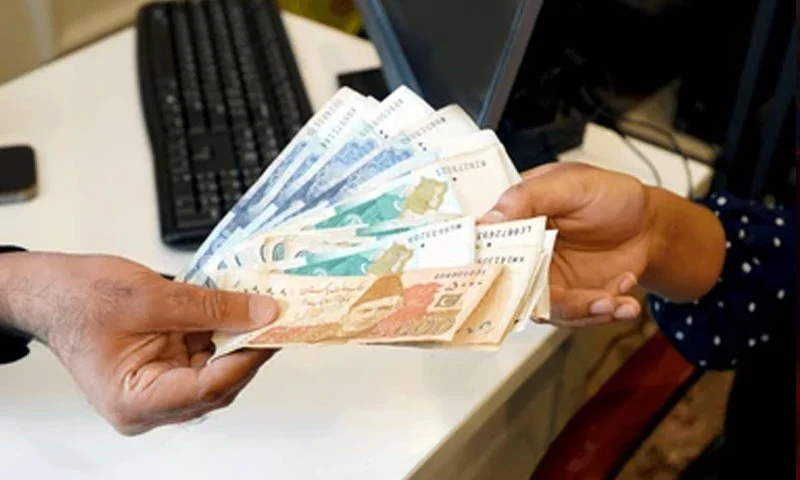
Rs13,000 Per Family: PM Announces Massive Ramadan Relief
Prime Minister Shehbaz Sharif has unveiled a Rs38 billion Ramadan Relief Package 2026, aiming to provide much-needed financial support to low-income and deserving families across Pakistan as the holy month of Ramadan approaches. The announcement was made at an official launch ceremony in the federal capital, where the premier detailed the scope, scale and implementation mechanism of this landmark programme. Under the new relief package, 12.1 million families across all four provinces, Azad Jammu and Kashmir and Gilgit-Baltistan will receive Rs13,000 each directly into their digital wallets or bank accounts, ensuring transparent and efficient delivery. Payments will be made without discrimination, irrespective of political affiliation or personal viewpoint, the prime minister said. Shift to Digital Cash Transfers The government has revamped the traditional utility store-based distribution system, which previously involved queues and concerns over quality. Instead, a cashless digital payment system will deliver funds directly to beneficiaries’ bank accounts or mobile wallets. The State Bank of Pakistan has issued a framework to support smooth implementation, and a special helpline, mobile app and web portal have been introduced to assist recipients. Prime Minister Sharif noted that a third-party audit of last year’s Rs20 billion distribution revealed no lapses or corruption, and this year’s enhanced package will be executed with renewed commitment and oversight. “Our aim is to ensure that deserving families receive this support with dignity,” he said at the ceremony. Details of the Relief Allocation Of the total Rs38 billion, Rs10 billion is earmarked for families already registered under the government’s Kafalat Programme, a social safety net initiative targeting vulnerable households. The remaining Rs28 billion will support families not covered by existing welfare programmes. Officials say the programme represents the largest federal Ramadan relief initiative in terms of scale and logistical complexity. Payments through digital banking platforms will reduce administrative costs, limit opportunities for fraud and ensure timely delivery of cash relief. Boost to Social Welfare Ahead of Ramadan The Ramadan Relief Package aims to ease the financial burden of inflation and rising living costs during a month when many families increase spending on food, utilities and other essentials. By providing direct cash assistance, the government hopes to empower families to manage their needs with dignity and without delay. Prime Minister Sharif announced the formation of a high-level oversight committee, including federal ministers, to monitor every stage of the disbursement process. He also pledged periodic reviews to ensure proper implementation and address any gaps in execution.
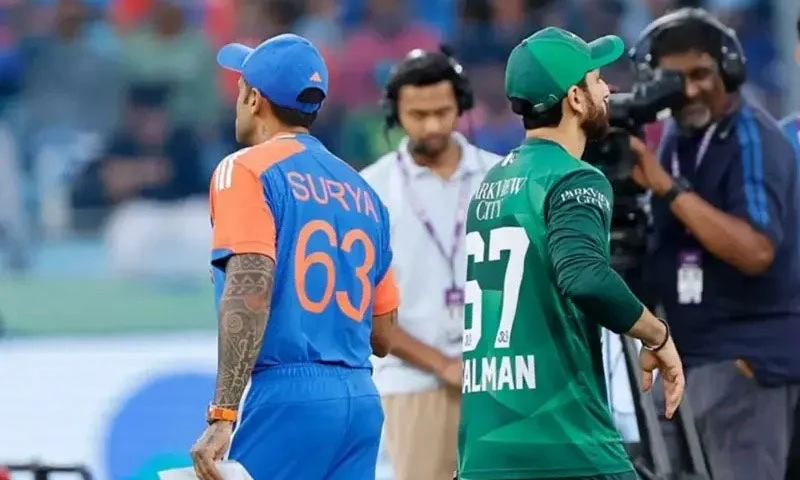
Historic Showdown Today: Pakistan Face India in T20 World Cup Clash
Today is not just another match day. It is the day when cricket’s most historic and high-voltage rivalry takes center stage once again. Pakistan and India lock horns in a blockbuster ICC Men’s T20 World Cup 2026 clash that promises drama, emotion and global attention. Few sporting contests carry the weight and intensity of an India-Pakistan encounter. Generations of fans have witnessed unforgettable moments, heartbreak, triumph and tension whenever these two sides meet. From World Cup classics to last-ball thrillers, this rivalry remains the most watched fixture in international cricket. Colombo Set for Global Spotlight The match will be played today at the R. Premadasa Stadium in Colombo, Sri Lanka, with both teams entering the contest unbeaten in the group stage. A victory would significantly strengthen Super Eight qualification hopes and deliver a major psychological advantage. India have historically dominated Pakistan in T20 World Cup meetings, winning the majority of encounters. However, Pakistan’s memorable 10-wicket win in the 2021 edition remains a reminder that momentum can shift dramatically in this rivalry. This year’s clash carries added tension. Earlier uncertainty around the fixture created off-field noise, but both teams have since confirmed full readiness. The focus now shifts entirely to performance. Weather Could Play a Role There is, however, one potential disruptor. Weather forecasts for Colombo indicate a risk of rain and thunderstorms during parts of the day. Reports suggest possible interruptions, although tournament officials have reserve provisions in place should play be delayed. The Premadasa surface traditionally offers assistance to both spinners and seamers. The average first-innings score at the venue in T20 internationals hovers around 150, though totals above 180 have been successfully defended in recent matches. Conditions could therefore influence team strategy, especially if the match is shortened. Fans Expect Drama, Fear Heartbreak Back in Pakistan, fan sentiment remains mixed. Many supporters approach the day with cautious optimism, while others admit they are bracing for emotional turbulence. India’s strong record in ICC events has often tilted expectations, yet Pakistan’s unpredictability keeps hope alive. Social media platforms are already flooded with predictions, tactical debates and nostalgic references to past encounters. The emotional stakes are as high as the sporting ones. As the sun rises on match day, one thing is certain. The world will be watching. And when Pakistan face India, history always feels close at hand.
