

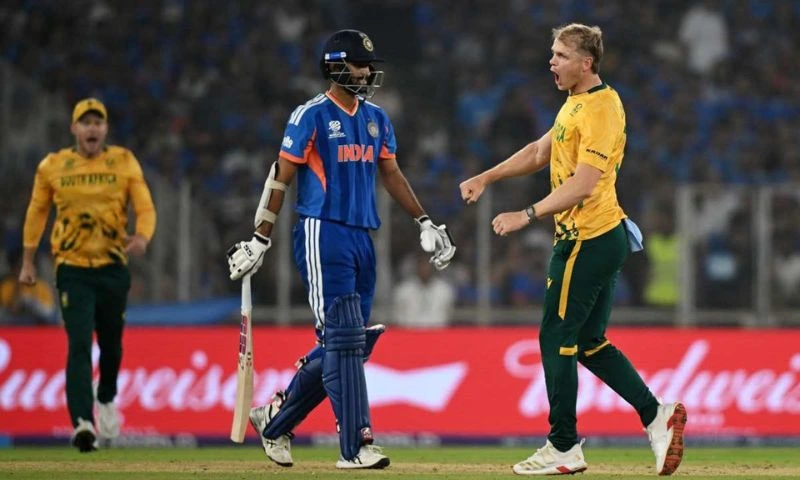
South Africa delivered a dominant performance today to defeat India by 76 runs in a high stakes ICC Men’s T20 World Cup 2026 Super 8 clash. The much anticipated contest lived up to its billing, but it was the Proteas who controlled the game from start to finish. Batting first at a packed Narendra Modi Stadium in Ahmedabad, South Africa posted an imposing 187 for 7 in 20 overs. India, chasing under pressure, were bowled out for just 111, suffering one of their heaviest defeats in recent T20 World Cup history. South Africa Build a Strong Total South Africa’s innings began with positive intent. Their openers attacked during the powerplay while maintaining smart strike rotation. India’s bowlers struggled to contain boundaries in the early overs. The middle order then stepped up, keeping the run rate healthy through calculated aggression. India managed to take wickets at regular intervals, but they failed to slow the scoring. South Africa capitalised in the final overs, adding crucial runs that pushed the total close to 190. Analysts considered 187 a challenging target given the pitch conditions and the pressure of a Super 8 encounter. India’s Batting Falters Under Pressure India’s chase started cautiously but quickly ran into trouble. Early breakthroughs from South Africa’s pace attack shifted momentum. The Indian top order failed to build partnerships, which increased scoreboard pressure. South Africa’s bowlers maintained tight lines and disciplined field placements. India struggled to find boundaries, and the required run rate kept climbing. As wickets continued to fall, the chase slipped further away. The Proteas wrapped up the innings efficiently, bowling India out for 111. The 76 run margin reflected their control with both bat and ball. Super 8 Race Intensifies The result carries major implications for the Super 8 standings. South Africa strengthened their push for a semifinal spot with a commanding win. India now face added pressure in their remaining fixtures and may need to rely on net run rate. Both teams entered the match with strong tournament momentum. However, South Africa’s balanced display highlighted their depth in both departments. Their pace unit executed plans with precision, while the batting lineup delivered at key moments. India will need to regroup quickly as the tournament moves toward its decisive phase. With only a few matches left before the knockout stage, every point matters. Today’s result not only reshaped the Super 8 table but also sent a clear message that South Africa are serious contenders for the T20 World Cup title.

Xiaomi 17 Ultra to Debut Worldwide on February 28 in Barcelona
Xiaomi has officially revealed the global launch date for its Xiaomi 17 series. The company confirmed that the new flagship lineup will debut on February 28, 2026, in Barcelona, Spain, shortly before the start of Mobile World Congress (MWC) 2026. The announcement comes as Xiaomi ramps up its presence in the premium smartphone segment worldwide. The event runs under the theme “The New Wave of Imagery is Arriving,” signaling Xiaomi’s focus on advanced camera technology. The global launch will highlight two main models: the Xiaomi 17 and Xiaomi 17 Ultra, both expected to go on sale soon after the debut. What Are the Expected Global Prices? Leaked pricing ahead of launch gives a helpful guide to what buyers can expect in the global market. Multiple reliable sources report the following approximate USD price points: Xiaomi 17• 12GB RAM + 256GB storage: around $1,080 USD• 12GB RAM + 512GB storage: around $1,190 USD Xiaomi 17 Ultra• 16GB RAM + 512GB storage: roughly $1,620 USD• 16GB RAM + 1TB storage: near $1,840 USD These figures align with the device’s premium positioning and place it in competition with high-end phones from other major brands. Powerful Hardware and Camera Innovation Both the Xiaomi 17 and 17 Ultra are expected to be powered by the Qualcomm Snapdragon 8 Elite Gen 5 chipset. This processor aims to deliver fast performance and efficient power use for gaming, multitasking, and intensive workflows. Camera features are a major selling point. The 17 series integrates Leica-branded imaging systems, pushing Xiaomi’s strength in mobile photography. The Ultra model, in particular, will likely pack advanced optical hardware including large sensors and enhanced zoom capabilities. Display technology is also strong, with the Ultra model expected to offer a 6.9-inch LTPO AMOLED screen with high refresh rates. Battery capacity and charging technology remain competitive, with fast wired and wireless support across the series. Read More: Xiaomi 18 Price and Features Leak: Camera, Display, and Performance Insights Competitive Timing and Global Strategy The timing of the global launch is strategic. With rival brands like Samsung expected to announce their own flagship models at MWC 2026, Xiaomi’s decision to reveal prices and features just before the event could help it capture greater media attention. Xiaomi’s recent global launches, such as the Xiaomi 15 series, strengthened its premium market presence in 2025. The 17 series takes that strategy further with improved performance, cameras, and build quality targeting buyers looking for flagship experience without flagship price inflation seen elsewhere. Consumers around the world will be watching the Barcelona event closely to see how the Xiaomi 17 and Xiaomi 17 Ultra stack up against other top-tier smartphones. With strong USD pricing and high-end specs, Xiaomi aims for a significant impact in global markets.
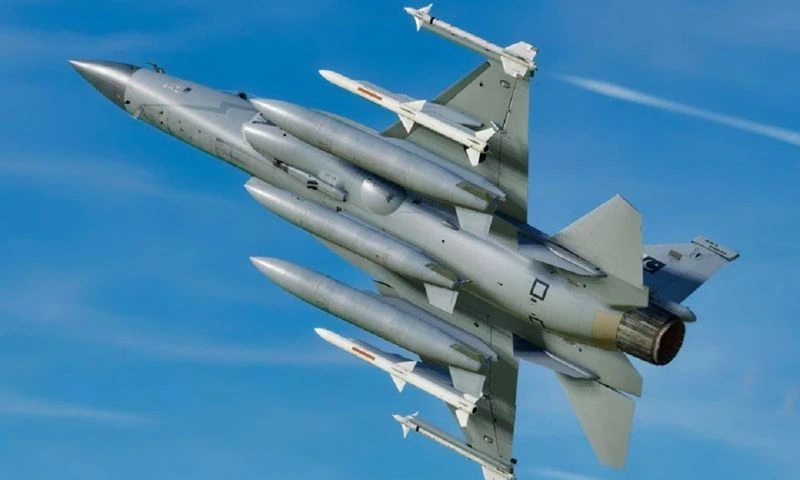
Somalia Nears Historic $900M Deal to Buy 24 JF-17 Fighter Jets From Pakistan
Somalia is in high-level negotiations with Pakistan to buy up to 24 JF-17 Thunder Block III fighter jets in a defence deal valued at roughly $900 million. The talks mark Mogadishu’s most ambitious defence investment since the collapse of the Somali state in 1991. The discussions gained traction after Somali Air Force Commander Mohamud Sheikh Ali visited Islamabad in February 2026 to press for stronger air defence capability. Somalia has lacked a fixed-wing combat fleet for decades, relying instead on foreign partners for aerial security. If finalised, the agreement would restore a key arm of sovereign defence to Somali forces. Pakistan’s Defence Production Minister Raza Hayat Harraj explained that the JF-17 Thunder Block III offers a cost-effective alternative to Western jets. He said that while Western fighters cost significantly more, a JF-17 unit is priced between $30–$40 million. The aircraft deal also includes pilot training, weapons integration, spare parts, and logistical support. An analyst based in Islamabad highlighted the full package appeal of this platform. The JF-17’s blend of affordability and flexibility draws interest from countries that want modern air power without heavy political conditions attached. Read More: From Fighter Jet to Economic Asset: How JF-17 Is Redefining Pakistan’s Global Standing Why This Matters Somalia’s move reflects a strategic shift in Horn of Africa security. The nation’s long coastline, extensive airspace, and key port cities make air defence uniquely important. Somalia’s government has faced a long battle against al-Shabab and other threats. By re-establishing its air force, Mogadishu aims to take control of its own skies. Experts say this deal could reshape regional power dynamics. It comes at a time when Pakistan is negotiating JF-17 sales with multiple nations, including potential interest from Bangladesh, Indonesia, and others. The jet’s global demand rose after its performance in recent regional conflicts increased its reputation. This proposed transaction could be Somalia’s largest defence purchase in decades. The inclusion of pilot training and systems support underscores long-term cooperation rather than a simple arms sale. Observers note that Somalia might attract financial backing from allies like Saudi Arabia and Turkey to fund the deal. Read More: Strengthening Ties: JF-17 Thunder Talks Highlight Pakistan–Bangladesh Defence Cooperation Beyond the Deal The JF-17 Thunder is a 4.5-generation multirole fighter developed jointly by Pakistan Aeronautical Complex and China’s AVIC Chengdu with multi-role capability, modern avionics, and weapons systems. Its competitive price and systems integration have boosted Pakistan’s export pipeline. For Somalia, acquiring these jets would not only restore a vital defence capacity but also signal a powerful message of sovereignty and strategic resurgence in one of Africa’s most volatile regions.
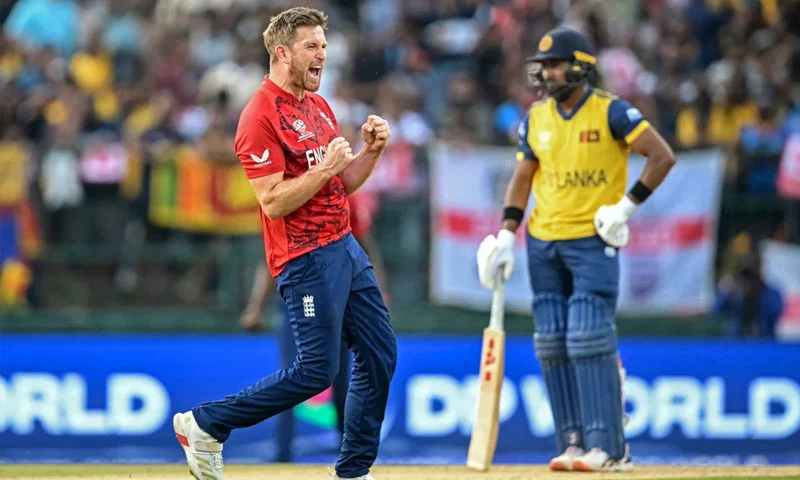
England Dominate Sri Lanka by 51 Runs to Kick-start Super 8s in T20 World Cup 2026
England delivered an emphatic performance to begin their Super 8s campaign in the ICC Men’s T20 World Cup 2026, defeating co-hosts Sri Lanka by 51 runs at the Pallekele International Cricket Stadium in Kandy on Sunday. The match highlighted England’s strength with the ball and exposed Sri Lanka’s batting struggles under pressure in the early stages of the Super 8 round. Sri Lanka won the toss and opted to field first, a decision aimed at exploiting familiar conditions and home advantage. England posted a competitive total of 146 for nine in their allotted 20 overs, largely built around a powerful knock from Phil Salt, who scored 62 runs off 40 balls. Sri Lanka’s bowlers responded well with disciplined spells from Dunith Wellalage, Maheesh Theekshana and Dilshan Madushanka. Read More: NZ vs Pakistan Called Off: How the Washout Changes the Semi Final Race Despite early breakthroughs by Sri Lanka, England’s innings showed resilience after setbacks at the top order. Salt anchored the innings, forging valuable partnerships and providing a platform for the lower middle order to contribute. Salt’s half-century proved decisive in setting a defendable target. Chasing 147, Sri Lanka’s innings quickly crumbled as England’s bowlers struck regularly. Will Jacks led the attack, finishing with figures of 3 for 22, including two wickets in consecutive deliveries in the powerplay. Jofra Archer and Liam Dawson also made significant contributions with the ball, applying relentless pressure on the home side’s batting lineup. Read More: Zimbabwe Beats Sri Lanka to Top Group B in T20 World Cup Sri Lanka’s chase collapsed to 34 for 5 inside the powerplay, with key players dismissed cheaply. Pathum Nissanka, who had been in excellent form earlier in the tournament, managed just nine runs before departing. Dasun Shanaka top-scored with 30 but lacked support from the rest of the order, and Sri Lanka were bundled out for 95 in 16.4 overs. The match featured moments typical of T20 drama, including an unusual dismissal when Sri Lankan batter Dushan Hemantha accidentally hit his own stumps, drawing gasps from the crowd. England’s victory gives them an early boost in Super 8 Group 2, a pool that also includes Pakistan and New Zealand. Winning this opener is crucial for teams targeting a semifinal spot, as only the top two from each group advance. Read More: Cricket Shakeup: ICC May Move 2029 and 2031 Events From India to Australia The win also reflects England’s historical edge over Sri Lanka in T20 cricket. According to live score details, England enjoys a strong head-to-head record in T20 internationals, including multiple wins over Sri Lanka in past World Cups. Sri Lanka now face pressure to regroup quickly and improve their performance to stay competitive in this Super 8 phase. The team’s batting consistency and strategic execution will be key in upcoming matches if they hope to progress further in this prestigious global event.

Team Sialkot Ownership Shake-up: New Strategic Partner Set to Buy 90% Stake in PSL Franchise
Team Sialkot, the newest franchise in the expanded Pakistan Super League (PSL), is on the verge of a major ownership change just weeks before its debut season. A new investor has agreed to purchase over 90% of shares in the team after financial issues hit its original owners. This move will significantly reshape the administrative control of the franchise. The PSL expanded from six to eight teams for the 2026 season, and Sialkot was awarded one of the new slots at a high-profile auction in January. The Pakistan Cricket Board (PCB) confirmed that OZ Group secured the franchise for Rs1.85 billion. The team will be known as Sialkot Stallionz and is set to compete alongside established sides such as Lahore Qalandars, Islamabad United and Karachi Kings. Read More: Game-Changer for PSL 11: Steve Smith Joins Sialkot Stallionz in Landmark Deal Despite the early excitement, OZ Group soon faced financial difficulties. After the successful bid, its local and Swiss partners withdrew due to concerns about the high purchase price and future obligations. This left the franchise struggling to meet payment deadlines and fulfill franchise requirements. Initially, OZ Group had planned to transfer a 75% stake to another investor. A press event was held in Lahore and Karachi to announce the new partner, Muhammad Shahid, but no funds were ever received. When that arrangement collapsed, PCB began searching for another qualified and financially stable investor. According to trusted sources close to the negotiations, a party that had not succeeded in the original bidding process has now agreed to buy more than 90% of the franchise shares. This deal would effectively remove OZ Group’s administrative control. Under PSL rules, however, a full 100% ownership transfer cannot occur until three years have passed since the initial sale. The incoming investor is expected to act as a strategic partner, bringing fresh capital and stability to the Sialkot franchise. Read More: From Domestic Legends to PSL Debut: Sialkot Stallionz Announced The PCB also investigated the existing ownership group and found that one of the original owners had previously declared bankruptcy. This raised concerns about long-term financial sustainability and added urgency to secure a more credible backer. The new investor is reportedly financially stable, and officials expect an official announcement within the next week. The ownership turmoil has also impacted leadership roles. Veteran fast bowler and former Pakistan captain Wasim Akram had been named president of Sialkot Stallionz as part of an earlier proposed 75% stake deal. However, he confirmed that no formal agreement was ever finalized, and he is no longer associated with the franchise. As PSL 11 approaches, Sialkot’s ownership changes will be closely watched. Fans and analysts hope that new investment will ensure a stable future for the team and strong competition on the field. With cricket fever building across Pakistan ahead of the March 26 season kick-off, Sialkot’s journey into the league promises to be one of the most talked-about stories of the year.
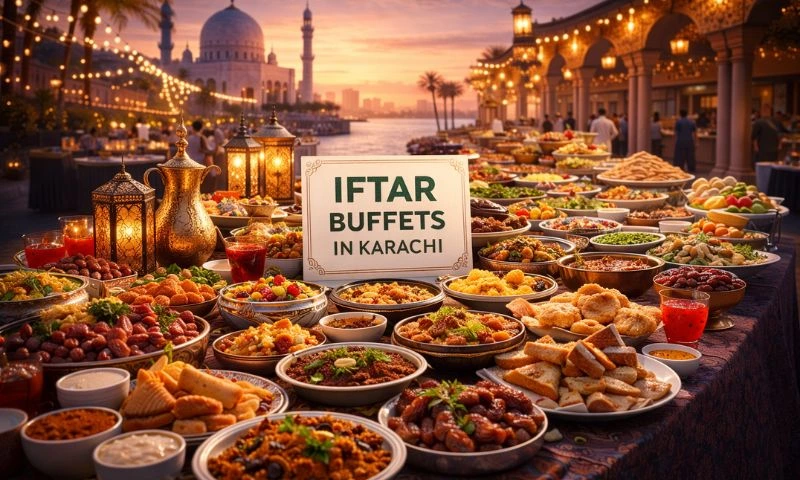
Karachi Iftar Buffets 2026: 15 Plus Places Everyone Is Booking This Ramadan
Ramadan transforms Karachi’s food scene into a lively feast. Restaurants and hotels roll out special iftar buffets with vast spreads, drinks, desserts and traditional favorites. These buffets let families and friends break their fast together in festive, welcoming settings across the city. Buffet prices vary widely by venue and menu style. Some focus on desi BBQ and traditional dishes, while others offer multi-cuisine international spreads. Most buffets include dates, juice/rooh afza, chaat, main courses, desserts and hot drinks prepared for iftar. Ask about tax and reservation requirements before booking. 1. Lal Qila – PKR 2,690+ tax Lal Qila is one of Karachi’s most iconic buffets, known for its authentic Mughlai, barbecue and traditional Pakistani cuisine. Expect plenty of grilled meats, biryanis and desserts in a rich, heritage-style setting. 2. Kolachi (Do Darya) – PKR 2,500–3,000 approx Kolachi’s open-air waterfront location at Do Darya makes it a popular ramadan choice. Its iftar buffet blends Pakistani classics with BBQ and live counters in a scenic sea view setting. 3. Nadia Cafe – PKR 3,500+ tax Nadia Cafe’s buffet offers over 40 curated iftar and dinner items, combining traditional favorites with contemporary dishes for a well-rounded Ramadan feast. 4. Saltanat Restaurant – PKR 2,903 card / 3,134 cash Saltanat’s lavish iftar spread includes 70+ dishes with BBQ specialties, Pakistani mains, desserts, salads and drinks. Children under four eat free, making it family-friendly. 5. Bar B.Q Tonight – PKR 1,800–2,400 This classic Karachi chain offers a hearty Pakistani iftar buffet with pakoras, samosas, BBQ, curries and sweets. Prices vary by branch. 6. La Chine – ~PKR 3,500+ La Chine’s Ramadan buffet features 55+ items spanning Chinese and fusion dishes with Iftar classics like samosas and desserts included in the set. Special reservation discounts are often available. 7. Mizaaj Restaurant – PKR 2,950+ tax Mizaaj serves a blend of 40+ Pakistani and international dishes, featuring biryani, chicken handis, flavored starters and desserts, making it a well-liked Ramadan buffet option. 8. Cocochan – PKR 2,990+ tax Cocochan’s Asian-leaning iftar offers Chinese, Thai and Japanese variety along with classic Iftar items. Kids’ prices are often lower. 9. Clock Tower Restaurant – PKR 2,980+ tax This restaurant hosts a diverse buffet featuring samosas, kebabs, BBQ fish, soups, and desserts. Its views and ambiance make it a favorite for Ramadan gatherings. 10. Zameer Ansari – PKR 1,499+ tax A budget-friendly option with over 80 items, focusing on BBQ, desi mains, refreshing drinks and desserts in a lively setting. 11. Mailma Restaurant – PKR 2,999+ tax Mailma offers a diverse international and Pakistani buffet with curries, grilled items and desserts in a cozy setting ideal for family iftars. 12. Studio 7Teas – PKR 1,199 Studio 7Teas presents a casual buffet with wraps, sliders, mini pizzas, soups, traditional snacks and refreshing drinks at a very affordable price. 13. Coconut Grove – ~PKR 2,799+ tax Known for its chaat station and dessert bar, Coconut Grove mixes live BBQ, starters and main courses in an open-air setting. 14. Rajdhani Delights – PKR 2,500–3,000 approx Rajdhani’s themed buffet brings Rajasthani and Gujarati flavors along with traditional Iftar items for a unique spread. 15. Ramada Plaza (La Terrasse & Pool BBQ) – ~PKR 4,950+ Ramada’s multi-cuisine buffet and poolside BBQ offer a premium experience, with a broad mix of Pakistani, Chinese, continental and grilled dishes.
Ramadan Retail Boom in Pakistan: Why Markets Explode Every Year
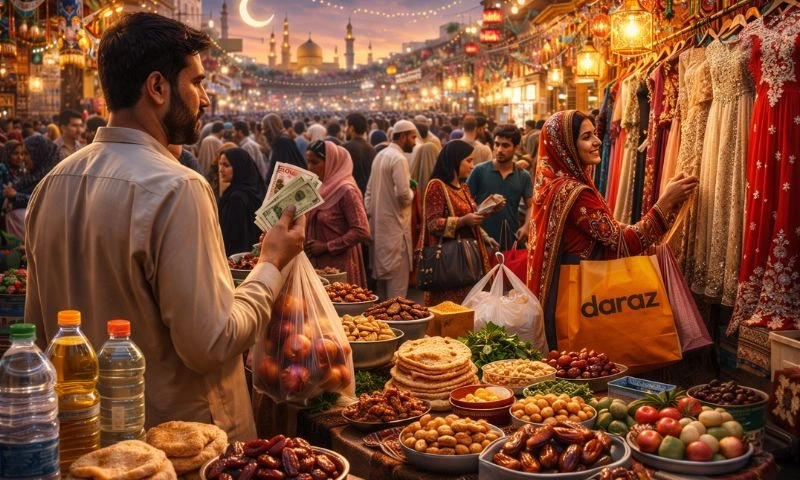
Ramadan is not just a spiritual month in Pakistan. It is also the country’s biggest retail season, stretching from pre-Ramadan stocking to the Eid shopping rush. Ramazan is the busiest month for markets, with household spending rising over 40% above routine levels across social classes. This demand surge shows up everywhere: packed bazaars, longer traffic jams, and higher online orders. It also changes what people buy. Groceries and kitchen staples lead early. Clothing, footwear, beauty, and gifts peak as Eid gets closer. What Pakistanis Buy More and Why Retail demand in Ramadan tends to concentrate in three buckets. First is food and beverages, driven by iftar hosting and home cooking. Second is charitable giving, which indirectly supports consumption for lower-income households. Third is Eid preparation, which pulls spending into apparel, shoes, accessories, and small home upgrades. Research shared by the State Bank of Pakistan referencing a published study concluded: “Muslim consumers spend around 40pc more money during the holy month of Ramadan.” Even when wallets are tight, the seasonal effect stays powerful. In 2023, Reuters reported Pakistan’s Eid retail sales were weaker than usual due to high inflation, with retailers describing a visible drop in buying compared to earlier years. Read More: Zong vs Ufone vs Jazz: The Ramadan Bundles Everyone Talks About Subsidies, Price Controls, and the Inflation Factor Ramadan also forces the state to respond. In March 2024, the federal government launched a Rs7.5 billion Ramadan relief package, including subsidies on 19 essential items. But market expansion is not guaranteed. Ajmal Baloch, president of All Pakistan Anjuman-e-Tajiran, said: “Market expansion is a function of citizens’ disposable income and its purchasing power.” E-Commerce and Payments Get a Ramadan Boost Digital retail competes hard during Ramadan. Daraz campaigns and flash deals have become a key channel for household and Eid shopping. In Feb 2025, APP reported Daraz Pakistan promoted “grand savings” with discounts up to 80% off, including time-limited deals. Remittances also help fuel consumption. Reuters, citing Pakistan’s finance ministry outlook, said remittances often rise due to seasonal factors like Ramadan and Eid, as overseas Pakistanis send extra money home. Read More: The Resilience of Ramadan: How Faith Survives Conflict and Loss The Bottom Line Ramadan acts like a national demand shock. It lifts grocery volumes, accelerates Eid retail, and pulls more transactions online. When inflation eases and remittances rise, the retail boom becomes even louder. When prices spike, demand shifts toward discounts, subsidies, and value packs, but the season still dominates Pakistan’s retail calendar.
Streaming History: Pakistan Announces Web Series on Quaid-e-Azam and Allama Iqbal
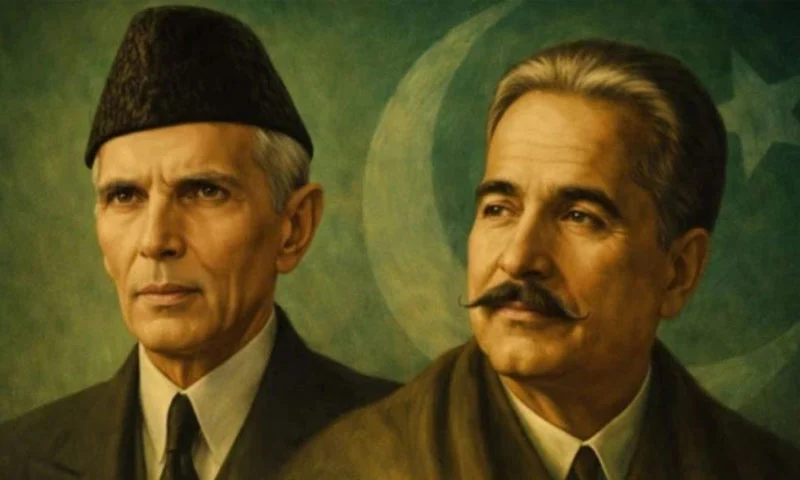
Pakistan is set to produce a groundbreaking web series celebrating the lives and legacies of two of the nation’s most iconic leaders: Quaid-e-Azam Muhammad Ali Jinnah and Allama Muhammad Iqbal. The project aims to bring their vision, sacrifices, and enduring messages to a new generation through digital storytelling. The announcement was welcomed by historians, educators, and media professionals who see the series as an opportunity to explore the ideals that shaped Pakistan’s creation and national identity. The producers plan to premiere the series later this year on major streaming platforms, making it easily accessible to audiences both domestically and internationally. A Tribute to Two Foundational Figures Quaid-e-Azam Muhammad Ali Jinnah, revered as the founder of Pakistan, led the political struggle for an independent Muslim homeland. His leadership in the Pakistan Movement culminated in the creation of Pakistan on August 14, 1947. Jinnah’s firm commitment to justice, federalism, and minority rights continues to influence Pakistan’s political discourse. Allama Muhammad Iqbal, regarded as the spiritual precursor to the idea of Pakistan, was a philosopher, poet, and visionary thinker whose work inspired Muslim intellectuals across South Asia. Iqbal’s poetry in Urdu and Persian articulated themes of selfhood, revival, and unity, earning him the title of Mufakkir-e-Pakistan and Hakeem-e-Punjab. The web series is expected to explore not just the historical milestones in their lives, but also the ideals that continue to resonate with young Pakistanis. Through dramatized scenes, biographical narratives, and expert commentary, the series will contextualize their contributions in modern terms. Creative Vision and Production Goals Producers involved in the project have emphasised their desire to craft a series that is both educational and engaging. One creative director, speaking on condition of anonymity because contractual details are still being finalised, said that the project will “use high-quality production values and innovative storytelling to bring these remarkable personalities to life for today’s audiences.” The series is expected to include interviews with scholars, archival footage, dramatizations of key moments, and interpretations of famous speeches and writings. Pakistan has seen growing interest in historical and biographical dramatizations in digital media, with previous projects focusing on national heroes and cultural icons gaining substantial viewership on streaming platforms like YouTube, Netflix, and local OTT services. Cultural Resonance and Educational Impact Historians say this series could play a valuable role in education, offering context and nuance that textbooks often miss. A university professor of history commented that engaging visual media can strengthen public understanding of national history. As anticipation builds, audiences are already discussing potential casting choices and how the series might portray pivotal moments such as the Lahore Resolution of 1940 and Iqbal’s influential speech in 1930 at Allahabad.

Hyundai Confirms Palisade Pre-Bookings and Pricing for Pakistan
Hyundai Nishat Motor has officially announced that pre-bookings and pricing details for the highly anticipated Hyundai Palisade SUV in Pakistan will be unveiled on February 23, 2026, setting the stage for the model’s formal introduction to the local market. The confirmation comes as interest builds among SUV buyers seeking premium large-size vehicles. The Palisade, Hyundai’s flagship three-row SUV, has already been spotted on Pakistani roads ahead of its launch, with images circulating on social media showing the model’s bold design and spacious exterior. Enthusiasts have praised its large grille, vertically stacked LED lights and multi-spoke alloy wheels. Local Assembly and Market Strategy Hyundai is set to locally assemble the Palisade in Completely Knocked Down (CKD) form, making Pakistan the first country outside of South Korea to produce this SUV locally. This strategy should improve supply availability and potentially reduce costs compared to fully imported units. The local assembly move is seen as a major milestone for Hyundai Pakistan’s product lineup and a signal of greater focus on the premium SUV segment. Adventure-ready but always photo-ready. The Hyundai Palisade does it all.https://t.co/RdSIPDvc5o pic.twitter.com/KlMqZQT2Np— Philpott Hyundai (@PhilpottHyundai) February 8, 2026 While the company has not yet released detailed specifications or variant information for the Pakistani version, global data shows the Palisade is a mid-size SUV with seating for up to seven or eight passengers, making it a strong family choice. Its premium features include a modern infotainment system, advanced safety systems, and refined interior comfort. Industry watchers note that locally assembling a large SUV like the Palisade shows confidence in Pakistan’s growing demand for premium vehicles. The SUV market in Pakistan is expanding rapidly, with buyers increasingly looking for models that combine utility, space and modern technology. The Palisade’s anticipated arrival is expected to create competition with other large SUVs and influence purchasing trends in the segment. What Buyers Are Expecting Prospective buyers expect the Palisade’s features to include a powerful petrol engine and possibly hybrid variants, given the global SUV’s availability in multiple powertrains, including hybrid options for improved fuel efficiency. Globally, the 2026 Palisade range starts at over $40,000 in the United States, with advanced trims and hybrid versions commanding higher prices due to enhanced features and technology. The new Hyundai Palisade has a polarizing look and an inviting, upmarket cabin.Do you like it or is it a bit too much?📸 by runni_log pic.twitter.com/5COjtR1Q02— CarsInPixels (@cars_pixels) January 23, 2025 In Pakistan, unofficial price estimates based on similar SUVs suggest prices could land in a premium bracket, potentially ranging from PKR 12 million to PKR 13 million or more depending on the variant and features, though the official price will be revealed on launch day. The Palisade’s introduction may also give Hyundai an edge against competitors such as the Toyota Highlander and the GWM Tank 500, which are also poised for local launches. If Hyundai can confirm competitive pricing and delivery timelines, the Palisade could become a top choice for buyers seeking luxury, space and performance. With booking and price details set for February 23, 2026, Pakistani SUV buyers are watching closely ahead of what could be one of the year’s biggest automotive introductions.
Saudi Arabia Condemns US Envoy to Israel Over Controversial Middle East Remarks, Demands Clarification
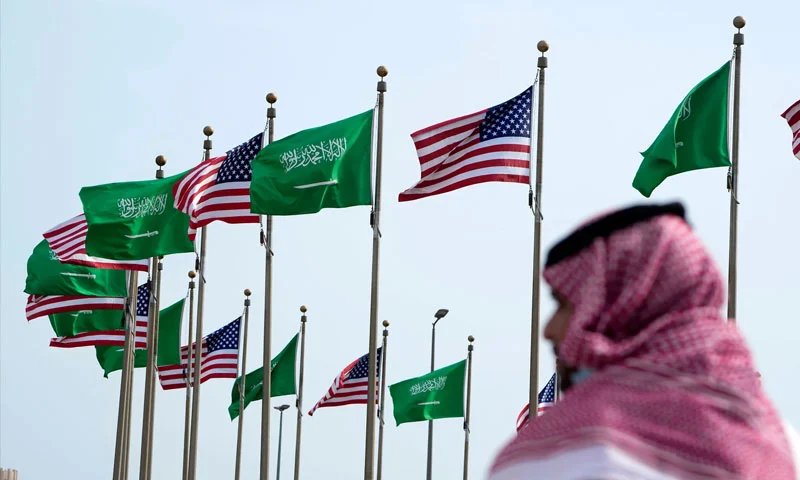
Saudi Arabia has strongly condemned recent remarks by the US ambassador to Israel, saying they undermine international law and regional stability. The Kingdom’s Ministry of Foreign Affairs issued an official statement rejecting the contentious comments and calling for urgent clarification from the United States. The controversy began when Mike Huckabee, the United States ambassador to Israel, suggested that it would be acceptable if Israel assumed control over the entire Middle East, including territories such as the West Bank. Huckabee made the remarks in a public address, prompting swift diplomatic backlash from several countries, especially in the Arab world. Read More: Trump Leads First Board of Peace Meeting: The Global Peace Plan Faces Criticism In its response, the Saudi foreign office said it “categorically denounced” the ambassador’s comments, describing them as “irresponsible statements that contravene international law, the United Nations Charter and established diplomatic norms.” The ministry argued that the remarks set a dangerous precedent, particularly coming from a senior US official whose comments carry significant influence across the region. Saudi leadership made clear that the remarks jeopardise longstanding diplomatic relationships and fuel further instability in an already volatile region. Riyadh emphasized its commitment to a just and lasting peace process in the Middle East, rooted in internationally agreed resolutions and respect for sovereign jurisdictions. The Kingdom outlined that it expects allied nations to uphold principles of international law and consensus-based diplomacy when commenting on sensitive geopolitical issues. Saudi Arabia’s position reflects its role as a key regional actor and its longstanding support for the two-state solution to the Israeli-Palestinian conflict, which envisions a sovereign Palestinian state on pre-1967 borders with East Jerusalem as its capital. Read More: China Opens Visa-Free Entry to Canadians and British Visitors The diplomatic dispute comes amid broader tensions in the Middle East, where issues surrounding land, security, and governance continue to impact global relations. Experts on Middle Eastern politics say that diplomatic language carries great weight in the region, making every public statement potentially influential in shaping international opinion and policy. Analysts note that Saudi Arabia’s swift rebuttal signals a firm stance on defending established diplomatic norms and regional stability. The timing of the condemnation coincides with a period of regional and international focus on Middle East peace negotiations. Just days earlier, several nations, including Jordan, also criticised the remarks, calling them inconsistent with efforts to promote peace and de-escalation across the region. These responses highlight a broader concern among Arab countries about any rhetoric that could justify expansionist policies or erode long-standing territorial agreements. Read More: Saudi Rail Investment Pays Off With Record Travel and Cargo Figures As demands for clarification reach Washington, diplomatic observers are watching for how the US government will respond, balancing its strategic alliances and regional peace aspirations. The incident underscores the ongoing sensitivity of Middle East politics and the importance of careful diplomatic dialogue in pursuing sustainable peace.
