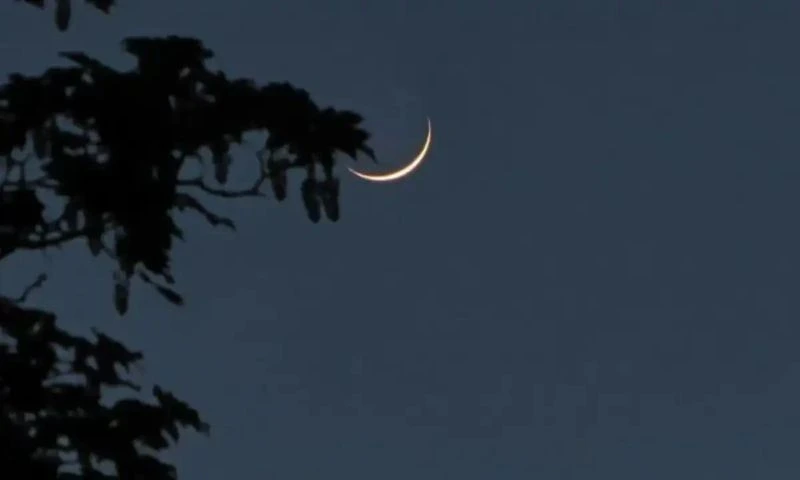
The Pakistan Meteorological Department (PMD) has predicted that there is no chance of sighting the Shawwal crescent on the evening of March 19, 2026, based on astronomical calculations. This forecast implies that the holy month of Ramadan 1447 AH will complete its full 30 days in Pakistan, making Eid-ul-Fitr most likely to fall on Saturday, March 21, 2026.
These scientific forecasts provide a strong indication, but the final and official announcement will still be made by the Central Ruet-e-Hilal Committee, the government’s official body that confirms lunar sightings across the country.
How Eid-ul-Fitr Date Is Determined
Eid-ul-Fitr marks the first day of Shawwal, the month that follows Ramadan in the Islamic lunar calendar. The festival begins once the crescent moon of Shawwal is sighted after the end of Ramadan. If the moon is not seen on the 29th day of the fasting month, Ramadan completes 30 days and Eid is observed the next day.
According to astronomical predictions, the new moon (conjunction) of Shawwal will occur on March 19, 2026, but its visibility around sunset is expected to be extremely unlikely in Pakistan. This low probability drives the PMD’s forecast that Ramadan will continue through its full 30 days.
Ramadan and Eid Timelines Across the Muslim World
Similar lunar forecasts and sighting traditions are observed internationally. Scientific models and moon sighting committees in countries such as the UAE, Turkey and Singapore have projected that Ramadan likely began on February 19, 2026, and is expected to conclude around March 20 or 21.
Astronomers in Pakistan also projected that the crescent moon for Ramadan was likely to be observed on February 18, making the first fast of Ramadan on February 19 after official confirmation.
Globally, the diversity in moon sighting practices — local physical sightings versus astronomical calculations — means that the exact date of Eid can sometimes differ by one day between regions.
Role of the Central Ruet-e-Hilal Committee
The Central Ruet-e-Hilal Committee, established in 1974 and supported by PMD observatories, remains the authoritative body responsible for declaring the official start and end of Ramadan based on moon sighting testimonies and scientific data. The Committee gathers reports from across Pakistan and announces the day of Eid after thorough review.
Once the moon is officially sighted, communities celebrate Chaand Raat — the night before Eid — with shopping, henna application, family gatherings and preparations for the festival itself.
Looking Ahead to Eid-ul-Fitr
While the PMD’s forecast strongly points toward Eid-ul-Fitr on March 21, final confirmation will follow the Ruet-e-Hilal Committee’s announcement after moon sighting reports on the evening of March 20. Families and communities across Pakistan are preparing for the festive occasion that marks the end of a month of fasting, prayer, charity and reflection.