
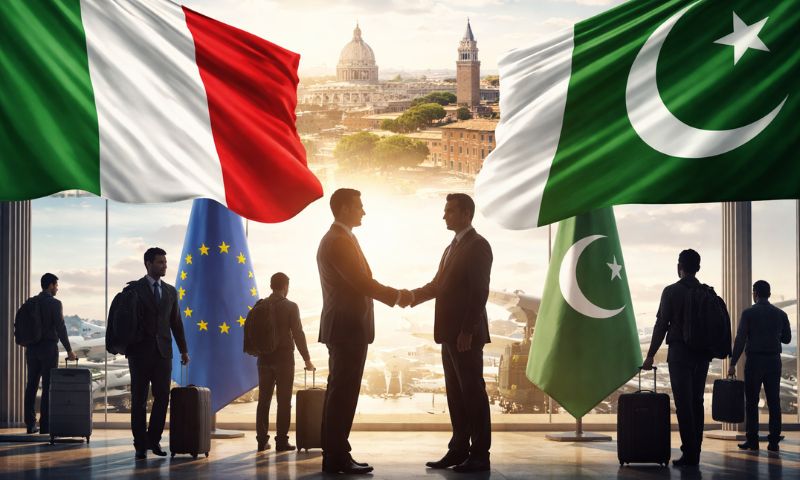
Italy has announced it will issue 10,500 work visas for skilled Pakistani workers in a major diplomatic and labour cooperation development between the two countries. The announcement was made during a high-level meeting in Rome between Italian Interior Minister Matteo Piantedosi and Pakistan’s Federal Interior Minister Syed Mohsin Raza Naqvi on 25 February 2026. A Strategic Agreement on Legal Migration According to both Italian and Pakistani official statements, the issuance of 10,500 work visas is part of an effort by Italy to promote legal migration and create structured pathways for employment of skilled Pakistani labourers in Europe. The decision reflects broader cooperation between the two countries on labour mobility, migration control, and internal security. During the talks, Piantedosi stated, “10,500 work visas will be issued for Pakistan’s skilled labour force to promote legal migration.” The initiative follows an arrangement reached in December 2025, when Italy granted Pakistan a labour quota of 10,500 jobs — representing an annual allocation of 3,500 positions over the next three years covering both seasonal and non-seasonal sectors such as hospitality, healthcare, agriculture, and shipbreaking. Read More: Pakistan Passport Rises Again: 32 Countries Now Visa-Free in Feb 2026 Diplomatic Passport Exemption and Enhanced Cooperation In addition to the work visas, both sides agreed that holders of Pakistani diplomatic passports will be exempted from Italian visa requirements, responding to a specific request by Minister Naqvi during the meeting. This visa-free entry provision is expected to facilitate smoother diplomatic travel between Islamabad and Rome. The discussions also covered internal security cooperation, focusing on strengthening joint action against illegal immigration, human smuggling, drug trafficking, and terrorism. Both ministers praised the efforts of Pakistani authorities in tightening surveillance at airports and sea borders and cracking down on organised smuggling networks, which have contributed to a noteworthy reduction in illegal departures. Combating Irregular Migration and Human Smuggling The visa initiative is particularly significant against the backdrop of intensified efforts by Pakistan to curb irregular migration. The country stepped up measures after a major Mediterranean tragedy in 2023 when hundreds of migrants — including many Pakistanis — drowned near Pylos, Greece, prompting stronger enforcement against dangerous sea routes and trafficking networks. At the meeting, Piantedosi acknowledged these efforts, saying Pakistan’s policies to counter illegal immigration, human smuggling, and drug trafficking were commendable and that Italy was ready to expand cooperation. Read More: Top Europe Destinations Pakistanis Can Visit Without a Schengen Visa in 2026 Impact on Employment and Bilateral Relations The new work visa allocation is likely to create employment opportunities for Pakistani skilled workers and help regulate overseas labour migration through lawful channels. It also strengthens economic ties between Pakistan and Italy and sets a precedent for structured labour cooperation between Pakistan and European countries. Officials from the Punjab Police briefed Italian counterparts on the Police Khidmat Markaz Global initiative, showcasing modern citizen services that support overseas Pakistanis. What This Means for Pakistan’s Workforce For many Pakistanis seeking work abroad, this agreement opens new legal avenues to pursue opportunities in Europe. Given the ongoing global demand for skilled labour, such initiatives help transition workers from perilous irregular migration routes to safer, regulated employment pathways. As bilateral cooperation deepens, both countries are poised to benefit from improved labour mobility, stronger security partnerships, and enhanced diplomatic relations.
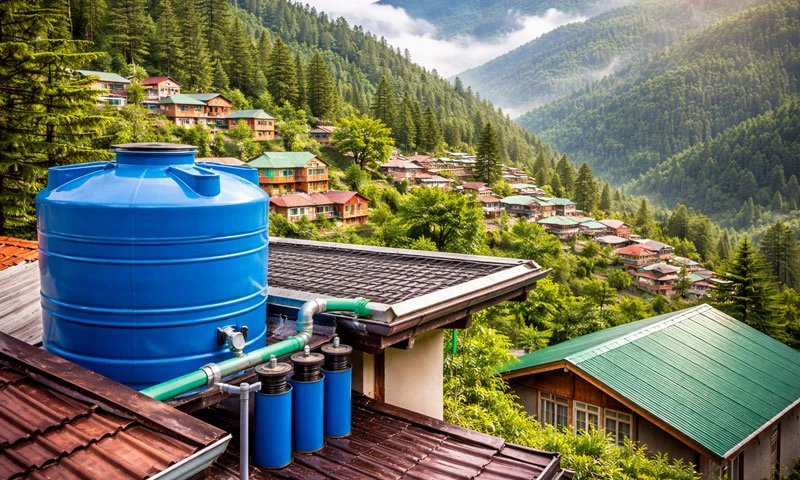
AKU, NED Implement Rooftop Rainwater Harvesting in Murree, Benefiting 1,100 Families
Communities in Murree and Kotli Sattiyan have benefited from a year-long initiative focused on improving Water, Sanitation and Hygiene awareness and promoting rooftop rainwater harvesting as a climate-resilient solution in water-stressed areas. The project, titled Community Mobilisation and WASH Education under Rooftop Rainwater Harvesting in Murree District, was formally concluded at a closing ceremony hosted by the Aga Khan University’s Institute for Educational Development in collaboration with NED University of Engineering and Technology. The ceremony took place at AKU’s Karimabad campus. Despite receiving high annual rainfall, Murree and Kotli Sattiyan continue to face chronic water shortages. Steep terrain leads to rapid runoff, while tourism pressure and limited infrastructure strain local water systems. To address these challenges, the Urban Unit of the Government of Punjab initiated a rooftop rainwater harvesting programme that integrates safe storage and filtration systems. During Phase I, more than 1,100 households were equipped with rooftop rainwater harvesting systems. The intervention was supported by community education and awareness activities led by AKU’s Institute for Educational Development and NED University. Through school-based learning modules, practical demonstrations and community engagement sessions, the project strengthened hygiene practices, water conservation awareness and environmental stewardship. The initiative directly engaged 4,726 students and 220 community members, demonstrating the impact of an education-led approach in promoting sustainable water management practices. Dr Fozia Parveen of AKU said, “This project has offered a unique opportunity to work directly with the government. In phase one, we collaborated extensively with schools and partners such as Suthra Punjab. In the next phase, we will establish a water quality lab in Kotli Sattiyan with a focus on citizen science. Our goal is to translate these insights into actionable recommendations for policymakers.” The closing ceremony was attended by representatives from the Aga Khan Development Network and education stakeholders from Karachi, along with officials from NED University and AKU. Among the attendees were Dr Salim Virani, Vice Provost Research at AKU, Dr Farid Panjwani, Dean of IED, and Arif Hasan. Project leaders Dr Fozia Parveen and Dr Abdul Ghaffar reaffirmed continued collaboration through Phase II, including plans to establish a Water Quality Laboratory in Kotli Sattiyan. Organisers described the initiative as a strong example of local partnership delivering sustainable and climate-responsive WASH solutions in Pakistan. They also expressed appreciation to the Urban Unit, Government of Punjab, for entrusting them with the implementation of the project in Murree and Kotli Sattiyan. The programme highlights how integrated infrastructure and education strategies can help build resilience in vulnerable regions facing growing water security challenges.

PSX Sees Intense Volatility as KSE-100 Declines Over 1,600 Points
Pakistan’s benchmark stock index, the KSE-100, closed sharply in negative territory on Wednesday, plunging 1,632.25 points from its previous close amid sustained selling pressure and weak investor sentiment. The Pakistan Stock Exchange (PSX) finished the session at 166,626 points, reflecting heightened market volatility and cautious trading behaviour among investors. The market session began with optimism as the index even hit an early high of 168,191.64 points, but that momentum did not last. Increasing sell orders, particularly in heavyweight sectors including oil and gas, banking and cement stocks, pushed the market downward as the day progressed. Total traded volume remained significant, with 619 million shares exchanged. Recent Trends Show Deepening Correction Wednesday’s decline is part of a prolonged correction phase at the PSX. Earlier in the week, the index had seen sharp losses including a drop of over 5,400 points and a 1,432-point decline during a previous session. Analysts at brokerage firms have described this period as a market correction rather than a sustained bear market. Mohammad Sohail, CEO of Topline Securities, said the recent sell-off “appears to be driven by above-average foreign selling, concerns linked to policy uncertainty, soft corporate earnings, and unwinding of stock futures.” Markets have been volatile in recent weeks, with intense swings from gains to heavy losses. Earlier sessions saw the index gain more than 1,500 points early in trading before reversing sharply, illustrating how mixed investor sentiment remains. Such fluctuations highlight the ongoing risk aversion among traders. Why the Market Is Under Pressure Multiple factors have contributed to the recent PSX downturn. Rising global commodity prices, particularly oil, increase input costs for businesses and dampen profitability expectations. Rising imports and widening current account deficits also affect macroeconomic confidence, leading investors to re-allocate capital away from equities. Markets across Asia remain sensitive to external economic data and trade policies, which feed into local equity performance. Foreign investor participation has also been subdued, with net selling in recent sessions. When foreign capital exits emerging markets like Pakistan, liquidity drops and selling pressure increases. A slowdown in corporate earnings results and muted economic growth projections add to caution among institutional and retail investors. Historical performance shows that the KSE-100 index has weathered varying cycles of growth and downturns over decades, reflecting how markets respond to macroeconomic shifts and global shocks. The benchmark index reached record highs in previous years but remains vulnerable to external and internal risk factors. What It Means for Investors and Economy For investors, a sharp drop in the KSE-100 signals caution and heightened risk, potentially leading to more conservative strategies focused on defensive stocks or fixed-income alternatives. For the broader economy, persistent volatility at the PSX may impact confidence in the financial sector and can signal broader concerns about investment flows and economic stability. Economists say that for recovery to be sustained, clearer policy direction, stabilization in foreign exchange markets, and stronger corporate performance data will be essential to rebuild confidence and encourage renewed inflows into Pakistan’s equity markets.
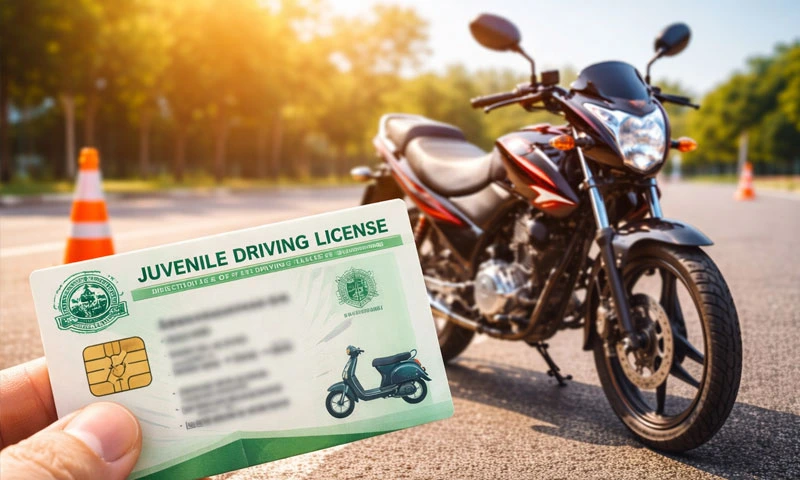
Punjab Begins Issuing Driving Permits for 16–18-Year-Olds: What You Need to Know
The Punjab government has begun issuing driving permits to teenagers aged 16 to 18 across the province, a major shift in road traffic policy aimed at regulating underage riders and promoting safer mobility on public roads. Authorities have set the fee at just Rs500 for each permit, opening a legal pathway for teens to ride motorcycles under specified conditions. Under the new regime, applicants must pass both a road test and a sign test to qualify for the permit. They must also provide guardian consent in the form of a stamped paper along with Form B (birth registration form) to show proof of age and identity. What the Permit Allows and Restrictions Imposed Sponsored by the provincial government, the permit enables teenagers to legally ride motorcycles up to 125cc engine capacity. Larger motorcycles are not permitted under this category. Electric bikes will also face restrictions based on similar displacement and speed criteria. Once a permit holder turns 18, the juvenile permit will automatically expire, and the rider must obtain a regular driving licence to continue riding. Why the Policy Was Introduced Until this policy, the official minimum age for a driving licence in Pakistan, including Punjab, was 18 years, as stipulated under the Motor Vehicles Ordinance and related licensing regulations. Anyone below the age of 18 riding a motorcycle was technically an unlicensed driver, even if they learned to ride at a younger age. In late 2025, the Punjab Assembly and its Standing Committee on Interior approved the Motor Vehicles Amendment Bill 2026, recommending significant revisions to the Motor Vehicles Ordinance to formally permit minors aged 16 to 18 to operate motorcycles under strict rules and supervision. This includes issuing a special Juvenile Driving Permit that allows young riders to be legally and safely integrated into the traffic system. Traffic authorities and lawmakers say the new policy is a response to a long-standing reality: many teenagers already ride motorcycles informally and without documentation, often leading to unsafe conditions and legal conflicts. The Juvenile Driving Permit aims to bring these riders into a structured regulatory framework. Safety and Enforcement: What Changes Officials have emphasised that the new permit is not a free pass. Teen riders must comply with safety standards, including helmet use and adherence to traffic laws, to ensure safer streets. Many expect schools and colleges to partner with authorities in road safety awareness campaigns, while some traffic police units plan supervised training and guidance for young riders. Moreover, authorities hope that formalising teenage riders will reduce unlicensed and unsafe riding, which has been a source of accidents and enforcement issues in the past. Parents and experts also see this as an opportunity to instil responsible riding habits from a young age. Public Reaction and Road Safety Impacts The shift has generated mixed reactions. Some parents and road safety advocates support the move as a balanced approach that recognises reality while promoting safer behaviour. Others have expressed concerns about whether teenagers have the maturity to handle motorcycles responsibly. Traffic police officials stress that education and enforcement will play a central role alongside the permit system, aiming to reduce accidents and keep young riders safe on Punjab’s roads.
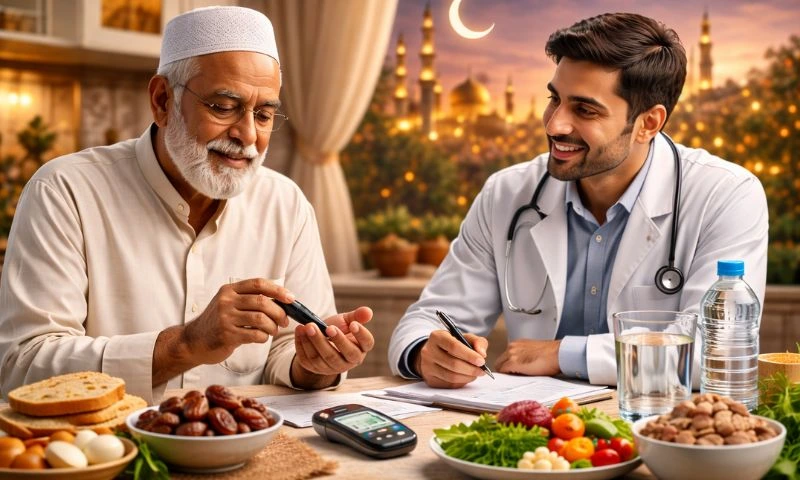
Top Tips for Diabetics Who Want to Fast This Ramadan
Ramadan fasting means no food or drink from dawn to sunset, and it is a central religious obligation for healthy adult Muslims. However, Islam allows exemptions for people whose health would be harmed by fasting, including some people with diabetes. Islamic jurists explain that if fasting may harm a sick person, they may break the fast and make up later or offer fidyah (feeding a poor person) instead. Even so, many Muslims with diabetes still desire to fast. Clinicians and diabetes organisations agree that some people with diabetes can fast safely, but only with careful planning, monitoring, and medical guidance. Consultation and Pre-Ramadan Planning Before Ramadan begins, people with diabetes should visit a healthcare provider. A pre-Ramadan medical assessment reviews overall health, blood sugar control, medications, and complications. This allows the doctor to classify risk and individualise plans. Patients who are at high risk (e.g., frequent low sugars, kidney issues) may be advised not to fast or to plan partial fasting under supervision. A structured education session reduces complications. Research shows patients who received education about Ramadan saw fewer episodes of dangerously low sugar compared with those who did not prepare. Read More: The Science of Ramadan Fasting: What 30 Days Does to Your Body Monitoring Blood Sugar Does Not Break the Fast One common worry is whether testing glucose during fasting breaks the fast. Medical and Islamic authorities agree that checking blood sugar does not invalidate the fast, because it does not involve eating or drinking. Regular monitoring helps detect dangerously high or low levels early and keeps fasting safer. Doctors often recommend checking glucose multiple times: before suhoor, midday, before iftar, and after iftar, and whenever unwell. Clear targets such as keeping glucose above 70 mg/dL are used, and levels below or above safety thresholds mean the fast should be broken immediately. Medication and Diet Adjustments Medication timing and doses often need adjustment. People on insulin or certain tablets are at increased risk of low blood sugar during the day. Healthcare providers may recommend changing when insulin is given, especially rapid-acting types which are usually taken at iftar and suhoor. Oral diabetic medicines may need dose reduction or switching. At suhoor, eating slow-release carbohydrates, protein, and plenty of water helps sustain energy and reduces glucose swings. At iftar, breaking the fast with balanced food and avoiding high-sugar heavy meals prevents a sharp post-fast rise in glucose. Read More: The Resilience of Ramadan: How Faith Survives Conflict and Loss When to Break the Fast Most health guidance emphasises that if blood sugar falls below 70 mg/dL or rises above 300 mg/dL, the fast must be broken immediately and treatment started. Symptoms like dizziness, shaking, confusion, or weakness are warning signs of hypoglycemia or hyperglycemia that need urgent action. The Bottom Line Many people with diabetes can participate in Ramadan fasting safely if they plan ahead with their healthcare team, monitor glucose often, adjust medications appropriately, and listen to their body. Islamic rulings support exemptions for those who would be harmed, and glucose testing does not break the fast.
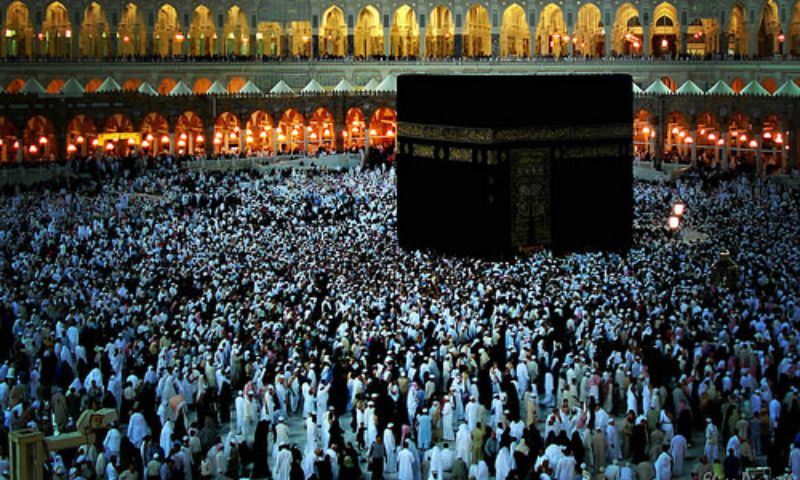
Saudi Arabia Breaks Umrah Record with 904,000 Pilgrims on Ramadan Day 4
Makkah, Saudi Arabia Saudi Arabia has witnessed an unprecedented surge in Umrah pilgrims during the holy month of Ramadan 1447 AH (2026), with authorities announcing a record-breaking 904,000 worshippers performing Umrah in a single day — the fourth day of Ramadan. This figure marks the highest one-day attendance ever recorded at Masjid al-Haram, the Grand Mosque in Makkah, underscoring the scale of the annual religious observance. Historic One-Day Peak for Umrah Pilgrims On Saturday, February 21, 2026 — corresponding to 4 Ramadan 1447 AH — the General Presidency for the Affairs of the Grand Mosque and the Prophet’s Mosque confirmed that 904,000 pilgrims visited the Grand Mosque complex to perform Umrah and prayers. This turnout surpasses previous single-day high watermarks and reflects surging global interest in spiritual travel during the most sacred month of the Islamic calendar. Officials noted that the extraordinary turnout came at the start of Ramadan’s first weekend, when millions of Muslims travel to Saudi Arabia for the lesser pilgrimage and to participate in extended prayers such as Taraweeh. The sheer volume highlights the Kingdom’s growing capacity to host worshippers at Islam’s holiest site. Read More: Saudi Arabia Tightens Travel Sector Rules, Cracks Down on Unlicensed Umrah Agencies Managing Crowds at the Grand Mosque With such numbers, Saudi authorities have enhanced crowd management and logistical operations around the Haram and its courtyards. Traffic is regulated, pedestrian corridors are established, and public transport services are deployed to ensure worshippers can perform rituals safely and with dignity. The iconic Mataf area that surrounds the Kaaba has been kept open throughout the day to accommodate the continuous flow of pilgrims. Officials have also issued detailed guidelines to regulate access, including use of illuminated signals at mosque entrances that indicate capacity status. Green lights show available space while red indicates full capacity, so pilgrims know when to enter or wait. Ramadan Experience and Services The record crowd reflects the broader energy and spiritual uplift of Ramadan. Saudi Arabia has rolled out enhanced services at the Two Holy Mosques, including multilingual smart screens providing guidance in over 50 languages — crucial for the global array of visitors. Authorities have also launched digital pilgrim guides in 16 languages to help overseas visitors navigate the rites and practicalities of performing Umrah safely and respectfully. Read More: Zong vs Ufone vs Jazz: The Ramadan Bundles Everyone Talks About Pilgrimage Context and Growth This year’s record occurs amid a larger trend of increasing pilgrim traffic to Saudi Arabia. In 2025, the Kingdom reported that more than 19.5 million Hajj and Umrah pilgrims arrived from abroad, with satisfaction rates over 90 percent, reflecting improvements in services and infrastructure under Vision 2030 goals. Despite viral claims online, multiple sources clarify that figures like 11 million pilgrims in a single day are inaccurate; they reflect monthly totals across seasonal peaks, not daily headcounts. As Ramadan progresses, Saudi Arabia continues to balance spiritual devotion with safety and convenience, aiming to welcome as many pilgrims as possible while maintaining calm and order at Islam’s most sacred sites.
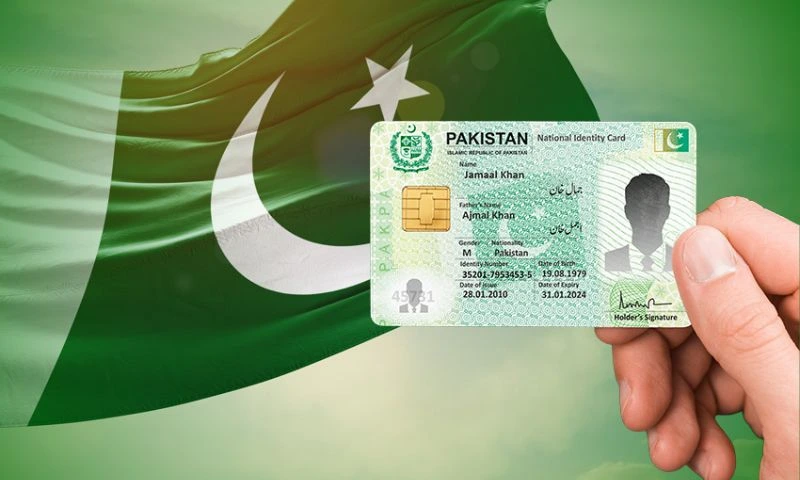
Pakistan Unveils QR-Powered National ID Card Transforming Identity Verification
Pakistan has taken a major step toward modernising its identity infrastructure with the launch of a QR-powered National Identity Card under the federal government’s “One Nation – One Identity” framework. The move, announced through official amendments in the National Identity Card Rules, 2002 and Pakistan Origin Card Rules, 2002, aims to replace outdated formats with a unified, secure, and digital-first identity system. What’s Changing in Pakistan’s ID System In a notification published in the official Gazette on February 24, 2026, the government introduced key reforms to Pakistan’s identity management system. These reforms were notified through S.R.O. 330(I)/2026 and S.R.O. 331(I)/2026 and formally published ahead of the public announcement. Under the new rules, the Quick Response (QR) code has been given legal status as a security and authentication feature on national identity documents. The QR code is a secure, machine-readable two-dimensional barcode that stores encoded identity information and can be scanned for rapid verification. This is a major departure from the previous system that relied on separate chip-enabled and non-chip cards. Officials say the new architecture allows verification both offline and online and aligns with Pakistan’s National Data Exchange Layer, which is central to the government’s digital governance agenda. This integration promises faster service delivery, reduced manual checks, and a lower risk of fraud or impersonation. Unified Card Format for All Citizens Previously, Pakistan’s identity ecosystem consisted of two parallel formats: chip-enabled Smart NICs and non-chip CNICs. Under the new reforms, citizens will carry a uniform card, eliminating this dual-system approach. This standardisation will make identity verification more consistent across different sectors and institutions. The rules also empower the National Database and Registration Authority (NADRA) to adopt “QR codes or any other technological feature” in the future. By authorising this flexibility in law, the system can evolve with emerging verification technologies without constant legal amendments. Stronger Security and Fraud Controls The overhaul brings stricter anti-fraud measures. Once an identity card is suspended under the new rules, all associated verification and authentication services are automatically halted. This prevents misuse of suspended credentials across both digital platforms and institutional services. Biometric authentication has also been strengthened. The updated legal framework explicitly recognises fingerprints and iris scans as formal biometric authentication modalities, marking a shift toward multi-modal identity verification. This change aligns with earlier biometric expansions introduced to Pakistan’s identity system. Senior Citizen Facilitation A notable citizen-centric reform is the issuance of lifetime-valid identity cards for citizens aged 60 and above, whether they reside in Pakistan or abroad. These cards will carry a distinct senior-citizen logo, removing the frequent renewal requirements that older citizens previously faced. Broader Digital Identity Context The launch of the QR-based system comes amid wider digital transformation efforts. For example, Khyber Pass, a digital identity initiative by the Khyber Pakhtunkhwa government, uses QR codes to link citizens with public services online, reducing paperwork and enhancing convenience. These reforms reflect a broader push toward digital governance in Pakistan, one that includes expanding online public services and strengthening data interoperability across government systems. What This Means for Pakistan The QR-powered ID system is expected to make identity verification faster, safer, and more reliable. It will support digital services across government departments, banks, and regulated sectors. By standardising identity documentation and embracing digital features, Pakistan is laying the foundation for a more secure and efficient digital identity ecosystem.
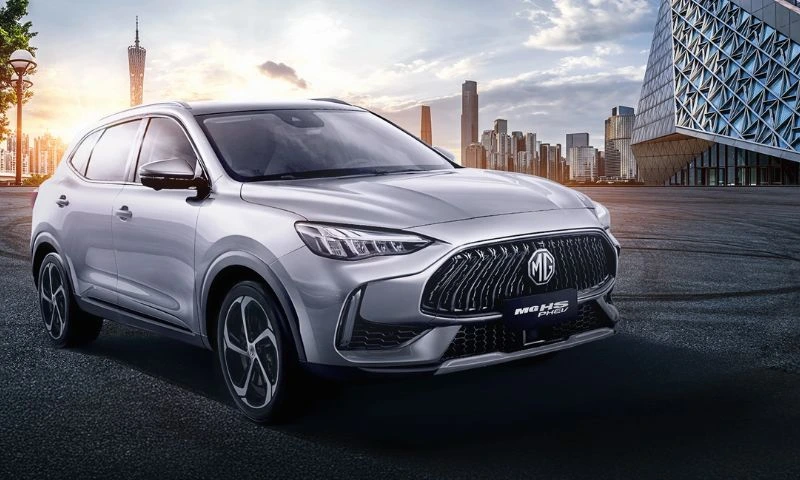
Upgrade to Hybrid: MG Announces Limited Trade-In Deal
MG Pakistan has officially introduced a vehicle trade-in offer for customers interested in purchasing the new MG HS Plug-In Hybrid Electric Vehicle (PHEV). The initiative comes ahead of the SUV’s broader rollout and is designed to encourage buyers to upgrade to hybrid technology with reduced financial burden. Under this programme, customers can exchange their existing vehicle for the new MG HS PHEV through authorised MG dealerships. The value of the old vehicle will be assessed and deducted from the purchase price of the hybrid SUV, making the transition to electrified mobility more accessible. How the Trade-In Offer Works MG’s dealerships will evaluate used vehicles based on condition, model year, mileage, and market value. Once a final valuation is agreed upon, the assessed amount will be adjusted against the booking or full price of the MG HS PHEV. The company aims to streamline documentation and provide a transparent appraisal process. This approach reduces the hassle typically associated with selling a used vehicle privately and purchasing a new one separately. The offer is available for a limited period and may apply to vehicles of various brands, depending on eligibility criteria set by MG Pakistan. MG HS PHEV: A Step Toward Hybrid Mobility The MG HS PHEV combines a petrol engine with an electric motor, delivering improved fuel efficiency and lower emissions compared to conventional SUVs. Globally, the model features a 1.5-litre turbocharged engine paired with an electric motor that produces strong combined output while allowing short distance electric-only driving. In international markets, the HS PHEV is known for its modern design, spacious cabin, and advanced safety systems. Features often include a digital instrument cluster, large touchscreen infotainment system, panoramic sunroof, and multiple driver assistance technologies. Although the final local specification may vary, the model is expected to compete in Pakistan’s premium hybrid SUV segment, where consumer interest has grown in recent years. Read More: Pakistan Auto Market Gets New Hybrid Option as Sazgar Opens TANK-500 Bookings Hybrid Demand Rising in Pakistan Pakistan’s automotive market has witnessed increasing demand for hybrid and electrified vehicles. Government incentives, fuel price fluctuations, and environmental awareness have encouraged buyers to consider alternatives to traditional petrol engines. Plug-in hybrid vehicles provide a practical middle ground for customers who want better fuel efficiency without relying entirely on charging infrastructure. Drivers can use electric mode for short daily commutes and switch to petrol power for longer journeys. Industry analysts suggest that structured trade-in programs can accelerate hybrid adoption by lowering entry barriers and increasing buyer confidence. Read More: From Hybrids to SUVs: How Hyundai and Kia Plan to Grow This Year Competitive Landscape The MG HS PHEV enters a competitive SUV market where several manufacturers have introduced hybrid variants. However, MG’s trade-in campaign sets it apart by directly addressing the affordability challenge that often prevents customers from upgrading. If executed effectively, the program could strengthen MG’s position in Pakistan’s evolving SUV segment and encourage other brands to introduce similar customer-friendly initiatives. As hybrid technology continues to gain momentum, the MG HS PHEV trade-in offer represents a strategic push toward cleaner mobility and customer convenience.
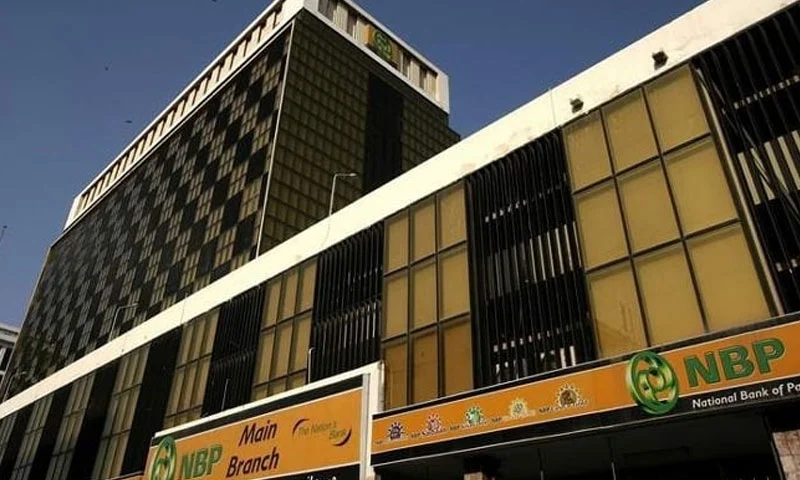
National Bank of Pakistan Profits Soar Rs859bn as Bank Reports Record Growth
National Bank of Pakistan (NBP), one of the country’s largest and most influential commercial banks, reported a remarkable 224 percent increase in profit after tax (PAT) for the year ending December 31, 2025, registering an impressive Rs859 billion in net profit, according to its latest annual financial report. This marks one of the most significant profit surges in recent years for the banking sector in Pakistan. The surge reflects a combination of strong core banking performance, improved income from non-fund sources, and enhanced financial management, positioning NBP as a standout performer in the nation’s financial landscape. NBP, majority-owned by the State Bank of Pakistan and headquartered in Karachi, has consistently played a central role in commercial and public sector banking services across the country. Drivers Behind Profit Growth Analysts attribute the robust performance to multiple factors: 1. Higher Net Interest Income: Despite a general trend in banking of reduced gross interest earnings, NBP’s net interest income grew significantly due to lower cost of funds and improved spreads, supporting higher income from lending and treasury operations. This trend reflects broader economic conditions, including recent interest rate cuts by the State Bank of Pakistan that have improved lending spreads. 2. Growth in Fee and Commission Income: The bank reported strong growth in fee-based services, including account maintenance, trade services and corporate banking fees. The expansion of services to individual and business customers helped diversify its revenue base and reduce reliance solely on interest income. 3. Improved Non-Fund Income: NBP recorded larger gains on securities and foreign exchange operations compared with previous years, contributing significantly to overall profitability. The bank also demonstrated resilience in managing credit loss provisions, strengthening overall profitability metrics. Comparison With Previous Performance The annual profit figure of Rs859 billion reflects a dramatic turnaround compared with prior years, where the bank reported much lower profits and recorded volatile profits driven in part by fluctuating interest rates and high credit loss provisioning. Mid-year reports showed NBP’s profit after tax at Rs43.5 billion for the first half of 2025, a massive increase from the prior year’s figures. Quarterly performance also saw strong acceleration, with profit after tax climbing to Rs23.3 billion in the third quarter of 2025, an increase of over 650% compared with the same period of the previous year. Why This Matters for Pakistan’s Economy NBP’s extraordinary profit growth comes at a time when Pakistan’s economy is gradually stabilizing after years of volatility. Recent macroeconomic trends show inflation declining and foreign exchange reserves strengthening, supported by policy measures that aim to improve financial stability. For everyday consumers and businesses, stronger bank profitability can signal a more resilient financial system. It can encourage credit availability, support lending to businesses, and foster confidence among foreign investors who monitor the banking sector as an indicator of economic health. Outlook and Future Prospects Going forward, NBP’s leadership has emphasized its commitment to sustainable growth, expanded digital services, and enhanced customer offerings across retail, corporate and treasury services. Its performance in 2025 sets a solid foundation for further expansion in 2026, with expectations of continued strategic focus on profitability and financial inclusion.

UK Records Historic First Birth From Deceased Donor Womb Transplant
In a major medical milestone, a baby boy named Hugo has become the first child in the United Kingdom to be born to a mother who received a womb transplant from a deceased donor. The historic birth was confirmed by multiple reliable news sources, signalling a new chapter in reproductive medicine and offering fresh hope to women with uterine infertility. Grace Bell, a woman born with Mayer-Rokitansky-Küster-Hauser (MRKH) syndrome, a condition where the uterus is missing or underdeveloped, welcomed Hugo at Queen Charlotte’s and Chelsea Hospital in London. Hugo was born weighing around 3.09kg (6lb 13oz) in December 2025 after his mother underwent fertility treatment. The pregnancy resulted from IVF and embryo transfer after the transplant, a journey Bell described as “simply a miracle.” A Journey That Defied Odds Bell was told at age 16 that she could not carry a child due to her condition, making Hugo’s arrival particularly emotional. The womb transplant itself took place in June 2024 at The Churchill Hospital in Oxford as part of a research programme supported by Womb Transplant UK. This operation involved implanting a womb retrieved from a deceased donor, chosen specifically for the transplant research. Only a handful of babies worldwide have been born after womb transplants from dead donors. Most womb transplant births globally involve organs donated by living relatives, usually close family members. Hugo’s birth places the UK among a small group of countries where this type of transplant-assisted birth has succeeded. Bell and her partner, Steve Powell, have expressed profound gratitude to the donor’s family, saying their selfless decision gave them “the biggest gift, the gift of life.” To honour the clinical team, they gave Hugo the middle name Richard after Professor Richard Smith, the clinical lead at Womb Transplant UK whose work played a key role in the procedure’s success. Scientific and Ethical Implications This birth underscores how far reproductive medicine has advanced in recent years. Womb transplantation remains a complex and emerging field with both medical and ethical considerations. Women without functioning wombs have traditionally relied on surrogacy or adoption to start families. Uterus transplants — both from living and deceased donors — provide an alternative for those who wish to carry their own child. Globally, about 25 to 30 babies have now been born from womb transplants using deceased donor organs, with many more born from living donor transplants. The UK’s achievement confirms that deceased donor wombs can successfully support pregnancy and childbirth, expanding possibilities for future treatments. The Road Ahead While still a specialised procedure not currently covered under standard NHS organ donation programmes, womb transplants may become more widely available as research continues and success rates improve. Bell and Powell’s experience highlights both the medical breakthroughs and emotional impact such procedures can have on families. For countless women facing uterine infertility, Hugo’s birth represents a beacon of hope and a reminder of the strides being made in medical science.
