


A thrilling Super Eights clash in the ICC Men’s T20 World Cup 2026 saw England defeat New Zealand by four wickets, keeping Pakistan’s slim semifinal hopes alive and shaking up the Super Eights Group 2 standings. In a tense nighttime match at R Premadasa Stadium, England chased down New Zealand’s total with just three balls to spare, setting up a pivotal final day of group action. England’s Crucial Chase England entered the match already qualified for the semifinals, but top spot in Group 2 was still in play. New Zealand posted 159/7 batting first, with useful contributions from their middle order. England looked under pressure in the chase as key batters fell early, but a late-inning surge from Will Jacks (27 not out) and Rehan Ahmed (18 not out) delivered the winning partnership that sealed a 161/6 finish. The result meant England not only advanced but also strengthened their claim to the group’s top position, while New Zealand’s path became more difficult. With just one victory in the Super Eights before this game, the Kiwis now face critical scenarios to secure a semifinal berth. Their earlier big win against Sri Lanka had lifted their net run rate, but England’s triumph dampened their momentum. Pakistan’s Semi-Final Scenario For Pakistan, the result was significant. Their qualification hopes now depend on two outcomes in the final Super Eights matches. They must defeat Sri Lanka comprehensively on 28 February and hope New Zealand lose or fall short enough in net run rate to slip below Pakistan’s tally. Currently Pakistan sit behind New Zealand in NRR, making their task mathematically hard but not impossible — a combination of results and big margin wins will be required. Cricket analysts emphasise that a modest victory in Pakistan’s last game will not be enough. The team needs a dominant performance and a favourable slip in New Zealand’s results for their semifinal hopes to survive. The pressure is high, and the crowd around Colombo feels the tension as fans worldwide follow. England’s Top Spot and Strategy England’s victory allowed them to maintain consistency and finish strongly in the Super Eights. Already a semifinal side, they still showed resilience, especially in tricky moments with their middle order wobbling. Tactical shifts, bowlers managing to take timely wickets and the late batting surge helped seal a memorable tied-to-tight chase. Their success at this stage places them in a strong position for the knockout rounds, where seeding and matchups matter. New Zealand’s Challenge New Zealand, despite their spirited play and earlier win in the group, must now fight to keep hopes alive. Their net run rate remains a cushion, but only a result against Sri Lanka that shifts the points and NRR balance can secure their semifinal spot. As the group stage reaches its climax, every run and every over count for these teams. The final matches will bring a dramatic end to Group 2 action, with Pakistan, New Zealand and Sri Lanka battling for the remaining semifinal position alongside England and other qualifiers.

JazzWorld to Highlight Pakistan’s AI Digital Revolution at MWC Barcelona 2026
Pakistan’s leading telecommunications operator JazzWorld is set to highlight the nation’s digital transformation achievements at the GSMA Mobile World Congress (MWC) Barcelona 2026, one of the world’s most significant tech events. The company confirmed its participation in the annual industry gathering, where it will put Pakistan’s AI-powered digital initiatives on the global stage. (propakistani.pk) MWC Barcelona runs from 24 to 27 February 2026, bringing together mobile, technology and digital leaders from around the world to explore the latest in connectivity, artificial intelligence, cloud computing, fintech and other emerging technologies. JazzWorld’s participation underscores Pakistan’s growing role in the global digital ecosystem as local firms expand their footprint and showcase homegrown innovation. Showcasing Pakistan’s Digital Evolution At MWC 2026, JazzWorld will spotlight its suite of AI-driven solutions and platforms, emphasising how the company is helping accelerate digital adoption across Pakistan’s economy. The company plans demonstrations on technologies including AI-enabled customer experience tools, predictive analytics, digital financial services and cloud-based enterprise solutions. These innovations reflect the fast pace at which Pakistan’s tech landscape is evolving. JazzWorld executives will also engage in panel discussions and networking sessions with global tech partners, providing visibility into how Pakistan is leveraging digital infrastructure to bridge the technology gap and unlock socioeconomic opportunities. A key narrative will be the adoption of 4G/5G network expansion, integration of AI and machine learning to support smarter services, and digital inclusion strategies that target both urban and rural communities. Read More: Zong vs Ufone vs Jazz: The Ramadan Bundles Everyone Talks About Pakistan’s Rising Digital Presence Pakistan’s telecommunication sector has been undergoing rapid change, driven by heavy investment in connectivity and digital services. According to the Pakistan Telecommunication Authority (PTA), the country’s mobile penetration rate surpassed 80 percent, and the number of internet subscribers continued to rise, indicating robust demand for digital access. Such statistics provide a backdrop for JazzWorld’s participation in MWC. (ptaj.gov.pk) Industry analysts view Pakistan’s presence at MWC 2026 as a positive sign for the country’s technology ambitions. Over recent years, local firms have increasingly participated in global events, pitching everything from fintech innovations to telehealth applications and smart city solutions. Tech conferences like MWC provide Pakistani startups and established firms alike with exposure to international investors and potential partnerships. JazzWorld’s Strategic Vision JazzWorld has positioned itself as more than just a telecom provider. In recent years it has pushed into digital ecosystems, offering services ranging from mobile payments to cloud services and AI-powered solutions for enterprises. The company’s leadership believes that digital transformation is essential to economic growth and that Pakistan must continue bridging the technology adoption gap. Speaking on the company’s MWC participation, a JazzWorld leader said that the initiative aims “to showcase Pakistan’s digital transformation story and demonstrate how technology can create opportunities for businesses and citizens alike.” This statement reflects JazzWorld’s commitment to not only improve connectivity but also enhance the digital experience for Pakistan’s growing online population. Read More: Jazz and Universal Service Fund Sign Badin Project to Expand Digital Connectivity What to Expect at MWC Barcelona As the event unfolds in Barcelona, JazzWorld will join delegates from leading global firms to present and discuss future technology trends, with spotlight themes including artificial intelligence, next-generation connectivity, digital financial platforms and enterprise digitalisation. MWC Barcelona 2026 provides a platform for companies from emerging markets to demonstrate how they are harnessing technology for economic development. JazzWorld’s presence showcases Pakistan’s readiness to compete in a technology-driven world and signals strong confidence in the country’s digital future.

Pakistan’s Top Court Rules Tax Authorities Can Raid Without Notice
The Federal Constitutional Court (FCC) has delivered a landmark ruling clarifying the scope of enforcement powers held by tax authorities under Pakistan’s tax laws. In a decision released on 27 February 2026, the court ruled that tax officials can conduct raids and searches without prior notice or an ongoing case against a taxpayer under Section 175 of the Income Tax Ordinance, 2001. This judgement strengthens the capacity of tax bodies to act swiftly when they suspect violations of tax law. Ruling Background and Legal Challenge The case stemmed from a petition filed by M/s Sceptre Pvt Ltd, which challenged a Sindh High Court decision that upheld a tax raid on the company’s premises in December 2025. The petitioner argued that Section 175 should only be invoked when formal legal proceedings were ongoing and that simply issuing a notice under Section 176 requesting information could not justify a full-scale search or raid. The FCC bench, led by Justice Aamer Farooq, rejected this interpretation, concluding that tax authorities are empowered by the statutory language to act without waiting for a pending case. What Section 175 Permits In its judgement the FCC emphasised the clear wording of Section 175, which authorises the commissioner or any authorised officer to enforce any provision of the Income Tax Ordinance. The court observed that the term “enforcement” itself implies action in response to a possible breach of tax law, and does not require the existence of active proceedings. The judges noted that where Parliament has been explicit and unambiguous in its language, courts should not introduce additional conditions or limitations that the legislature did not include. Court Introduces a Safeguard Although the FCC upheld broad enforcement powers, it issued a procedural instruction to protect transparency and fairness. The court directed that the tax commissioner must record in writing the specific legal provision allegedly violated and the basis for the raid before carrying out operations. This written record aims to ensure accountability and provide clarity about the rationale behind any enforcement action. Tax officials are also permitted under the ruling to seize computers, documents, financial records and digital accounts when conducting raids. The decision reaffirmed an earlier Sindh High Court judgment that had dismissed the petitioner’s appeal and found that the law authorised such actions. Reaction from Legal and Business Communities The FCC ruling has drawn mixed reactions. Supporters of robust enforcement argue that the decision will help the Federal Board of Revenue (FBR) tackle tax evasion more effectively, especially in complex cases involving digital evidence and financial manoeuvring. Critics, including some legal experts, caution that unfettered authority could lead to excessive intrusion unless paired with clear procedural safeguards, such as the written record requirement imposed by the court. The court’s stance underscores a broader trend in Pakistan’s judicial interpretation emphasising strict adherence to legislative wording and preventing courts from diluting statutory powers through expansive judicial read-in. Implications for Tax Enforcement The ruling is likely to have far-reaching implications for how FBR and related agencies conduct investigations into suspected tax breaches. Tax authorities now have legal backing to enter premises and inspect accounts without waiting for cases to be registered, potentially speeding up enforcement actions against alleged tax evaders. Taxpayers and businesses should note the procedural safeguard requiring written justification and prepare accordingly.
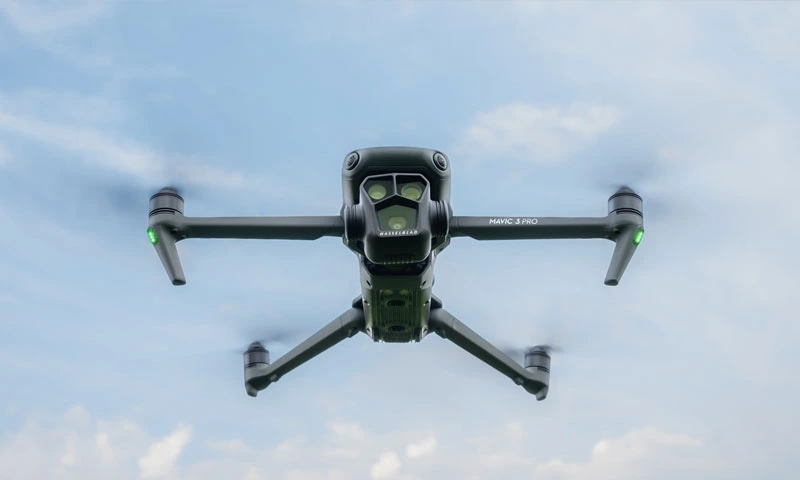
Pakistan Imposes Countrywide Drone Flying Ban Under New Security Directive: Here’s What It Means
The Government of Pakistan has implemented a nationwide ban on flying drones outdoors in an effort to maintain public safety and curb emerging risks linked to unregulated unmanned aerial vehicles (UAVs). The directive came through a notification by the Ministry of Interior that invokes powers under the Pakistan Penal Code and relevant aviation rules, effectively prohibiting the operation of drones across the country without prior authorization. The decision reflects growing concerns among security agencies about the misuse of drones for unauthorized surveillance, smuggling, and potential threats to public gatherings, critical infrastructure, and military installations. Authorities have emphasised that while the technology offers benefits for industries like agriculture and photography, its unregulated use poses serious safety and security challenges without proper oversight mechanisms in place. Details of the Ban and Its Scope Under the new order, all outdoor drone flights are prohibited nationwide, regardless of the operator’s intent, unless specific permission is obtained from authorised government agencies. The ban applies to hobbyists, commercial operators, and recreational users alike. However, exemptions exist for approved entities such as: Law enforcement and security agencies when conducting official duties Government operations related to disaster response or critical missions Entities with explicit government clearance for regulated drone use Operators found violating the ban may face legal penalties, confiscation of equipment, and other enforcement actions as determined by competent authorities. Enforcement will be carried out by aviation regulators and law enforcement agencies in coordination with the Civil Aviation Authority. Rationale Behind the Decision Officials have cited a sharp rise in drone activity across urban and rural areas, often without accountability or registration. Concerns include unauthorised filming, breaches of privacy, interference with aircraft, and risks to sensitive zones. Globally, countries have adopted various regulations to govern drone usage. For example, the United States Federal Aviation Administration (FAA) requires drone operators to register devices and follow strict flight rules, including no-fly zones near airports and crowds. The European Union Aviation Safety Agency (EASA) also sets drone categories and operator responsibilities to ensure safe integration into airspace. These examples highlight how regulation is essential to balance innovation and safety in unmanned aviation. In Pakistan, drones were used to support flood relief operations and search and rescue missions in highly affected areas. During the 2022 monsoon floods, drones provided critical aerial imagery to assess damage and locate survivors in inaccessible terrain, demonstrating their potential value in emergencies. Public Response and Future Outlook Reactions from the public and drone communities are mixed. Enthusiasts and professionals who use drones for filmmaking, agriculture monitoring, infrastructure inspection and mapping have expressed concerns that the outright ban may disrupt legitimate activities. Many have urged the government to implement a clear drone registration and licensing framework instead of a blanket ban. Industry stakeholders argue that a system of certification, geo-fencing and operator training would help integrate drones safely while maximising economic and social benefits. What Comes Next The Ministry of Interior has indicated that the ban will remain in place until a comprehensive regulatory framework is developed. Aviation authorities are expected to soon announce drone registration processes and flight operation guidelines that will align with international standards while addressing domestic security priorities.

Ex-New Zealand PM Jacinda Ardern Relocates to Sydney With Family
Former New Zealand prime minister Jacinda Ardern has settled in Australia with her family after years of living abroad, marking a significant shift in her post-political life. A spokesperson confirmed that Ardern and her husband, television presenter Clarke Gayford, along with their young daughter Neve, are now based in Australia, where they will spend more time working and stay closer to New Zealand. Ardern served as prime minister from 2017 until her resignation in January 2023, becoming globally recognised for her empathetic leadership during crises such as the Christchurch mosque shootings and the Covid-19 pandemic. After stepping down, she spent time living in the United States, where she worked with Harvard University and continued advocacy on global issues. Decision to Move Across the Tasman According to her office, the family has been travelling for “a few years now”, and they are now choosing to base themselves out of Australia because they have work commitments there and it also gives them more time back home in New Zealand. While exact details of her new professional roles in Australia have not been fully disclosed, media reports say Ardern has been exploring opportunities that align with her ongoing work in public leadership and global policy. Ardern, 45, and Gayford were spotted inspecting properties in Sydney’s northern beaches suburbs such as Curl Curl and Freshwater, continuing speculation that they may soon make the city their long-term home. Local real estate data shows that median house prices in these areas are among Sydney’s higher-end markets, reflecting their choice of lifestyle location. New Zealand’s Emigration Trends Ardern’s relocation has drawn attention because it comes amid a larger trend of New Zealand citizens moving to Australia. Recent statistics revealed that tens of thousands of Kiwis have made the move, attracted by higher wages, broader employment opportunities and closer proximity to New Zealand. A growing share of New Zealanders now live in Australia, with estimates showing that more than 60 percent of migrants from New Zealand relocate there in recent years. The move has sparked public discussion in New Zealand about the economic and social factors pushing citizens abroad. Commentators point to a combination of slow economic growth, housing affordability issues and cost of living pressures that have made Australia an appealing destination for professionals, families and young workers alike. Ardern’s Legacy and Continued Influence Ardern’s decision to reside outside her home country does not diminish her global stature. After leaving political office, she continued her work on the Christchurch Call initiative, a global effort she championed to combat online extremism. She also joined the Earthshot Prize board of trustees and pursued academic and leadership fellowship roles, including at top institutions like Harvard Kennedy School and Oxford University. In 2025, Ardern published a memoir titled “A Different Kind of Power”, offering her perspectives on leadership, governance, and the challenges she faced while in office. The book was widely discussed in political and literary circles and reflected her broader influence on international leadership discourse. Despite the mixed reactions to her policies at home, Ardern remains a prominent figure on the global stage. Her move to Australia represents a new chapter in her post-premiership life, combining family priorities, ongoing work engagements and continued engagement in international affairs.

Apple’s First Touchscreen MacBook Pro Set for 2026 Release
Apple is finally ready to break one of its long-held rules. After years of speculation and rumours, the tech giant is gearing up to launch its first touchscreen MacBook Pro models in late 2026, marking a major milestone for its laptop lineup and bringing a fundamental change to how users interact with macOS devices. A New Era for Mac Laptops For over a decade Apple resisted touchscreen laptops, arguing that finger input would conflict with keyboard and trackpad use. Instead it positioned the iPad as its touchscreen device. Now, reports from trusted industry sources indicate Apple is rethinking that stance by blending conventional Mac input with touchscreen interactions. This move comes as part of a broader Mac refresh cycle set for 2026 that includes powerful new chips and display technology. The upcoming touchscreen MacBook Pro models will feature OLED displays that provide deeper blacks, brighter colours and improved energy efficiency compared to the current mini-LED panels. The models are expected in both 14-inch and 16-inch sizes, catering to professional and power users alike. These new laptops will likely use Apple’s latest M6 chips, offering faster performance and enhanced graphics compared to the current M5 Pro and M5 Max variants. What Will the Touchscreen Bring? One standout addition to the new MacBook Pros will be the Dynamic Island. A feature that Apple first introduced on the iPhone. This interactive interface area is expected to appear on the MacBook Pro display, replacing the traditional notch with a hole-punch camera cutout and offering real-time alerts, controls and status information. While still smaller than on iPhone models, it will give users a fresh way to interact with the Mac ecosystem. Apple is also reportedly working on a revamped user interface that adapts dynamically depending on whether a user opts for touch, mouse or trackpad input. For example, menus could expand or shift when touched with a finger, and macOS could surface context-sensitive options tailored to touchscreen use. This approach aims to preserve the Mac’s classic desktop experience while offering optional touch engagement. Timing and Expectations Industry observers expect Apple to launch the touchscreen MacBook Pro in the second half of 2026, likely alongside a broader refresh of the Mac line that could include cheaper models and updated Air laptops. The company may choose to introduce new OLED MacBook Pros after its usual spring announcements for other Mac upgrades. Historically that structure allows Apple to stagger products for maximum impact. Reports also suggest that Apple will retain the traditional keyboard and trackpad rather than designing a hybrid device that mimics tablet behaviour. The touchscreen will serve as a complementary input method, giving users the freedom to tap controls when useful without changing the core desktop workflow. Touch ID will continue to serve as the primary biometric option, while Face ID remains unlikely in the near term. What This Means for Users and Mac Fans A touchscreen MacBook Pro could finally bridge the gap between iPad and Mac ecosystems, offering a versatile laptop that supports both traditional and touch interfaces. For creatives, developers and power users, this represents a long-anticipated shift that could redefine productivity on Apple’s most powerful laptops.

G42 Opens Jobs to AI Agents in World-First Hiring Move
Abu Dhabi-based artificial intelligence leader G42 has launched a pioneering initiative that formally opens jobs to AI agents, software systems capable of autonomous decision-making and task execution within enterprise environments. This marks a bold shift from traditional human-only workforces to blended systems where both humans and AI agents are evaluated against enterprise standards. G42’s Structured Hiring for AI The recruitment process invites AI agents to apply for roles that meet strict enterprise requirements. Agents must undergo technical validation, performance testing and reliability assessments before gaining acceptance. If successful, they enter a defined probation phase during which their sustained value delivery is assessed against pre-set metrics before being deployed more widely across business functions. This process mirrors human hiring with structured reviews and accountability. Human leaders retain final decision-making authority over all AI systems. Group Chief Augmented Human Capital Officer Maymee Kurian said, “The future of work is being shaped by how intelligently we design the relationship between human talent and intelligent systems.” She added that the initiative was not about incremental gains, but “rethinking enterprise workforce design for the AI era.” Kurian emphasised that governance structures ensure AI agents operate within clear performance standards with robust human oversight so responsible scaling can occur. What Sets This Apart This hiring model reframes how AI tools are used. Traditionally, companies deploy AI systems as support tools to assist humans. G42’s framework positions AI agents as contributors accountable for measurable outcomes and tied to value-linked compensation models that reflect performance. This move highlights a future where AI systems could partner with human teams on complex enterprise tasks, from automation to insight generation. The Broader AI Ecosystem at G42 G42’s AI workforce initiative comes amid other ambitious projects the company is driving. Earlier this year, its leadership announced plans to build a national-scale “agent factory” — infrastructure designed to manage autonomous AI systems and operate within an “intelligence grid” that links compute capacity with governance and real-world deployment across sectors. This factory would automate the creation and orchestration of AI agents, aligning with national objectives around AI governance and scalability. G42’s global strategy also includes partnerships and joint ventures that will extend AI services to other geographies. For example, the company signed a Memorandum of Understanding with Publicis Sapient to accelerate AI adoption across enterprise digital transformation projects in the UAE and Global South, further reinforcing its commitment to practical AI integration. Workforce Transformation and the Future Industry analysts say G42’s move could inspire other organisations to rethink workforce design, blending human expertise with agent-driven execution. By giving AI agents clear pathways through qualification and probation, companies may test new standards for productivity measurement and accountability that blend computing performance with human context. This could reshape enterprise hiring norms as AI matures into strategic partners rather than auxiliary tools.

Rs10 Note Could Be Discontinued in Pakistan: Here’s the Reason
The federal cabinet is reviewing a plan to phase out the Rs10 banknote and replace it with a coin in a cost-saving measure that could benefit Pakistan’s economy. A high-level committee led by the finance minister presented a detailed currency management report to the cabinet, suggesting coins may be more efficient than paper notes. The proposal has drawn attention due to its potential to save billions of rupees over the long term. According to the report, prepared jointly by the State Bank of Pakistan (SBP) and the Security Printing Corporation of Pakistan, the average lifespan of a Rs10 note is a short six to nine months. In contrast, a Rs10 coin can remain in circulation for 20 to 30 years. Because the Rs10 denomination accounts for more than a third of all notes printed annually, its frequent replacement places significant strain on currency production costs. Massive Cost Savings Expected Officials estimate that shifting from notes to coins for this denomination could save between Rs40 billion and Rs50 billion over the next decade. That is because the current annual cost of printing, replacing and managing Rs10 notes stands at an estimated Rs8 billion to Rs10 billion every year. While the initial cost of minting coins is higher, they do not require frequent replacement and offer far greater durability. A committee recommendation expects the SBP to gradually stop printing Rs10 notes over a three-year transition period under the legal framework of the State Bank Act. During this period, the number of coins in circulation would steadily increase to meet demand. Why This Matters for Pakistan’s Economy The Rs10 note features in countless daily transactions, from bus fares to small purchases at markets and tea stalls nationwide. Its short lifespan means frequent reprinting, which increases pressure on printing facilities and administrative overheads. If coins replace notes, recurring printing costs will fall sharply and long-term savings could strengthen Pakistan’s currency management system. Experts also say this measure aligns with broader currency management and sustainability goals. Coins reduce long-term operational expenses and help in streamlining cash handling logistics for banks and merchants alike. Several countries including the United Kingdom, Canada and Australia have already transitioned lower-denomination notes to coins, citing similar benefits. Public Awareness and Transition Challenges Public adaptation to coins remains a consideration. The Rs10 coin was first issued by SBP in 2016, but it has not always gained widespread acceptance among the public. Many consumers continued to prefer notes even though coins are legally valid tender. As coins become more prominent, awareness campaigns may be needed to ensure smooth public acceptance. Next Steps The federal cabinet will review the report and decide whether to formally approve the phase-out of the Rs10 note. If approved, the transition is expected to begin soon, gradually reducing dependence on the worn-out paper notes and leveraging long-lasting coins to improve currency efficiency and reduce recurring costs.
