


In a dramatic Super Eights Group 2 match of the ICC Men’s T20 World Cup 2026, Pakistan edged past co-hosts Sri Lanka by five runs at the Pallekele International Cricket Stadium in Kandy on February 28, 2026. The result provided a thrilling conclusion to a match that mattered not just for pride but for Pakistan’s faint hopes of reaching the semifinals. Pakistan posted a formidable total of 212 for 8 in their 20 overs. The hosts replied with a spirited chase but could only get to 207 for 6, falling just short of the target set by the Men in Green. Despite the win, Pakistan’s hopes to qualify for the last four were ended because of their inferior net run rate compared with New Zealand. Farhan and Zaman Dominate Pakistan’s innings was anchored by a stunning performance from opener Sahibzada Farhan, who scored a century to add serious weight to his team’s total. Farhan reached his hundred at a brisk pace, ending as the highest run-getter in this edition of the World Cup and surpassing several historic marks set by previous batting greats. His partner Fakhar Zaman supported him brilliantly with an aggressive knock of 84 runs, propelling Pakistan to a taxing total of 212. The duo’s opening stand was special. Farhan and Zaman produced a record-breaking partnership, inflicting early damage on the Sri Lankan bowlers and giving Pakistan a strong platform. Their scoring rate remained high throughout their time together, forcing Sri Lanka to play catch-up from early in their innings. Despite losing wickets in the latter part of the innings, Pakistan’s total proved challenging even for a team batting at home. Sri Lanka’s chase began with some intent, but they were always up against the required run rate and the pressure of keeping Pakistan’s contested semifinal hopes alive. Sri Lanka Fight Back Chasing 213, Sri Lanka made strides but never fully recovered after early setbacks. Middle-order contributions saw them recover to 195 for 6, but they ultimately came up five runs short of the target. The defeat marked the end of Sri Lanka’s campaign, having already been eliminated from semifinal contention earlier in the Super Eights stage. The victory left Pakistan and Sri Lanka fans emotional. While Pakistan celebrated the win on the night, the scoreboard told a bittersweet tale. Because of a weaker net run rate compared to New Zealand, Pakistan’s win was not enough to leapfrog into the semifinals. New Zealand had finished ahead due to their stronger net run rate, a decisive factor in the tournament’s tightly contested group stage. What This Means for Pakistan Although Pakistan won their final group match, the result confirmed that they would not progress to the semifinals. Their overall points tally and net run rate left them behind New Zealand, who secured the second spot behind England in Group 2. The match offered both positive highlights and clear areas for reflection. Pakistan’s batting depth and ability to post big totals were evident, but the impact of earlier results and a key loss to England in the Super Eights ultimately determined their fate. As the T20 World Cup advances, England and New Zealand continue in the semifinals, while Pakistan and Sri Lanka exit with memorable performances and unresolved what-ifs in one of the tournament’s tightest groups.
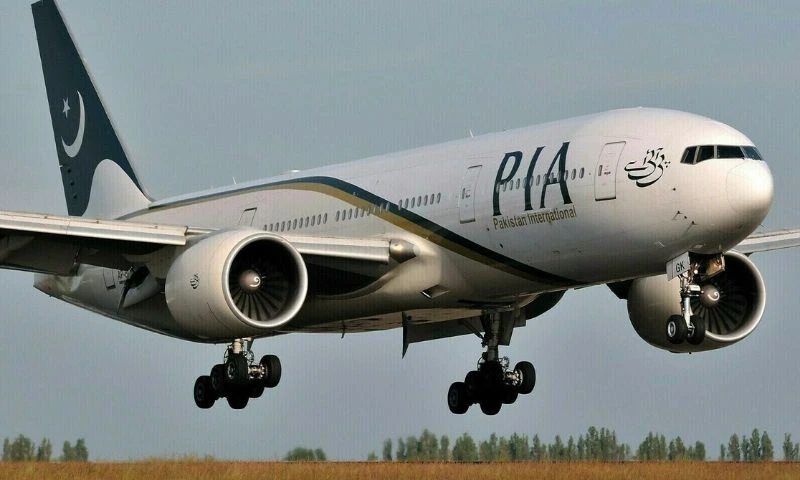
PIA Suspends Flights to UAE, Qatar, Kuwait and Bahrain After Middle East Tension
Pakistan International Airlines (PIA) has temporarily suspended flights to the United Arab Emirates, Bahrain, Kuwait and Qatar as security concerns escalate following military actions in the Middle East. The national carrier said the suspension will remain in place until airspace reopens safely, reflecting intensified tensions after a major escalation between Israel and Iran. The disruption affects key routes between Pakistan and the Gulf, impacting citizens, business travellers and expatriate workers who rely on PIA’s connections for personal and professional travel. Why Flights Were Suspended The decision came after Israel and the United States carried out attacks on Iran. In response, Iranian authorities reportedly launched retaliatory strikes on regional bases, prompting concerns about civil aviation safety in nearby airspace. PIA confirmed it suspended flights until Sunday evening or until the reopening of the respective airspaces. Pakistan Airports Authority (PAA) emphasised that the country’s own airspace remained fully operational and safe for all flights, and no restrictions had been placed on PIA operations from within Pakistan. However, uncertainty over air corridors in the Gulf region led the airline to take a cautious approach. A Notice to Airmen (NOTAM) issued by Iranian officials temporarily closed Tehran’s civil airspace between 11:30 and 17:00 Pakistan Standard Time (PKT), although this window usually sees limited east-west transit traffic. This added to PIA’s decision to suspend services on several Gulf routes. Rerouting and Safety Precautions PIA said it has rerouted flights to Saudi Arabia to avoid what it referred to as “conflict hit zones”. This means passengers bound for the suspended destinations are being provided alternative routing options where possible, prioritising safety and access to secure airspace. The airlines reiterated that protecting passengers and crew remains its top priority. In a statement, officials stressed the importance of avoiding areas where risk to civil aviation is uncertain. Read More: Israel Launches Pre-Emptive Attack on Iran as Explosions Reported in Tehran Economic and Social Impact The suspension comes as a blow to Pakistan’s travel and expatriate community. The UAE, Bahrain, Kuwait and Qatar host large numbers of Pakistani workers who frequently travel home. Business tourism and commerce between Pakistan and the Gulf have also gained momentum in recent years. Temporary flight disruptions can lead to cancellation and rescheduling headaches, added costs, and uncertainty for travellers at short notice. For many, alternative airlines such as Emirates, Qatar Airways or Gulf Air may step in to fill the gap temporarily, but availability and cost could become issues, especially during peak travel times. Context of Regional Tensions The halt in PIA flights highlights how international military escalation can disrupt civilian life far beyond conflict zones. The recent attacks in the Middle East, which heightened fears of escalation between global powers, led governments and aviation authorities worldwide to reassess air traffic over sensitive regions. Iran’s temporary closure of its own airspace for civil flights underscores broader regional tensions. While Pakistan itself remains peaceful and its interior airspace safe, the proximity to conflict hubs means precautionary measures are necessary until stability is restored. Read More: Istanbul Talks at a Crossroads: What Could Go Wrong if US–Iran Negotiations Fail Officials continue to monitor developments closely. Flights are expected to resume once Gulf airspace is declared secure again and authorities confirm standard transit corridors are fully operational.

IKEA Orangutan Plush Sells Out After Viral Baby Monkey Video
An adorable viral video of a baby monkey has led to an unexpected surge in demand for the IKEA orangutan plush toy, causing it to sell out at stores in the United States and prompt online panic buying. The story quickly captured global attention and turned the normally humble stuffed toy into a must-have item overnight. In the video, a baby monkey clutches the orange-and-brown plush toy in an endearing moment that has been shared millions of times across TikTok, Instagram and Twitter. The emotional connection viewers felt translated rapidly into viral demand, with fans scrambling to buy the same toy for themselves or as gifts. From Internet Sensation to Store Shelves The stuffed orangutan, officially known as the IKEA BUSIG Plush Orangutan, was originally a modest children’s toy in the IKEA collection. But once the video gained millions of views online, it took on a life of its own. Searches for the toy spiked, and many IKEA stores reported selling out of their entire stock within days. On TikTok, one popular upload showing the baby monkey hugging the plush toy amassed over 10 million views in just 72 hours. The hashtag #IkeaOrangutan trended globally, leading to reposts from celebrities, influencers and wildlife advocates alike. The social media frenzy quickly turned the plush toy into a symbol of comfort and sweetness in a world craving light-hearted content. IKEA Responds to the Unexpected Surge People browsing IKEA’s official online catalogue soon found the orangutan plush marked as “out of stock.” In response, IKEA issued a brief customer service statement on social media acknowledging the unexpected popularity, noting that high demand had temporarily depleted supplies. IKEA did not immediately confirm if it would restock the toy globally, but insiders say the company is evaluating additional production runs due to the overwhelming interest. One IKEA spokesperson said: “We are delighted that our product has brought so much joy.” The company also encouraged customers to check local stores for availability and to watch online stock alerts. Despite the shortage, many shoppers took to resale platforms like eBay and Mercari, where the plush toy was listed at prices significantly above its original retail cost. Some sellers listed the item for up to three to four times its usual price, drawing mixed reactions from buyers online. Viral Videos and Consumer Behavior Trends This phenomenon highlights the power of viral content to influence consumer demand. In recent years, short-form video platforms like TikTok have profoundly shaped buying behavior, turning simple products into trendy must-haves overnight. Experts note that emotional appeal—especially involving animals or children—often accelerates viral impact more than traditional marketing campaigns. Dr. Rachel Turner, a consumer behavior analyst, explained that items tied to feel-good viral moments often outperform expectations because they connect emotionally with audiences: “When people see an animal interacting with a product in a heart-warming way, they start associating the toy with positive feelings. That drives organic demand much faster than deliberate advertising.” What Comes Next Whether IKEA will permanently add the orangutan plush at higher inventory levels remains uncertain. Meanwhile, the story of a baby monkey and a simple stuffed toy continues to uplift social media users around the world. The mashup of real-life animal charm and modern internet culture has once again shown how quickly the digital age can transform everyday consumer items into global sensations
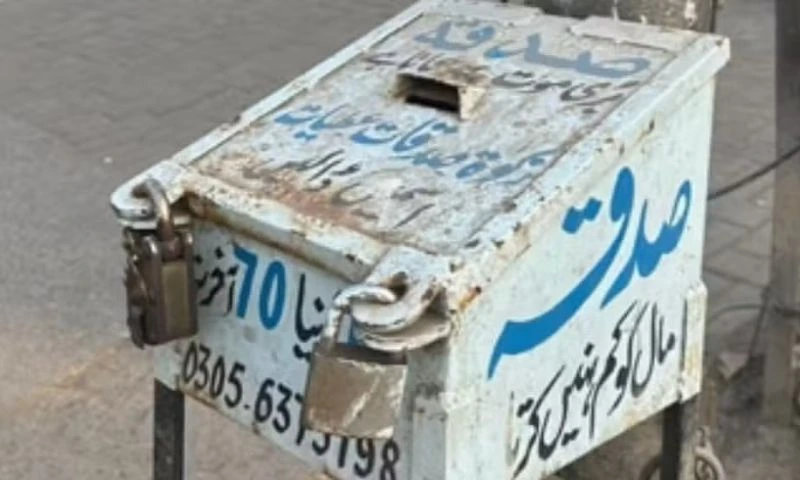
Punjab Struggles to Regulate Nameless Donation Boxes on Streets
Despite a major crackdown on illegal charities in Punjab, anonymous donation boxes continue to appear across the province, raising serious concerns about unregulated funds being channelled into unknown networks. These so-called “nameless donation boxes” have escaped official action, even after the Punjab Home Department listed 89 banned organisations and unregistered charities. Citizens are now left wondering who benefits from the cash collected in these boxes. The donation boxes, often padlocked and chained to street corners, markets, intersections, shopping malls and near banks, offer no information about the owners or recipients. Observers say this lack of transparency makes it impossible to know where the funds end up or who is collecting them. A senior home department officer acknowledged that the anonymous boxes remain widespread. He said the department had made progress in squeezing illicit and unregistered charities, but it cannot fully identify the owners of the donation boxes until all seminaries (madaris) are registered with the home department. Once madaris are registered, authorities plan to trace ownership of the boxes through them. ‘Silent Routes’ of Funding Undermine National Action Plan Experts warn that the proliferation of these anonymous boxes operates as “silent routes” of funding, bypassing the law and undermining the core objectives of Pakistan’s National Action Plan (NAP), which aims to dismantle financial networks that contribute to instability and extremism. Founder of the Civil Services Legacy Guide and former civil servant Yawar Mehdi described the situation in stark terms. He said that although the Punjab government banned many illicit charities, the anonymous donation boxes remain hidden in plain sight, effectively blind-spotting authorities and bypassing legal frameworks. Mr Mehdi issued a serious warning about the consequences of leaving these channels untouched. He said: “The blood of martyrs and the loss of thousands of lives to domestic unrest will remain a grave concern for the state as long as these silent routes of funding stay open.” To counter this, Mr Mehdi proposed that the federal government issue emergency directives to provincial authorities, including interior ministers and chief ministers. He urged that all anonymous and illegal donation boxes be seized and brought under state custody, overseen by divisional commissioners, deputy commissioners and district police officers, with transparent records of every rupee collected. “If the state does not close these unregulated financial channels today, future generations will never forgive the silence of those in power,” he added. Government Response and Registrations The home department has repeatedly emphasised efforts to regulate charity collections. Registered donation boxes now include clear information on the organisation’s name, registration codes and contact details. These details help donors verify legitimate entities and improve transparency. However, officials stress that full regulation remains incomplete without mandatory registration of all seminaries. Once this step is completed, authorities believe they will be better equipped to identify the owners of all donation boxes operating in public places across Punjab. The situation highlights a larger challenge in regulating charitable funding, safeguarding public donations, and ensuring that funds are not diverted to unlawful or extremist causes.
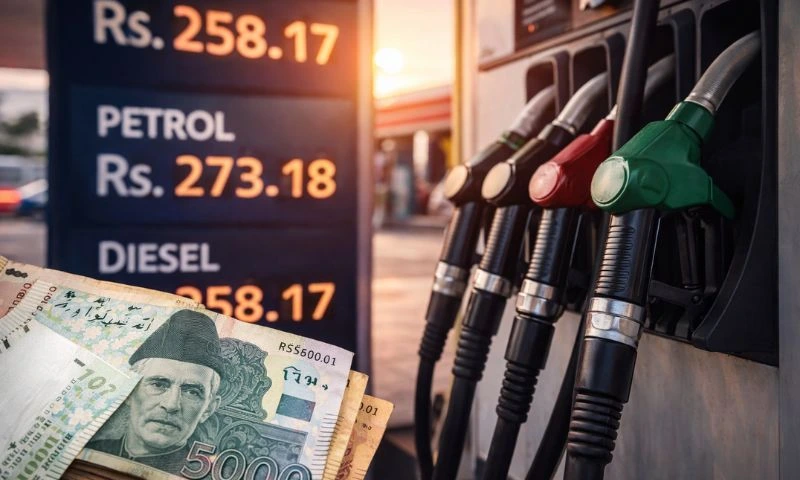
Petrol Price Set to Rise by Rs5 Per Litre in Pakistan From March
The federal government is preparing to raise petrol prices in Pakistan, potentially adding further pressure on millions of fuel consumers already coping with high inflation and living costs. According to government sources, petrol price is expected to increase by around Rs4.58 per litre, while high-speed diesel (HSD) may go up by about Rs4.73 per litre, starting from March 1, 2026 once approved. The Oil and Gas Regulatory Authority (OGRA) recently completed its pricing review and submitted the proposal to the Petroleum Division. If approved by the federal government, the official notification will be issued by the Ministry of Finance, setting the new rates in stone for the next fortnight. Officials also said kerosene oil is likely to increase by Rs6.88 per litre, and light diesel oil may rise by Rs5 per litre. Fuel Price Revisions Are Fortnightly The pricing of petrol and other petroleum products in Pakistan is reviewed every two weeks. These adjustments reflect changes in global oil prices, exchange rate movements, and domestic cost components such as taxes, levies, and distribution margins. Analysts say that frequent price fluctuations are a direct result of volatility in international crude oil markets coupled with local currency pressures. Recent history shows similar movements. On February 16, 2026, the government raised petrol prices by Rs5 per litre and HSD by Rs7.32 per litre, increasing petrol to Rs258.17 per litre. That increase was widely criticised by political parties and public commentators as ill-timed, especially given rising inflation and economic stress. (turn0search26) Critics have said that fuel costs have a direct effect on transportation, food prices, and daily expenses. Despite these concerns, officials argue that aligning domestic rates with import and global market costs is necessary to maintain energy sector stability. The pricing mechanism has to work within Pakistan’s fiscal framework and often reflects broader economic pressures, including international supply chain costs and fluctuations in crude oil benchmarks such as Brent and Arab Light crude prices. Impact on Consumers and Economy Any rise in petrol prices impacts consumers directly. Petrol is a basic necessity for daily commuting, small vehicles, and personal transport. Diesel price increases affect heavy transport, goods deliveries, public buses, and agricultural machinery. Transporters typically pass on fuel cost increases to consumers through higher fares and goods prices. Over time, even a modest fuel price rise can contribute to broader inflation, putting further strain on household budgets. Economists often link fuel price hikes with general inflationary trends, as fuel costs feed into transportation, logistics, and production expenses across all sectors. Higher fuel prices can reduce disposable income, lower consumer spending, and contribute to rising cost of goods and services. Authorities sometimes adjust petroleum development levies or taxes to cushion the blow for consumers. Whether such a relief mechanism will be used this time remains unclear. Markets will continue to watch international crude oil trends, currency movements, and policy announcements for more definitive guidance on fuel pricing in the coming weeks.
Sindh Announces Official Summer Vacation Dates for All Schools and Colleges
The Sindh government has officially finalized the summer vacation schedule for schools and colleges across the province for the 2025 academic year. According to a notification issued by the Sindh Education Department, all public and private educational institutions will remain closed from June 1 to July 31, 2025. Academic activities will resume on August 1, 2025. The announcement has brought clarity for students, parents, and teachers who had been waiting for confirmation to plan the coming months. Official Notification and Scope of Closure The two-month summer break applies to all public and private schools, colleges, and higher secondary institutions operating under the administrative control of the Sindh Education and Literacy Department. The decision was taken following consultations during the department’s annual steering committee meeting, which reviews the academic calendar each year. Officials stated that the schedule ensures uniform implementation across the province. Institutions are required to complete examinations and academic assessments before the start of the summer break. A senior education official said the decision “ensures safety and comfort for students and staff during the harshest months of the year.” Authorities emphasized that any changes to the schedule would only occur if weather conditions demand further action. Rising Heat and Student Welfare Concerns Sindh experiences extreme summer temperatures, particularly in cities like Karachi, Hyderabad, Sukkur, and interior districts. In recent years, temperatures have frequently crossed 40 degrees Celsius, creating difficult learning conditions inside classrooms. Education experts say prolonged exposure to heat can affect student concentration, health, and attendance. The summer closure is therefore seen as a preventive measure to protect students and teaching staff during peak heatwave months. Similar vacation schedules have also been announced by other provinces, including Punjab and Khyber Pakhtunkhwa, as part of nationwide efforts to manage academic activities during extreme weather. What the Break Means for Schools and Families Summer vacations are often used by schools for maintenance work, infrastructure upgrades, and teacher training sessions. Many institutions also use this time to plan extracurricular programs and prepare academic materials for the upcoming term. For families, the confirmed dates allow better planning for travel, summer camps, tuition schedules, and personal commitments. Parents have welcomed the clear timeline, saying it reduces uncertainty during exam season. Students, meanwhile, are looking forward to a well-earned break after completing their academic responsibilities. With schools set to reopen on August 1, the education department hopes students will return refreshed and ready for the next academic term.
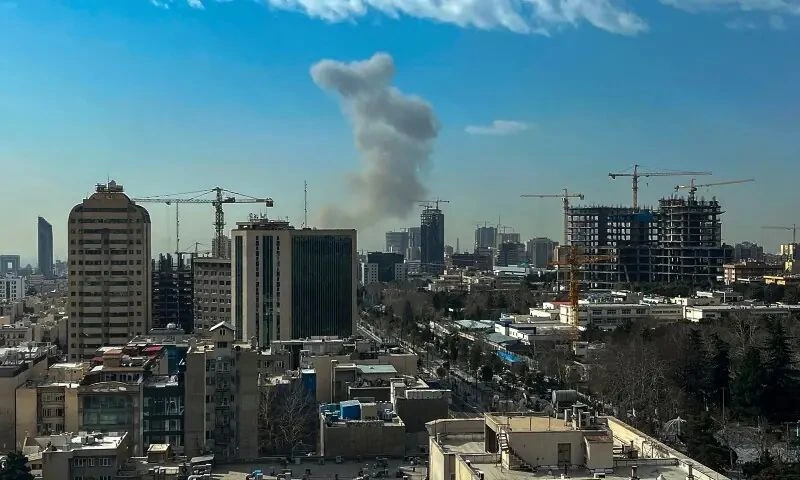
Israel Launches Pre-Emptive Attack on Iran as Explosions Reported in Tehran
On Saturday, February 28, 2026, Israel announced that it had launched a pre-emptive military strike against Iran, marking a major escalation in tensions in the Middle East. The attack, which Israeli officials say was planned months in advance, was described as necessary to neutralize threats against the State of Israeli Defence Minister Israel Katz told reporters that “The State of Israel launched a pre-emptive attack against Iran to remove threats to the State of Israel.” The operation was coordinated with the United States military, reflecting close strategic cooperation between the two nations amid rising international instability. Explosions were widely reported in Tehran, and images from the Iranian capital showed smoke rising over several districts. In response, Iranian state media reported disruptions to mobile phone and internet services in parts of western and eastern Tehran. Across Israel, air raid sirens were activated, warning citizens of the possibility of retaliatory missile strikes from Iran. The Israeli Defence Forces (IDF) emphasized that these precautions aimed to keep civilians safe as the country prepared for potential further escalation. Israel also declared a nationwide state of emergency and closed its airspace to civilian flights. Government authorities urged the public to stay close to shelters and avoid travel as tensions rose. Despite renewed diplomatic efforts earlier in February to restart talks between the United States and Iran on nuclear and ballistic missile programs, diplomatic progress has stalled. Both sides remain deeply divided over fundamental issues, including linking negotiations on missiles to discussions on Iran’s nuclear activities. Iran has consistently denied seeking nuclear weapons, insisting its nuclear program is peaceful. Iran’s stockpile of 60% enriched uranium, which is close to weapons-grade levels, continues to be a major concern for Western intelligence agencies. A confidential report by the International Atomic Energy Agency (IAEA) stated it could not verify whether Iran had stopped uranium enrichment following the June 2025 conflict. The strike comes amid a broader backdrop of conflict between Israel and Iran that has included covert sabotage, cyberattacks, and military operations. In June 2025, Operation Rising Lion involved coordinated airstrikes by the U.S. and Israel on Iranian nuclear facilities, and those operations shaped the current security landscape. Regional capitals, world powers, and international security analysts are closely monitoring developments. There are deep fears that this attack could ignite a wider war involving multiple nations. Iran has vowed to defend itself and has not ruled out strong retaliation. As the situation unfolds, global leaders are calling for calm, but the reality is stark. The Middle East has entered a critical moment. The full implications are uncertain, and a wider conflict could reshape security dynamics across the region.
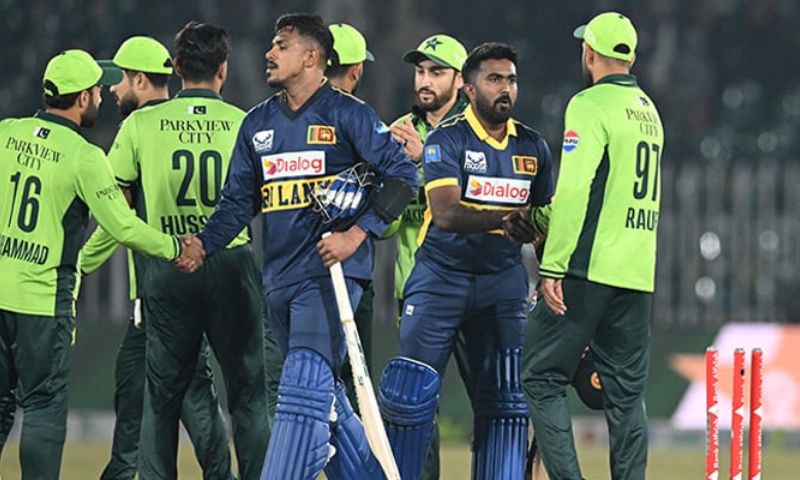
Pakistan vs Srilanka: What Pakistan Must Do to Qualify for Semi Finals
Pakistan step into Pallekele tonight knowing exactly what they need. Not just a win. Not just a strong performance. They need something extraordinary. Sri Lanka are already out of the tournament, which makes this clash a dead rubber for the hosts. But for Pakistan, it is survival night in the ICC Men’s T20 World Cup 2026. England’s surprise comeback win over New Zealand has opened a tiny window. It is narrow. It is difficult. But it is there. The problem is the net run rate gap. New Zealand sit comfortably ahead with a net run rate of 1.390, while Pakistan are stuck at -0.461. That difference leaves Pakistan with only one realistic route to the semi finals. The Qualification Equation Pakistan must not just defeat Sri Lanka. They must win big. If Pakistan bat first, they need to win by roughly 64 runs. A smaller margin will not be enough to bridge the net run rate gap. If they chase, the task becomes even clearer and even more demanding. Whatever target Sri Lanka set, Pakistan must hunt it down in about 13.1 overs. That is the qualification math. Nothing else matters. This means aggression from ball one. No Room for Caution If Pakistan win the toss and bat, expect a fearless powerplay. The top order cannot afford a steady start. They must attack. Every extra boundary widens the path to the semi finals. If they bowl first, early wickets are essential. The lower the Sri Lankan total, the more realistic a rapid chase becomes. The pace attack will be key. Shaheen Afridi and the seamers must strike early to prevent Sri Lanka from building a competitive score. In batting, players like Fakhar Zaman must go hard without hesitation. This is not a night for caution. It is a night for calculated risk. Sri Lanka, though eliminated, will not simply step aside. Playing at home in front of their fans, they will want to finish their campaign with pride. Spoiling Pakistan’s hopes could provide some consolation after a disappointing Super Eights run. The pressure therefore sits entirely on Pakistan. They do not control New Zealand’s numbers anymore. They can only control how big they win, and how fast they chase. A 64 run victory. Or a chase wrapped up inside 13.1 overs. Those are the only figures that matter tonight in Pallekele. Everything else is noise.
