

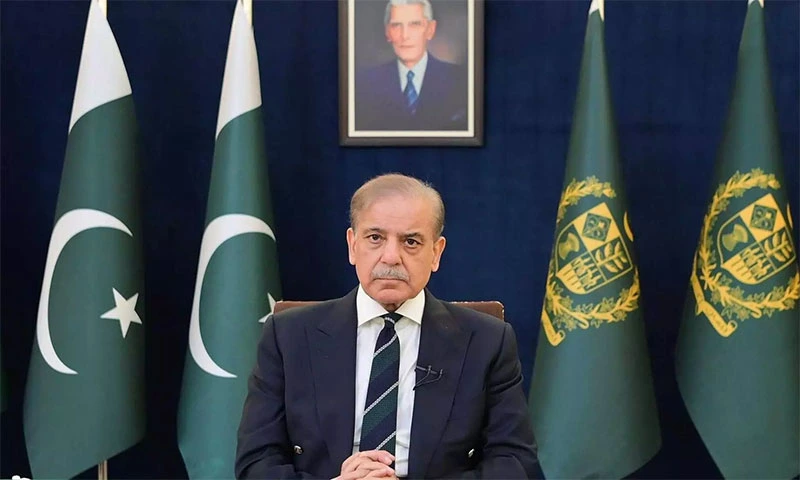
Prime Minister Shehbaz Sharif is expected to announce a comprehensive austerity plan aimed at conserving fuel and reducing government spending as Pakistan grapples with the economic fallout of rising global oil prices. The move comes after the government sharply increased petrol and diesel prices by Rs55 per litre, a decision triggered by escalating tensions in the Middle East that have disrupted global energy markets. Officials said the prime minister reviewed several proposals during a high level meeting on the country’s economic situation and directed relevant ministries to prepare a detailed strategy focusing on austerity, savings and efficient energy use. The government is expected to formally unveil the plan soon as part of broader efforts to protect Pakistan’s economy from the ongoing global energy crisis. Fuel Crisis Linked to Middle East Conflict The austerity plan comes as global oil markets remain volatile due to the conflict involving Iran, the United States and Israel. The tensions have disrupted supply routes in the Gulf region and pushed crude oil prices to their highest levels in nearly two years. Pakistan relies heavily on imported oil, much of which passes through the Strait of Hormuz, a critical global shipping route. Any disruption in this corridor directly affects the country’s fuel supply and prices. Earlier this week, the government raised petrol and diesel prices by around 20 percent, citing global market pressures caused by the regional conflict. Authorities said the price adjustment was unavoidable due to the sharp rise in international petroleum prices. Committee Tasked With Proposing Measures During the review meeting, the prime minister directed a committee to develop practical proposals for austerity and fuel conservation within 48 hours. The committee includes senior officials from the finance and petroleum ministries and other relevant departments. Officials said the proposed measures aim to ensure the efficient use of energy while minimizing the burden on the public. “The strategy should not only minimise the burden on the public but also prioritise their relief,” the prime minister emphasized during the meeting. The plan may include steps to reduce government expenditure, promote fuel conservation and improve coordination with provincial governments. Crackdown on Hoarding and Artificial Shortages The prime minister also instructed authorities to take strict action against petrol pumps or companies involved in creating artificial shortages. He ordered that any petrol station found hoarding fuel or exploiting the crisis should face immediate closure and legal action. Officials said these measures are intended to prevent panic buying and ensure the smooth supply of petroleum products across the country. Efforts to Stabilize Energy Supply Alongside austerity measures, the government is exploring alternative ways to secure fuel supplies. Pakistan has already contacted regional partners to maintain steady imports and avoid disruptions caused by instability in the Gulf region. Authorities say maintaining adequate fuel reserves and managing consumption will remain key priorities in the coming weeks. The upcoming austerity plan is expected to outline several steps aimed at stabilizing the economy while protecting consumers from the worst effects of the global fuel crisis.

India Crush New Zealand to Win T20 World Cup for the Third Time
India produced a dominant all round performance to defeat New Zealand and win the ICC Men’s T20 World Cup 2026, securing their third title in the history of the tournament. The final, played at the Narendra Modi Stadium in Ahmedabad, saw India overpower the Black Caps with both bat and ball in front of a massive crowd. India set the tone with a record breaking batting display before their bowlers sealed a convincing victory, marking one of the most one sided finals in T20 World Cup history. Samson Leads India’s Record Breaking Batting India’s batting lineup produced a spectacular performance after being put in to bat. The team posted 255 for 5 in 20 overs, the highest total ever recorded in a T20 World Cup final. Wicketkeeper batter Sanju Samson played the standout innings, scoring 89 runs from 46 balls with eight sixes and five fours. His aggressive batting laid the foundation for India’s massive total. Samson received strong support from his teammates. Abhishek Sharma scored 52 from 21 balls, while Ishan Kishan added a rapid 54 from 23 deliveries. Their attacking approach kept the scoreboard moving at a relentless pace and left New Zealand’s bowlers under immense pressure. Although New Zealand briefly gained momentum when James Neesham took three wickets in one over, India still finished with a commanding total that proved difficult to chase. Read More: India vs New Zealand Final: $3 Million Prize Money at Stake India Bowlers Dominate the Chase Chasing a daunting target of 256 runs, New Zealand struggled to build partnerships as India’s bowlers applied constant pressure. Fast bowler Jasprit Bumrah delivered a match winning spell, taking four wickets and dismantling the New Zealand batting order. Despite a fighting effort from Tim Seifert, who scored 52 runs, the Black Caps were unable to keep up with the required run rate. New Zealand were eventually bowled out for 159 in 19 overs, handing India a convincing victory by 96 runs. India’s disciplined bowling attack ensured that New Zealand never recovered after losing early wickets. Read More: T20 World Cup Final: India Aim for T20 History as New Zealand Target First World Cup Glory Historic Achievement for India The victory marked a historic milestone for India in international T20 cricket. With this win, India became the first team to win the T20 World Cup three times and the first to successfully defend the title. India had previously won the tournament in 2007 and 2024, making the 2026 triumph another significant chapter in the country’s cricketing history. The win was particularly special because it came at home in front of a huge crowd at the world’s largest cricket stadium. A Tournament Filled With Drama The 2026 ICC Men’s T20 World Cup, co hosted by India and Sri Lanka, featured 20 teams competing across multiple venues. The final in Ahmedabad concluded weeks of thrilling cricket and intense competition. India reached the final after defeating England in a high scoring semi final, while New Zealand secured their place after a dominant victory over South Africa. In the end, India’s explosive batting and disciplined bowling proved too strong as they lifted the trophy once again.

Trump Issues Stark Warning to Iran Amid Growing Regional Conflict
Tensions in the Middle East have intensified after former US President Donald Trump issued a stark warning to Iran, saying the country could face severe consequences as the conflict involving the United States, Israel and Iran continues to escalate. The remarks come at a time when the region is already experiencing one of its most volatile security crises in recent years. Trump made the warning in a post on his Truth Social platform, where he indicated that the United States could expand its strikes against Iran if the situation deteriorates further. The statement follows a series of military exchanges and retaliatory attacks involving Iran and its regional adversaries. Trump’s Warning to Iran In his message, Trump suggested that stronger action could be taken against Iranian targets if the conflict continues. He wrote, “Today Iran will be hit very hard!” and warned that additional Iranian officials and locations could be targeted. He further claimed that Iran had apologized to its neighboring countries following recent attacks and said the situation had shifted significantly due to ongoing US and Israeli military pressure. Trump stated that Iran had promised not to launch further attacks against regional states. Trump also declared that Iran was no longer the dominant power in the region, saying it was no longer the “Bully of the Middle East.” Rising Conflict Across the Region The warning comes as the Middle East faces mounting instability following recent Iranian missile and drone attacks targeting several Gulf states. These attacks have triggered defensive responses from regional militaries and intensified international concern about a wider regional war. Iranian President Masoud Pezeshkian recently acknowledged the regional tension and issued an apology to neighboring countries affected by the attacks. In a televised statement he said, “I apologize … to the neighboring countries that were attacked by Iran.” Despite the apology, reports indicate that missile and drone attacks continued in some parts of the region, raising fears that the conflict could escalate further. Global Powers Call for Restraint As the crisis deepens, several global powers have urged restraint and diplomacy. China’s foreign minister recently warned that the international community must avoid allowing the conflict to spiral into a larger regional war, stressing that military force cannot replace diplomacy. International analysts say the conflict could have far reaching consequences for global security, energy markets and international shipping routes, particularly in the strategically important Gulf region. The Strait of Hormuz, through which a large share of the world’s oil supply passes, remains a major concern for policymakers and energy markets if the conflict continues to intensify. A Region on Edge The latest developments highlight how quickly tensions in the Middle East can escalate and draw in global powers. Military exchanges, diplomatic warnings and regional security concerns are now unfolding simultaneously. While some leaders continue to push for negotiations, others warn that the conflict could expand if further attacks occur. For now, the situation remains volatile as governments across the region closely monitor developments that could reshape the geopolitical balance of the Middle East.
After Petrol Hike, Kerosene Price Soars by Rs130 Per Litre
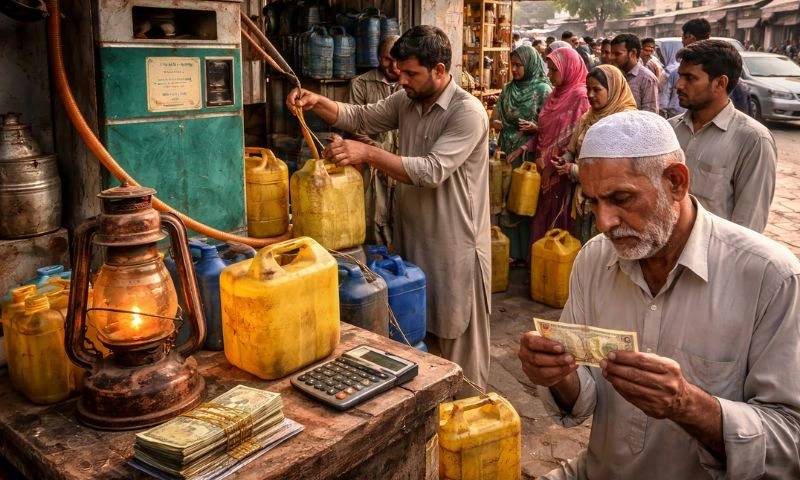
Pakistan’s government has sharply increased the price of kerosene oil by Rs130.08 per litre, pushing the new rate to Rs318.81 per litre, in one of the largest single increases in the country’s energy market in recent years. The new price came into effect on March 7, following a notification issued by the Oil and Gas Regulatory Authority (OGRA). The move comes just days after the government raised the prices of petrol and high speed diesel by Rs55 per litre, citing soaring global oil prices and disruptions in the international energy market. Officials say the surge in petroleum prices has been driven largely by tensions in the Middle East that have disrupted oil supply routes and pushed global crude prices sharply higher. New Kerosene Price and Previous Rate According to the OGRA notification, the price of kerosene was raised by Rs130.08 per litre, bringing it to Rs318.81 per litre from the previous price of Rs188.73 per litre, which had been set on March 1. The steep increase has drawn concern because kerosene is widely used by lower income households, particularly in rural and mountainous areas where it is commonly used for cooking and heating. At the same time, the government also increased the price of light diesel oil, another fuel commonly used in agriculture and transport. Light diesel now costs around Rs235.1 per litre, after a significant increase. Energy analysts say such increases can directly impact living costs for millions of Pakistanis who rely on these fuels for daily use. Global Oil Prices Driving Local Increases Officials have linked the fuel price surge to geopolitical tensions in the Middle East that have caused global energy markets to spike. Pakistan imports most of its petroleum products, making domestic prices highly sensitive to international market movements. The government previously announced that petrol prices had been increased to Rs321.17 per litre and high speed diesel to Rs335.86 per litre in response to rising global prices. According to the petroleum ministry, global petroleum product prices have risen by 50 to 70 percent in recent weeks due to regional instability affecting oil supply chains. Officials said the government took what they described as a difficult decision to pass part of the international price increase to domestic consumers to avoid shortages and maintain supply. Impact on Consumers and Economy Economists warn that the increase in kerosene prices could significantly affect low income households. Kerosene is often used in areas without access to natural gas, meaning families rely on it for cooking, heating, and lighting. Higher fuel costs also have a ripple effect across the economy, increasing transport costs and pushing up the prices of goods and services. Pakistan’s fuel price adjustments are typically made based on recommendations from OGRA and international oil price movements. In the current situation, the government has also indicated that petroleum prices may now be reviewed on a weekly basis due to the volatile global market. Rising Energy Costs Add Pressure on Inflation The latest fuel price increases come at a time when Pakistan is already struggling with inflation and economic pressure on households. With kerosene now crossing Rs300 per litre, analysts say the government may face growing pressure to find ways to cushion the impact on vulnerable populations while ensuring a stable fuel supply. As global oil markets remain volatile, further changes in petroleum prices cannot be ruled out in the coming weeks.
South Africa Stars Accuse ICC of Unfair Treatment During T20 World Cup
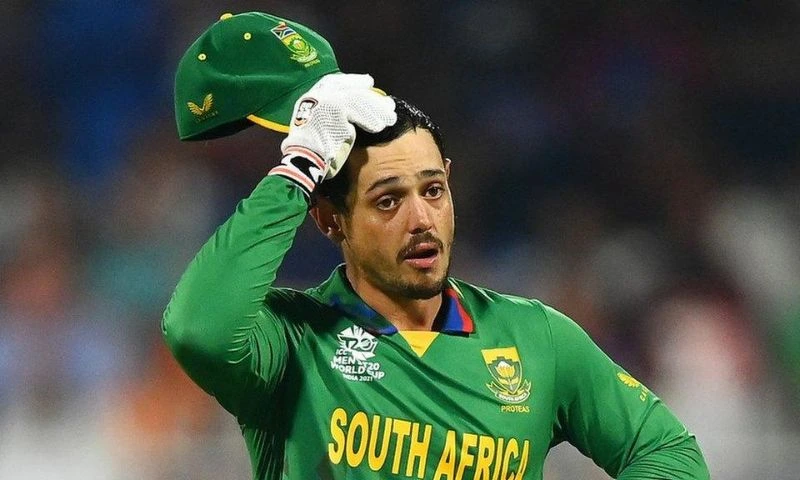
South African cricketers Quinton de Kock and David Miller have publicly criticised the International Cricket Council (ICC) over what they described as unfair travel arrangements following their team’s exit from the ICC Men’s T20 World Cup 2026. Their frustration emerged after England were allowed to leave India earlier, while South Africa and the West Indies remained stranded waiting for travel confirmation. The controversy has sparked debate across the cricket world, with players, fans, and analysts questioning the logistical decisions taken by the global governing body during the tournament. Travel Disruptions Leave Teams Stranded The travel chaos comes amid airspace restrictions and flight disruptions linked to escalating tensions in the Middle East, which have affected several international flight routes. These disruptions have made it difficult for teams eliminated from the tournament to leave India immediately. South Africa were knocked out of the tournament after losing to New Zealand in the semi final on March 4, while the West Indies exited earlier in the Super 8 stage after losing to India on March 1. Despite their earlier exits, both teams remained in India waiting for travel arrangements. In contrast, England, who were eliminated later in the competition, were reportedly able to return home sooner on a chartered flight arranged by the ICC from Mumbai. The difference in departure timing became the focal point of criticism from South African players. Read More: West Indies and Zimbabwe Cricket Teams Stranded in India After Airspace Closures De Kock Questions ICC Communication Quinton de Kock voiced his frustration on social media, questioning why England were allowed to depart earlier even though their exit from the tournament came later than South Africa’s. He wrote, “Funny @icc, we have heard nothing! Meanwhile, England are leaving before us somehow? West Indies and South Africa are just in the dark! Strange how different teams have more pull than others.” His remarks quickly spread across social media, drawing reactions from fans and cricket analysts. David Miller Echoes the Criticism South Africa’s middle order batter David Miller also criticised the situation, suggesting that the travel arrangements were unfair. Responding to reports of England’s early departure, Miller wrote, “Funny that England gets eliminated after WI and SA and gets on a charter back home tonight while WI and SA still wait for answers in Kolkata.” The comments highlighted growing frustration among players who had been waiting several days for clarity on travel plans. Wider Debate Over Tournament Logistics The incident has also drawn reactions from others in the cricket community. West Indies head coach Daren Sammy publicly supported the criticism, while former England captain Michael Vaughan questioned why England were able to leave sooner than other teams. According to reports, both South Africa and West Indies were expected to eventually depart from Kolkata on a charter flight, with South Africa likely stopping in Johannesburg before West Indies players continue on to Antigua. The episode has raised broader questions about logistics planning during major global tournaments, especially when geopolitical events disrupt international travel. Read More: India Stayed Away From Pakistan, Bangladesh Shown the Door — ICC Under Fire ICC Faces Pressure Over Fairness Concerns While travel disruptions were caused by external geopolitical factors, the criticism directed at the ICC reflects concerns about transparency and fairness in decision making during international tournaments. With the T20 World Cup approaching its final stages, the controversy has added an unexpected off field debate about how teams are treated once their campaigns end.
India vs New Zealand Final: $3 Million Prize Money at Stake
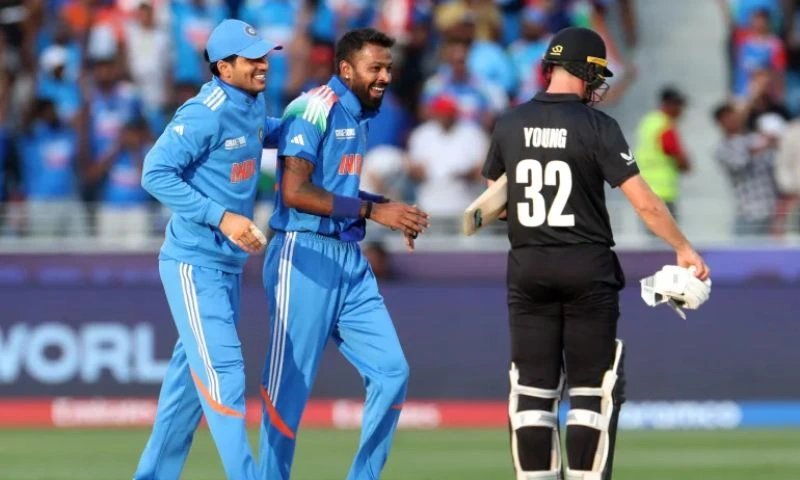
The ICC Men’s T20 World Cup 2026 final between India and New Zealand is not only about cricketing glory but also about a massive financial reward. The champion team will walk away with one of the biggest payouts in the tournament’s history, highlighting the growing commercial value of international cricket. According to reports, the winners of the 2026 T20 World Cup will receive $3 million in prize money, while the runners up will earn $1.6 million. The prize pool reflects a significant rise in financial rewards offered by the International Cricket Council (ICC) in recent years. With the final featuring India and New Zealand, both teams are competing not only for the trophy but also for a substantial financial windfall. Total Prize Pool for the Tournament The ICC has allocated a total prize fund of about $13.5 million for the 2026 T20 World Cup. This marks a noticeable increase compared with earlier editions of the tournament, reflecting cricket’s expanding global audience and growing broadcast revenues. The tournament is the 10th edition of the ICC Men’s T20 World Cup and is being co hosted by India and Sri Lanka, featuring 20 teams and more than 50 matches across multiple venues. Higher prize money has become a major incentive for teams, especially for emerging cricket nations that rely heavily on international tournament earnings. Prize Money Breakdown for Teams The prize money distribution extends well beyond the finalists. Teams that reach the semi finals also earn significant payouts. Winners: $3 million Runners up: $1.6 million Losing semi finalists: about $790,000 each Teams finishing between 5th and 12th: around $380,000 each This structure ensures that even teams eliminated before the final stages receive substantial financial rewards. The prize money is distributed by the ICC to national cricket boards, which then allocate funds among players, coaching staff, and development programs. Financial Stakes Beyond the ICC Prize While the ICC prize money is significant, the financial rewards do not stop there. In many countries, national cricket boards also announce additional bonuses for players if they win major tournaments. For example, after India won the Champions Trophy in 2025, the Board of Control for Cricket in India awarded a bonus of $6.7 million to the team, demonstrating how national boards often provide additional rewards for global titles. Similarly, other cricket boards may offer extra incentives depending on their financial capacity and government support. Cricket’s Growing Commercial Value The massive prize pool highlights the commercial success of modern international cricket. Major tournaments generate huge revenue from broadcasting rights, sponsorship deals, and ticket sales. High profile matches such as India’s games in global tournaments can generate enormous financial returns. Reports suggest that individual fixtures can attract tens of millions of dollars in broadcast revenue alone, underlining the economic power of global cricket events. A Final With History and Millions on the Line As India and New Zealand meet in the final, the match represents more than just sporting prestige. For India, victory would mean defending their T20 World Cup crown and securing another major global title. For New Zealand, it offers a chance to win their first T20 World Cup. Alongside the trophy, the winning team will also take home $3 million, making the final one of the most lucrative matches in international cricket.
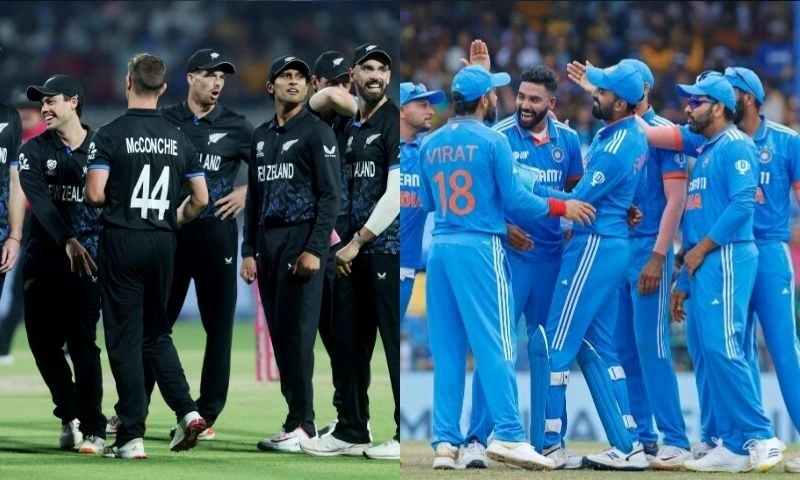
T20 World Cup Final: India Aim for T20 History as New Zealand Target First World Cup Glory
India and New Zealand are set for a high stakes showdown in the ICC Men’s T20 World Cup 2026 final, with both teams chasing historic milestones. India are aiming to become the first nation to win back to back T20 World Cup titles, while New Zealand are looking to secure their first major white ball World Cup trophy. The final will take place at the Narendra Modi Stadium in Ahmedabad, the world’s largest cricket stadium, which can host more than 100,000 spectators. The venue will witness the conclusion of a 20 team tournament that has produced several dramatic moments on the road to the title decider. India Eyeing a Historic Achievement India enter the final as defending champions after winning the 2024 T20 World Cup. If they win again, they will become the first team to retain the title in the history of the tournament. The team reached the final after a thrilling semifinal victory over England. India posted a huge 253 for 7, powered by an impressive 89 from Sanju Samson and contributions from Ishan Kishan and Shivam Dube. England fought back strongly with a brilliant 105 from Jacob Bethell, but fell short as India won by seven runs. India captain Suryakumar Yadav acknowledged the excitement of reaching the final. He said the team was thrilled about the opportunity. He stated that there would be nerves but the players and staff were excited for the big match. India’s campaign has been driven by strong performances from Samson with the bat and Jasprit Bumrah’s disciplined bowling, which has helped control opponents in crucial moments of the tournament. New Zealand Seek Long Awaited Glory New Zealand arrive in the final with momentum after a dominant semifinal performance against South Africa. The Black Caps crushed the previously unbeaten team by nine wickets. The match was highlighted by a sensational performance from opener Finn Allen, who smashed a 33 ball century, one of the fastest in the tournament’s history. His explosive batting alongside Tim Seifert powered New Zealand to the final. Allen emphasized the team’s fighting spirit after the victory. He said, “It just shows that us as a team, we get up for the fight.” Despite reaching several major finals in international cricket, New Zealand are still searching for their first global white ball title. The team previously finished runners up in the 2021 T20 World Cup, making the 2026 final another opportunity to finally lift a major limited overs trophy. Rivalry and History Between the Two Teams The upcoming final adds another chapter to the competitive history between India and New Zealand in global tournaments. Interestingly, New Zealand hold the advantage in past T20 World Cup meetings, having defeated India in all three previous encounters in 2007, 2016 and 2021. However, India’s strong form and home advantage make them slight favourites heading into the final. A Final That Could Shape Cricket History The 2026 T20 World Cup final promises to deliver a dramatic contest between two of the world’s most consistent teams. India will attempt to secure a historic title defence, while New Zealand will chase a long awaited global triumph. With more than 100,000 fans expected in Ahmedabad, the stage is set for a memorable night that could redefine cricket history.
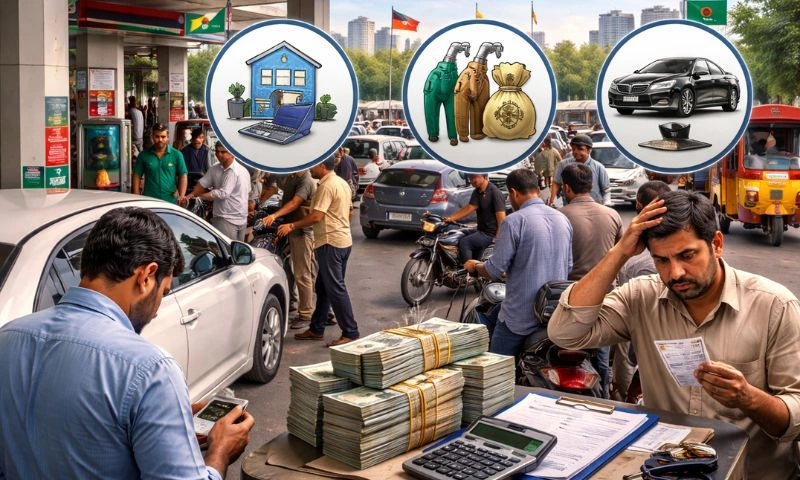
Could Pakistan Have Avoided the Petrol Price Hike? Experts Point to Alternatives
Pakistan’s decision to raise petrol and high speed diesel prices by Rs55 per litre has triggered a wider policy debate over whether the government had alternatives before passing the full burden to consumers. The latest increase took petrol to Rs321.17 per litre and diesel to Rs335.86, with officials linking the move to war related disruption in regional supply chains and higher global oil prices. The government also raised the petroleum levy on petrol to Rs105.4 per litre. One option already discussed inside government circles was fuel conservation instead of an immediate price pass through. A cabinet committee decided in principle to consider measures such as work from home, distance learning, car pooling and even a shift toward weekly price revisions as part of a broader response to supply uncertainty. The committee’s official March 5 handout also said it reviewed a “phased menu” of fuel conservation steps and examined measures to manage demand if needed. A second option was to cut taxes and levies on fuel, at least temporarily. Profit reported that oil industry stakeholders urged the federal government to reduce the petroleum levy rather than pass the full impact of global oil volatility to consumers. Before the latest price revision, the government was charging a petroleum levy of Rs84.4 per litre on petrol and Rs76.21 on diesel, along with a climate support levy of Rs2.5 per litre and import related charges brought the total tax burden on petroleum products to roughly Rs120 to Rs125 per litre. A third option raised in public criticism was to reduce official fuel perks and non essential state consumption. There is widespread anger after the fuel hike over government fuel allowances. Jamaat e Islami Central Ameer Hafiz Naeem ur Rehman demands the withdrawal of free petrol for ministers and government officials. Under a revised Punjab motor transport policy, some official and personal use vehicles are entitled to 500 litres and 300 litres of petrol per month respectively, with touring vehicles based on actual consumption. Neighbouring Countries Took a Mixed Approach Pakistan’s neighbours did not respond in the same way over the past week. In India, the government said petrol and diesel prices would not rise despite the regional energy shock, although Reuters reported that cooking gas prices were increased by 7 percent. Indian media outlets also reported petrol and diesel rates remained unchanged in major cities such as Delhi and Mumbai. Bangladesh also avoided a petrol increase for March. Reports citing a government notification said petrol stayed at Tk116 per litre, diesel at Tk100, octane at Tk120 and kerosene at Tk112 throughout the month. Nepal kept retail petrol prices unchanged as well. Nepal Oil Corporation’s published price table showed petrol at NPR154.5 per litre on March 1, the same as February 16. Radio Nepal reported that this decision was maintained even though the corporation said international costs had risen. Sri Lanka moved in the opposite direction, but only slightly. Reports on the Ceylon Petroleum Corporation revision effective March 1 said Petrol 92 Octane was increased by LKR1 per litre to LKR293, while Petrol 95 remained unchanged at LKR340. A Global Oil Shock, But Different Policy Choices Globally, the pressure is real. Reuters reported that oil and gas prices have surged as the Iran crisis disrupted Middle East exports and shipping, and U.S. pump prices also rose sharply over the past week. But the comparison with neighbouring countries shows that governments still had different tools available, including holding retail petrol prices steady, cutting levies, or relying more heavily on conservation measures. In Pakistan’s case, several of those options were discussed or demanded, but the state chose a sharp price increase first.
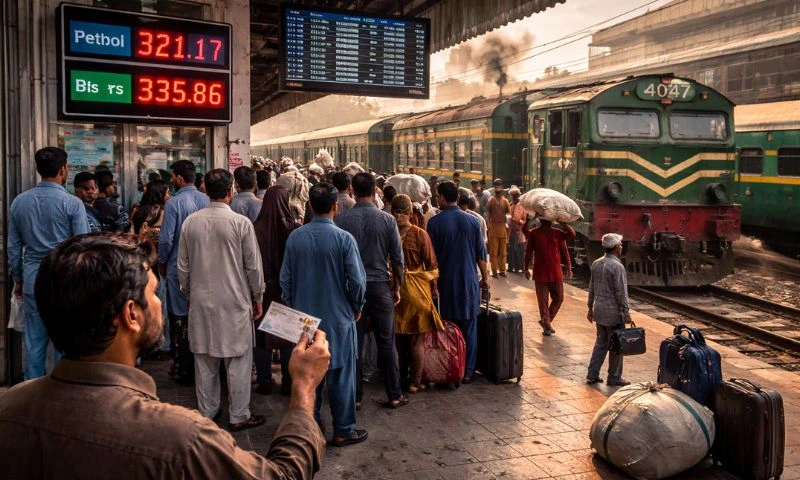
Pakistan Railways Raises Train Fares After Massive Fuel Price Hike
Pakistan Railways has announced an increase in passenger and freight train fares after the government sharply raised petrol and diesel prices across the country. The decision reflects the growing financial pressure on the transport sector as fuel costs continue to rise. According to railway officials, the new fare structure will come into effect from March 9 and will apply to all passenger and cargo train services nationwide. However, passengers who have already booked tickets before the announcement will continue to travel at the previously issued fares. The development follows a major jump in petroleum prices that has affected transportation costs across Pakistan. Economy and AC Class Fares Increased Pakistan Railways confirmed that economy class ticket fares have been increased by 5 percent, while air conditioned classes will see a 10 percent rise in fares. In addition, freight train charges have been raised by 20 percent, a move expected to increase the cost of transporting goods across the country. A spokesperson for Pakistan Railways said the fare adjustment became unavoidable due to the surge in diesel prices, which significantly increased operational costs for train services. Despite the hike, the department said it will continue to absorb part of the additional expenses related to passenger train operations in order to reduce the burden on travelers. Record Fuel Price Hike Behind the Decision The fare increase comes just a day after the government announced one of the largest fuel price increases in Pakistan’s history. Petrol and high speed diesel prices were raised by Rs55 per litre, pushing petrol prices to Rs321.17 per litre and diesel prices to Rs335.86 per litre. Officials say the surge was driven by rising global oil prices and disruptions in energy supply caused by escalating tensions in the Middle East. Since Pakistan relies heavily on imported oil, particularly shipments passing through the Strait of Hormuz, international market fluctuations have a direct impact on domestic fuel prices and transport costs. Rising Fuel Costs Affect Entire Transport Sector The increase in train fares is part of a broader rise in transportation costs across the country. Following the fuel price hike, transporters in many cities have raised fares for buses, vans, and long distance travel services. Residents in several cities have reported higher costs for daily commuting, school transport, and the transportation of goods. Shopkeepers say the cost of transporting fruits, vegetables, and other items has also increased significantly. Experts warn that higher freight charges could push up the prices of essential goods as transport costs form a major part of supply chains. Pakistan Railways and Its Operational Challenges Pakistan Railways, the state owned rail operator, manages a network of nearly 7,800 kilometres of track and hundreds of stations across the country, connecting major cities such as Karachi, Lahore, Quetta and Peshawar. Fuel remains one of the biggest expenses for the railway system, as locomotives rely heavily on diesel. Rising fuel prices therefore directly affect the cost of running trains and maintaining services. Officials say the latest fare adjustment is intended to help the railway department manage increasing operational expenses while continuing to provide passenger and freight services nationwide. As global oil prices remain volatile, transport costs in Pakistan are expected to remain under pressure in the coming weeks.
