

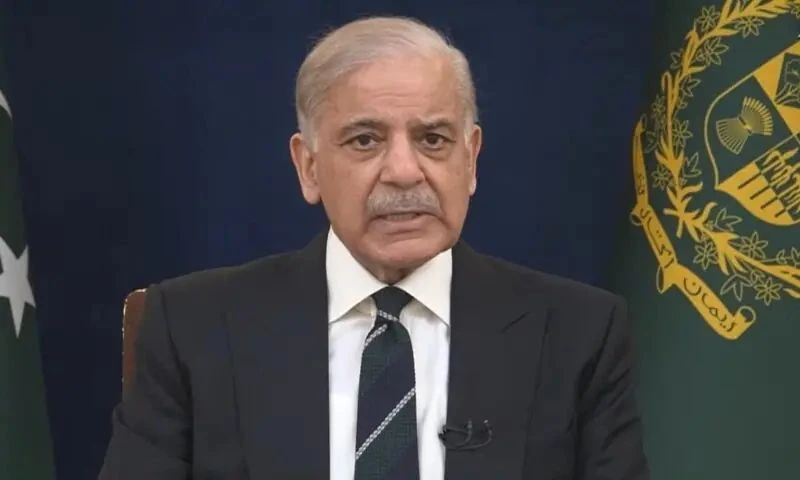
Prime Minister Shehbaz Sharif on Monday unveiled a series of austerity measures aimed at conserving fuel and reducing government expenditure as Pakistan faces economic pressure from the global fuel crisis triggered by the war in the Middle East. In a televised address to the nation, the prime minister said the government had held consultations earlier in the day with federal and provincial authorities to finalise the measures. The decisions were taken to reduce fuel consumption and prepare the country for the economic fallout of the regional conflict. Among the key steps announced, the prime minister said fuel allowances for official vehicles would be reduced by 50 percent for the next two months. However, ambulances and public transport vehicles would be exempt from the cut. He also said that 60 percent of vehicles used by government departments would be taken off the road during the same period in order to conserve fuel. In addition, members of the federal cabinet will forgo their salaries for two months. The austerity package also includes a 25 percent reduction in the salaries of parliamentarians. Senior government officers in grade BS-20 who earn more than Rs300,000 will contribute two days’ salary to support the public during the crisis. Shehbaz Sharif further announced that government departments would cut their operational expenses by 20 percent. A ban has also been imposed on purchasing vehicles, furniture, air conditioners and other equipment for government offices. Foreign trips by ministers, advisers and government officials have been prohibited unless they are deemed essential for national interests. To further reduce fuel consumption, the government will prioritise teleconferencing and online meetings. Official dinners and Iftar gatherings have also been banned, while seminars and conferences will be held in government buildings instead of hotels. The prime minister said several decisions had also been taken to conserve fuel and energy in both public and private sectors. Except for essential services, 50 percent of employees will work from home while offices will operate only four days a week. However, he clarified that banks will not be affected by the shortened work week. He also announced changes in the education sector to limit transportation related fuel use. Schools will have two weekly holidays and a two week break beginning at the end of this week. Higher educational institutions will shift to online classes during this period. Shehbaz Sharif warned that profiteers and hoarders should not attempt to exploit the situation by creating artificial shortages of petroleum products. “Otherwise, the law will come into effect and action will be taken,” he said. PM Condemns US and Israel Attacks on Iran At the start of his address, the prime minister spoke about the rapidly escalating conflict in the Middle East and condemned the attacks carried out by the United States and Israel on Iran, saying the strikes had pushed the region towards greater instability. “These attacks have posed a great threat to the whole region,” he said, warning that the war could have serious consequences for global peace and economic stability. He also said Pakistan stood “shoulder to shoulder” with friendly Gulf countries affected by the conflict and emphasised the need for restraint to prevent further escalation in the region. The premier warned that global oil prices had already crossed $100 per barrel following the outbreak of hostilities. “If things keep progressing in this manner, then the prices will get out of hand,” he said. Explaining the recent petroleum price hike, the prime minister said the decision was extremely difficult. “The decision to raise the price of petroleum products was a difficult one, where my head was at war with my heart,” he said, adding that the government had avoided a larger increase to reduce the burden on citizens. “We tried to take the middle road so that the burden on you is less,” he said. Shehbaz Sharif concluded by urging national unity in the face of global challenges and assured citizens that the government was working continuously to protect the economy. “In the coming days oil prices may increase again, but I will try that the burden does not fall on you.”
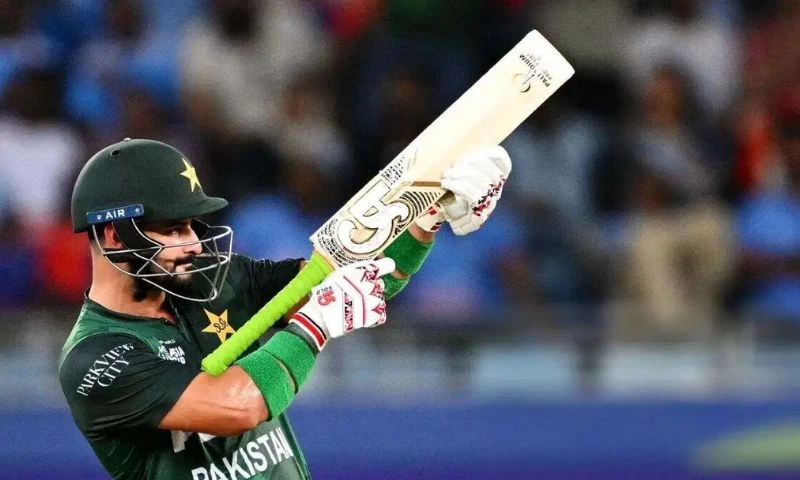
Pakistan Opener Sahibzada Farhan Among World Cup’s Best Performers
Pakistan’s aggressive opener Sahibzada Farhan has been named in the International Cricket Council’s Team of the Tournament for the ICC Men’s T20 World Cup 2026. The announcement highlights Farhan’s outstanding performance throughout the competition and recognizes him as one of the most consistent batters in the tournament. Farhan was the only Pakistani cricketer included in the prestigious XI selected by the ICC. The lineup features top performers from different countries who made a major impact during the event. His selection reflects his strong batting displays and his ability to deliver in crucial matches. According to ICC’s selection panel, Farhan’s performances stood out due to his consistency at the top of the order and his ability to accelerate the scoring rate in powerplay overs. Cricket analysts say his performances helped Pakistan remain competitive in several key games. Brilliant Tournament Performance Farhan finished the tournament among the top run scorers, collecting 383 runs in seven matches with an impressive strike rate and average. His batting included one century and several important half centuries that provided strong starts for Pakistan. One of the biggest highlights of his campaign came against Namibia, where Farhan scored a stunning century off just 58 balls. The innings helped Pakistan post a commanding total and secure an important victory. Speaking after the match, Farhan said, “It was a special moment for me to score my first T20 International century in a World Cup. I always try to give my best for Pakistan and contribute to the team’s success.” Pakistan captain also praised the opener’s performance during the tournament. He said, “Farhan showed great maturity and confidence at the top of the order. His performances gave us solid starts and put pressure on the opposition bowlers.” Cricket experts believe the opener’s fearless batting approach played a major role in several matches where Pakistan needed quick runs in the early overs. Other Stars in ICC Team of the Tournament The ICC Team of the Tournament also includes several standout performers from around the world. Among the players selected were New Zealand’s Rachin Ravindra, England’s Jos Buttler and Australia’s Glenn Maxwell, all of whom delivered match winning performances during the event. South Africa’s Anrich Nortje and Afghanistan’s Rashid Khan were among the bowlers who earned spots in the lineup after producing remarkable spells throughout the tournament. The team reflects the best individual performers who shaped the tournament with their batting, bowling and all round contributions. A Positive Sign for Pakistan Cricket Farhan’s inclusion in the ICC Team of the Tournament has been welcomed by cricket fans and analysts in Pakistan. Many believe his performance signals the arrival of a reliable opener who can play a key role in future international tournaments. Former Pakistan cricketer and commentator Ramiz Raja praised Farhan’s efforts during the competition. He said, “Sahibzada Farhan played fearless cricket and showed the temperament required at the international level. His performances are a big positive for Pakistan.” Pakistan has a long tradition of producing talented batters, and Farhan’s rise adds another promising name to that list. If he maintains this form and continues to improve, cricket experts believe Sahibzada Farhan could become one of the key pillars of Pakistan’s T20 batting lineup in the coming years.
SBP Holds Interest Rate at 10.5%: Who Wins and Who Loses in Pakistan’s Economy?
Pakistan’s central bank has decided to keep the key policy rate unchanged at 10.5 percent, a move that signals caution amid geopolitical tensions and lingering inflation risks. While the decision helps maintain economic stability, experts say it creates clear winners and losers across the economy, affecting borrowers, savers, investors, and businesses differently. Why the State Bank Held the Rate The Monetary Policy Committee of the State Bank of Pakistan (SBP) opted to maintain the policy rate at 10.5 percent, citing risks to inflation and uncertainty in global markets, particularly due to tensions in the Middle East that could push energy prices higher. SBP Governor Jameel Ahmad said the decision was taken to maintain price stability while supporting economic recovery. According to the central bank, inflation has eased but remains sensitive to global commodity prices and domestic demand. Headline inflation stood at around 5.6 percent in late 2025, but core inflation remains higher at about 7.4 percent, indicating persistent price pressures. The central bank expects Pakistan’s economy to grow between 3.75 percent and 4.75 percent in FY2026, driven by stronger domestic demand and industrial activity. However, analysts warn that rising oil prices due to geopolitical tensions could push inflation back up in the coming months. Who Benefits from the Decision? 1. Banks and Financial Institutions Banks are among the biggest beneficiaries of relatively high interest rates. Higher policy rates typically translate into stronger profit margins on lending and government securities. Financial analysts note that banks earn significant returns by investing in government treasury bills and bonds. When interest rates remain elevated, those investments generate higher yields, boosting banking sector profitability. 2. Savers and Fixed-Income Investors People who keep money in savings accounts, term deposits, or national savings schemes also benefit. Higher interest rates allow depositors to earn better returns on their savings, protecting purchasing power against inflation. For pensioners and conservative investors who rely on fixed-income returns, the SBP’s decision helps maintain stable income. 3. The Pakistani Rupee and External Stability Economists also say a relatively high policy rate helps support the currency and control inflation. Maintaining positive real interest rates is part of Pakistan’s commitments under its IMF-supported economic program, which encourages cautious monetary policy. Higher interest rates can attract foreign portfolio investment into local bonds and help stabilize the rupee. Who Faces the Biggest Disadvantages? 1. Businesses and Industrial Borrowers Businesses that rely on bank financing face the biggest challenge when rates stay high. Loans for working capital, expansion, or new projects remain expensive. Industry groups argue that borrowing costs above 10 percent discourage investment, particularly for small and medium enterprises. 2. Consumers and Homebuyers Higher interest rates also make consumer financing, auto loans, and mortgages more expensive. This reduces demand for big-ticket purchases such as cars and homes. In Pakistan, the housing and automobile sectors are particularly sensitive to interest rate movements. 3. Government Debt Costs While high rates support macroeconomic stability, they also increase the government’s debt servicing costs. Pakistan already spends a large share of its budget on interest payments, and elevated borrowing costs can strain fiscal resources. What Experts Expect Next Many economists believe the central bank may hold the rate steady for several months to observe inflation trends and global developments. Analysts surveyed by Reuters earlier expected the SBP to maintain the rate at 10.5 percent due to uncertainty over energy prices and inflation outlook. If inflation remains under control and external risks ease, gradual rate cuts may return later in the year to support investment and growth. For now, the SBP appears to be prioritizing economic stability over rapid stimulus, a balancing act that continues to shape Pakistan’s recovery path.

PM Shehbaz Announces Rs1.5 Million Reward for Each Pakistan Hockey Player
Prime Minister Shehbaz Sharif has announced a cash reward of Rs1.5 million for each player of Pakistan’s national hockey team after their impressive performance in the FIH Hockey World Cup 2026 qualifiers. The announcement recognizes the team’s determination and their achievement of qualifying for the World Cup after an eight year absence. According to a statement from the Prime Minister’s Office Media Wing, the reward acknowledges the hard work and dedication of the players and serves as a step toward promoting hockey in Pakistan. “This initiative is not only an acknowledgement of the team’s hard work and dedication to the sport but also a major step toward the promotion of hockey in Pakistan,” the PM Office said in the statement. The announcement has been widely welcomed by sports fans and former players, many of whom see it as an important signal of renewed government support for the national sport. Dramatic Victory That Secured World Cup Spot Pakistan secured qualification for the 2026 FIH Hockey World Cup after defeating Japan 4–3 in a dramatic semifinal during the qualifiers held in Ismailia, Egypt. The match showcased the resilience of the Pakistani team, which made a strong comeback after falling behind during the game. Pakistan initially took the lead in the first quarter before Japan equalized in the second. Japan then moved ahead with two goals in the third quarter to take a 3–1 lead. However, the Green Shirts mounted a remarkable comeback in the final quarter, scoring three goals to clinch the thrilling victory. Muhammad Ammad, Abu Bakar Mahmood, Sufyan Khan and Afraz each scored one goal for Pakistan. Muhammad Ammad was declared Player of the Match for his standout performance. Statistics from the match showed Pakistan’s attacking dominance with 28 circle penetrations compared to Japan’s 17, reflecting the team’s aggressive approach throughout the contest. Renewed Hope for Pakistan’s National Sport Hockey holds a special place in Pakistan’s sporting history. The country has won four Olympic gold medals and four Hockey World Cups, making it one of the most successful nations in the sport. However, the team has struggled in recent decades due to financial constraints, administrative issues and lack of infrastructure. The recent qualification for the 2026 World Cup has sparked renewed hope for the revival of Pakistan’s national game. Sports analysts say the team’s performance in the qualifiers has reignited enthusiasm among fans across the country. Prime Minister Shehbaz Sharif also praised the players for their commitment and encouraged them to maintain the same spirit in future competitions. He assured that the government will continue to provide facilities and support to help the team perform at the highest level. Looking Ahead to the 2026 Hockey World Cup The FIH Hockey World Cup 2026 is scheduled to take place in Belgium and the Netherlands and will feature 16 teams from around the world. Pakistan’s qualification marks an important milestone for the national team as it aims to restore its historic dominance in international hockey. With government recognition, financial incentives and growing public support, experts believe Pakistan hockey could be entering a new phase of revival. If the momentum continues, the Green Shirts may once again become a formidable force in global hockey.
War Ripple Effect: Why Toyota, Hyundai and EV Makers Could Be Hit Hard
Growing geopolitical tensions and conflicts are beginning to ripple across the global automotive industry. Major carmakers such as Toyota, Hyundai and several Chinese electric vehicle manufacturers are expected to face the biggest impact as disruptions in energy prices, shipping routes and supply chains intensify. The modern auto industry relies heavily on a complex international supply chain. Parts, batteries, semiconductors and rare earth minerals often travel across several countries before a car reaches consumers. When wars or geopolitical conflicts emerge, shipping costs increase, energy prices rise and logistics networks become unstable. Analysts say these factors directly affect vehicle production costs and demand worldwide. Why Toyota and Hyundai Could Be Vulnerable Japanese and South Korean carmakers have built global supply networks and rely heavily on exports to key markets. This makes companies like Toyota and Hyundai particularly vulnerable to disruptions in trade routes and shipping channels. If energy prices continue to climb and shipping risks increase, export-driven automakers may face declining sales and higher operational costs. According to industry observers, these companies depend on stable international trade and efficient maritime logistics. Any prolonged disruption could squeeze margins and slow deliveries to major markets such as North America, Europe and Asia. Recent trade tensions have already shown how sensitive the auto sector is to tariffs and political decisions. In 2025, the United States imposed a 25 percent tariff on imported automobiles and parts, increasing costs for foreign manufacturers and creating uncertainty across the global industry. Read More: Toyota Set to Unwind $19 Billion in Shares in Historic Move Chinese EV Giants Face a Different Kind of Risk Chinese electric vehicle companies such as BYD, Geely and others have emerged as global leaders in EV manufacturing. China now produces more vehicles than any other country and dominates the supply chain for key EV battery materials like lithium, nickel and rare earth elements. This dominance gives Chinese manufacturers a strong position in the EV market. However, geopolitical tensions also put them at risk. Western governments have started imposing tariffs on Chinese EV imports to protect domestic automakers. For example, the European Union has proposed additional duties of up to 38 percent on electric vehicles produced in China. At the same time, global conflicts can disrupt access to raw materials and increase transportation costs. The EV industry depends heavily on batteries and critical minerals. If trade restrictions or supply bottlenecks emerge, Chinese EV makers could face production challenges despite their current dominance. Read More: Electric Rides & Hybrid Power: Pakistan’s 2026 Car Lineup Preview Supply Chain Disruptions Could Shake the Entire Industry The global automotive supply chain is extremely interconnected. Tariffs, shipping disruptions and shortages of rare earth materials can quickly affect manufacturers across multiple continents. Experts warn that trade wars and geopolitical conflicts could push automakers to rethink their production strategies. Some companies may move manufacturing to lower tariff regions or diversify supply chains to reduce dependency on a single country. Such changes could reshape the global auto industry in the coming decade. Manufacturers will likely invest more in regional production hubs and resilient supply chains to avoid future disruptions. The Road Ahead for the Global Auto Industry Despite the uncertainty, demand for vehicles, especially electric cars, continues to grow worldwide. Global EV sales have increased dramatically over the past decade as governments push for cleaner transportation and consumers shift toward electric mobility. However, the intersection of geopolitics, trade policies and supply chain risks means the road ahead will not be smooth. Automakers such as Toyota, Hyundai and major Chinese EV companies must navigate a complex global landscape where political decisions can shape the future of mobility.
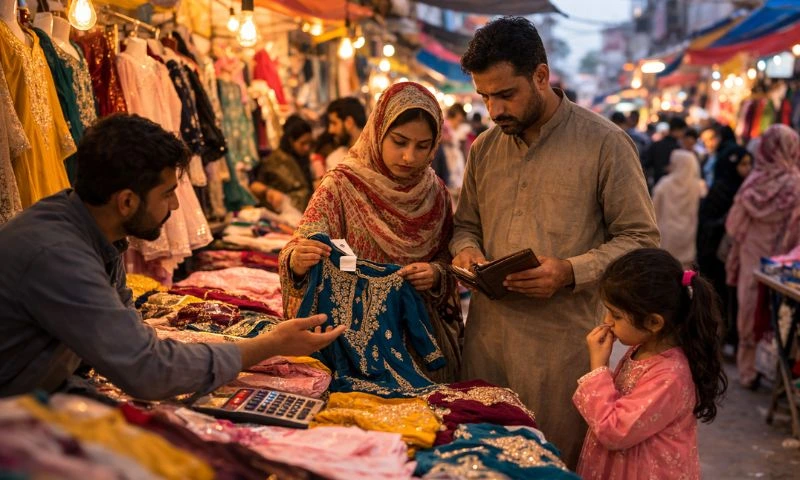
Eid on a Budget: How Rising Prices Are Reshaping Celebrations
Eid has always been a time of joy, family gatherings, new clothes, and festive meals in Pakistan. However, rising inflation in recent years has begun to reshape how many families celebrate the festival. From smaller shopping budgets to simpler gatherings, economic pressures are changing long-standing Eid traditions across the country. Pakistan has experienced significant price volatility in recent years. Although inflation has moderated from the extremely high levels of 2023, price pressures remain a major concern for households. According to official data, Pakistan’s consumer inflation was around 5.6 percent year on year in December 2025, while earlier years saw inflation surge to nearly 30 percent at its peak. Economic pressures are also increasing due to higher energy costs. Two days back, Pakistan raised fuel prices by about 55 rupees per liter, pushing petrol above 321 rupees per liter, a move that analysts say could raise transportation and food costs further. For many families, this means adjusting their Eid spending plans. Smaller Shopping Budgets for Eid Traditionally, Eid shopping includes new clothes, shoes, gifts, and decorations. Markets in cities like Karachi, Lahore, and Islamabad usually see massive crowds before Eid. However, shopkeepers say customers are now more cautious. Many families are buying fewer clothes or opting for discounted items and local brands instead of expensive designer outfits. Parents are also limiting purchases for children to essentials. Retailers in major markets report that customers are asking for cheaper alternatives and waiting for Eid sales before making purchases. Data on consumer spending during Ramadan shows how important the season is for households. Studies indicate grocery spending in Pakistan often rises sharply during Ramadan, increasing by over 40 percent in the week before the month begins as families prepare for the holy period and Eid celebrations. However, inflation means households are reallocating budgets toward food and essentials rather than clothing or gifts. Simpler Gatherings and Homemade Meals Inflation is also affecting Eid food traditions. Instead of large gatherings with elaborate meals, some families are hosting smaller get-togethers or cooking simpler dishes at home. Meat, cooking oil, and sugar prices have fluctuated in recent years, making traditional sweets and festive dishes more expensive. As a result, many households are reducing food waste and focusing on fewer menu items. Some families are also replacing restaurant outings with home celebrations to save money. Digital Eidi and Changing Traditions Another noticeable shift is the growing use of digital payments for Eidi, the cash gift traditionally given to children. Mobile wallets and bank transfers are increasingly used by families who live apart or want to manage spending more carefully. Economists note that while inflation has eased compared with previous years, rising energy prices and global uncertainties could still affect household budgets in the near future. Analysts expect Pakistan’s inflation to average around 6 to 8 percent in the coming months, depending on global oil prices and domestic demand. Despite these challenges, Eid remains a deeply meaningful celebration for Pakistani families. Many people say the essence of Eid lies not in spending but in togetherness, generosity, and gratitude.

VPN Downloads Surge as Australia Blocks Adult Sites Under New Law
Australia has introduced sweeping online safety rules that require strict age verification for adult content and restrict teenagers from accessing certain digital platforms. The move has triggered a sharp increase in the use of virtual private networks, or VPNs, as many users try to bypass the new restrictions. The measures took effect on March 9, 2026, as part of the government’s broader effort to protect children from harmful online content. However, the rollout has already sparked debate about privacy, internet freedom and the effectiveness of such controls. New Rules Aim to Protect Minors Online Under the new regulations, websites that distribute pornography must verify that users are at least 18 years old before granting access. App stores must also carry out age checks before allowing downloads of applications classified for adults. The policy also applies to AI powered chatbot services, which must block minors from accessing material that includes pornography, extreme violence, self harm or eating disorder related content. Companies that fail to comply with the rules can face penalties of up to A$49.5 million. The new restrictions follow earlier digital reforms in Australia. In December 2024, the country passed legislation banning teenagers under 16 from holding accounts on certain social media platforms as part of wider online safety reforms. Officials say the new measures aim to bring the same protections that exist in the physical world to the internet. Australia’s eSafety Commissioner Julie Inman Grant explained the goal of the rules, saying they are meant to provide children the same protection online that society expects offline. Adult Websites Block Australian Users The new regulations have already forced major adult content providers to change how they operate in Australia. Aylo, the Canadian company behind popular websites such as RedTube and YouPorn, said it would block Australian users from accessing some of its platforms rather than implement new verification systems immediately. Other platforms have restricted new registrations or replaced explicit content with censored versions to comply with the law. These changes have made it more difficult for Australians to access adult websites without proving their age. VPN Use Surges as Users Seek Workarounds As restrictions came into force, many Australians turned to VPN services to bypass the new controls. Data from app stores showed VPN applications rapidly climbing download charts across the country. A VPN allows users to mask their location online, making it appear as though they are accessing websites from another country. Some cybersecurity experts warn that while VPNs can restore access to blocked content, users should be cautious because certain services may collect or sell personal data. Similar trends were seen in other countries when comparable laws were introduced, including in the United Kingdom, where VPN downloads also surged after new age verification rules were implemented. Debate Over Privacy and Internet Freedom Australia’s new internet safety rules are among the strictest in the world. Supporters say they are necessary to shield young people from harmful online material, while critics argue the measures could raise privacy concerns and limit digital freedoms. Technology companies are now under pressure to develop reliable age verification systems that protect children while also safeguarding users’ personal information. As the policy takes effect nationwide, the coming months will show whether Australia’s approach becomes a model for other governments seeking to regulate online content.
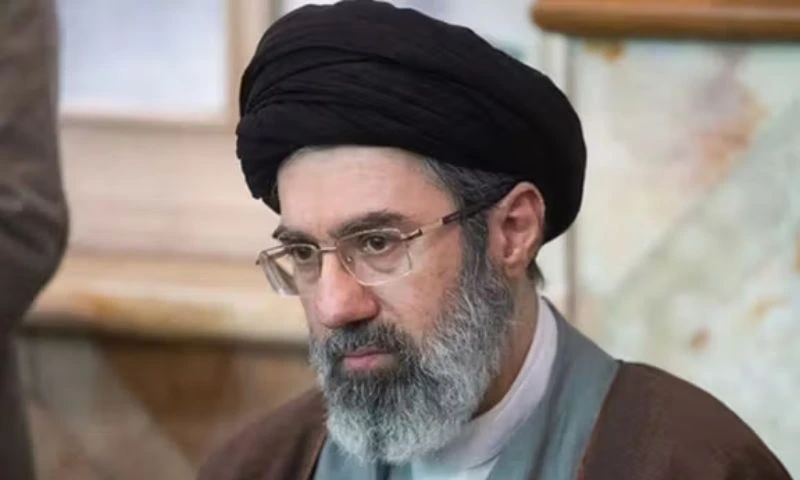
Mojtaba Khamenei Named Iran’s New Supreme Leader During War
Iran has appointed Mojtaba Khamenei as the country’s new Supreme Leader following the death of his father, Ayatollah Ali Khamenei, in a strike during the ongoing conflict involving the United States and Israel. The announcement was made by Iran’s powerful Assembly of Experts, the clerical body responsible for selecting the leader of the Islamic Republic. The appointment signals that hard line leadership remains firmly in control in Tehran as the region faces one of its most intense conflicts in recent years. Assembly of Experts Confirms Leadership Change The Assembly of Experts, an influential body of 88 clerics, voted to appoint Mojtaba Khamenei as the third Supreme Leader of Iran since the Islamic Revolution of 1979. The decision was announced shortly after midnight in Tehran. In its official statement, the assembly said it had chosen him through a decisive vote. The statement declared, “The Assembly of Experts appointed Ayatollah Seyyed Mojtaba Hosseini Khamenei as the third leader of the Islamic Republic of Iran.” The position of Supreme Leader is the most powerful office in Iran. The leader has the final authority over the military, judiciary, foreign policy and the country’s key strategic decisions. Leadership Transition During Wartime The leadership transition comes during a dramatic escalation in hostilities between Iran and the US Israel alliance. Ali Khamenei, who led Iran for more than three decades, was killed during one of the early strikes launched in the conflict. Iranian officials say the war has already caused significant casualties and damage across the country. Iran’s ambassador to the United Nations reported that at least 1,332 Iranian civilians have been killed and thousands more injured since the beginning of the conflict. Meanwhile, the US military has also confirmed casualties. American officials reported that seven US service members have died from wounds sustained during Iran’s counter attacks. The war has also seen targeted strikes on Iranian officials. Israel recently claimed it killed Abolqasem Babaian, the newly appointed head of the military office of the Supreme Leader, in an air strike. Read More: Iran’s Supreme Leader Khamenei Killed in US-Israeli Strikes, 40 days of mourning announced in Iran Strong Reactions from the United States and Israel Mojtaba Khamenei’s appointment is expected to provoke strong reactions from Washington and Tel Aviv. US President Donald Trump has already warned that the United States should have influence over Iran’s leadership decision. Trump said in an interview that “If he doesn’t get approval from us, he’s not going to last long.” Before the announcement, Israeli officials had also threatened to target whoever assumed Iran’s top leadership position. These warnings highlight the growing tensions surrounding the new leader’s appointment. Iran Signals Defiance Amid Conflict Despite international pressure, Iranian leaders have signaled that they are not seeking a ceasefire. Iran’s parliament speaker Mohammad Bagher Qalibaf said Tehran would continue its response to the attacks. He stated that Iran would “punish aggressors” rather than pursue an immediate halt to the fighting. The appointment of Mojtaba Khamenei therefore represents both a leadership transition and a message of political continuity from Tehran. Read More: Life of Iran’s Ayatollah Ali Khamenei: From Seminary Student to Powerful Supreme Leader A New Leader at a Critical Moment The selection of Mojtaba Khamenei marks a historic moment for Iran. He now assumes leadership during a period of war, political tension and global scrutiny. Analysts say the coming months will determine how the new Supreme Leader manages the conflict, relations with global powers and the future direction of Iran’s political system.
Big Media Move: ARY Digital Takes Control of Nukta, Kamran Khan Named President
Pakistan’s media landscape witnessed a significant development after ARY Digital Network acquired a majority stake in the digital news platform Nukta, bringing the fast growing digital outlet into the ARY Group’s expanding broadcast and online ecosystem. The acquisition connects one of Pakistan’s largest television networks with a digital first newsroom founded by veteran journalist Kamran Khan. The move reflects the growing shift in the media industry toward digital journalism as audiences increasingly consume news through online platforms. Despite the new ownership structure, Nukta will continue operating from its Dubai headquarters, while benefiting from ARY’s distribution network and media infrastructure. Kamran Khan to Lead ARY News and Nukta As part of the agreement, prominent journalist Kamran Khan will take on a key leadership role within the organization. He has been appointed Chairman of ARY News and Nukta, strengthening the partnership between the two platforms. Kamran Khan described the partnership as an opportunity to combine the strengths of both platforms. “This partnership creates an exciting opportunity to combine ARY’s unmatched broadcast reach with Nukta’s fast growing digital platform,” he said. He added that the collaboration aims to deliver credible journalism, strong analysis and engaging storytelling for audiences in Pakistan and the wider South Asian community. Integration of Digital and Broadcast Platforms ARY Group said the acquisition forms part of its broader strategy to expand its footprint in digital journalism. Traditional television networks across the world are increasingly investing in digital platforms as audiences shift toward online content consumption. Nukta, launched in November 2024, quickly gained attention for its digital first approach and video driven journalism. The platform introduced specialized content sections such as Nukta Business, Nukta Crime and Nukta Life, targeting audiences that follow news primarily on social media and digital platforms. By integrating Nukta into its network, ARY aims to strengthen its presence across multiple platforms, including television, websites and social media channels. Kamran Khan’s Show to Air on ARY News Another key outcome of the deal is the expansion of Kamran Khan’s digital program “On My Radar”, which will soon be broadcast on ARY News as well. The move is expected to increase the program’s reach from digital audiences to millions of television viewers across Pakistan and abroad. A Sign of Media Industry Consolidation Media analysts say the acquisition reflects broader changes in Pakistan’s media sector. Many independent digital platforms have faced financial pressure in recent years, while established television networks have moved to expand their digital presence. For ARY, acquiring Nukta provides access to an established digital newsroom, experienced journalists and an existing online audience. For Nukta, the partnership offers greater financial stability and wider distribution through ARY’s global media network. The deal highlights how traditional broadcasters and digital platforms are increasingly working together to adapt to the rapidly evolving media environment.
