
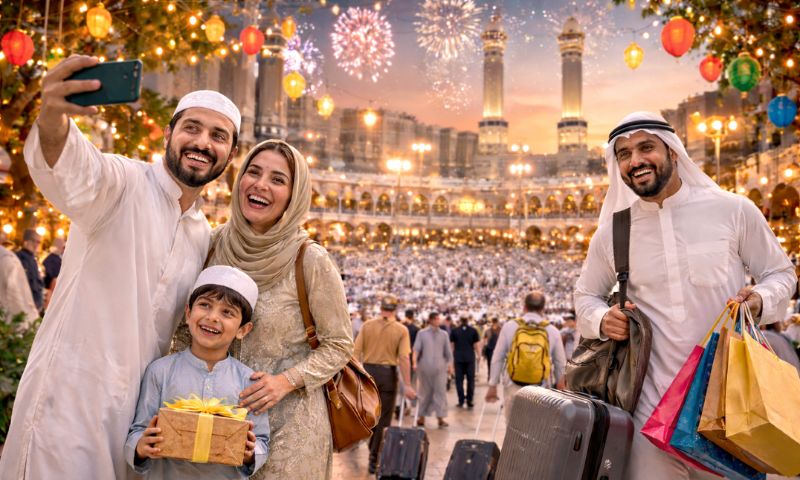
Eid al Fitr marks the end of Ramadan, the holy month of fasting observed by Muslims worldwide. It falls on the first day of Shawwal in the Islamic lunar calendar and is one of the most important religious festivals in Islam. Eid al-Fitr is typically celebrated with prayers, family gatherings, festive meals, and charitable giving. While the religious celebration itself lasts one day, many countries declare several public holidays to allow families to celebrate and travel. The number of days off varies significantly from country to country, with some nations offering some of the longest Eid breaks in the world. Saudi Arabia and Qatar Offer the Longest Breaks Among Muslim-majority countries, Saudi Arabia and Qatar are often known for the longest Eid holidays. Government employees in Saudi Arabia may receive holidays that can extend up to around ten days when the end of Ramadan holidays are combined with Eid celebrations. In some years, reports have indicated that Saudi Arabia and Qatar have provided up to 12 days of holiday for public sector employees, making them among the countries with the longest Eid breaks globally. These extended holidays reflect the cultural importance of Eid in the Gulf region. Families often travel long distances to visit relatives, and cities host large community events, shopping festivals, and entertainment activities. Read More: Eid on a Budget: How Rising Prices Are Reshaping Celebrations UAE and Gulf Countries Provide Long Weekends Other Gulf nations also offer generous Eid holidays. In the United Arab Emirates, Eid al Fitr usually comes with a three to four day public holiday for most workers. For example, the UAE government announced a four day break for Eid al Fitr in 2026 for the public sector and at least three days for private sector employees. Similarly, Qatar often grants about four days off for Eid celebrations. In some cases, residents can extend the holiday to nearly a week by combining leave with weekends. These extended breaks are common in Gulf economies where Eid is considered a major national celebration. South and Southeast Asia: Shorter but Festive Holidays In South and Southeast Asia, Eid holidays are generally shorter. Countries such as Pakistan, Indonesia, and Malaysia typically declare two to three days of public holidays for Eid al Fitr. However, in countries like Indonesia, many people travel back to their hometowns during a tradition known as “mudik,” making Eid one of the largest annual travel events in the world. In Western countries such as the United States, the United Kingdom, and Canada, Eid is usually not a national public holiday. Muslims celebrate the festival with family gatherings, mosque prayers, and community events, often taking personal leave from work or school. Read More: Ramadan 2026 Set to Complete 30 Days; Eid-ul-Fitr Likely on March 21 in Pakistan A Global Celebration With Local Traditions Despite differences in public holidays, the spirit of Eid remains the same worldwide. It is a time for gratitude, generosity, and community. Many countries combine religious observance with national festivities, making Eid one of the most anticipated holidays of the year. As travel, tourism, and retail sectors increasingly align their schedules with Eid celebrations, the festival continues to have a growing economic and cultural impact across the Muslim world.
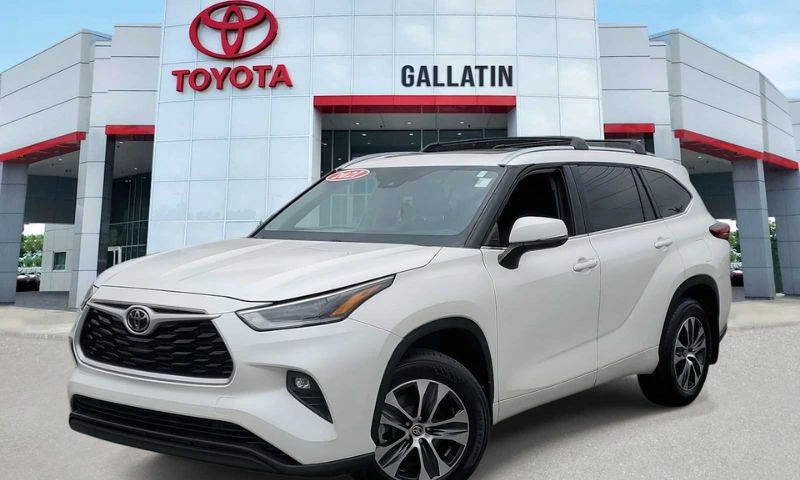
Toyota Delivery Charges Increased as Fuel Costs Rise
Toyota vehicle buyers in Pakistan may now have to pay slightly more when taking delivery of their cars, as the local assembler has revised nationwide freight charges. The update comes as transportation and logistics costs continue to rise, affecting vehicle delivery expenses across the country. Freight Charges Increased Due to Rising Logistics Costs According to reports, Indus Motor Company, the assembler of Toyota vehicles in Pakistan, has updated freight charges for delivering vehicles from its manufacturing facility in Karachi to dealerships nationwide. The revised rates are effective immediately and apply to all new vehicle deliveries across Pakistan. The company informed its dealer network through an official notification that rising fuel prices and higher transportation costs are the main reasons behind the adjustment. Since vehicles assembled at the Karachi plant must be transported to dealerships across the country, logistics expenses have increased significantly. Freight charges are included in the final invoice provided to customers at the time of vehicle delivery. As a result, buyers may see a small increase in the overall on-road cost of their vehicles even though the base ex-factory prices remain unchanged. Buyers in Northern Cities May Feel the Biggest Impact The increase will not affect all buyers equally. Customers living farther from Karachi may experience a slightly higher rise in delivery costs because of longer transportation routes. Dealership deliveries in cities across Punjab, Khyber Pakhtunkhwa and northern Pakistan could see a more noticeable difference compared with locations in Sindh, which are closer to the production facility. However, the company clarified that the base price of vehicles has not been revised, and only freight charges have been adjusted to reflect rising operational expenses. Customers who complete their full payment before March 17, 2026 can still secure their bookings under the previous freight rates. Auto Industry Facing Rising Costs The freight revision highlights broader challenges faced by Pakistan’s automobile industry. Logistics costs have increased globally due to higher fuel prices, shipping disruptions, and supply chain pressures. Industry analysts note that transportation costs play a major role in vehicle pricing, particularly in countries where assembly plants are concentrated in one location and vehicles must be distributed nationwide. Indus Motor Company has also previously warned that geopolitical tensions and supply chain disruptions could increase shipping expenses and complicate logistics for imported auto parts used in local production. Pakistan’s Auto Market Under Pressure Pakistan’s auto sector has experienced significant volatility over the past few years. High inflation, currency depreciation, and elevated interest rates have made vehicles less affordable for many consumers. At the same time, the industry is undergoing structural changes as policymakers consider new tariff reforms and tax adjustments in upcoming auto policy frameworks aimed at stabilizing the market. Despite these challenges, Toyota remains one of the most popular brands in Pakistan, offering models such as the Corolla, Yaris, Hilux and Fortuner across various price segments. For now, the freight adjustment means Toyota buyers may see a modest increase in the total cost of delivery, even though official vehicle prices have not been changed.
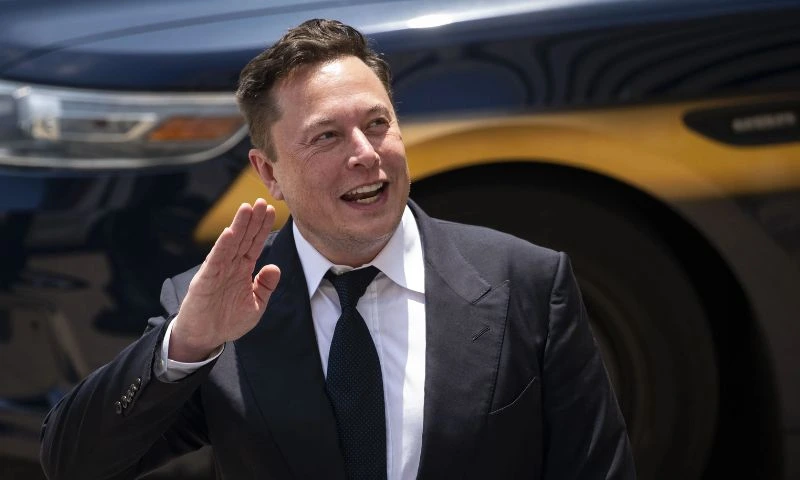
Musk Becomes Richest Person Ever With $839 Billion Fortune
A new global wealth ranking has placed tech entrepreneur Elon Musk at the top once again, with an estimated fortune of $839 billion, according to the latest list reported by Forbes. The massive net worth highlights the continued surge in valuation of Musk’s companies and his dominant position in the technology and innovation sector. The latest wealth estimate marks a historic milestone, making Musk the richest individual ever recorded on the Forbes ranking. Musk Tops Global Rich List With $839 Billion The updated list shows that Elon Musk has widened his lead over other billionaires due to the rising value of companies linked to him. These include electric vehicle maker Tesla, aerospace firm SpaceX, artificial intelligence startup xAI, and social media platform X. According to the report, Musk’s wealth has grown rapidly as investors continue to place strong valuations on emerging technologies such as artificial intelligence, space exploration, and advanced robotics. Financial analysts say Musk’s diversified portfolio across several high growth sectors has been a major factor behind his extraordinary rise in wealth. Tesla and SpaceX Drive Wealth Growth Much of Musk’s fortune is tied to his holdings in Tesla, which remains one of the world’s most valuable automotive companies. Tesla’s focus on electric vehicles, battery technology, and autonomous driving systems has attracted global investors and pushed the company’s market capitalization higher. At the same time, SpaceX has become a major driver of Musk’s wealth. The company has achieved significant milestones in reusable rocket technology and satellite deployment through its Starlink project. SpaceX’s valuation has surged in recent years as governments and private organizations increasingly rely on commercial space companies for launches and satellite infrastructure. Expansion Into Artificial Intelligence Another major contributor to Musk’s growing fortune is the rapid expansion of xAI. The company was created to develop advanced artificial intelligence systems and compete with other major AI players. Industry experts say investor enthusiasm around artificial intelligence has boosted valuations for companies working in the field. Musk has repeatedly stated that AI will play a central role in the future of technology. Meanwhile, his ownership of X continues to place him at the center of global debates about digital platforms and online communication. Billionaire Wealth Reaches New Heights The new Forbes rankings highlight a broader trend of rising fortunes among technology entrepreneurs. Companies involved in artificial intelligence, electric mobility, and space technology have seen enormous investor interest. Economic analysts say the rapid growth of digital industries has created unprecedented wealth for founders and early investors. However, the rankings also reflect widening wealth gaps between the world’s richest individuals and the global population. Despite this debate, Musk’s influence in technology, business, and innovation remains unmatched. With ambitious projects ranging from electric vehicles to space exploration and artificial intelligence, Elon Musk continues to shape several industries simultaneously.
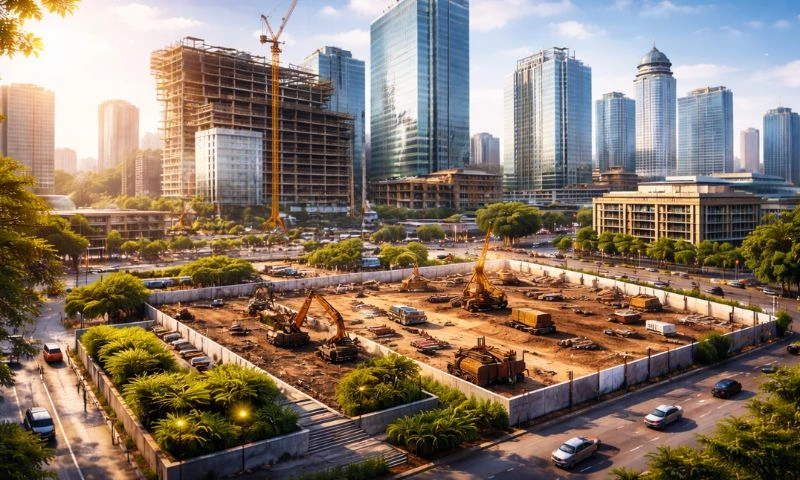
Sazgar Engineering Plans Rs1.47 Billion Real Estate Investment in Lahore
Pakistan’s leading automobile assembler Sazgar Engineering Works Limited is planning a major investment in Lahore’s real estate sector, signaling a strategic diversification beyond its rapidly expanding automotive business. The move comes as the company continues to grow strongly in Pakistan’s SUV market and looks for new avenues to deploy its rising profits. Sazgar Plans Major Real Estate Purchase in Lahore According to reports, Sazgar Engineering has decided to acquire a 5.07-kanal commercial plot in Lahore’s Central Business District (CBD) for approximately Rs1.47 billion. The investment was approved by the company’s board of directors as part of its broader business expansion strategy. The Central Business District, also known as CBD Punjab, is one of the most ambitious urban development projects in Lahore. It aims to create a modern financial and commercial hub featuring corporate offices, high rise buildings, and advanced infrastructure. Industry analysts say the purchase indicates that Sazgar is seeking to diversify its asset base while strengthening its presence in Lahore, where the company already operates manufacturing facilities. The real estate investment may also provide long term commercial opportunities as CBD Lahore continues to attract corporate investment. From Rickshaws to SUVs: Sazgar’s Rapid Growth Sazgar Engineering has undergone a remarkable transformation in recent years. The company originally became known for producing three wheelers and auto rickshaws but later expanded into the four wheeler market. A major turning point came after Sazgar partnered with Chinese automaker Great Wall Motor to assemble Haval SUVs locally in Pakistan. The success of models like the Haval H6 significantly boosted the company’s sales and profitability. Financial reports show that Sazgar posted record earnings in the 2024–25 fiscal year. Net profit rose sharply while revenue increased due to strong demand for SUVs and three wheelers in the domestic market. The company’s growing financial strength is widely seen as a key factor enabling new investments outside its core manufacturing business. Expansion Plans in the Auto Sector Continue While investing in real estate, Sazgar continues to expand its automotive portfolio. The company has announced plans to introduce additional vehicles, including hybrid and plug in hybrid SUVs. One of its upcoming projects involves the local assembly of the Tank 500, a large SUV expected to enter the Pakistani market as part of Sazgar’s partnership with Great Wall Motor. Automotive analysts say such investments show that Sazgar is positioning itself as a major player in Pakistan’s evolving auto market, especially as demand grows for technologically advanced SUVs and hybrid vehicles. Real Estate Investment Reflects Long Term Strategy Experts believe Sazgar’s decision to invest in Lahore’s commercial real estate reflects a long term strategy to diversify revenue streams and secure valuable urban assets. CBD Lahore has attracted significant interest from both public and private investors due to its location and modern infrastructure plans. Companies investing early could benefit from rising property values and commercial activity in the area. For Sazgar Engineering, the move represents another step in its transition from a traditional vehicle manufacturer into a diversified corporate group. As Pakistan’s auto sector continues to evolve, the company’s combination of automotive innovation and strategic investment could strengthen its position in multiple industries.
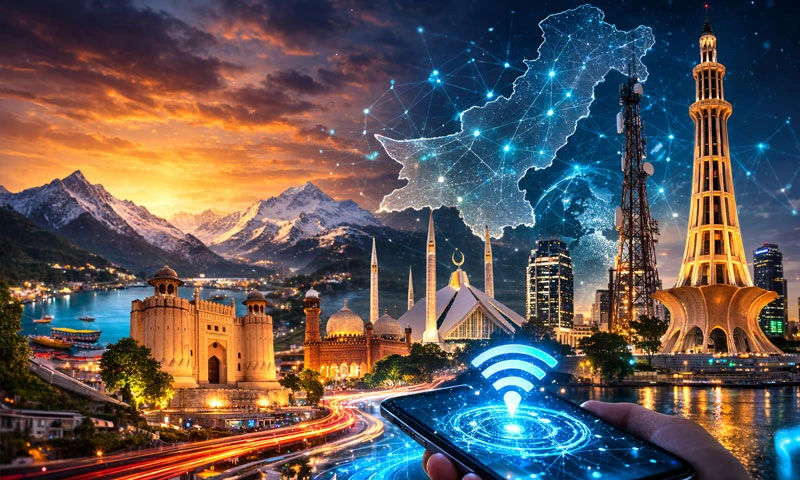
Pakistan’s 5G Journey Begins: When Will Ultra-Fast Internet Reach Everyone?
Pakistan has taken a major step toward next-generation connectivity after successfully raising $507 million in a nationwide 5G spectrum auction, paving the way for ultra-fast internet services across the country. The auction was conducted by the Pakistan Telecommunication Authority (PTA), where telecom operators Jazz, Ufone and Zong secured the spectrum needed to deploy 5G networks. A total of 480 MHz spectrum was sold out of 597 MHz offered, marking one of the largest telecom spectrum auctions in Pakistan’s history. While this is a major milestone, experts say Pakistan still needs to complete several technical and infrastructure stages before 5G becomes widely available to consumers. Where 5G Is Already Transforming the World 5G services are already operational in many countries including the United States, China, South Korea, Japan, the United Kingdom, Germany, the UAE and Saudi Arabia. According to global telecom industry data, 5G networks are expected to cover nearly one-third of the world’s population by the mid-2020s, highlighting the rapid pace of adoption worldwide. Countries that adopted 5G early are already seeing major benefits. In Europe, nations like Denmark have achieved very high connectivity and digital business adoption due to strong network infrastructure, enabling companies to integrate technologies like artificial intelligence, cloud computing and big data. Research by global telecom organizations also shows that 5G will play a critical role in the Fourth Industrial Revolution, enabling smart cities, autonomous vehicles, remote healthcare and advanced manufacturing. When Will 5G Be Available Across Pakistan? According to government officials, the newly acquired spectrum will first be used to improve 4G network quality and capacity before the full rollout of 5G services. Initial 5G launches are expected to begin in Islamabad and provincial capitals, with telecom operators gradually expanding coverage to other cities. However, industry experts say full nationwide availability could take two to three years, depending on infrastructure upgrades, fiber deployment and consumer adoption of 5G-compatible smartphones. Telecom analysts also note that Pakistan currently relies heavily on 4G infrastructure, and the transition to 5G requires new base stations, fiber networks and upgraded spectrum utilization. Economic Impact: What 5G Could Bring to Pakistan Experts believe 5G could significantly boost Pakistan’s digital economy. Faster connectivity can increase productivity in sectors such as e-commerce, banking, healthcare, education and manufacturing. Studies indicate that high-speed digital infrastructure improves productivity and competitiveness while creating jobs and boosting economic growth. For businesses, 5G can enable real-time data processing, automation and smarter logistics systems. Technology companies also expect faster internet to attract more global investment into Pakistan’s technology sector. Freelancers and Digital Workers Could Benefit the Most Pakistan is already among the world’s leading freelance markets. Faster internet speeds could significantly improve productivity for freelancers working in fields like software development, graphic design, video editing and digital marketing. Experts say 5G will allow freelancers to upload large files faster, participate in high-quality video meetings and use cloud-based tools more efficiently. For example, activities such as 4K video streaming, cloud computing, gaming, artificial intelligence tools and remote collaboration require high-speed, low-latency connections that 5G can provide. What Still Needs to Happen Before Full 5G Rollout Although the spectrum auction is complete, several steps remain before widespread adoption: Expansion of fiber-optic infrastructure Installation of new telecom towers and base stations Upgrading existing networks to support 5G technology Availability of affordable 5G-enabled smartphones Experts also stress the importance of policy support, investment and digital literacy to ensure the technology benefits the entire population. Pakistan’s Digital Future With the successful spectrum auction, Pakistan has officially entered the global 5G race. If implemented effectively, the technology could transform how businesses operate, how freelancers work and how people access digital services. Industry analysts believe that the coming years will determine how quickly Pakistan can convert this technological milestone into real economic growth and digital transformation.
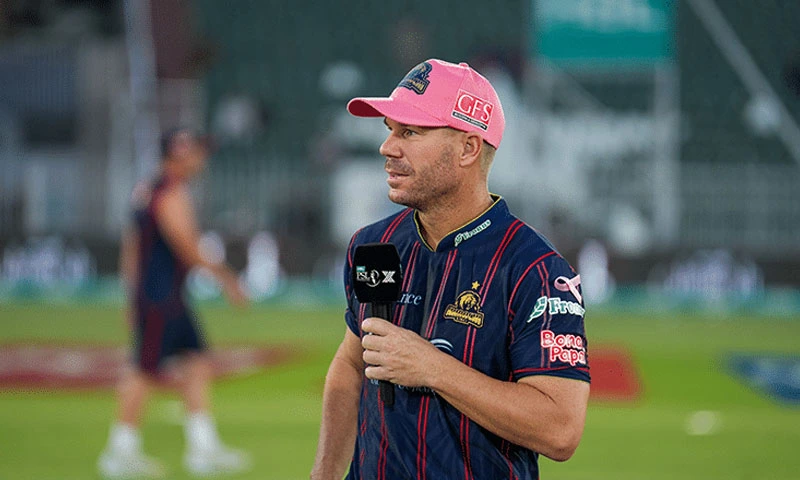
PSL 11: Karachi Kings Stick with David Warner as Captain
Australian cricket star David Warner will continue to lead the Karachi Kings in the upcoming 11th edition of the Pakistan Super League (PSL), marking his second consecutive term as captain of the franchise. The announcement was made by Karachi Kings ahead of the new season, which is scheduled to run from March 26 to May 3. The decision signals the franchise’s confidence in Warner’s leadership and experience as they aim to improve their performance in the league. Karachi Kings Opt for Leadership Continuity Karachi Kings confirmed Warner’s captaincy through their official channels, highlighting their intention to maintain stability in leadership. The franchise believes Warner’s international experience and aggressive playing style can guide the team in a highly competitive tournament. According to reports, the decision was taken after the team saw strategic progress under Warner’s guidance in the previous season. Franchise officials believe continuity in leadership will help build a stronger squad and provide direction to younger players in the team. Karachi Kings won the PSL title once in 2020, but they have struggled to reach similar heights in recent seasons. The management hopes that Warner’s leadership can bring consistency and renewed momentum to the team. The announcement you’ve all been waiting for 😍The leader, the legend, the King, David Warner returns as captain, ready to take the #KingsSquad to new heights in the upcoming season of the #HBLPSL 💙❤ pic.twitter.com/C0HMXmrw4U— Karachi Kings (@KarachiKingsARY) March 10, 2026 Warner’s Global Cricket Legacy David Warner is regarded as one of the most explosive opening batters in modern cricket. The left-handed Australian played a key role in Australia’s triumphs in major tournaments, including the 2015 ICC Cricket World Cup, the 2021 ICC T20 World Cup, and the 2023 ICC Cricket World Cup. He has also enjoyed success in domestic T20 leagues around the world. Warner famously captained Sunrisers Hyderabad to the Indian Premier League title in 2016 and has led teams in Australia’s Big Bash League as well. Known for his aggressive batting and tactical approach, Warner has scored thousands of runs in T20 cricket and remains one of the most experienced leaders in franchise leagues worldwide. Warner’s Journey with Karachi Kings Warner first became captain of Karachi Kings during the 10th edition of the PSL, replacing Shan Masood in the leadership role. The Australian batter also became one of the marquee overseas signings for the franchise after being selected in the PSL draft. His presence brought international star power and valuable experience to the squad. Reports also indicate that Karachi Kings secured Warner for around Rs7.9 crore during the PSL 11 auction, underlining the franchise’s commitment to building the team around the veteran opener. With several international players expected to feature alongside him, Warner will be tasked with leading a balanced squad that combines overseas talent with Pakistani stars. Expectations for PSL 11 The upcoming PSL season is expected to be highly competitive, with teams strengthening their squads during the player draft and auction. Karachi Kings will aim to return to the playoffs and challenge for their second PSL title. Cricket analysts believe Warner’s leadership and experience in global leagues could play a crucial role in shaping Karachi Kings’ campaign. Fans in Karachi will be hoping that the experienced Australian can inspire the team and bring renewed success to one of the league’s most popular franchises.
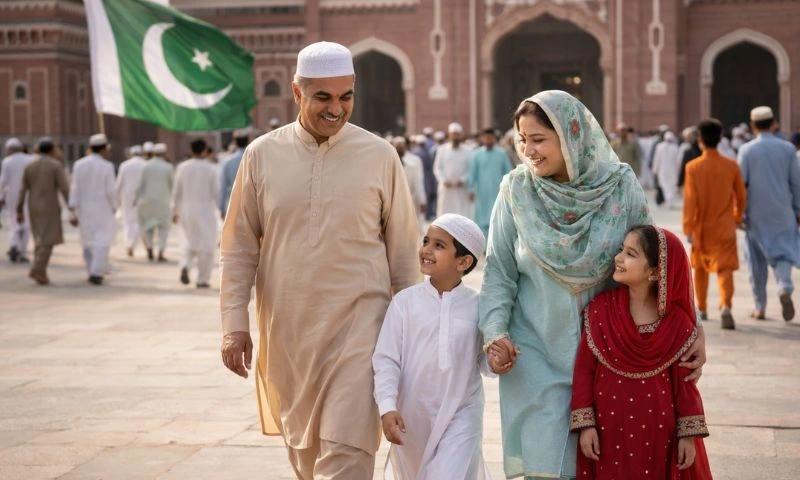
Pakistan Moves Toward Shorter Workweek With Friday Off
Pakistan has announced a major shift in its official workweek as Prime Minister Shehbaz Sharif declared Friday as the country’s third weekly holiday. The decision aims to promote work life balance, encourage family time, and align the country’s schedule more closely with cultural and religious priorities. The announcement has sparked widespread discussion across government departments, businesses, and education sectors about how the change may affect productivity and administrative operations. Government Announces Friday as Third Weekly Holiday The announcement was made during a high level meeting chaired by Prime Minister Shehbaz Sharif where officials discussed reforms aimed at improving governance and workplace efficiency. According to reports, the prime minister directed relevant authorities to implement Friday as an additional weekly holiday alongside the existing weekend days. The move will effectively reduce the official working week while allowing employees more time for rest, family activities, and religious obligations. Officials said the decision is intended to create a healthier work environment and improve overall well being among workers in both public sector institutions and other workplaces. The government is expected to issue detailed guidelines on how the policy will be implemented across federal departments and potentially other sectors. Read More: PM Shehbaz Announces Austerity Plan as Iran War Triggers Fuel Crisis Cultural and Religious Significance Friday holds special importance in Muslim majority countries because it is the day of the congregational prayer known as Jumuah. Many governments and organizations already adjust working hours on Fridays to allow employees time to attend the weekly prayer. By declaring Friday a full holiday, the government aims to ensure that citizens can observe religious practices without work related constraints. Experts say the move reflects Pakistan’s social and cultural priorities while also responding to growing calls for improved work life balance. Impact on Workplaces and Institutions The introduction of a third weekly holiday could lead to significant adjustments in the country’s administrative and economic systems. Government offices, educational institutions, and businesses may need to revise schedules and operational hours to accommodate the shorter workweek. Some analysts believe the change could improve employee productivity by allowing workers more time to rest and recharge. However, others caution that reduced working hours could require more efficient management practices to maintain service delivery and economic output. Countries around the world have experimented with shorter workweeks in recent years. Trials conducted in several European nations have shown that reduced working hours can sometimes increase productivity while improving employee satisfaction. Global Trend Toward Flexible Workweeks Pakistan’s decision comes amid a growing global discussion about work life balance and flexible working arrangements. Several countries and companies have tested four day workweeks to evaluate their impact on productivity, employee health, and economic performance. Experts say such initiatives reflect changing workplace expectations, particularly after the global shift toward remote work and flexible schedules during recent years. If implemented effectively, Pakistan’s new holiday policy could become part of a broader effort to modernize workplace practices while respecting cultural traditions. The government is expected to release further details soon regarding the policy’s timeline and implementation across various sectors.
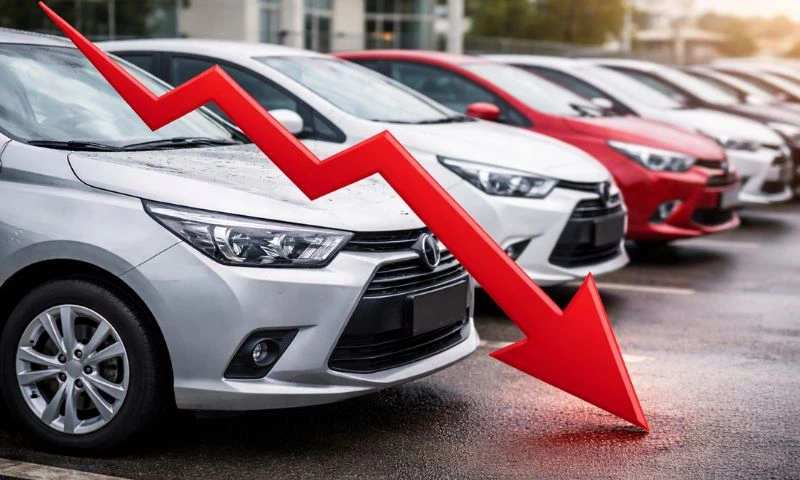
Pakistan Car Sales Fall 26 Percent in February Amid Economic Pressure
Pakistan’s automobile market experienced a sharp slowdown in February 2026 as car sales declined significantly compared to the previous month. The drop reflects ongoing economic pressures, rising vehicle prices, and cautious consumer spending in the country. Industry data shows that the auto sector continues to face volatility as manufacturers and buyers navigate inflation, high interest rates, and changing demand patterns. Car Sales Drop Sharply in February According to the latest figures released by the Pakistan Automotive Manufacturers Association, car sales in February 2026 fell by about 26 percent compared with January. A total of roughly 12,000 passenger cars were sold during the month, highlighting a noticeable contraction in monthly demand. Despite the decline on a month to month basis, analysts say the market still shows signs of gradual recovery compared with the extremely low sales levels seen during Pakistan’s economic crisis in previous years. Automakers have been trying to rebuild production levels after the industry suffered from import restrictions and shortages of parts during 2023 and 2024. Read More: Pakistan Auto Sales Reach 43-Month High in January 2026 Major Car Models Show Mixed Performance Sales data shows varying trends across different brands and models in Pakistan’s auto market. Pak Suzuki, which dominates the small car segment, continued to see strong demand for entry level vehicles. The Suzuki Alto remained one of the best selling models in the country, reflecting consumer preference for affordable cars with lower fuel consumption. Toyota Indus Motor Company also maintained steady demand for models such as the Toyota Corolla and Toyota Yaris. Meanwhile, Honda Atlas experienced moderate sales activity for models including the Honda City and Honda Civic. Industry analysts say the market continues to be driven by affordability, with smaller engine vehicles attracting the most buyers. Economic Factors Affecting the Auto Market Pakistan’s auto sector has been under pressure due to several economic factors. High interest rates have increased the cost of auto financing, making it harder for many consumers to purchase vehicles through bank loans. At the same time, rising vehicle prices driven by currency depreciation and higher production costs have also affected demand. According to economists, inflation and rising living expenses have forced many households to postpone major purchases such as cars. The State Bank of Pakistan has maintained relatively tight monetary policy in recent months, which has also contributed to slower consumer financing growth. Read More: Pakistan Auto Industry Demands End to Rs3 Million Car Loan Cap to Boost Sales Signs of Long Term Recovery Despite the monthly decline, industry experts believe Pakistan’s auto market could gradually stabilize as economic conditions improve. Several new models have recently entered the market, including hybrid and electric vehicles introduced by both local and international automakers. Chinese brands and new entrants are also increasing competition, which may expand consumer choice in the coming years. Automakers remain optimistic that easing inflation and improving macroeconomic stability could eventually boost demand. The Pakistan auto industry remains a significant contributor to the economy, supporting thousands of jobs in manufacturing, dealerships, and supply chains. While February’s drop in sales highlights ongoing challenges, analysts say the sector still has long term growth potential as Pakistan’s middle class expands and urban mobility needs increase.
