

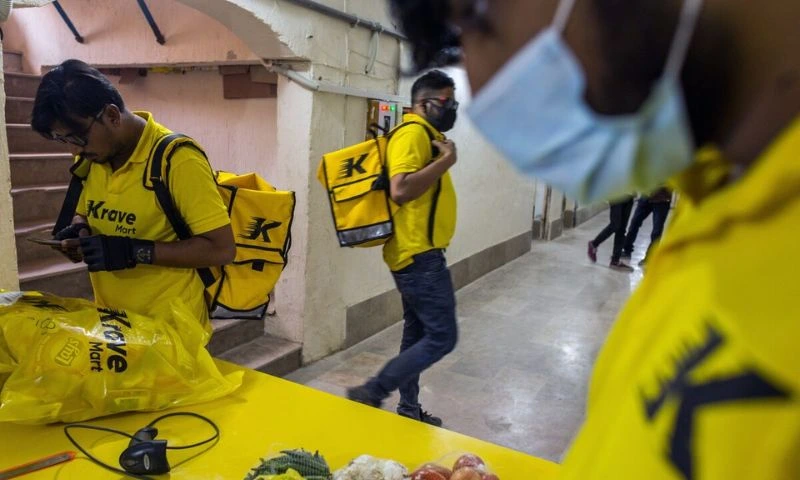
Pakistan’s latest petrol price increase is beginning to ripple across everyday services, and one of the clearest examples is the change recently introduced by Krave Mart, a growing quick commerce grocery delivery platform. The company has raised its free delivery minimum order from Rs499 to Rs999, citing the rising cost of operations linked to fuel prices. The move reflects a broader economic reality: when energy costs surge, the impact eventually reaches both businesses and consumers. While the change has sparked conversation among users, industry observers say the decision highlights the difficult balancing act faced by delivery platforms trying to keep services affordable in a rapidly changing economic environment. Petrol Price Shock Hits Pakistan The adjustment comes shortly after Pakistan announced a major increase in fuel prices. The government raised petrol and diesel rates by about Rs55 per litre, pushing petrol to roughly Rs321.17 per litre and diesel to around Rs335.86 per litre. The hike was linked to a sharp rise in global oil prices triggered by geopolitical tensions in the Middle East. Fuel price increases quickly affect transportation costs across the economy. Delivery companies, ride hailing platforms, logistics providers, and freight businesses all depend heavily on petrol and diesel to move goods. Experts say even a small change in fuel prices can significantly increase operating costs for services that rely on fleets of motorcycles or vehicles for last mile delivery. The Rise of Quick Commerce in Pakistan Founded in 2021, Krave Mart has become one of Pakistan’s emerging quick commerce platforms, promising grocery deliveries in roughly 20 to 30 minutes through a network of dark stores across cities like Karachi, Lahore, and Rawalpindi. The startup operates in a market largely dominated by major delivery platforms such as Foodpanda. However, Krave Mart carved out a niche by focusing on speed and affordability. One of the platform’s most consumer friendly features was its free delivery policy. Until recently, users could qualify for free delivery on orders as low as Rs499, which was significantly lower than many competitors. For comparison, industry users often note that Foodpanda typically requires a much higher minimum order value, often around Rs1399, for free delivery promotions. Why Krave Mart’s Change Matters The shift from Rs499 to Rs999 signals how difficult it has become for delivery platforms to absorb rising operational costs. Each delivery involves fuel, rider compensation, logistics management, and technology infrastructure. As petrol prices climb, the cost per order increases immediately. By raising the minimum order threshold, Krave Mart is attempting to maintain free delivery while ensuring that individual orders remain economically viable. Industry analysts say the move still positions the company relatively well in the market. “Even at Rs999, the threshold remains competitive compared with many delivery platforms,” said one e commerce consultant familiar with the sector. Global Crises, Local Consequences Pakistan’s fuel price surge is not occurring in isolation. The country has faced years of economic challenges, including inflation and rising import costs. Global energy market volatility often translates directly into higher domestic fuel prices. Because Pakistan imports most of its fuel, international price shocks can quickly affect the entire economy. For businesses, this means rising logistics expenses. For consumers, it means higher costs for transportation, groceries, and delivery services. Businesses Adjust While Customers Adapt Krave Mart’s decision reflects a wider trend across the digital economy. Companies are trying to protect customers from direct delivery charges while adapting to rising operational costs. By continuing to offer free delivery at a relatively low threshold compared with competitors, the company is positioning itself as a consumer friendly platform despite the economic pressure. Ultimately, the change illustrates how global crises and energy markets can shape everyday services. From petrol pumps to grocery apps, the cost of fuel is increasingly shaping how businesses operate and how consumers shop.
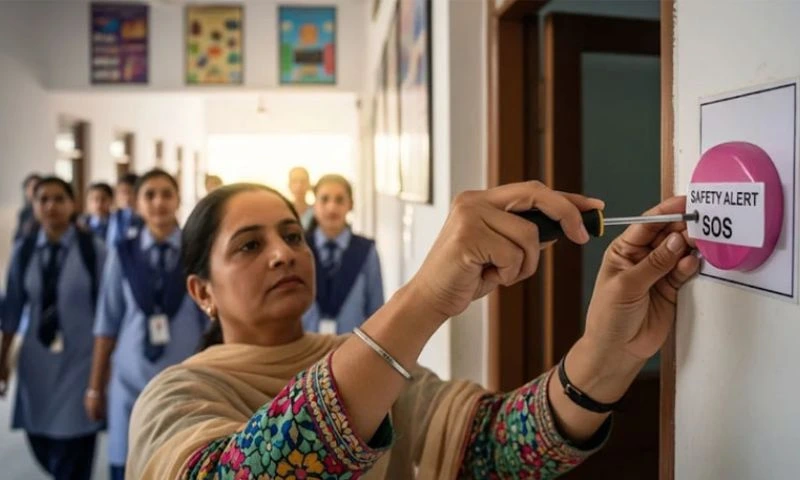
New Pink Button Alert System Introduced to Boost School Safety in Punjab
The government of Punjab has launched a new safety initiative aimed at strengthening security in educational institutions. Authorities have introduced a Pink Button emergency alert system in schools to allow staff to immediately notify law enforcement in case of emergencies. Officials say the system is designed to improve response time during critical situations and ensure better protection for students and teachers across the province. What the Pink Button System Does The newly introduced Pink Button system functions as an emergency alert mechanism installed inside schools. When activated, the button sends an immediate distress signal to nearby police stations and emergency response centers. This allows authorities to quickly identify the location of the emergency and dispatch assistance without delay. The initiative is part of broader efforts by the Punjab government to improve school security and modernize emergency response mechanisms. Officials believe the technology will play a key role in addressing safety concerns and ensuring that schools remain secure environments for learning. How the System Will Work in Schools Under the program, selected staff members within schools will be authorized to activate the emergency alert when they detect any security threat or emergency situation. Once the Pink Button is pressed, the alert is transmitted directly to the police control system, allowing authorities to respond rapidly. The system is expected to be integrated with the province’s emergency response infrastructure so that multiple agencies can coordinate effectively if required. Security experts say such systems can significantly reduce response time during incidents by providing precise location data to emergency teams. Part of Wider School Safety Reforms The Pink Button initiative is part of a broader strategy by the Punjab government to strengthen security in educational institutions. In recent years, authorities have implemented several measures to improve safety in schools across the province. These include surveillance cameras, security drills, improved boundary walls, and coordination with local police. Education officials say modern technology can help prevent incidents and ensure faster response if emergencies occur. The introduction of the new alert system also reflects growing global attention toward school safety. Technology and Safety in Educational Institutions Many countries have begun adopting digital alert systems in schools to improve emergency preparedness. These systems allow school authorities to notify police, fire services, or medical teams instantly. Experts say that early warning and quick response are critical in managing emergencies effectively. In Pakistan, improving school security has remained a priority for governments following past security incidents that highlighted vulnerabilities in educational institutions. Officials hope that new technological tools such as the Pink Button system will provide additional protection and reassurance to parents and students. Ensuring a Safe Learning Environment Education authorities in Punjab say the main goal of the initiative is to create a safer environment for students and teachers. By enabling quick communication with law enforcement, the Pink Button system is expected to strengthen coordination between schools and emergency services. Officials also plan to monitor the system’s effectiveness and expand it to more institutions if the initial rollout proves successful. The initiative reflects the province’s increasing focus on using technology to enhance public safety and improve the education sector.
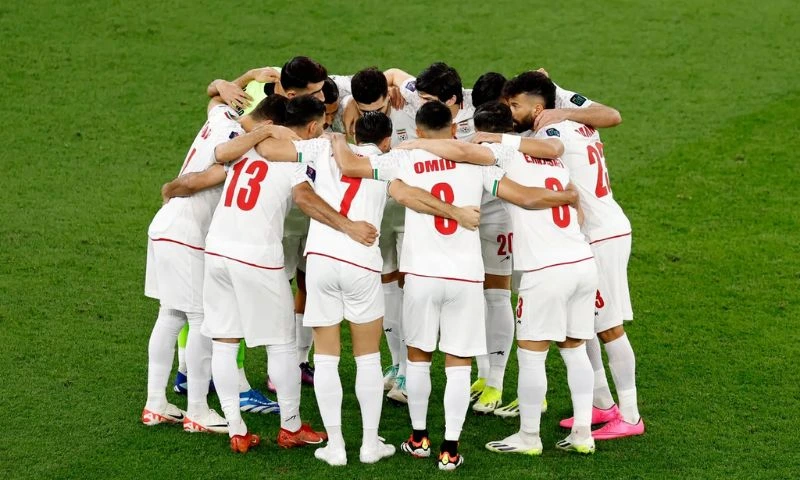
Iran’s World Cup Withdrawal Threat Puts FIFA in Difficult Position
Global football authorities are facing an unexpected dilemma after reports emerged that Iran national football team could withdraw from the upcoming FIFA World Cup. The development has placed FIFA in a difficult position as officials consider how to respond if the team ultimately decides not to participate. The situation has drawn widespread attention across the football world because Iran is a regular competitor in the tournament and one of Asia’s strongest national teams. Withdrawal Threat Linked to Ongoing Tensions Iran’s possible withdrawal is because of the ongoing political and security tensions affecting the country. Officials in Iran have reportedly warned that the team might pull out of the tournament, a move that could significantly affect the competition’s structure. If Iran formally withdraws, it would create logistical challenges for FIFA because the tournament draw, scheduling, and qualification pathways have already been established. The uncertainty has forced football authorities to examine contingency plans to ensure the tournament proceeds smoothly. FIFA Evaluates Possible Solutions Officials at FIFA are considering several options if Iran withdraws. One possibility is replacing Iran with the next highest ranked team from the Asian qualifiers. Another scenario could involve inviting a team that narrowly missed qualification during the final stages of regional playoffs. However, FIFA rules make such decisions complicated because qualification results and tournament slots are determined through strict regulatory frameworks. Football experts say any replacement decision would require consultation with regional governing bodies, including Asian Football Confederation. Iran’s Importance in Asian Football The Iran national football team is one of the most successful teams in Asia and has regularly qualified for the FIFA World Cup. Iran has appeared in multiple editions of the tournament and is known for its disciplined defensive play and competitive performances against stronger teams. The country’s potential withdrawal would therefore represent a significant absence for Asian football representation at the global event. In recent years Iran has consistently ranked among the top national teams in the Asian region. Wider Impact on the Tournament A withdrawal could also affect tournament planning and group stage balance. FIFA normally finalizes group allocations months before the competition begins, meaning any last minute change could disrupt scheduling. In addition, television broadcasters, sponsors, and ticketing arrangements could be affected if a qualified team suddenly withdraws. Football analysts note that geopolitical developments sometimes intersect with international sports competitions. However, FIFA typically attempts to keep football separate from political conflicts. Waiting for a Final Decision For now, FIFA officials are monitoring the situation closely while waiting for Iran to clarify its position. If the withdrawal threat becomes reality, the governing body will have to act quickly to preserve the integrity of the tournament. Fans across the world are hoping the situation can be resolved without affecting the competition. The coming weeks will likely determine whether the Iran national football team remains part of the tournament or whether FIFA will need to activate contingency plans.
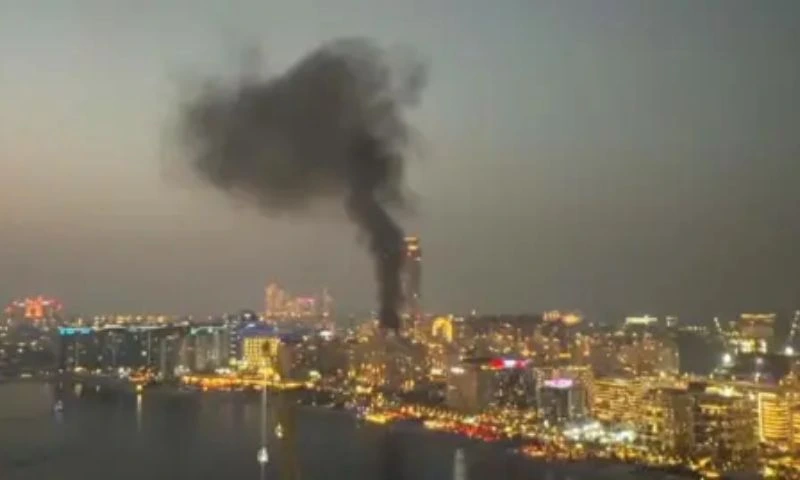
War in the Region Forces Investors to Rethink Dubai’s Security and Stability
Dubai has long marketed itself as one of the safest and most stable cities in the Middle East. For decades, investors, expatriates, and tourists viewed the emirate as a neutral hub where business, luxury tourism, and global finance could thrive regardless of regional turmoil. However, recent events in the Gulf have begun to challenge that perception. The escalation of the 2026 Iran conflict has brought the reality of regional instability directly to the United Arab Emirates, including Dubai, forcing analysts and investors to reassess the emirate’s long-standing reputation as a safe haven. Iranian Strikes Bring Chaos to the UAE The turning point came in late February when Iran launched missile and drone attacks against several Gulf states following strikes on its territory by the United States and Israel. The United Arab Emirates became one of the targets of the retaliatory attacks. According to reports, Iran launched hundreds of missiles and drones toward the UAE, some of which reached areas near major cities including Dubai and Abu Dhabi. Debris from intercepted projectiles caused damage to buildings and injured civilians. In Dubai, damage was reported near well-known landmarks such as the Palm Jumeirah area and around major infrastructure including airports and ports. The conflict also forced temporary airspace closures and flight disruptions across the Gulf region. For a city that built its global brand around stability, the attacks represented a symbolic shock. Read More:Dubai’s Super-Rich Pay $200,000 to Escape Gulf War Dubai’s “Safe Haven” Reputation Under Pressure For years, Dubai positioned itself as a neutral financial center and gateway between East and West. The Dubai International Financial Centre alone hosts hundreds of banks, hedge funds, and investment firms. But the conflict has exposed a key vulnerability: Dubai’s prosperity is closely tied to regional stability. When tensions escalate in the Gulf, investors and businesses immediately reassess risk. Recent reports suggest that the attacks have shaken investor confidence and raised questions about whether the city can maintain its traditional image as a secure refuge for global capital. Read More: Iranian Airstrikes Shake Dubai’s Reputation as Safe Tourism Haven Real Estate and Investment Sentiment Wavers Dubai’s property market, which has experienced a dramatic boom fueled by foreign investment, is now facing uncertainty. Analysts warn that the emirate’s real estate sector depends heavily on international buyers and expatriate residents. When geopolitical risk increases, property demand can weaken quickly. Several reports indicate that investor confidence has already been shaken following the attacks, with some property indices showing declines and international buyers delaying purchases. This could become a serious issue because the UAE’s construction boom has relied heavily on continuous foreign investment to sustain new developments. Tourism and Aviation Disruptions Dubai’s tourism sector is another pillar of its economy that has been affected by the conflict. Drone incidents and regional airspace closures have disrupted flights and forced airlines to cancel or reroute services across the Middle East. Tens of thousands of flights have been affected, creating the most severe aviation disruption in the region since the pandemic. Hotels and tourism businesses have also reported cancellations as travelers reconsider visiting the Gulf during the ongoing crisis. For a city that relies heavily on international visitors, even a temporary drop in tourism can have major economic consequences. Read More: UAE Airports Reopen with Limited Flights Following Conflict Disruptions A Reminder of Regional Realities Dubai’s transformation from a small Gulf trading port into a global megacity is often cited as one of the most remarkable economic success stories of the modern era. Yet the recent crisis highlights a broader reality. No matter how advanced or prosperous a city becomes, it cannot fully isolate itself from the geopolitical environment around it. Dubai’s skyscrapers, luxury resorts, and financial districts symbolize economic ambition. But the events of 2026 show that regional conflicts can still reach even the most carefully constructed hubs of stability. Whether Dubai can restore investor confidence and maintain its reputation as a global safe haven may depend not only on its economic policies but also on the future stability of the Gulf region itself.
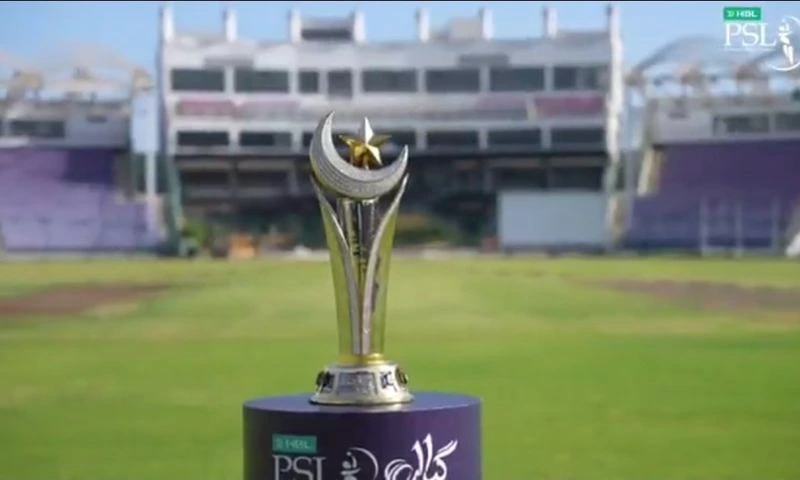
PSL Reveals Iconic New Trophy Before Season 11
Pakistan’s premier T20 tournament has introduced a brand new symbol of victory as the Pakistan Super League unveiled the Infinity Trophy ahead of the upcoming Season 11. The new trophy represents a fresh chapter for the league as it continues to expand its popularity both within Pakistan and internationally. PSL Introduces the Infinity Trophy The organizers of the Pakistan Super League revealed the Infinity Trophy in a special ceremony ahead of the 11th edition of the tournament. The trophy will be awarded to the champions of PSL 11. According to officials, the design reflects the league’s journey and its vision for continuous growth. The infinity symbol incorporated into the trophy represents the endless passion of cricket fans and the league’s commitment to evolving year after year. League organizers said the new trophy marks a milestone moment for the PSL as it prepares to enter a new era of competition and entertainment. Read More: PSL 11 Schedule Revealed as Eight Teams Prepare for Action Symbol of PSL’s Growing Legacy Since its launch in 2016, the Pakistan Super League has grown into one of the most exciting T20 leagues in world cricket. The tournament initially began with five teams and was later expanded to six franchises. In recent years the league has attracted top international players from countries such as England, Australia, South Africa, and the West Indies. The PSL has also played a crucial role in reviving international cricket in Pakistan by hosting matches in cities including Lahore, Karachi, Rawalpindi, and Multan. Officials say the Infinity Trophy reflects this journey of growth and the league’s ambition to continue expanding in the coming years. A New Era Ahead of Season 11 Season 11 of the Pakistan Super League is expected to feature intense competition among the league’s top franchises. Teams including Lahore Qalandars, Karachi Kings, Islamabad United, Peshawar Zalmi, Quetta Gladiators and Multan Sultans will compete for the prestigious new trophy. Fans are expecting another thrilling season filled with high scoring matches, dramatic finishes, and standout performances from both local and international players. The introduction of the Infinity Trophy is also intended to enhance the league’s brand identity and create a lasting symbol associated with PSL champions. Read More: PSL 11 Full Squads with Complete Player Prices Revealed After Historic Auction PSL’s Impact on Pakistan Cricket Cricket experts say the success of the Pakistan Super League has helped develop young talent and strengthen Pakistan’s domestic cricket structure. Several players who performed well in the league later became key members of the national team. The tournament has also generated significant economic activity through broadcasting rights, sponsorship deals, tourism, and stadium attendance. With the unveiling of the Infinity Trophy, PSL organizers hope to further elevate the tournament’s prestige and global recognition. As Season 11 approaches, fans across Pakistan and around the world are eagerly waiting to see which team will become the first to lift the new trophy.
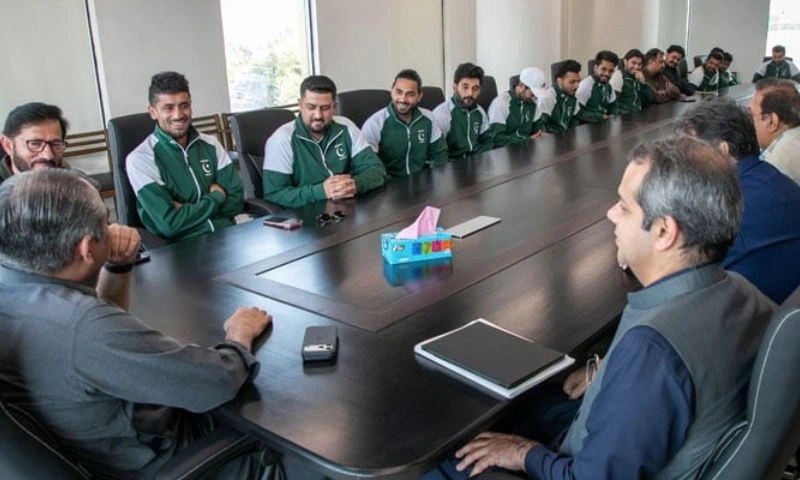
Mohsin Naqvi Announces Jobs and Medical Support for Pakistan Hockey Team
Pakistan’s national hockey team has received a major boost after Mohsin Naqvi announced employment opportunities and medical support for the players, recognizing their recent achievements and efforts to revive the country’s legacy in the sport. The announcement comes as Pakistan hockey experiences renewed attention following the national team’s return to major international competitions. Government Announces Jobs for Hockey Players Speaking during an event honoring the national hockey team, Mohsin Naqvi revealed that players will be provided with government jobs to ensure financial stability. The decision aims to support athletes who have dedicated their careers to representing Pakistan on the international stage. Officials said the move recognizes the sacrifices made by hockey players who often struggle with limited financial resources despite competing at the highest level. Naqvi also praised the team’s performance and commitment, stating that Pakistan must continue to support its national sport and invest in its future. Read More: PM Shehbaz Announces Rs1.5 Million Reward for Each Pakistan Hockey Player Medical Support for National Players In addition to employment opportunities, the government has announced enhanced medical facilities for members of the national hockey team. Players will receive access to improved healthcare services to help them maintain peak physical condition and recover from injuries more effectively. Sports medicine specialists and physiotherapy support will also be made available to the squad as part of efforts to strengthen athlete welfare. Experts say such initiatives are crucial in modern sports, where fitness, recovery, and injury management play a central role in maintaining competitive performance. Reviving Pakistan’s Hockey Legacy Field hockey has long been considered Pakistan’s national sport. The country once dominated international hockey, winning multiple Olympic and World Cup titles. Pakistan remains the most successful team in the history of the Hockey World Cup, having won the tournament four times. However, the sport has faced challenges in recent decades due to limited funding, infrastructure issues, and growing competition from other nations. Officials believe that stronger institutional support, financial incentives, and improved training facilities could help revive the sport’s popularity. Recognition for Recent Achievements The announcement comes shortly after the national hockey team secured a place in a major international tournament after years of absence. The achievement was widely celebrated by fans and sports authorities, who viewed it as a sign that Pakistan hockey may be entering a new phase of revival. Government representatives said players who bring pride to the nation deserve proper recognition and long term support. The initiative to provide jobs and healthcare benefits is seen as an important step toward rebuilding confidence among athletes and encouraging young players to pursue hockey professionally. Read More: Pakistan Hockey Captain Blasts Federation After Troubled Australia Tour Support Needed for Long Term Success Sports analysts say the latest announcement is a positive development but emphasize that sustained investment will be needed to fully restore Pakistan’s hockey prominence. Modern training facilities, grassroots development programs, and regular international exposure will all be essential for rebuilding the national team’s competitiveness. With renewed attention from policymakers and sports authorities, many fans hope Pakistan hockey can once again return to its historic place among the world’s top teams.
