

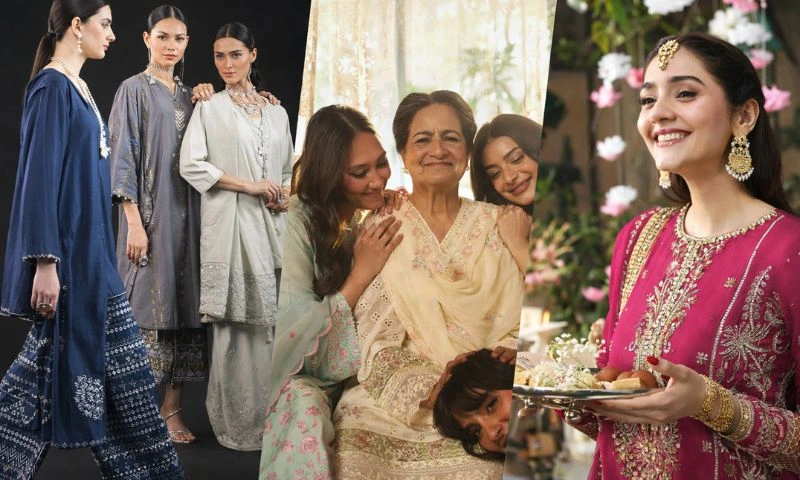
Eid is one of the biggest fashion seasons in Pakistan. As families prepare for celebrations, women begin searching for elegant outfits that reflect both tradition and modern style. Every year, leading Pakistani clothing brands launch special Eid collections featuring embroidered lawn suits, festive pret wear, and luxury formal outfits. Pakistan’s fashion industry offers a mix of affordable brands and luxury designers, allowing women to choose outfits for every budget and occasion. From casual Eid brunch looks to formal evening gatherings, several brands dominate the country’s festive fashion scene. Khaadi Khaadi is one of the most recognized clothing brands in Pakistan and is known for its fusion of traditional eastern wear with modern fashion. The brand offers stitched and unstitched collections along with ready to wear outfits for women. Its seasonal lawn and festive collections regularly rank among the best selling fashion lines in the country. For Eid, Khaadi typically launches embroidered lawn suits, printed kurtas, and festive pret outfits that combine bright colors with contemporary cuts. Gul Ahmed Gul Ahmed is one of Pakistan’s oldest and most trusted clothing brands. The company is known for producing high quality fabrics and elegant eastern wear collections that appeal to women of all ages. Its Eid collections often feature embroidered lawn suits, chiffon dresses, and festive three piece outfits designed for both casual and formal Eid gatherings. Sana Safinaz Sana Safinaz is a leading luxury fashion brand known for premium fabrics such as silk, chiffon, and embroidered lawn. The brand is widely regarded as one of Pakistan’s most famous designer clothing labels. Its Eid collections often focus on elegant cuts, soft color palettes, and intricate embroidery that appeal to women looking for sophisticated festive wear. J. J., also known as Junaid Jamshed, is a well known Pakistani fashion brand that offers clothing for both men and women. It blends traditional eastern styles with modern fashion elements. For Eid, the brand introduces stylish kurtas, embroidered suits, and festive pret collections that remain affordable and widely accessible. Bonanza Satrangi Bonanza Satrangi is popular among Pakistani women for its affordable yet fashionable clothing collections. The brand is known for offering stylish eastern outfits at competitive prices. During Eid, Bonanza Satrangi releases colorful lawn suits, printed dresses, and festive wear designed for everyday celebrations. Alkaram Studio Alkaram Studio is another major Pakistani fashion brand recognized for vibrant prints and seasonal lawn collections. The brand is trusted for both fabric quality and modern designs. Its Eid collections often feature lightweight fabrics, embroidered suits, and trendy silhouettes perfect for daytime Eid gatherings. Maria B Maria B is one of Pakistan’s most famous designer brands and has gained international recognition for luxury fashion and bridal couture. The label specializes in formal wear, luxury pret, and festive outfits. For Eid, Maria B launches elegant embroidered dresses and luxury pret outfits designed for evening celebrations and special events. Limelight Limelight is one of the fastest growing fashion brands in Pakistan and is known for trendy yet budget friendly clothing. The brand offers clothing for women, men, and children. Its Eid collections typically feature modern cuts, printed suits, and affordable festive outfits popular among young shoppers. Outfitters Outfitters is widely recognized for western and streetwear fashion in Pakistan. The brand is especially popular among younger audiences and university students. For Eid, Outfitters often releases stylish western inspired outfits including dresses, tops, and trendy casual wear. Nishat Linen Nishat Linen remains one of the most trusted and widely purchased clothing brands in Pakistan. The brand offers affordable yet stylish eastern wear collections throughout the year. Its Eid collections usually include embroidered lawn suits, printed kurtas, and elegant festive outfits suitable for both casual and formal celebrations. Eid Fashion Trends in Pakistan Fashion experts say embroidered lawn suits, pastel shades, and silk dupattas are among the most popular Eid fashion trends this year. Long shirts paired with straight trousers and traditional shalwars are also making a strong comeback. With the rise of online shopping, many Pakistani women now browse Eid collections digitally before visiting stores, making seasonal fashion launches even more competitive among leading clothing brands.
PTA Stops Mobile Operators From Increasing Monthly Package Prices
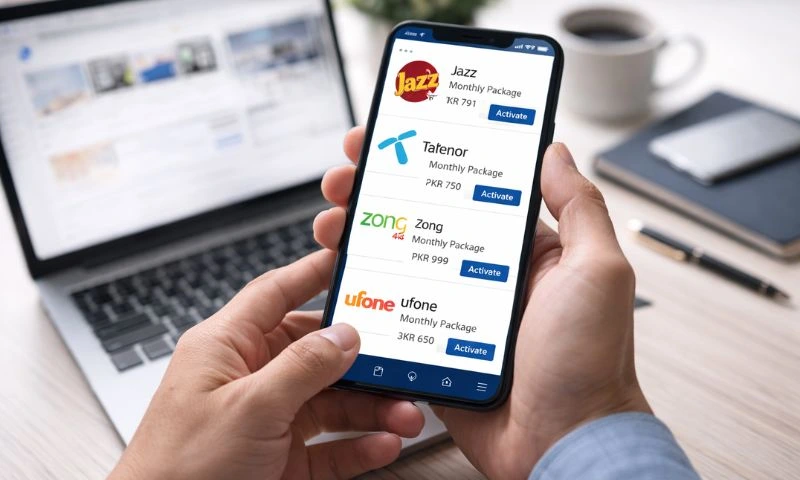
Pakistan Telecommunication Authority has stopped mobile operators from increasing the prices of their monthly mobile packages, a move aimed at protecting consumers from sudden telecom tariff hikes. The directive comes amid rising inflation and growing complaints from mobile users about frequent changes in package rates by telecom companies. According to reports, the regulator has informed telecom operators that monthly packages cannot be increased without regulatory approval, and companies must maintain the existing prices for such bundles unless PTA reviews and approves the changes. Telecom Operators Directed to Maintain Existing Prices The Pakistan Telecommunication Authority issued the instructions to major telecom companies operating in the country including Jazz, Zong, Ufone and Telenor. The regulator clarified that telecom operators cannot change the prices of monthly bundles at their own discretion. PTA stated that the decision was taken to ensure fairness and transparency for consumers who rely heavily on monthly packages for voice calls, SMS and mobile data usage. Officials said the directive is meant to stabilize telecom costs for millions of users who subscribe to monthly packages as their primary mobile plan. A PTA spokesperson said the authority had received complaints about operators increasing the prices of packages without sufficient notice. The official statement said that the regulator had “directed telecom operators not to increase prices of monthly bundles without prior approval from PTA.” Growing Concerns Over Telecom Costs Pakistan has more than 190 million cellular subscribers and a large percentage of them use bundled packages that include data, calls and text messages. Monthly packages are particularly popular among students, freelancers and working professionals who rely on consistent connectivity for work and communication. Over the past few years, telecom companies have periodically revised package prices due to rising operational costs, currency depreciation and higher energy prices. Mobile operators argue that network expansion, spectrum licensing and infrastructure costs have increased significantly. However, consumer groups say sudden price increases place additional financial pressure on users already dealing with high inflation and rising utility costs. The PTA’s intervention is therefore being viewed as a consumer protection measure designed to keep telecom services affordable. Telecom Sector Under Regulatory Watch The Pakistan Telecommunication Authority regulates the telecom sector under the Pakistan Telecommunication Act and oversees pricing structures, licensing and service quality. The regulator also monitors tariff adjustments to ensure that operators do not impose unfair pricing practices. Telecom companies still have the option to request price adjustments, but any such changes must be formally submitted to PTA for approval. Industry experts say that while the move may limit immediate price hikes, telecom operators will likely continue discussions with regulators regarding pricing flexibility as operational costs continue to rise. Pakistan’s telecom industry plays a critical role in the country’s digital economy, supporting mobile banking, e commerce, freelancing and digital services used by millions of citizens. Impact on Consumers For mobile users, the PTA directive provides short term relief by ensuring that existing monthly packages remain stable. Consumers can continue using their current bundles without worrying about sudden price increases. Analysts believe regulatory oversight will also encourage telecom companies to focus on improving service quality and network coverage rather than relying on frequent price adjustments. With mobile connectivity now a necessity rather than a luxury, decisions affecting telecom pricing have a direct impact on Pakistan’s digital landscape and everyday life.
Elevate Pay and NayaPay Launch Zero Fee Dollar Transfers for Pakistan
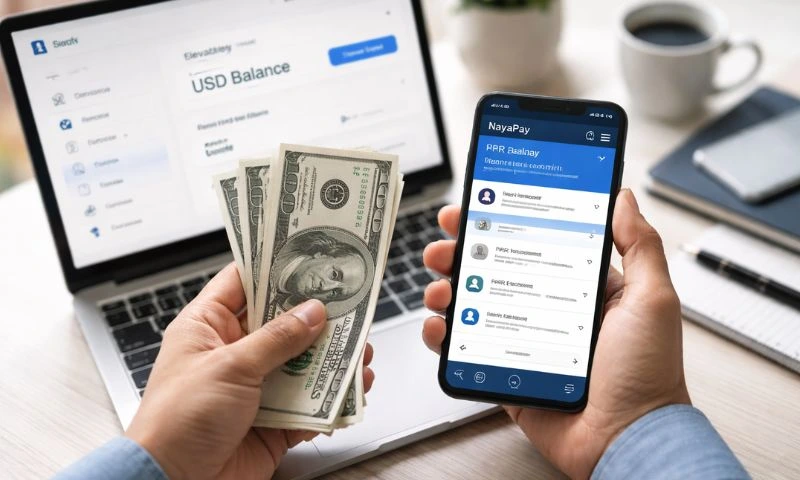
Pakistani freelancers and remote workers have gained a new option for receiving international payments after a partnership between Elevate Pay and NayaPay introduced a system that allows dollar payments to be transferred directly into NayaPay wallets without transfer fees. The new integration aims to simplify how Pakistanis receive payments from overseas clients and digital platforms. The development is particularly significant for Pakistan’s growing freelance economy, where thousands of professionals rely on cross border payments from clients in the United States, Europe, and other global markets. Partnership Between Elevate Pay and NayaPay Under the new arrangement, users can receive USD payments through Elevate Pay and then move the funds into their NayaPay wallets with zero transfer fees. The dollars are converted into Pakistani rupees and deposited into the digital wallet quickly. According to Elevate Pay, users can move funds seamlessly between the two platforms. The company said: “Pay $0 in transfer fees when you send USD to NayaPay.” The service also promises fast processing times. Elevate Pay states that payments can arrive within minutes after the transfer is initiated. “PKR arrives in your NayaPay wallet within minutes.” Users need an approved Elevate Pay USD account to start receiving international payments before transferring them into their NayaPay wallet. Designed for Freelancers and Remote Workers The service is targeted mainly at freelancers, digital professionals, and remote workers who regularly receive payments from abroad. Pakistan is one of the world’s fastest growing freelance markets, with many professionals working on platforms such as Upwork, Fiverr, and Toptal. Elevate Pay provides users with virtual USD accounts that allow them to receive payments from international clients without needing a US bank account. The platform supports global payment infrastructure and converts earnings into local currency at competitive exchange rates. For many Pakistani freelancers, cross border payments have traditionally been complicated because services like PayPal are not fully available in Pakistan. As a result, professionals often rely on platforms like Payoneer or bank wire transfers, which may include higher fees and slower processing times. The new Elevate Pay and NayaPay integration aims to address these challenges by offering faster and more transparent payment processing. Instant Transfers and Official Remittance Documentation Another key feature of the system is that each transaction generates a Proceeds Realization Certificate. This document is important for tax reporting and financial documentation in Pakistan. Elevate Pay explained that each transfer produces a PRC with a specific remittance purpose code, allowing users to maintain official records of their foreign income. The system also operates around the clock, meaning freelancers can receive funds at any time of the day without waiting for traditional banking hours. Growing Fintech Ecosystem in Pakistan Pakistan’s digital payments ecosystem has expanded rapidly in recent years with the rise of mobile wallets and fintech companies. Services such as NayaPay, Easypaisa, and JazzCash have significantly improved financial access and digital transactions across the country. Experts say solutions that simplify international payments could further boost Pakistan’s freelance industry. Overseas remittances and freelance income together contribute billions of dollars annually to Pakistan’s economy, making efficient digital payment infrastructure increasingly important. With the new partnership, freelancers now have another tool to receive global payments more easily and with fewer costs.
Slower Roads Ahead: Pakistan Reduces Highway Speed Limits to Save Fuel
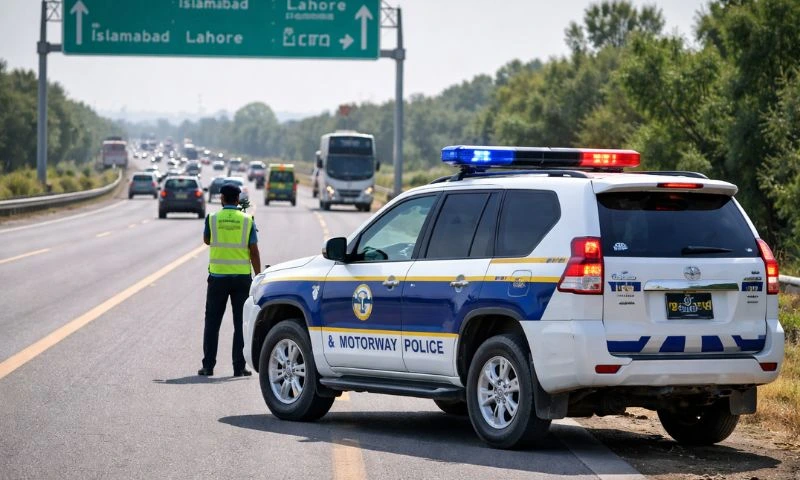
Pakistan has reduced speed limits on motorways and national highways as part of a broader fuel conservation strategy aimed at reducing energy consumption during a period of rising global oil prices and economic pressure. The decision follows a series of austerity measures announced by the federal government to manage fuel usage across the country. The step comes after petrol and diesel prices increased sharply earlier this month. Authorities say the move is meant to cut national fuel consumption and encourage more economical driving habits, especially during long intercity travel. New Speed Limits on Motorways and Highways Under the revised rules, speed limits for several vehicle categories have been reduced. Cars and Light Transport Vehicles on motorways can now travel at a maximum speed of 100 kilometres per hour instead of the previous 120 km/h. Passenger Service Vehicles and Heavy Transport Vehicles are now restricted to 90 km/h instead of 110 km/h. On national highways, the maximum speed limit for cars and light vehicles has been lowered from 100 km/h to 80 km/h. Meanwhile, passenger and heavy transport vehicles will now be limited to 65 km/h instead of 80 km/h. Officials from the National Highways and Motorway Police said the change has been introduced on the instructions of the federal government. Syed Imran Ahmed, spokesperson for the motorway police central region, said: “On the directions of the federal government, the speed limits on motorways and national highways have been reduced to conserve fuel, and an awareness campaign has been launched to inform the public.” Authorities say enforcement teams will monitor compliance across the national road network. Read More: Toyota Delivery Charges Increased as Fuel Costs Rise Fuel Conservation Becomes National Priority The new speed limits are part of a larger government plan to reduce fuel consumption at a time when Pakistan faces higher oil import costs and global energy market uncertainty. Pakistan relies heavily on imported fuel, which makes the economy sensitive to global oil price fluctuations. Earlier this month, petrol and diesel prices in Pakistan increased by around Rs55 per litre, putting pressure on transport costs and inflation. The price surge has been linked to disruptions in global energy supply routes caused by geopolitical tensions in the Middle East. Experts say vehicles consume significantly more fuel at higher speeds, particularly above 100 km/h. Reducing speeds can therefore improve fuel efficiency and reduce overall demand for imported fuel. Read More: Pakistan Railways Raises Train Fares After Massive Fuel Price Hike Impact on Travel and Road Safety The policy is expected to slightly increase travel time on long motorway journeys. However, authorities believe the measure could also improve road safety. Lower driving speeds typically reduce the severity of road accidents and help maintain smoother traffic flow. Pakistan’s motorway network has historically allowed speeds of up to 120 km/h for light vehicles, one of the highest limits in the country’s road system. The National Highways and Motorway Police, established in 1997, is responsible for enforcing traffic rules and safety regulations across Pakistan’s motorway and national highway network. Officials have also launched an awareness campaign to inform motorists about the revised limits, particularly ahead of the Eid travel season when intercity traffic usually increases significantly. The government believes that even small reductions in speed across thousands of vehicles could translate into substantial national fuel savings.
Iran Warns FIFA After Trump Questions Team’s Safety
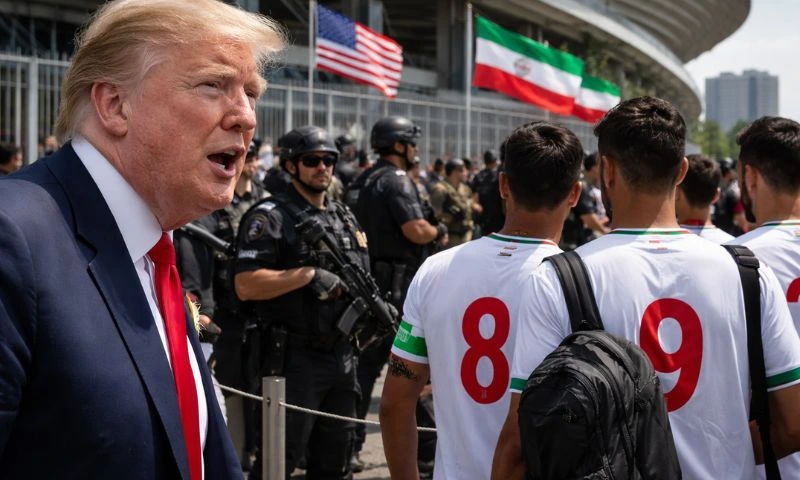
A political storm has erupted around the 2026 FIFA World Cup after U.S. President Donald Trump warned that it may not be safe for the Iran national football team to compete in the tournament, prompting a strong response from Iranian officials who have instead called for the United States to be removed as both hosts and participants. The escalating dispute highlights how rising geopolitical tensions are beginning to spill into international sport ahead of the global football event. Trump Says Iran Should Not Attend “For Their Own Life and Safety” The controversy began after Trump posted a message on his Truth Social platform addressing Iran’s participation in the tournament. He wrote: “The Iran National Soccer Team is welcome to The World Cup, but I really don’t believe it is appropriate that they be there, for their own life and safety.” Trump also downplayed the importance of Iran’s participation when speaking about the situation. “I really don’t care. I think Iran is a very badly defeated country. They’re running on fumes.” His comments quickly spread across global media and triggered reactions from football officials and Iranian authorities. The 2026 FIFA World Cup will be hosted by the United States, Canada and Mexico and will feature 48 teams for the first time in the tournament’s history. Iran has already qualified through the Asian qualifiers and was drawn into Group G alongside Belgium, Egypt and New Zealand. Iran Hits Back and Calls for USA to Be Removed Iran’s football authorities responded sharply to Trump’s comments, insisting that no individual country has the authority to exclude a team from the tournament. In a statement posted online, Iran’s national team said: “The World Cup is a historic and international event and its governing body is FIFA — not any individual country.” The statement continued: “Certainly no one can exclude Iran’s national team from the World Cup.” Iranian officials then went a step further by suggesting that if any country should be excluded from the tournament, it should be the host nation itself. “The only country that could be excluded is one that merely carries the title of ‘host’ yet lacks the ability to provide security for the teams participating in this global event.” The response effectively called on FIFA to consider removing the United States from the tournament if it cannot guarantee safety for participating teams. Iran Threatens to Skip the Tournament The political dispute intensified after Iran’s Sports Minister Ahmad Donyamali suggested the country might refuse to participate in the tournament entirely. He said: “Given that this corrupt government assassinated our leader, under no circumstances can we participate in the World Cup.” Iran’s participation remains uncertain as tensions between Tehran and Washington continue to escalate following recent military strikes in the region. FIFA Faces an Unusual Dilemma The situation now places FIFA in a complicated position. Football’s governing body traditionally insists that politics should not interfere with sporting competitions, and teams normally qualify for the World Cup through regional tournaments rather than political decisions. However, if Iran withdraws or if tensions escalate further, FIFA could face the unprecedented challenge of replacing a qualified team or dealing with disputes involving the host nation itself. For now, the global football community is watching closely as political tensions threaten to overshadow preparations for the world’s biggest sporting event.
