

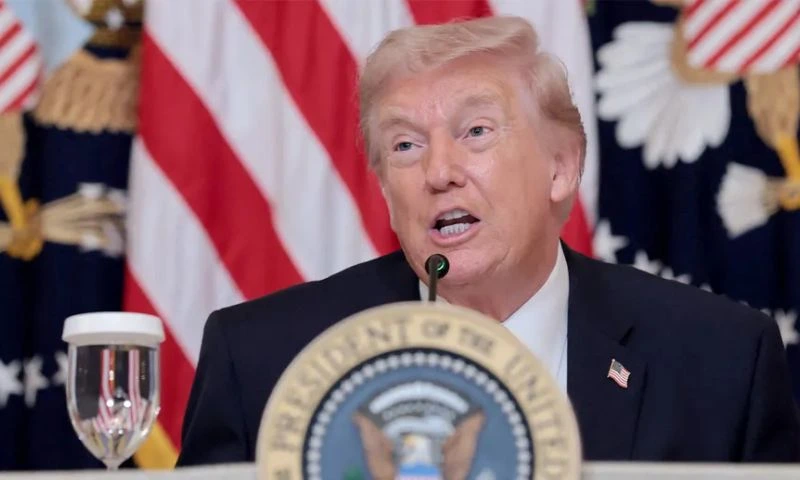
US President Donald Trump has postponed planned military strikes on Iranian power plants and energy infrastructure, signaling a possible shift toward diplomacy amid rising tensions in the Middle East. The decision comes after what Trump described as “very good and productive conversations” between the United States and Iran regarding a potential resolution to ongoing hostilities. He announced that the strikes would be delayed for five days to allow time for further discussions, adding that the move depends on the success of ongoing negotiations. Ultimatum Linked to Strait of Hormuz The postponement follows a sharp escalation in tensions after Trump had earlier warned Iran to reopen the Strait of Hormuz. The strategic waterway is one of the world’s most important oil routes, carrying a significant portion of global energy supplies. Any disruption in this passage has immediate global economic consequences. Trump had threatened to target Iranian power plants if the Strait was not reopened within a set deadline, raising fears of a broader conflict. BREAKING PRESIDENT TRUMP: 🇺🇸🇮🇷 We had very good and productive conversations regarding a complete and total resolution of hostilities in the Middle East.Military strikes postponed for 5 days. pic.twitter.com/wiZh9F1H5p— Donald J Trump Posts TruthSocial (@TruthTrumpPost) March 23, 2026 Iran’s Position and Denial of Talks Despite Trump’s claims, Iranian officials have denied that any direct or indirect negotiations are taking place with the United States. Tehran has maintained a firm stance, warning that any attack on its energy infrastructure would trigger strong retaliation across the region. Iran has previously indicated that it could target energy facilities and strategic assets if its own infrastructure is hit, increasing the risk of escalation. War Background and Regional Impact The current crisis is part of a wider conflict that began in late February after US and Israeli strikes on Iranian targets. The confrontation has already resulted in thousands of casualties and has significantly disrupted global markets. The Strait of Hormuz has been at the center of the standoff, with Iran restricting shipping routes and causing instability in global oil supplies. Markets React to De-Escalation The announcement of a delay in strikes had an immediate impact on global markets. Oil prices dropped sharply, while stock markets showed gains as fears of an immediate military escalation eased. However, analysts warn that the situation remains fragile, as conflicting statements from both sides create uncertainty about the future. What Comes Next The five-day window is now being seen as a critical period for diplomacy. Trump has expressed optimism about reaching a deal, stating that both sides want to resolve the conflict. At the same time, Iran’s denial of talks and continued warnings suggest that tensions remain high. A Region Still on Edge While the postponement has reduced immediate fears of conflict, the Middle East remains on edge. Experts say that any failure in negotiations could quickly lead to renewed military action, with serious consequences for global energy markets and regional stability.

Pakistani Boxer Usman Wazir Starts Training Hania Aamir, Promises Big Reveal
Pakistani professional boxer Usman Wazir has confirmed that he has started training actress Hania Aamir in boxing, describing the collaboration as both exciting and promising. Speaking during a Geo podcast, Wazir shared that the training sessions are already underway and that video clips of Hania Aamir’s progress will be released soon. He said, “I have started training Hania Aamir and we will soon share her training clips.” Appreciation for Hania Aamir’s Support Usman Wazir also expressed gratitude toward the actress for her consistent support throughout his career. He said, “I am thankful to Hania Aamir. She supports me before every fight and boosts my morale.” His remarks highlight a long-standing connection between the two, with Hania Aamir actively encouraging him during important bouts. View this post on Instagram A post shared by GenZ Media Production (@genzmediaproductions) “People Have Seen Only One Side of Her” During the conversation, Wazir addressed a common perception about Hania Aamir’s personality. When asked how she would manage boxing training given her soft and delicate image, he responded confidently. He said, “People have only seen one side of her where she looks very cute and delicate, but we will soon show the world her other side.” The statement suggests that the actress is capable of handling the physical demands of boxing training and may surprise fans with her transformation. Focus on Fitness and Boxing Skills The training sessions are expected to focus on basic boxing techniques, fitness, and discipline. Boxing requires strength, endurance, and mental focus. Experts say it is also an effective form of fitness training that improves coordination and stamina. Hania Aamir’s involvement reflects a growing trend among celebrities exploring sports and fitness beyond traditional routines. Who is Usman Wazir Usman Wazir, also known as “The Asian Boy,” is an undefeated Pakistani professional boxer with an impressive record in international boxing. He has achieved multiple titles, including regional and youth championships, and continues to represent Pakistan on the global stage. Wazir has maintained an unbeaten streak in his professional career and is considered one of the rising stars of boxing in the country. A Unique Blend of Sports and Entertainment The collaboration between Usman Wazir and Hania Aamir highlights an interesting crossover between sports and showbiz. Such partnerships often help bring attention to sports like boxing, which continue to grow in popularity in Pakistan. As anticipation builds around the upcoming training clips, fans are eager to see a different side of Hania Aamir and how she adapts to the sport.
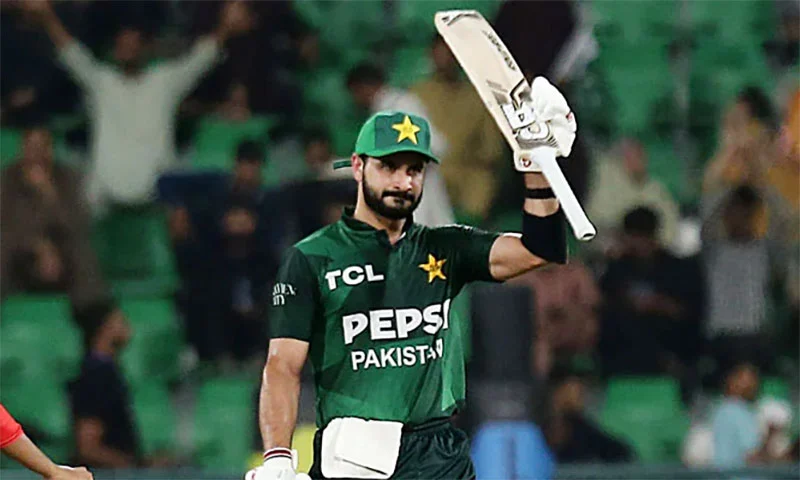
Pakistan Star Sahibzada Farhan Crowned Player of the Month Following Record-Breaking Form
Pakistan’s opening batter Sahibzada Farhan has been named Player of the Month for February 2026 following his outstanding performances in international cricket. The award comes after Farhan delivered a remarkable campaign during the ICC Men’s T20 World Cup, where he emerged as one of the tournament’s top performers. His consistent batting and aggressive approach played a key role in Pakistan’s campaign. Farhan finished as the leading run-scorer of the tournament with 383 runs, making him one of the standout players globally. Record-Breaking T20 World Cup Campaign Farhan’s performances during the tournament were historic. He not only topped the run charts but also broke a long-standing record previously held by India’s Virat Kohli. His batting combined power and consistency, with a high strike rate and multiple match-winning innings. Experts say his performance marked a major milestone in Pakistan’s T20 cricket history. The recognition as Player of the Month reflects his dominance during the period and highlights his growing importance in the national side. .@RealSahibzada is the ICC Men's Player of the Month for February 2026🏆🌟 He topped the run charts at the ICC #T20WorldCup, scoring 383 runs in six innings, including two centuries and two fifties 👏 pic.twitter.com/ZTGBavMVeZ— Pakistan Cricket (@TheRealPCB) March 23, 2026 A Rising Star in Pakistan Cricket Sahibzada Farhan, born in Khyber Pakhtunkhwa, has steadily built his reputation as a reliable top-order batter. He plays as a right-handed opener and has represented Pakistan across formats. He has also been a consistent performer in domestic cricket and franchise leagues, including the Pakistan Super League. His attacking style and ability to score quickly make him a valuable asset in T20 cricket. Farhan has maintained an impressive record, with over 1,300 runs in T20 internationals and multiple centuries and half-centuries to his name. Impact on Pakistan’s Cricket Future Cricket analysts believe that Farhan’s recent performances signal a strong future for Pakistan’s batting lineup. His ability to perform on big stages, including global tournaments, has boosted confidence among fans and selectors alike. The Player of the Month award further strengthens his position as one of Pakistan’s most promising players. Recognition at the Global Level The award not only highlights Farhan’s individual achievements but also reflects Pakistan’s growing presence in international cricket. His performances during February have drawn attention from global audiences, reinforcing Pakistan’s reputation for producing top cricketing talent. As Pakistan continues its cricket journey in 2026, Farhan is expected to remain a key figure in upcoming series and tournaments.
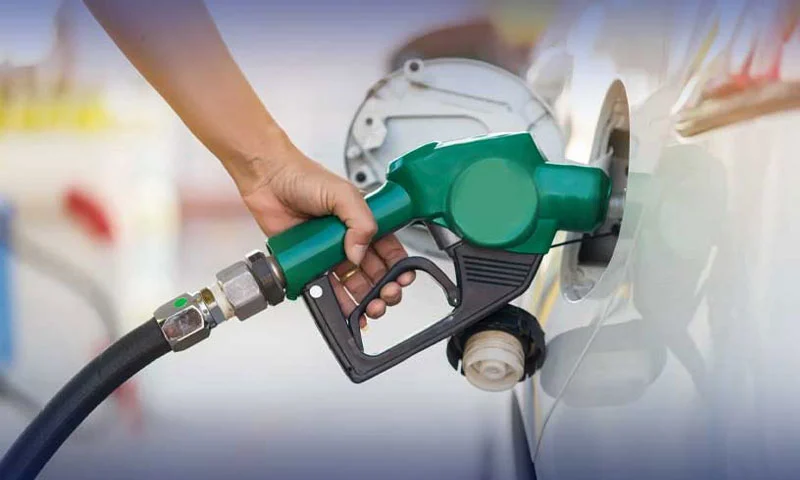
PM Shehbaz bans high-octane fuel in govt vehicles amid austerity drive
Prime Minister Shehbaz Sharif has banned the use of high-octane fuel in government vehicles as part of a wider austerity drive aimed at tackling Pakistan’s ongoing fuel and economic crisis. The decision comes alongside a major increase in the levy on high-octane petrol, a fuel typically used in luxury vehicles. Officials say the combined measures are designed to reduce unnecessary expenditure and shift the financial burden toward wealthier segments of society. Rs200 Levy Increase on High-Octane Fuel As part of the broader policy, the government has approved a Rs200 per litre increase in the levy on high-octane fuel, raising the total levy to around Rs300 per litre. According to the Prime Minister’s Office, the move is expected to generate around Rs9 billion in monthly savings. Officials stated that “the wealthiest segment will bear the cost,” as the measure specifically targets fuel used in high-end vehicles. Importantly, petrol prices for ordinary vehicles and public transport fares have not been increased, ensuring relief for middle- and lower-income groups. Ban on High-Octane Use in Govt Vehicles In addition to the levy hike, the prime minister has directed that government vehicles will no longer be allowed to use high-octane fuel. Officials have also been instructed to bear the cost themselves if they choose to use premium fuel, reinforcing the government’s push for discipline and cost-cutting within state institutions. The move reflects a clear message from the government to lead by example during a time of economic pressure. Background: Fuel Crisis and Global Pressures Pakistan’s latest measures come in response to rising global oil prices triggered by tensions in the Middle East, particularly the conflict involving the United States, Israel, and Iran. Earlier this month, petrol and diesel prices were increased by Rs55 per litre due to supply disruptions and rising crude oil prices. The country, which relies heavily on imported fuel, is facing significant pressure on its economy and foreign reserves. In response, both federal and provincial governments have introduced wide-ranging austerity measures, including reducing fuel usage, limiting official travel, and cutting non-essential expenditures. Relief Strategy for the Public The government has emphasized that savings generated from the high-octane levy will be redirected toward public relief. Officials say a targeted relief package for deserving segments is also under consideration, with multiple ministries working on a joint strategy. At the same time, the government has already absorbed part of the fuel price increase to prevent further burden on citizens. Balancing Crisis and Policy Action The ban on high-octane fuel and the levy increase together signal a shift toward targeted economic policies. Rather than increasing prices across the board, the government is focusing on luxury consumption to manage the crisis. As Pakistan navigates rising energy costs and global uncertainty, authorities continue to stress conservation, discipline, and equitable burden-sharing.
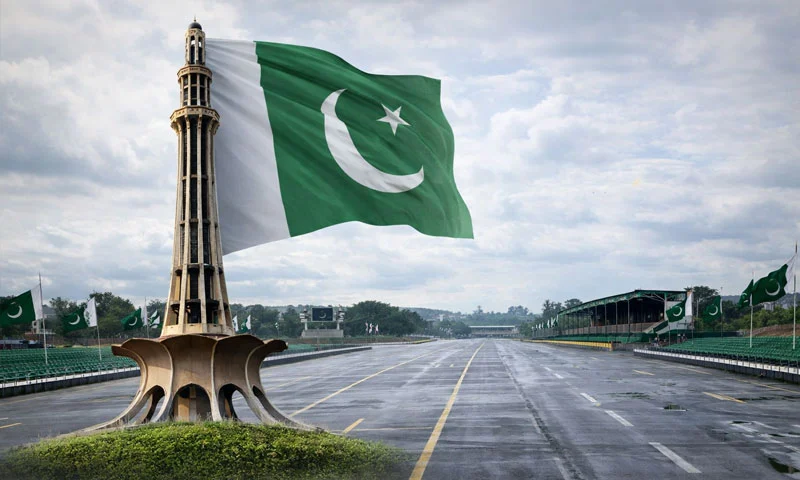
Nation Observes Pakistan Day with Simplicity and Resolve
Pakistan is marking Pakistan Day today with national spirit and patriotism, but without the traditional military parade, as the government implements austerity measures linked to the ongoing Middle East crisis. The day is being observed with dignity and reverence across the country. Flag-hoisting ceremonies are being held at official buildings, while special events are being kept simple in line with the government’s cost-cutting strategy. Pakistan Day, observed every year on March 23, commemorates the historic Lahore Resolution of 1940, which laid the foundation for the creation of Pakistan. Parade Cancelled Due to Oil Crisis The federal government decided to cancel the traditional Pakistan Day military parade and related ceremonial events this year. According to the Prime Minister’s Office, the decision was taken “in the backdrop of the ongoing Gulf oil crisis and the consequent austerity measures announced by the government.” Instead of the usual large-scale celebrations, authorities directed that the day be observed with simplicity while maintaining its national significance. The Pakistan Day parade is normally one of the country’s biggest national events, featuring military displays, flypasts, and participation from armed forces and foreign dignitaries. وزیراعظم محمد شہباز شریف کی یومِ پاکستان کے موقع پر پرچم کشائی#PakistanDay #23March #ShehbazSharif #FlagHoisting #PakistanZindabad #NationalPride #Unity #Pakistan #LahoreResolution #Patriotism pic.twitter.com/C5TKLdQs5T — APP (@appcsocialmedia) March 23, 2026 Impact of Middle East Crisis on Pakistan The decision comes as Pakistan faces economic pressure due to rising global oil prices triggered by tensions in the Middle East. Pakistan relies heavily on oil imports from the Gulf, making it vulnerable to disruptions in supply. The ongoing conflict has affected global energy markets and increased fuel costs domestically. In response, the government introduced wide-ranging austerity measures to conserve fuel and reduce spending. These measures include reducing fuel usage, limiting official travel, implementing a four-day work week, and encouraging work-from-home policies in government departments. A Day of Unity Despite Scaled-Down Celebrations Despite the absence of the parade, Pakistan Day is still being observed with enthusiasm and national pride. Government institutions, schools, and organizations are marking the occasion with simple ceremonies, paying tribute to the country’s founding vision and sacrifices. Officials have emphasized that the spirit of Pakistan Day remains unchanged, even as celebrations are scaled down. Balancing National Pride with Economic Reality The decision to cancel the parade reflects a broader effort to balance national traditions with economic realities. Authorities have stressed that observing the day with simplicity does not diminish its importance. Instead, it highlights the nation’s resilience during challenging times. As Pakistan navigates economic pressures linked to global developments, the focus remains on unity, discipline, and collective responsibility.
