

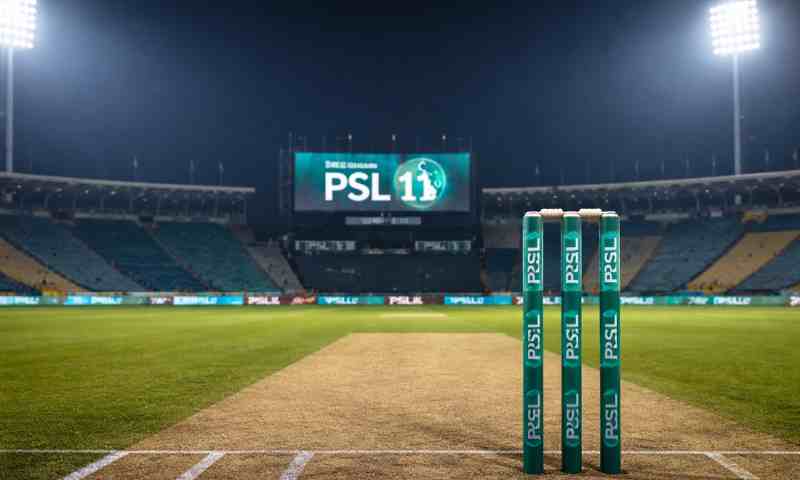
The Pakistan Cricket Board has announced a comprehensive ticket refund policy for HBL Pakistan Super League 11 after the tournament was significantly scaled back due to the ongoing fuel crisis and economic challenges linked to the US-Iran conflict. Automatic Refunds for Online Ticket Holders According to the PCB, all fans who purchased PSL 11 tickets online will receive refunds automatically through their original payment method. This includes payments made via debit cards, credit cards, JazzCash, and Easypaisa. “All ticket holders who purchased tickets online for HBL PSL 11 will receive refunds automatically through the original payment method used at the time of booking,” the board said in its official statement. The move comes after major changes to the tournament format, which made previously sold tickets invalid. Refund Timeline and Process The PCB confirmed that the refund process will begin on March 30, 2026, and is expected to be completed within 15 working days. “The refund process is scheduled to commence on 30th March 2026 and is expected to be completed within 15 working days,” the statement added. Fans have been informed that no action is required from their side, as refunds will be processed automatically. However, timelines may vary depending on banks and payment service providers. In case of delays, the PCB advised ticket holders to contact their respective financial service providers for assistance. PSL 11 Scaled Back Due to Fuel Crisis The refund decision follows a major restructuring of PSL 11, which has been heavily scaled back due to Pakistan’s ongoing fuel shortage and economic austerity measures. The crisis is closely linked to disruptions in global oil supplies caused by the escalating conflict between the United States and Iran, which has impacted energy markets across the region. As a result, Pakistan has implemented fuel conservation measures, affecting transportation, logistics, and large-scale public gatherings. Matches Behind Closed Doors in Two Cities Under the revised plan, PSL 11 will now be held only in Lahore and Karachi, significantly reducing travel requirements for teams, officials, and logistics staff. Matches will take place behind closed doors with no spectators allowed, and the traditional opening ceremony has also been cancelled to conserve resources. Officials said that hosting large crowds was not feasible under current conditions, and national priorities took precedence. Focus on Safety and Resource Management The PCB emphasized that the decision was taken in the broader national interest. Reducing travel, limiting venue operations, and avoiding crowd management costs were key considerations. The scaled-down tournament aims to ensure continuity of the league while adapting to the country’s economic realities. Looking Ahead Despite the challenges, the PCB expressed optimism about the future of PSL. “The Pakistan Cricket Board and HBL PSL appreciate your patience and look forward to welcoming you back to the stadiums for an even more exciting cricketing experience in future,” the statement said. Fans are now expected to follow the matches through broadcast platforms as the league continues in a restricted format.
Fuel Stocks Stable as Pakistan Locks Imports for March-April
The government has confirmed that Pakistan has secured sufficient petrol and diesel imports for March and April 2026, as authorities move to ensure uninterrupted fuel supply amid rising global energy concerns. A meeting of the Committee to Monitor Petrol Prices, chaired by Finance Minister Senator Muhammad Aurangzeb, reviewed the country’s petroleum supply outlook and global energy market trends following the Eid holidays. Officials were informed that national fuel inventories and supply chains remain stable, supported by refinery operations, scheduled cargo inflows, and secured import arrangements for the coming months. Fuel Stocks and Supply Chains Remain Stable According to the official briefing, Pakistan currently has comfortable petroleum reserves and a stable supply chain. Authorities confirmed: National fuel inventories are sufficient Supply chains are functioning smoothly Refinery operations are running steadily Cargo shipments are scheduled and arriving on time Import arrangements for March and April have been secured The government stressed that these measures ensure uninterrupted availability of petroleum products across the country. Govt Monitoring Global Energy Trends Closely The committee also reviewed international oil prices and geopolitical developments, which have caused volatility in global energy markets. Officials assessed: Fluctuations in global crude oil prices Impact of Middle East tensions on supply Shipping, freight, and insurance costs Risks to global supply routes such as the Strait of Hormuz Possible future scenarios for oil markets Recent data shows that global oil prices have surged sharply due to regional conflicts, forcing Pakistan to increase petrol and diesel prices by Rs55 per litre earlier this month. Import Strategy and Diversification Efforts To reduce risk and strengthen supply resilience, the government is actively diversifying its fuel sourcing strategy. Key measures include: Securing multiple cargo shipments from different regions Strengthening logistics and import arrangements Exploring alternative routes beyond high-risk zones Enhancing coordination with international partners Officials said these steps are aimed at minimizing disruption in case of further geopolitical escalation. Rising Costs and Economic Pressure Authorities also acknowledged the financial impact of rising oil prices. Officials warned: Pakistan’s oil import bill could rise significantly Monthly import costs may increase by up to $600 million Higher global prices could affect domestic inflation The government has introduced weekly fuel price reviews to better respond to rapid market changes. Govt Directs Strict Monitoring and Coordination Finance Minister Muhammad Aurangzeb emphasized proactive planning and close coordination among all stakeholders. He directed relevant authorities to: Maintain vigilant monitoring of fuel supply Prevent hoarding and market manipulation Ensure smooth distribution nationwide Strengthen coordination with provinces Officials reiterated that uninterrupted availability of petroleum products remains the government’s top priority. A Crucial Period for Energy Stability The developments come at a time when global energy markets remain highly uncertain due to geopolitical tensions. Experts say Pakistan’s timely import planning and supply management will be critical in maintaining economic stability and avoiding shortages. With imports secured and monitoring mechanisms in place, the government aims to keep fuel supply stable despite ongoing global challenges.

Man Killed by Vande Bharat Train While Spitting Tobacco Near Railway Tracks
A tragic incident in Bihar has once again raised serious concerns about railway safety after a man lost his life after being hit by a high-speed Vande Bharat Express while standing near the tracks to spit tobacco. Fatal Incident at Barh Railway Station The accident took place at Barh railway station under the Danapur division of East Central Railway, where the man was struck by the Patna-Howrah Vande Bharat Express. According to reports, the victim had approached the edge of the platform to spit tobacco when the speeding train arrived. Eyewitnesses said the train was approaching at high speed and had sounded its horn, but the man stepped dangerously close to the tracks. Despite warnings from people nearby, he was unable to move away in time and was hit by the train within seconds. The impact caused critical injuries, triggering panic among passengers at the station. Efforts to Save the Victim Railway police and station staff rushed to assist the injured man and transported him to a nearby hospital for treatment. However, his condition deteriorated rapidly. Doctors initially planned to shift him to Patna for advanced care, but he succumbed to his injuries before he could be transferred. Authorities have yet to confirm the identity of the deceased and are working to trace his family members. Growing Safety Concerns Around High-Speed Trains The incident highlights the increasing risks associated with high-speed trains like the Vande Bharat Express, which operate at significantly higher speeds than conventional trains. Railway officials have repeatedly warned passengers to maintain a safe distance from platform edges, especially when trains are approaching. Similar incidents have been reported in recent months, including cases where individuals crossing tracks or standing too close were struck by fast-moving trains, underlining the need for greater awareness and stricter safety measures. Railway Authorities Issue Warning Following the accident, railway authorities urged passengers to exercise extreme caution. Officials stressed that even a moment of carelessness near railway tracks can prove fatal, particularly with the increasing number of high-speed trains in operation. They also highlighted the importance of public awareness campaigns to educate passengers about the dangers of standing near tracks or engaging in unsafe behaviour. A Preventable Tragedy The Barh station incident serves as a stark reminder of how minor actions can lead to life-threatening consequences. Experts say most railway accidents of this nature are preventable and often occur due to negligence or lack of awareness. With India expanding its high-speed rail network, safety experts believe stronger enforcement, better signage, and continuous public education will be crucial to preventing such tragedies in the future.
PIA to Resume Direct London Flights After Six-Year Hiatus
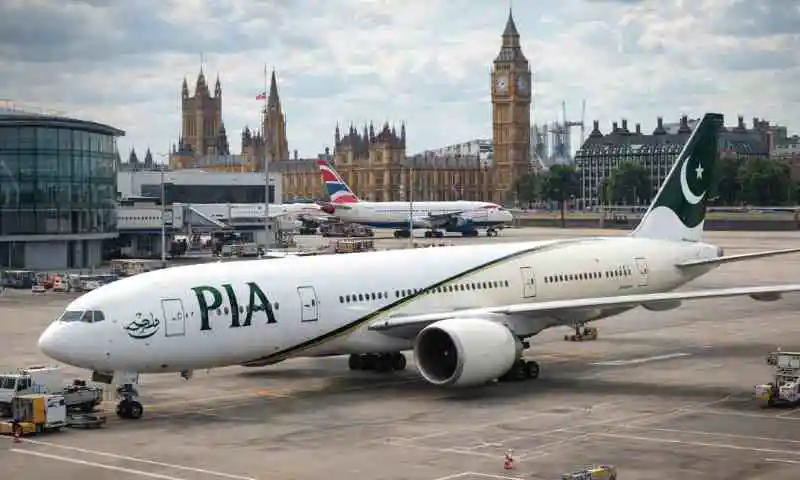
Pakistan International Airlines is set to resume direct flights to London after a gap of six years, marking a major milestone in the revival of the country’s national carrier and its return to one of its most important international routes. Flights to Restart from March 2026 According to officials, PIA will begin operating direct flights from Islamabad to London starting March 29, 2026. The airline plans to run four weekly flights on the route, reconnecting Pakistan with one of its busiest travel corridors. The flights will operate from Heathrow Airport’s Terminal 4, one of the UK’s major aviation hubs. The move is being seen as a significant step in expanding the airline’s international network after years of restrictions. A PIA spokesperson said that London “remains one of its most important and attractive routes,” highlighting the commercial importance of the destination. Background: Why Flights Were Suspended PIA’s operations to the UK were suspended in 2020 after aviation authorities raised serious safety concerns. The ban followed the Karachi plane crash and revelations that a number of pilots were operating with questionable licences. The United Kingdom and European Union subsequently barred the airline, causing heavy financial losses estimated at billions of rupees annually. After years of reforms and regulatory improvements, the UK lifted restrictions in 2025, allowing Pakistani airlines to reapply for operations. Gradual Return to UK Operations PIA has already resumed flights to Manchester, with three weekly services currently in operation. The London route now marks the second phase of its return to the UK market. Officials say the airline plans to further expand its UK network, with potential routes to Birmingham also under consideration in the future. Role of Privatisation and Future Plans The resumption of flights comes amid major structural changes within PIA. A consortium led by the Arif Habib Group recently acquired a 75 percent stake in the airline, signalling a new phase of investment and restructuring. The new management has outlined plans to upgrade aircraft, improve services, and expand the fleet significantly over the coming years. The UK, along with North America, has been identified as a “lucrative market” for growth. What This Means for Passengers For travelers, the return of direct London flights will reduce travel time, eliminate layovers, and provide more convenience, particularly for the large Pakistani diaspora in the UK. The route is historically one of PIA’s most profitable and popular, with strong demand for both business and family travel. A Key Step Toward Revival The resumption of London flights signals renewed confidence in PIA’s operations and safety standards. Industry experts say restoring international routes is essential for the airline’s long-term recovery. While challenges remain, the move represents a crucial step toward rebuilding the airline’s global reputation and financial stability.

Heart Surgeon Reveals 4 Habits That Can Change Your Life
A leading cardiovascular surgeon has highlighted four simple yet powerful lifestyle habits that can significantly improve overall health in 2026, emphasising that small daily changes can lead to long-term benefits for both physical and mental wellbeing. Consistency in Sleep is Key Dr Jeremy London, a board-certified cardiovascular surgeon with over 25 years of experience, stressed the importance of maintaining a consistent sleep schedule. He noted that going to bed at the same time every night is just as important as waking up at a fixed time. Experts say consistent sleep supports the body’s natural circadian rhythm, which regulates vital functions such as heart rate, metabolism, and hormone levels. Poor or irregular sleep patterns can increase stress hormones and strain the cardiovascular system over time. Health professionals generally recommend seven to eight hours of quality sleep each night for optimal recovery and heart health. Daily Walks After Meals Another key habit suggested by Dr London is taking short walks after meals. According to him, even a brief walk can improve digestion and help regulate blood sugar levels. Research shows that post-meal movement can reduce glucose spikes and improve metabolic health, which plays a crucial role in preventing heart disease and diabetes. Stay Hydrated Throughout the Day A newly emphasised habit is maintaining proper hydration. Drinking adequate water throughout the day supports blood circulation, helps regulate body temperature, and reduces strain on the heart. Medical experts note that dehydration can thicken the blood slightly, making it harder for the heart to pump efficiently. Staying hydrated also improves energy levels, focus, and overall bodily functions. Weekly Aerobic Exercise Matters The fourth habit highlighted by the surgeon is engaging in regular aerobic exercise at least once a week. Activities such as running, cycling, or swimming help strengthen the heart, improve circulation, and boost overall fitness. Experts recommend combining aerobic exercise with moderate daily activity to maximise health benefits and reduce the risk of chronic diseases. Small Changes, Big Impact Dr London emphasised that these habits are not extreme or difficult to follow, but their effectiveness lies in consistency. “Going to bed at the same time” and maintaining routine lifestyle patterns can create long-lasting health improvements when followed regularly. Health specialists agree that simple, sustainable habits are often more effective than drastic lifestyle changes, which are harder to maintain over time. Growing Focus on Preventive Health The advice comes at a time when preventive healthcare is gaining global attention. Experts increasingly stress that lifestyle choices play a larger role in long-term health than genetics alone. With rising cases of heart disease, diabetes, and lifestyle-related illnesses, adopting healthier routines has become more important than ever.

SadaPay App Goes Down After AWS Disruption in Bahrain Amid Iran Conflict
Pakistan’s fintech sector faced a major disruption after SadaPay announced that its mobile application became unavailable for users due to an outage in Amazon Web Services infrastructure in Bahrain, triggered by the ongoing conflict in the Middle East. App Outage Linked to AWS Disruption SadaPay confirmed that its services were affected after AWS, the cloud infrastructure provider it relies on, experienced disruptions in Bahrain. The outage comes amid escalating tensions following attacks on Iran, which have expanded across the region and impacted Gulf countries including Bahrain. In a statement, the company said, “The SadaPay app is currently unavailable for all users. Our infrastructure runs on AWS in Bahrain, which has been disrupted since the drone strikes on March 1.” It added that “conditions in the affected AWS region worsened, causing a full app outage for our users.” Wider Impact of Regional Conflict The disruption is part of a broader fallout from the Iran conflict, which has affected critical infrastructure across the Middle East. Reports indicate that drone activity near AWS facilities caused the outage, marking the second such disruption in recent weeks. AWS, one of the world’s largest cloud service providers, plays a vital role in powering apps, financial platforms, and even government services globally. Any disruption to its infrastructure can have cascading effects on businesses that depend on it. Amazon confirmed that its Bahrain region had been “disrupted” and said it was working to restore services while helping clients shift operations to alternative locations. SadaPay Assures Users on Funds Safety Despite the outage, SadaPay reassured customers that their money remained secure. The company said user funds were “safe and fully accounted for,” and clarified that essential services such as debit cards, ATM withdrawals, and point-of-sale transactions were still operational. “This is not a SadaPay-specific failure, but it is our problem to solve for our users, and we are treating it with full urgency,” the company stated. The fintech firm also acknowledged that it was dealing with the “downstream consequences of physical damage to shared cloud infrastructure,” similar to other financial services across the Gulf. Previous Issues Add to Concerns The outage comes shortly after users reported issues such as incorrect deductions and negative balances in their accounts. SadaPay had earlier attributed those problems to a temporary issue with a technology partner and assured users that all balances would be corrected. These back-to-back disruptions have raised concerns among users about reliability, although the company has maintained that all funds remain secure. Growing Dependence on Cloud Infrastructure The incident highlights the increasing reliance of fintech companies on global cloud providers like AWS. Experts say such dependencies can create vulnerabilities when geopolitical events disrupt infrastructure. As the Middle East conflict continues, analysts warn that similar outages could affect more digital services across regions connected to impacted data centres.
Trump’s 15-Point Plan vs Iran’s Demands: Key Differences Explained
The United States has presented a comprehensive 15-point ceasefire plan to Iran as part of efforts to end the ongoing conflict that has raised tensions across the Middle East. The proposal, reportedly conveyed through diplomatic channels including Pakistan, outlines a structured framework focused on nuclear restrictions, regional security, and stability in global energy markets. Officials say the plan is designed to halt hostilities while creating a pathway for long-term peace negotiations. Trump’s Key Demands from Iran Under President Donald Trump’s proposal, Washington has outlined the following key conditions: Immediate halt to uranium enrichment Dismantling of key nuclear facilities Strict international monitoring of Iran’s nuclear program End to development of ballistic missiles Restrictions on long-range missile capabilities Full reopening of the Strait of Hormuz Guaranteed safe passage for global oil shipments End to support for regional proxy groups Reduction of military activities across the Middle East Commitment to regional de-escalation Cooperation with international inspectors Agreement to long-term nuclear compliance Full transparency in nuclear and military programs Avoidance of further escalation in the Gulf Participation in formal peace negotiations These demands reflect US concerns over Iran’s nuclear ambitions, missile program, and regional influence. Incentives Offered by the United States In exchange, the US has offered several incentives to encourage Iran to accept the proposal: Complete lifting of economic and financial sanctions Restoration of access to global financial systems Removal of snapback sanctions Support for Iran’s civilian nuclear program Opportunities for economic cooperation and trade Gradual reintegration into global markets Officials believe these incentives could ease economic pressure on Tehran and support diplomatic progress. Iran’s Counter Demands and Conditions Iran has responded with its own conditions, outlining key demands before agreeing to any ceasefire: Immediate and unconditional end to military operations Binding guarantees against future US or allied attacks Financial compensation for war-related damages Recognition of Iran’s right to maintain its nuclear program Rejection of dismantling nuclear infrastructure No restrictions on its ballistic missile program Continued control over the Strait of Hormuz Respect for Iran’s sovereignty and territorial integrity Complete removal of sanctions before compliance No external interference in its domestic or regional policies Iran has made it clear that its missile program and strategic autonomy are non-negotiable. Strait of Hormuz Remains Central to Crisis The Strait of Hormuz has emerged as a critical point in the standoff. The waterway carries nearly 20 percent of global oil shipments, making it one of the most important energy routes in the world. The US has pushed for its reopening, while Iran has used it as leverage in negotiations. Pakistan’s Role in Mediation Pakistan has emerged as a key diplomatic intermediary during the crisis. Reports indicate that Islamabad has facilitated communication between the US and Iran and has offered to host talks between the two sides. This has placed Pakistan at the center of international efforts to de-escalate tensions. A Fragile Path Toward Peace Despite the detailed proposals, major differences remain between Washington and Tehran. Iran has denied formal negotiations, while the United States continues to keep military options open. Experts say the coming days will be critical in determining whether diplomacy succeeds or tensions escalate further.

Rajasthan Royals Sale Explained: How Shane Warne’s Family Will Earn Rs 450 Crore
The sale of IPL franchise Rajasthan Royals is set to deliver a massive financial gain to the family of late Australian legend Shane Warne, nearly two decades after he joined the team. According to reports, the franchise has been sold to a US-led consortium headed by entrepreneur Kal Somani for $1.63 billion, or roughly Rs15,240 to Rs15,290 crore. At that valuation, Warne’s reported 3% stake could be worth about Rs450 crore to Rs460 crore. How Warne Built the Stake NDTV reported that when Warne signed with Rajasthan Royals before the inaugural IPL season in 2008, he inserted a clause in his contract that gave him a 0.75% ownership stake for every season he played for the franchise. Warne spent four seasons with the Royals, taking his total holding to 3%. The report said he was not only appointed captain, but also given sweeping authority over cricket operations. NDTV also quoted Warne as saying in an interview with The Herald Sun: “Part of my deal… they asked me to be the captain, coach, and run a cricket team the way I wanted… I was the one-stop shop.” That arrangement now appears to have become one of the smartest commercial moves of his career. Why the Amount Is So Big The scale of the windfall is tied directly to the soaring value of IPL teams. Rajasthan Royals were originally bought for $67 million in 2008. The reported new sale price of $1.63 billion represents a roughly 24-fold rise in dollar terms, according to The Times of India. Investor appetite for IPL teams has climbed sharply as media rights values surged and the league’s revenue-sharing model continued to strengthen franchise earnings. Reuters noted this broader trend while reporting a separate IPL franchise sale this week. The Royals’ rise also carries cricketing significance. Warne captained the side to the IPL title in the league’s inaugural 2008 season, still the franchise’s only championship. His role in shaping the team’s identity remains central to the Royals story, which makes the current financial outcome even more striking. Who Bought Rajasthan Royals The Times of India reported that the new consortium is led by Kal Somani and includes major US sports-linked investors. The group is backed by Rob Walton, owner of the NFL’s Denver Broncos, and members of the Hamp family, including Sheila Ford Hamp of the Detroit Lions. The report added that ownership will take effect after IPL 2026. What Happens Next According to NDTV, Warne’s family would be eligible to cash out the stake after the conclusion of IPL 2026, though the transaction still requires approval from the Board of Control for Cricket in India. Warne died in 2022, but the equity clause he secured while playing for Rajasthan Royals now appears set to become a major part of his family’s financial legacy. Why This Story Stands Out This is not just a story about a franchise sale. It is also a story about foresight. Long before IPL valuations exploded, Warne appears to have recognized the league’s business potential. Years later, that decision may hand his family one of the most remarkable delayed payoffs in cricket history.
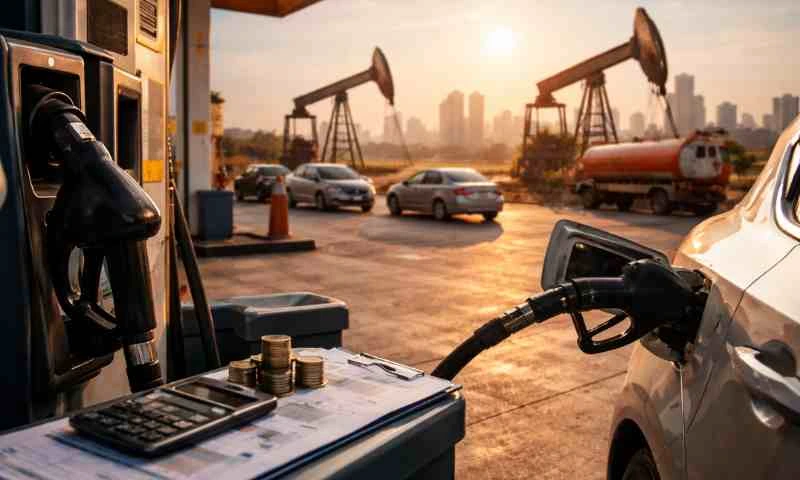
Oil Prices Fall on Ceasefire Hopes in Middle East, Offering Relief to Global Markets
Global oil prices dropped sharply after growing optimism over a possible ceasefire in the Middle East eased fears of supply disruptions, offering potential relief to economies and consumers worldwide. Oil Prices Drop on Peace Signals Oil markets reacted strongly after reports suggested that the United States had proposed a ceasefire plan to Iran, raising hopes of de-escalation in the region. Brent crude fell below the $100 mark, while US West Texas Intermediate also saw a significant decline. The drop followed weeks of volatility triggered by the conflict, which had disrupted supply routes, particularly through the Strait of Hormuz, a key passage for about 20 percent of global oil trade. Earlier, oil prices had surged above $120 per barrel amid fears of prolonged supply shortages and attacks on energy infrastructure. Why Markets Reacted So Quickly Analysts say oil prices are highly sensitive to geopolitical developments, especially in the Middle East, which plays a central role in global energy supply. The possibility of a ceasefire suggests that shipping lanes could reopen and production disruptions may ease. This prompted traders to sell positions, leading to a sharp fall in prices. However, experts caution that the situation remains fragile. Any escalation or renewed attacks could quickly reverse the trend and push prices higher again. Impact on Global Economy The recent conflict had already caused a severe energy shock, removing millions of barrels of oil from global markets and driving up costs for fuel, transport, and manufacturing. Countries heavily dependent on imported oil, particularly in Asia, have been among the hardest hit, facing rising inflation and economic pressure. The latest price drop could help stabilise markets and ease inflation concerns, especially if ceasefire talks lead to a lasting resolution. What It Means for the Average Person For everyday consumers, falling oil prices can translate into lower petrol and diesel prices, although the impact is often delayed depending on government policies and taxes. In Pakistan and similar economies, even a $5 to $10 drop in global oil prices can reduce fuel costs by several rupees per litre, easing pressure on household budgets. Lower fuel prices also reduce transportation costs, which can bring down the prices of essential goods such as food and services. Delivery charges, public transport fares, and electricity costs may also stabilise over time. However, economists warn that if the geopolitical situation remains unstable, any relief could be temporary. Continued Uncertainty in Energy Markets Despite the current dip, the global oil market remains highly volatile. The Middle East conflict has already damaged key energy infrastructure and disrupted supply chains, with long-term impacts still unfolding. Analysts say sustained peace is necessary to ensure stable prices. Without it, oil markets could continue to fluctuate sharply, affecting both economies and consumers worldwide.
