

As the Pakistan Super League returns for its 11th season, Jazz has emerged as one of the most prominent brands in the tournament through its integrated digital ecosystem, operating under JazzWorld. With partnerships spanning five out of eight teams, the company has established an unprecedented presence across PSL 11. Expanding Influence Across Teams and Platforms JazzWorld’s involvement combines its core services including connectivity, fintech, and digital entertainment. The company is leveraging its position as the official 5G speed partner to enhance real-time fan experiences across stadiums and digital platforms. Its fintech arm, JazzCash, has taken a major step by becoming the title sponsor of PSL’s newest franchise, Pindiz. This partnership is expected to boost fan engagement while supporting the identity of the new team in its debut season. At the same time, Tamasha continues to expand its reach as the official digital streaming partner, providing nationwide access to PSL matches. The platform has become a key player in Pakistan’s digital entertainment space, especially as more viewers shift toward mobile streaming. Enhancing Fan Engagement Through Technology JazzWorld’s strategy goes beyond branding, focusing heavily on interactive fan experiences. Through FanPulse, an engagement feature hosted on the Jazz website, fans can participate in live trivia during matches. The fastest participants win prizes, adding a competitive digital layer to the viewing experience. Industry analysts note that such integrations are becoming increasingly important as sports consumption shifts toward second-screen engagement, where fans interact with content in real time while watching matches. Leadership Perspective on PSL 11 Strategy Aamir Ibrahim, CEO JazzWorld, highlighted the company’s integrated approach. “This PSL, JazzWorld is bringing together our leading digital platforms to elevate how Pakistan experiences cricket. As the official 5G speed partner, Jazz is enabling seamless streaming and 5G-ready connectivity; through JazzCash, we are deepening fan engagement as title sponsor of PSL’s newest team, Pindiz; and through Tamasha, we are bringing the excitement of the tournament to millions with accessible, flexible viewing experiences. Together, these efforts reflect our purpose of delivering a Better Life for All by using technology to connect, empower, and entertain communities across Pakistan.” Kazim Mujtaba, President Jazz GSM, added, “Our strong presence across PSL 11 reflects Jazz’s deep connection with fans and our commitment to enhancing their experience during the country’s biggest cricketing moments. By enabling smooth streaming, real-time engagement, and reliable connectivity, we are helping bring millions of fans closer to the action and making the tournament more immersive nationwide.” Murtaza Ali, CEO JazzCash, said, “We are pleased to partner with Pindiz as their Title Sponsor at a time when the team is establishing a new identity in the Pakistan Super League. At JazzCash, our focus is on enabling shared, everyday experiences through secure and accessible digital financial services.” Redefining Brand Participation in PSL PSL has evolved into one of Pakistan’s largest sporting and commercial platforms, attracting millions of viewers both locally and internationally. With increasing competition among brands, digital ecosystems like JazzWorld are setting new benchmarks for engagement. Experts believe that combining connectivity, financial services, and entertainment into a unified experience represents the future of sports marketing in Pakistan.
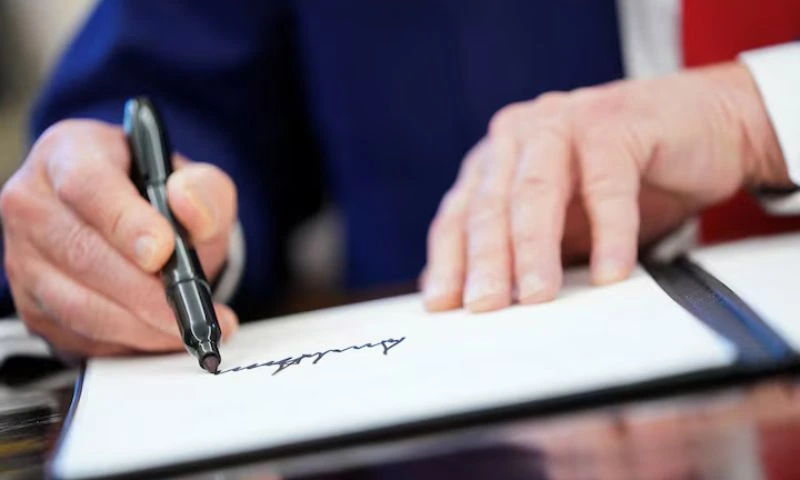
Trump’s Signature Set to Appear on US Dollar Bills in Historic First
The United States is set to make a historic shift in its currency design, as President Donald Trump’s signature will appear on newly printed dollar bills, marking the first time a sitting president’s name will feature on American paper money. The announcement by the US Treasury Department signals the end of a 165-year tradition in which US currency has carried the signatures of the Treasury Secretary and the US Treasurer. Historic Change to US Currency Under the new plan, the first redesigned $100 bills bearing Trump’s signature and that of Treasury Secretary Scott Bessent will be printed in June 2026. Other denominations will follow in the months ahead, with the updated notes expected to enter circulation gradually through banks. The move will remove the signature of the US Treasurer from currency for the first time since 1861, when the US government first issued paper money. Lynn Malerba, the most recent treasurer, will be the last in a long line of officials whose signatures have appeared on American bills. Officials confirmed that while the signature will change, the overall design of the currency will remain largely the same. Linked to America’s 250th Anniversary The redesign is part of broader efforts to mark the 250th anniversary of US independence in 2026. Treasury officials say the inclusion of the president’s signature reflects what they describe as a period of strong economic growth and financial stability during Trump’s second term. In a statement, Bessent said, “There is no more powerful way to recognize the historic achievements of our great country and President Donald J. Trump than US dollar bills bearing his name.” The initiative is also aligned with other commemorative projects, including plans for a gold coin featuring Trump’s image, although proposals for a circulating $1 coin have faced legal hurdles due to restrictions on depicting living individuals. Continuity and Legal Framework Despite the change, existing currency bearing the signatures of previous officials, including former Treasury Secretary Janet Yellen, will continue to be produced and circulated alongside the new notes. US law gives the Treasury Department broad authority to modify currency designs to improve security and prevent counterfeiting. However, certain elements must remain unchanged, including national mottos and the use of historical figures on banknotes. Experts note that while the change does not alter the physical design of US currency significantly, it represents a symbolic shift in how national identity and leadership are reflected on money. A Broader Push to Shape Legacy The move is seen as part of a wider effort by the Trump administration to leave a lasting imprint on national symbols, institutions, and commemorative items. From proposed coins to branding initiatives, the decision to place the president’s signature on currency underscores a focus on legacy-building ahead of a major milestone in US history. As the new bills begin circulating later this year, the change is expected to spark both public interest and debate over tradition, symbolism, and the evolving identity of US currency.

Wired Headphones Make a Comeback as Health Concerns and Sound Quality Debate Grow
Wired headphones are making a strong comeback as users rethink the long-term impact of wireless technology, with growing concerns about sound quality, device lifespan, and even potential health risks linked to prolonged Bluetooth use. After years of dominance by wireless earbuds, a noticeable shift is emerging among consumers, audiophiles, and even celebrities who are returning to traditional wired audio for a more reliable and safer listening experience. Better Sound Without Compromise One of the main reasons behind this shift is sound quality. Wired headphones transmit audio signals directly through cables, avoiding the compression required in Bluetooth streaming. This allows for clearer, more detailed sound reproduction, especially noticeable in music with rich layers and high fidelity. Experts note that wired connections eliminate issues like latency, signal drops, and pairing problems. Users also do not need to worry about battery life, making wired headphones more dependable for long listening sessions. A growing number of users believe that simplicity is key. As one user explained, “With a wire, you just plug in and it works,” highlighting the ease and reliability that wired devices offer. Health Concerns Spark Debate Another factor driving the comeback is rising awareness of potential health concerns associated with prolonged exposure to Bluetooth radiation. While scientific consensus remains mixed, some users are choosing to limit their exposure as a precaution. Wireless earbuds sit inside the ear canal and emit low-level radiofrequency signals, which has led to ongoing discussions among researchers and health advocates. Although major health organisations have not confirmed serious risks, the uncertainty has prompted a segment of consumers to switch back to wired alternatives. This trend is particularly visible among parents, professionals, and health-conscious users who prefer minimal exposure to wireless signals during daily use. Celebrities and Influencers Lead the Shift The move toward wired headphones is also being amplified by celebrities and influencers who have started promoting wired audio as both a style statement and a conscious choice. Several high-profile figures in music and entertainment have been spotted using wired headphones in public, citing better sound clarity and concerns about constant wireless exposure. This has helped reposition wired headphones as both functional and fashionable. The trend has also gained traction on social media, where users are showcasing wired setups as part of a “digital detox” lifestyle that prioritises focus and reduced screen dependency. Convenience Still Favors Bluetooth Despite the renewed interest in wired devices, Bluetooth headphones continue to dominate due to convenience. Wireless earbuds allow freedom of movement and are packed with features like noise cancellation and voice assistants. However, they often come with shorter lifespans due to battery degradation and are typically more expensive to maintain or replace. A Shift in Consumer Priorities The growing return to wired headphones reflects a broader shift in consumer mindset. People are becoming more conscious about technology use, balancing convenience with quality, cost, and health considerations. While wireless audio remains popular, wired headphones are proving that older technology still has a place in a modern, connected world.

‘Mr Nobody Against Putin’ Blocked in Russia After Oscar Win
A Russian court has banned the Oscar-winning documentary ‘Mr Nobody Against Putin’, intensifying concerns over censorship and freedom of expression in the country amid ongoing tensions linked to the war in Ukraine. The film, which recently won the Academy Award for Best Documentary Feature, tells the story of a Russian schoolteacher who secretly documented how state propaganda was introduced into classrooms following the invasion of Ukraine. Court Orders Ban Over ‘Extremism’ Claims Authorities in Russia ruled that the documentary could not be distributed or streamed, citing allegations that it promotes extremism and presents a negative portrayal of the government and its military actions. Prosecutors argued that the film “propagates extremism and terrorism” and conveys a “negative attitude toward the special military operation and the current government.” The ruling also raised concerns about certain symbols featured in the film, including the white-blue-white flag, which officials associate with anti-war groups opposing the Kremlin. Story Behind the Film Directed by Danish filmmaker David Borenstein and Russian teacher Pavel Talankin, the documentary follows Talankin’s life in a small industrial town, where he was tasked with filming school activities that supported government messaging. Instead, Talankin used his position to secretly record footage showing how children were exposed to pro-war narratives, militarised education, and ideological messaging. The film was shot over two years and later smuggled out of Russia after Talankin fled the country fearing arrest. His work has been widely praised internationally for shedding light on the realities of life inside Russia during wartime. Global Recognition, Local Backlash The documentary received critical acclaim worldwide, winning awards at major festivals including Sundance and the Academy Awards. During his acceptance speech, Talankin highlighted the impact of war on future generations, saying: “For the sake of our future, and for the sake of all our children, let’s end all wars.” Despite global recognition, the film has faced strong criticism within Russia. Officials and pro-government figures have accused it of spreading anti-state narratives and misrepresenting the country’s education system. Wider Concerns Over Media Freedom The ban reflects broader concerns about tightening control over media and cultural expression in Russia. Since the start of the Ukraine conflict, authorities have introduced strict laws targeting dissent, independent journalism, and criticism of the military. Experts say the move signals continued efforts to control narratives both domestically and internationally, particularly when it comes to sensitive topics such as the war and internal governance.
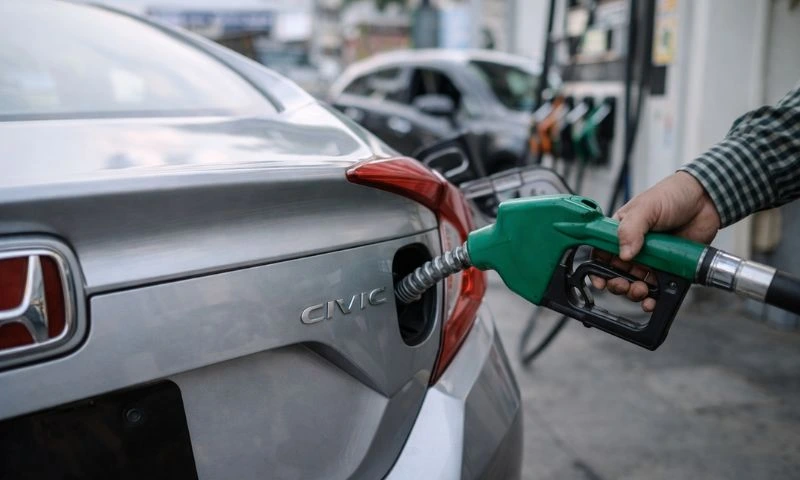
No Need for Hi-Octane? Honda Pakistan Clears the Air
Honda Atlas Pakistan has clarified that its locally assembled vehicles are fully compatible with 91 RON regular petrol, addressing long-standing confusion among car owners over whether expensive high-octane fuel is necessary. The clarification comes at a time when petrol prices, especially high-octane variants, have surged in Pakistan amid global oil market uncertainty. This has led many motorists to question whether premium fuel is essential for their vehicles or simply an added expense. Honda’s Official Position According to company representatives, Honda vehicles are designed to run on 91 RON petrol, a fact already mentioned in official product brochures. “Customers can rely on these brochures as the authoritative source,” officials stated, adding that the fuel recommendation is clearly documented for various models. This aligns with international standards where 91 RON is widely accepted as regular fuel for modern vehicles in several countries. The clarification aims to settle ongoing debates among car owners who have been switching to costly high-octane fuel due to misconceptions about engine performance and safety. What It Means for Honda Owners The announcement brings relief to thousands of Honda users in Pakistan, as it confirms that using standard petrol is both safe and recommended for most models. This includes popular vehicles such as the Honda City, BR-V, and older naturally aspirated Civic variants, which do not require high-octane fuel for normal operation. However, Honda noted that turbocharged engines, such as the Civic RS 1.5L Turbo, may perform better with high-octane fuel, particularly under heavy acceleration or high load conditions. Even in such cases, high-octane is not mandatory but can help reduce engine knocking and improve performance. Experts explain that octane ratings measure a fuel’s ability to resist knocking during combustion, and higher-octane fuels are typically required only for high-compression or performance engines. Rising Fuel Prices Fuel the Debate The timing of Honda’s clarification is significant. With high-octane petrol prices climbing sharply in Pakistan, drivers have been looking for ways to cut fuel costs without compromising engine health. Many consumers had been under the impression that premium fuel was necessary for modern vehicles, often leading to higher monthly fuel expenses. Honda’s stance now reassures users that regular petrol is sufficient for most daily driving needs. Final Takeaway Honda Pakistan’s statement provides much-needed clarity in a market where misinformation about fuel types is widespread. By confirming compatibility with 91 RON petrol, the company has effectively reduced uncertainty for consumers navigating rising fuel costs. While high-octane fuel may still benefit certain engine types under specific conditions, the majority of Honda vehicles in Pakistan can operate efficiently on regular petrol, offering both cost savings and convenience to drivers.
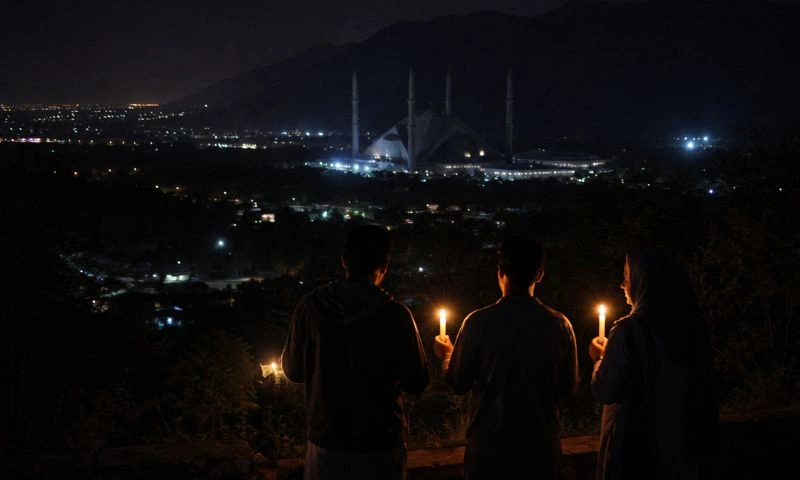
Pakistan to Observe Earth Hour with Nationwide Lights-Off Campaign
Pakistan is set to join the global community in observing Earth Hour, as citizens across the country will switch off non-essential lights from 8:30pm on Saturday in a symbolic show of support for environmental protection and climate action. The annual event, organised worldwide by the World Wide Fund for Nature, encourages individuals, businesses, and governments to take part in a one-hour lights-off campaign aimed at raising awareness about climate change and energy conservation. Nationwide Participation Expected According to officials, major cities across Pakistan are expected to take part in the initiative, with government institutions, public buildings, and private organisations joining hands to mark the occasion. Citizens have also been urged to voluntarily switch off unnecessary lights and electrical appliances during the designated hour. Authorities emphasised that the initiative is not just symbolic but also a reminder of the urgent need to adopt sustainable practices in everyday life. “The purpose of observing Earth Hour is to create awareness among people about environmental protection and energy conservation,” officials said. Earth Hour will be observed from 8:30pm to 9:30pm local time, aligning with the global schedule followed in more than 180 countries. A Global Movement for Climate Action First launched in 2007 in Sydney, Earth Hour has grown into one of the world’s largest grassroots environmental movements. Millions of people across the globe participate each year by turning off lights at homes, offices, and landmarks to highlight the pressing issue of climate change. In Pakistan, the event has been observed regularly, with landmark buildings, including government offices and major infrastructure, switching off lights to show solidarity with the global campaign. Environmental experts warn that Pakistan remains among the countries most vulnerable to climate change, facing challenges such as rising temperatures, water scarcity, floods, and extreme weather events. They stress that public awareness campaigns like Earth Hour play a vital role in encouraging behavioural change. Call for Collective Responsibility Organisers and environmental groups have urged citizens to go beyond just switching off lights and to adopt long-term sustainable habits, such as reducing energy consumption, conserving water, and supporting eco-friendly initiatives. Earth Hour also promotes the concept of “Give an Hour for Earth,” encouraging people to dedicate time to activities that benefit the environment, whether through community action, conservation efforts, or lifestyle changes. As Pakistan prepares to mark the occasion, officials hope the initiative will inspire individuals and institutions alike to play their part in addressing environmental challenges and protecting the planet for future generations.
Senate Panel Approves Bill Allowing NADRA to Block CNICs
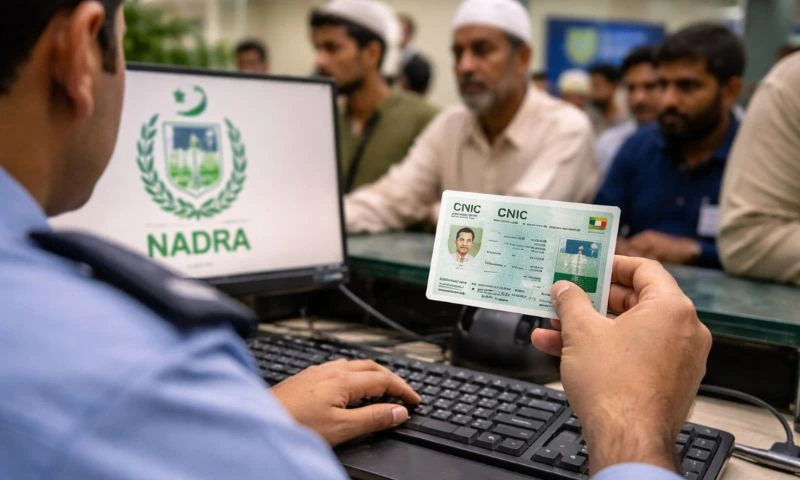
Pakistan’s Senate Standing Committee on Interior has approved a key amendment bill that would grant the National Database and Registration Authority expanded powers, including the authority to block Computerised National Identity Cards (CNICs), triggering debate over citizens’ rights and state oversight. The National Database and Registration Authority (Amendment) Bill, 2026 was passed after detailed deliberations, with officials briefing lawmakers on the need to strengthen identity verification and curb fraud within Pakistan’s digital identity system. Expanded Powers for NADRA Under the proposed amendments, NADRA would be able to block or deactivate CNICs in specific cases, particularly where identity documents are suspected to be fraudulent, illegally obtained, or linked to security concerns. Currently, NADRA maintains the national database but does not independently hold such sweeping authority over active CNICs. Officials told the committee that the move aims to close loopholes in the system and improve national security safeguards. The bill is part of broader reforms to modernise Pakistan’s identity management system, including stronger verification mechanisms and digital upgrades. Pakistan’s CNIC is a critical document used for nearly all aspects of daily life, including banking, voting, travel, and access to public services. This central role has made any changes to its status highly sensitive. Legal and Constitutional Concerns The proposed powers come against the backdrop of a recent ruling by the Supreme Court of Pakistan, which declared CNIC blocking unconstitutional in certain contexts. The court emphasized that a CNIC is “a basic necessity, not a luxury,” warning against arbitrary deprivation of such a fundamental document. Legal experts have raised concerns that granting NADRA independent authority to block CNICs could conflict with constitutional protections unless clear safeguards, oversight mechanisms, and due process are ensured. Push for Stronger Identity Controls The government has defended the move as necessary to combat identity fraud, illegal registrations, and misuse of national identity documents. NADRA has already introduced reforms such as QR-based verification and enhanced authentication systems to strengthen the integrity of identity records. Officials argue that empowering NADRA to act directly in suspicious cases will help prevent criminal exploitation of identity systems and improve overall governance. What Happens Next The bill will now move forward in the legislative process before becoming law. If passed, it could significantly reshape how identity verification and enforcement are handled in Pakistan. However, the debate is likely to intensify, with civil rights advocates calling for strict checks to ensure that citizens are not unfairly deprived of access to essential services tied to their CNIC.
After 5-Day Pause, US President Donald Trump Extends Iran Attack Halt by 10 More Days
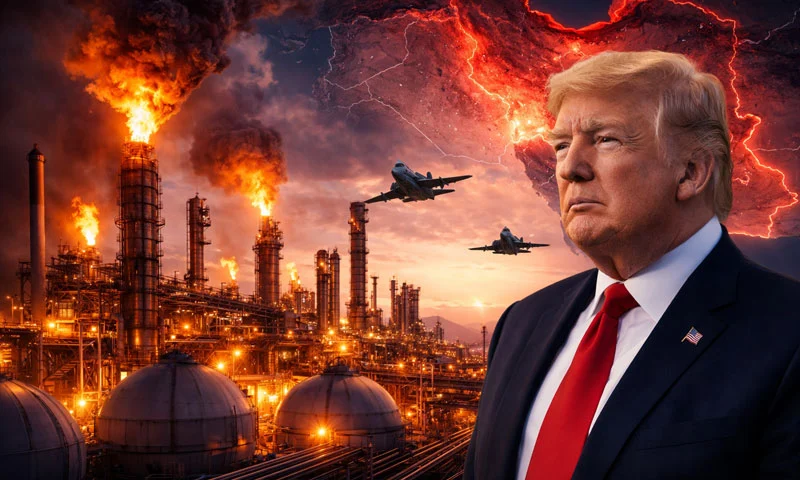
US President Donald Trump has announced a fresh 10-day pause on attacks targeting Iran’s energy infrastructure, just three days after initially ordering a 5-day halt. The move signals a cautious shift toward diplomacy, even as tensions between the two sides remain high. Trump said negotiations are “going very well,” but added that he is not certain whether the United States will ultimately reach a deal with Iran. From 5 Days to 10 Days, A Window for Diplomacy The United States had first paused strikes for five days to allow space for talks. Now, that pause has been extended by another 10 days, giving both sides more time to negotiate and avoid further escalation. Reports indicate that the new deadline will run until April 6, during which diplomatic engagement is expected to intensify. The extension suggests that discussions have shown some progress, or at least that Washington is willing to give diplomacy a longer chance. Mixed Signals on a Possible Deal Despite the extension, Trump’s remarks reflect uncertainty. While he praised ongoing talks, he clearly stated that he does not know if the US is willing to make a deal with Iran. This dual messaging highlights a strategy where military pressure and diplomacy are being used at the same time. Iran, meanwhile, has reportedly raised concerns over certain US conditions, making negotiations more complex. Why Energy Targets Matter Iran’s energy infrastructure has been a central focus of US strategy in the conflict. Strikes on these facilities can disrupt global oil supply, making them a powerful tool in both economic and military terms. The pause in attacks has provided temporary relief to global markets, though uncertainty continues to drive volatility. Oil prices have remained elevated due to fears of supply disruption, especially around the Strait of Hormuz, a key global shipping route. Global Mediation Efforts Underway Several countries are actively working to mediate between Washington and Tehran. These diplomatic efforts aim to reduce tensions and prevent a wider regional conflict. However, major differences remain, particularly over Iran’s nuclear program and its regional influence. A Critical Moment for the Conflict The additional 10-day pause creates a narrow but important window for diplomacy. Trump has warned that if talks fail, attacks on Iran’s energy facilities could resume. For now, the situation remains fragile, with both sides balancing negotiation and confrontation. The coming days are likely to determine whether this pause leads to a breakthrough or a renewed escalation.
