


An unusual case from China has gone viral after an 84-year-old woman developed a deep emotional attachment to an artificial intelligence generated character known as a “bossy president.” Zhang Yulan, a resident of Hubei province, spent long hours watching videos of the virtual figure and gradually began to treat him as a real-life companion. The story has sparked global discussion about the emotional impact of AI and its growing role in people’s lives. From Entertainment to Emotional Attachment The AI character, named Jianguo, belongs to a popular Chinese romance archetype known as “ba zong,” which portrays a dominant yet caring male figure. Over time, Zhang became deeply attached to the digital personality. She reportedly spent more than 10 hours a day watching his videos and similar AI-generated content. What started as casual viewing slowly turned into an emotional relationship, with Zhang even considering marriage to the virtual character. Handwritten Love Letters and Emotional Confession Her attachment went beyond watching videos. In February, Zhang wrote a handwritten love letter to Jianguo, expressing emotional distress after what she believed was a conflict. In the letter, she apologised for “hurting” him and questioned whether he still cared about her. She also wrote about communication issues, saying that she valued mutual understanding in their “relationship.” Her words reflected how real the connection had become for her. Family Discovers Financial Spending Zhang’s family became aware of the situation after noticing unusual spending patterns. Reports show that she spent more than 7,000 yuan, around $1,000, on products linked to the AI character’s online shop. She also paid inflated prices for items that were significantly cheaper on other platforms. When she spent an additional 1,200 yuan on books recommended by the AI persona, her granddaughter reported the issue to authorities. Authorities Step In Chinese authorities had already taken action against the AI account as part of a broader campaign to regulate online content and prevent misuse. However, similar digital profiles continue to appear, raising concerns about regulation and consumer protection. Experts Warn of AI Risks Experts say the case highlights the emotional vulnerability of elderly individuals, especially those experiencing loneliness. Professor Chen Xu noted that such incidents reflect the need for companionship and respect among older populations. Online observers have also warned that AI can be used as a tool for exploitation. One user commented, “AI has become a handy tool for scammers.” A Growing Global Concern The incident has raised broader questions about the role of artificial intelligence in human relationships. As AI-generated characters become more realistic and interactive, experts warn that emotional dependence could increase, especially among vulnerable groups. Families are being urged to stay involved in the lives of elderly relatives to help protect them from similar situations.
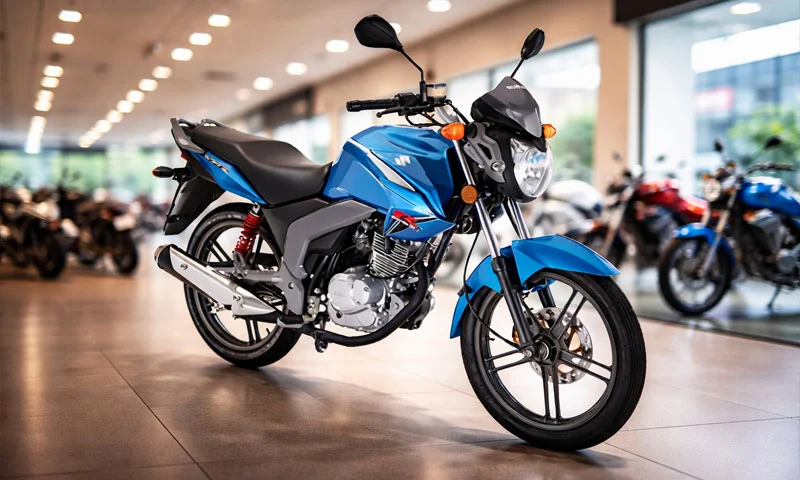
GSX 125 Now Easier to Buy with Suzuki’s 0% Markup Deal
Suzuki has introduced a 0% markup financing plan for its GSX 125 motorcycle in Pakistan, aiming to make bike ownership easier amid rising costs. The move comes at a time when high interest rates and increasing upfront prices have made it difficult for many buyers to purchase new motorcycles. Under this plan, customers can buy the GSX 125 without paying any additional interest, making it one of the few interest-free bike financing offers currently available in the market. Key Details of the 0% Markup Plan The financing package includes several attractive features for buyers looking for affordable installments. According to details, the bike is priced at around Rs504,900, with a 25 percent down payment required. Customers can then pay the remaining amount over a 24-month period, with monthly installments starting from approximately Rs14,100. Importantly, the total payable amount remains close to the original price of the motorcycle, as no markup is applied under this plan. Additional Costs Buyers Should Consider While the offer removes interest charges, buyers should still account for additional expenses. These may include processing fees, insurance charges and registration costs, which are not part of the base installment plan. Late payment penalties may also apply if installments are not paid on time. Why This Offer Matters The introduction of a 0% markup plan is significant in Pakistan’s current economic environment. Motorcycles remain the most common mode of transport for millions of people, especially for daily commuting. Rising inflation and fuel costs have made affordability a key concern. Experts say such financing options can help boost sales while making it easier for middle-income buyers to own reliable transport. Growing Trend of Interest-Free Financing Suzuki’s move reflects a broader trend in Pakistan’s auto sector, where companies are offering flexible financing to attract customers. Other manufacturers and banks have also introduced similar installment plans to support buyers struggling with high upfront costs. These initiatives aim to keep demand stable in a challenging economic climate. GSX 125 Remains a Popular Choice The GSX 125 is known for its reliable 125cc engine, fuel efficiency and suitability for daily use in Pakistan. It remains one of the premium options in the 125cc category, offering better features compared to traditional commuter bikes. A Timely Opportunity for Buyers For potential buyers who were delaying their purchase due to high interest rates, this offer presents a timely opportunity. However, experts advise consumers to carefully calculate total costs, including additional fees, before committing to the plan.
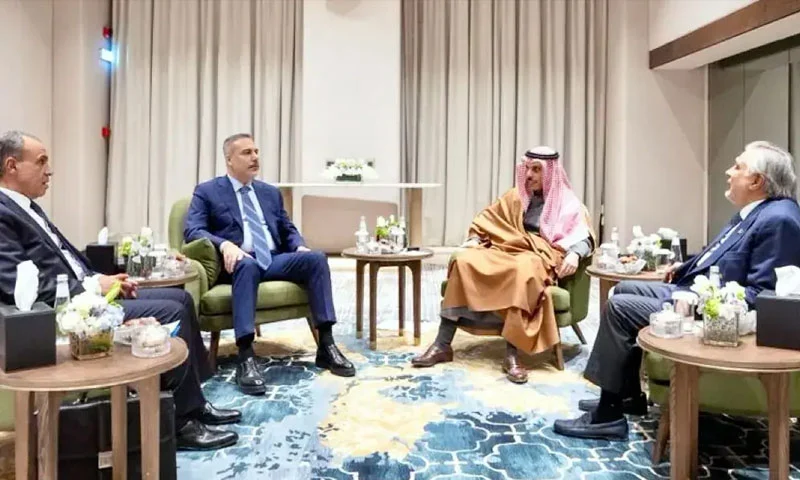
Pakistan Steps Into Global Spotlight as Saudi, Turkish, Egyptian FMs to arrive in Islamabad for Urgent Peace Talks
Foreign ministers from Saudi Arabia, Türkiye and Egypt are set to arrive in Islamabad for crucial talks aimed at de-escalating tensions in the Middle East amid the ongoing US-Israel conflict with Iran. The visit, scheduled for March 29 to 30, comes at the invitation of Pakistan’s Deputy Prime Minister and Foreign Minister Ishaq Dar. Officials said the leaders will hold “in-depth discussions on a range of issues, including efforts to de-escalate tensions in the region.” Pakistan Emerges as Key Mediator Pakistan is increasingly positioning itself as a key diplomatic bridge between global and regional powers in the ongoing crisis. According to officials, Islamabad has already conveyed proposals between the United States and Iran and has offered to host formal negotiations between the two sides. Recent reports suggest that Iran has indicated willingness to consider talks in Pakistan or Türkiye, highlighting Islamabad’s growing role in mediation efforts. Focus on De-Escalation and Ceasefire Efforts The visiting foreign ministers will meet Pakistani leadership, including Prime Minister Shehbaz Sharif, to discuss ways to reduce tensions and move toward a ceasefire. Türkiye’s Foreign Minister Hakan Fidan said the meeting aims to create a mechanism for de-escalation and assess the direction of ongoing negotiations. He stated, “We would discuss where the negotiations in this war are heading and what can be done.” Regional Powers Step Up Diplomatic Efforts Saudi Arabia, Türkiye and Egypt have been actively involved in diplomatic efforts to ease tensions between Washington and Tehran. These countries share concerns about disruptions to global energy supplies and key trade routes, especially as the conflict impacts the wider region. Pakistan has also engaged with several international stakeholders, including China and Gulf nations, to coordinate efforts aimed at stabilising the situation. War Impact Driving Urgent Talks The diplomatic push comes as the Middle East conflict continues to affect global markets and regional security. Oil prices have surged, and fears remain over potential disruptions to shipping routes such as the Strait of Hormuz. Regional powers are now seeking urgent solutions to prevent further escalation and economic fallout. A Critical Opportunity for Diplomacy The Islamabad talks are being seen as a significant opportunity to advance peace efforts. With multiple countries involved and backchannel communication already underway, the meeting could pave the way for broader negotiations between the United States and Iran. However, major challenges remain, including differences over Iran’s nuclear programme and regional influence. Strengthening Regional Cooperation Officials say the visit will also strengthen cooperation between Pakistan and the three countries across multiple areas of mutual interest. The talks highlight growing coordination among regional powers to address shared security and economic concerns.

Hamza Ali Abbasi Distances Himself from Sister Fazeela Abbasi’s Money Laundering Case
Pakistani actor Hamza Ali Abbasi has strongly denied any connection to an ongoing money laundering investigation involving his sister, Dr Fazeela Abbasi. The statement came after reports emerged that the Federal Investigation Agency had registered cases against his sister, leading to speculation about his possible involvement. Hamza Ali Abbasi clarified that he has no link to the case and urged the public not to associate him with the investigation. FIA Case Against Sister The FIA has registered cases against Dr Fazeela Abbasi on charges related to alleged money laundering and operating an unregistered clinic. According to officials, investigators have identified multiple bank accounts linked to the accused, with transactions amounting to around Rs25 billion. Authorities also suspect that funds were transferred abroad through informal channels such as hawala and hundi. The investigation is ongoing, and officials say further legal proceedings will follow as evidence is examined. View this post on Instagram A post shared by Hamza Ali Abbasi (@realhamzaaliabbasi) Abbasi Distances Himself from Allegations Hamza Ali Abbasi made it clear that he is not involved in any financial dealings linked to the case. He emphasised that legal responsibility rests solely with the individual under investigation and that he should not be connected to the matter. His statement aims to address growing speculation on social media, where his name was being linked to the case. Legal Developments Continue The case has seen significant developments in recent days. Reports indicate that an Islamabad court has canceled interim bail granted to Dr Fazeela Abbasi, marking a key step in the investigation. Officials say the financial trail is still under review, and no final conclusions have been reached regarding the source of funds. Broader Context of Money Laundering Cases Money laundering remains a major concern for financial authorities in Pakistan. The practice involves disguising the origin of illegal funds and often uses informal systems such as hawala to move money across borders. Authorities have stepped up enforcement in recent years, with several high-profile cases investigated under anti-money laundering laws. Focus on Due Process Experts stress that investigations must follow due process and that individuals should not be linked to cases without evidence. Hamza Ali Abbasi’s statement reflects this principle, as he distances himself from allegations while the legal process continues.
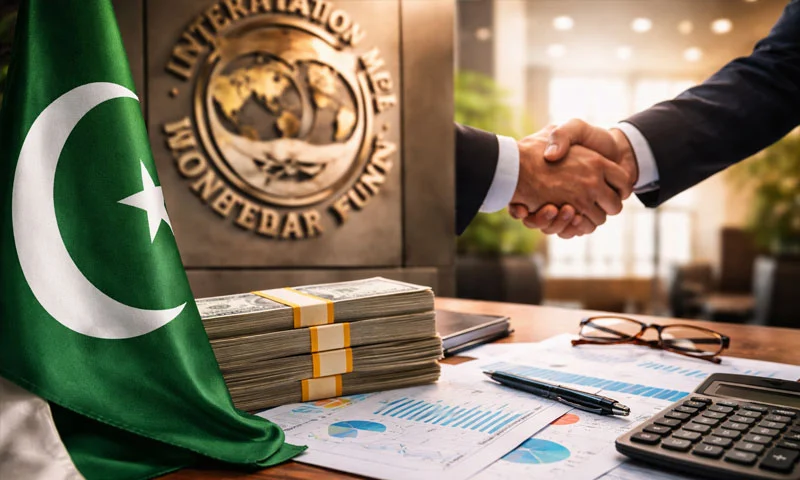
Pakistan Secures $1.2 Billion IMF Boost After Key Agreement
Pakistan and the International Monetary Fund have reached a staff-level agreement that will unlock about $1.2 billion in fresh funding, subject to approval by the IMF Executive Board. The agreement comes under Pakistan’s ongoing $7 billion loan programme, providing critical financial support as the country continues efforts to stabilise its economy. According to the IMF, Pakistan will gain access to around $1 billion under the Extended Fund Facility and about $210 million under the Resilience and Sustainability Facility. This will bring total disbursements under the programme to approximately $4.5 billion. IMF Praises Economic Stability and Reforms The IMF noted that Pakistan’s economic programme remains broadly on track and aligned with key reform objectives. It highlighted improvements in inflation control, external account balance and strengthening foreign exchange reserves. In its statement, the IMF said that ongoing policies have helped rebuild market confidence and support economic recovery. Economic activity has shown signs of momentum, particularly in the first half of the current fiscal year. Focus on Fiscal Discipline and Structural Reforms The agreement also emphasises the need for continued fiscal discipline and structural reforms. Pakistan has committed to strengthening public finances, improving the energy sector and expanding social protection programmes. Authorities are also working to deepen reforms aimed at long-term growth and economic resilience. The IMF stressed the importance of maintaining a tight and data-driven monetary policy to keep inflation under control. Climate Financing and Reform Agenda A key component of the agreement includes support under the Resilience and Sustainability Facility, which focuses on climate-related reforms. The IMF noted that Pakistan’s climate reform agenda is progressing and aims to reduce vulnerabilities linked to environmental risks. These reforms are seen as essential for long-term economic sustainability. Risks Remain Amid Global Uncertainty Despite progress, the IMF warned that external risks remain significant. The ongoing Middle East conflict has created uncertainty, with rising global energy prices posing a threat to inflation and economic stability. Pakistan’s import-dependent economy remains vulnerable to such global shocks. A Critical Step Forward The staff-level agreement marks a key milestone in Pakistan’s engagement with the IMF. Once approved by the IMF Board, the tranche will provide much-needed financial relief and strengthen investor confidence. However, continued reform efforts and prudent economic management will remain essential for sustaining stability.

Sri Lankan Court Sentences Man to 21 Days for Hoarding 4 Litres of Petrol
Sri Lanka has jailed a 48-year-old man for three weeks after he admitted to hoarding just four litres of petrol during a severe nationwide fuel shortage. The case was heard by a magistrate in Nikaweratiya, about 125 kilometres from the capital Colombo, where the court also imposed a fine of 1,500 Sri Lankan rupees, around $5. Authorities said the man initially claimed the petrol was for his lawnmower, but he was later charged with hoarding fuel and attempting to sell it on the black market. Strict Fuel Rationing in Place Sri Lanka is currently facing strict fuel controls as supplies tighten. Motorists are only allowed to purchase fuel on alternate days under a rationing system designed to manage limited resources. Officials say diesel stocks may last until mid-May, while petrol supplies could run out about a week later if conditions do not improve. The arrest highlights how seriously authorities are treating fuel violations during the crisis. Middle East War Driving Fuel Shortage The shortage has been triggered by global supply disruptions linked to the ongoing conflict involving the United States, Israel and Iran. Fuel prices in Sri Lanka have risen by nearly one-third since the conflict escalated, putting additional pressure on the country’s already fragile economy. The island nation, which relies heavily on fuel imports, has struggled to cope with rising costs and supply uncertainty. Govt Seeks External Support Sri Lankan President Anura Kumara Dissanayake has held discussions with Russian officials to secure additional oil supplies. According to officials, Russia has expressed willingness to assist Sri Lanka in dealing with the energy crisis. A statement quoted a visiting Russian minister as saying that Russia is ready to support Sri Lanka in facing challenges caused by the Middle East conflict. Tough Measures Reflect Deepening Crisis Sri Lanka has faced fuel shortages before, particularly during its 2022 economic crisis, when long queues formed outside petrol stations and daily life was severely disrupted. The latest developments show that the country is once again under pressure as global energy markets remain unstable. Authorities say strict enforcement, including jail terms, is necessary to prevent black market activity and ensure fair distribution of fuel. A Warning for Hoarders The case sends a strong message that even small amounts of hoarded fuel can lead to legal action during times of national crisis. With supplies limited and demand high, officials are focusing on strict enforcement to maintain order and avoid panic buying.

Bank Alfalah Moves to Sell Bangladesh Business for $47.5 Million
Bank Alfalah Limited has decided to sell its Bangladesh operations for $47.5 million as part of a strategic move to streamline its international presence. The bank’s shareholders approved the transaction, which involves selling its operations to Bank Asia Limited, a Dhaka-based private sector bank. Regulatory Approvals Still Required The deal remains subject to approvals from key regulators, including the State Bank of Pakistan and the central bank of Bangladesh. Officials said the transaction will only be completed after fulfilling all legal and procedural requirements and signing final agreements. A Memorandum of Understanding and term sheet had already been signed earlier as part of the process. Part of a Broader Strategy The sale reflects a broader effort by Bank Alfalah to focus on core markets and improve operational efficiency. The bank has maintained an international footprint across regions such as the UAE, Bahrain and Afghanistan, but has been reviewing its overseas operations in recent years. Analysts say the move could help the bank reallocate capital toward domestic growth and digital banking initiatives. Previous Attempts to Sell Operations Bank Alfalah had been trying to exit the Bangladesh market for some time. Earlier, Sri Lanka’s Hatton National Bank had shown interest in acquiring the unit but later decided not to proceed with the deal. The latest agreement with Bank Asia now appears to have moved the process forward. Banking Sector Context The deal comes at a time when Pakistani banks are reassessing their global operations due to economic pressures and changing regulatory environments. Rising costs, currency challenges and regional market dynamics have pushed banks to prioritise profitability and efficiency. Experts believe that such divestments are becoming more common as financial institutions focus on strengthening their balance sheets. What This Means for Customers For customers in Bangladesh, the transition is expected to be smooth, subject to regulatory approvals. Operations will likely continue under the new ownership, ensuring minimal disruption to banking services. A Shift Toward Focused Growth The sale highlights a shift in strategy for Bank Alfalah as it moves toward a more focused and efficient business model. By exiting smaller international markets, the bank aims to strengthen its position in key regions and adapt to evolving financial conditions.
