

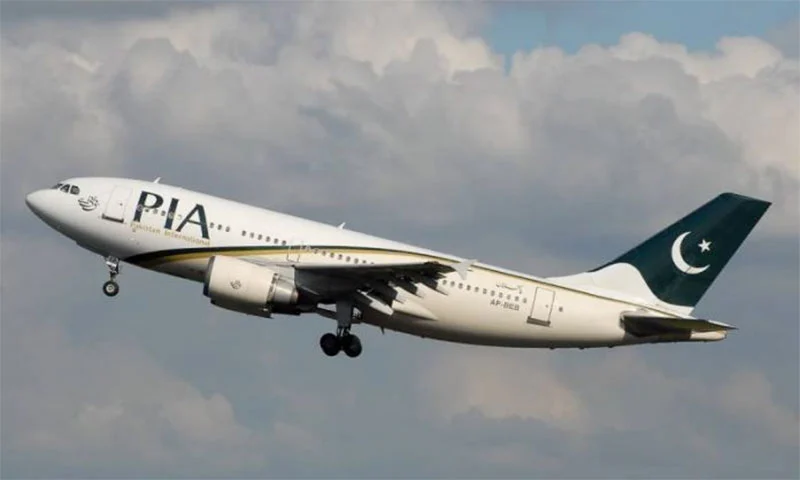
Pakistan International Airlines has officially resumed its direct Islamabad to London service after a six-year suspension, marking a major milestone for the country’s aviation sector and reconnecting a vital international route. The inaugural flight, PK-785, departed from Islamabad carrying 325 passengers, signaling renewed operational confidence and a step toward restoring the airline’s global footprint. Ceremonial Launch Marks Historic Return A formal yet modest ceremony was held at Islamabad International Airport before the departure of the flight. The event was attended by Defence Secretary Lieutenant General retired Muhammad Ali, British High Commissioner Jane Marriott, and senior aviation officials. A cake-cutting ceremony marked the occasion, while passengers participated in a raffle draw, with one traveler winning a 660cc car. Several other passengers also received gifts, adding a celebratory tone to the relaunch of the route. Commemorative shields were presented to distinguished guests by the airline’s leadership, highlighting the significance of restoring one of PIA’s oldest international connections. The wait is over — our historic flight from #Islamabad to #London is taking off! A new chapter unfolds, connecting two vibrant cities and bringing unforgettable journeys closer than ever. pic.twitter.com/77lIDFxeUX— PIA (@Official_PIA) March 29, 2026 Strengthening Pakistan-UK Ties Addressing the ceremony, the defence secretary emphasized the importance of the restored service, saying it would enhance connectivity between Pakistan and the United Kingdom. Officials noted that the move would benefit more than 1.6 million Pakistanis living in the UK, offering a direct travel option that reduces travel time and improves convenience. The British High Commissioner also congratulated PIA on the resumption of flights, calling it a positive step for bilateral ties and people-to-people connections. Expansion Plans and Flight Schedule PIA has announced an initial schedule of four weekly flights between Pakistan and London, including three from Islamabad and one from Lahore. Flights from Lahore are set to begin from March 30. The airline plans to gradually increase frequency based on demand and operational capacity. Before the suspension in 2020, PIA operated up to 10 weekly flights on the UK route, making it one of its most profitable international corridors. The resumption of services is expected to help the airline regain market share in a highly competitive route dominated by Middle Eastern and European carriers. A Route with Historic Significance London holds special importance for PIA as it was among the airline’s first international destinations, with a legacy spanning more than 70 years. The suspension of flights in 2020, triggered by operational and regulatory challenges alongside global travel disruptions, dealt a significant blow to the airline’s revenues and international reputation. Industry analysts say the revival of the London route signals improved regulatory compliance and operational readiness, following reforms and restructuring efforts in recent years. Outlook for the Airline The resumption is seen as a key step in PIA’s broader strategy to rebuild its international network and restore confidence among passengers. With strong demand expected from both business and diaspora travelers, the airline hopes to leverage the direct route to boost revenue and strengthen its position in global aviation markets. As PK-785 made its way to London, it marked not just the return of a flight, but a renewed attempt by Pakistan’s national carrier to reclaim its standing in international skies.
12 Tonnes of KitKat Stolen in Europe in Massive Chocolate Heist
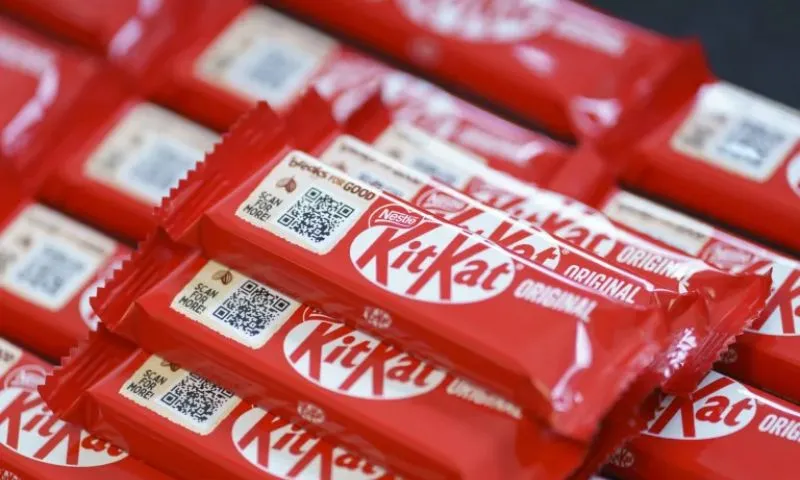
A massive shipment of KitKat chocolate bars has been stolen in Europe, in what is being described as one of the most unusual cargo thefts in recent years. The incident has raised fresh concerns about the growing threat of organised freight crime across the continent. Swiss food giant Nestlé confirmed that around 12 tonnes of KitKat bars, equivalent to more than 413,000 individual chocolate units, disappeared during transit last week. Truck Vanishes During Transit According to company officials, the truck carrying the chocolates had departed from a production facility in central Italy and was en route to Poland for distribution across European markets. However, the vehicle never reached its destination, and both the truck and its contents remain missing. Nestlé did not disclose the exact location where the shipment went missing, but confirmed that investigations are ongoing in collaboration with law enforcement agencies and supply chain partners. The stolen consignment was part of a new range of KitKat products, adding to the financial impact of the loss and increasing concerns over potential disruptions in supply chains. Company Responds to Theft In a statement, KitKat acknowledged the unusual nature of the crime, saying: “Whilst we appreciate the criminals’ exceptional taste, the fact remains that cargo theft is an escalating issue for businesses of all sizes.” The company warned that the stolen products could eventually appear in unofficial markets across Europe. Authorities are now monitoring distribution channels to identify any suspicious sales activity linked to the missing shipment. Tracking the Stolen Chocolate Nestlé has highlighted that each KitKat bar carries a unique batch code, which can be used to trace the stolen goods. Consumers and retailers have been encouraged to scan these codes, which will provide instructions on how to report any matches. “If a match is found, the scanner will be given clear instructions on how to alert KitKat who will then share the evidence appropriately,” the company said. This tracking system is expected to play a key role in identifying the stolen products and assisting investigators in recovering the shipment. Rising Trend of Cargo Theft The incident comes amid a broader rise in cargo theft across Europe, with criminal networks increasingly targeting high-value goods in transit. Industry reports have warned that freight fraud and logistics-related crimes are becoming more sophisticated, posing challenges for businesses and insurers alike. Experts say such thefts often involve organised groups that exploit supply chain vulnerabilities, particularly during cross-border transportation. Potential Market Impact While initial concerns suggested that the theft could lead to shortages ahead of peak demand periods such as Easter, Nestlé later clarified that there is no immediate risk to overall supply levels. However, analysts note that the incident highlights vulnerabilities in global logistics systems and the need for enhanced security measures. As investigations continue, authorities are working to locate the missing truck and prevent the stolen goods from entering legitimate markets.

Punjab Sees Biggest Air Quality Improvement Since COVID-19
Punjab has recorded its first significant improvement in air quality since the COVID-19 lockdowns, offering a rare moment of relief for residents long affected by severe smog and pollution. According to the Environmental Protection Agency and global air monitoring platform IQAir, 2025 emerged as the cleanest year for Punjab’s air quality in recent times. The province witnessed a 33.2 percent reduction in PM2.5 levels, with the average Air Quality Index dropping from 116.6 in 2024 to 77.9 in 2025. Province-Wide Improvement in Air Quality Data released by the EPA shows that most major cities and districts across Punjab experienced a noticeable decline in pollution levels. Lodhran and Mandi Bahauddin recorded reductions exceeding 50 percent, while Bahawalpur saw a 49 percent improvement. Rawalpindi’s pollution dropped by 26 percent and Lahore, often ranked among the world’s most polluted cities, recorded a 13 percent decrease. However, Faisalabad stood out as an exception, with pollution levels rising by 11 percent compared to the previous year. Strict Enforcement Drives Results Officials attributed the improvement largely to aggressive enforcement measures taken throughout the year. Inspections increased significantly, rising from 76,000 in 2024 to over 113,000 in 2025. Authorities also registered more than 2,300 FIRs against polluters and imposed fines totaling Rs192 million. Vehicle emissions were a key focus of the crackdown. In Lahore alone, nearly 298,000 vehicles were inspected, and over 7,600 were penalized for failing emission tests. Experts say road transport remains one of the largest contributors to air pollution in Punjab, making such enforcement measures critical for long-term improvement. Technology and Innovation in Anti-Smog Efforts In addition to enforcement, authorities deployed new technological solutions to combat pollution. Anti-smog guns were used extensively, covering a 47,000-kilometre radius in Lahore to reduce airborne dust. Meanwhile, 67 water bowser units were deployed to prevent crop burning, a major seasonal contributor to smog. More than 2,200 water recycling systems were also installed at industrial and construction sites to control emissions and dust. These initiatives are part of a broader strategy to tackle both urban pollution and agricultural sources of smog. Progress with Challenges Ahead While the improvement marks a significant milestone, experts caution that Punjab still faces a long road to achieving safe air quality levels. Previous data shows that pollution spikes have reduced, but baseline pollution remains high, often exceeding national and international safety standards. Environmental specialists stress that sustained efforts, including stricter industrial regulation, cleaner transportation, and public awareness, are essential to maintain progress. A Step Toward Cleaner Air The EPA report offers a hopeful sign that coordinated action can deliver measurable results in the fight against air pollution. For millions of residents, especially in urban centres like Lahore, the improvement provides not only environmental relief but also potential health benefits, as cleaner air reduces risks associated with respiratory and cardiovascular diseases. If current policies and enforcement continue, Punjab could build on this progress and move closer to achieving cleaner, healthier air in the years ahead.

UK Court Hears Shocking Case of Toddler Starved to Death
A couple has appeared before a London court charged with the murder of their three-year-old daughter, in a case that has shocked the United Kingdom and raised serious concerns about child welfare and neglect. The defendants, Manpreet Jatana, 34, and Jaskirat Singh Opal, 36, appeared at the Old Bailey facing multiple charges, including murder, manslaughter by gross negligence, causing the death of a child, and child cruelty. Allegations of Severe Neglect Prosecutors told the court that the child, Penelope Chandley, died from severe malnutrition after allegedly being subjected to prolonged neglect at the family’s home in Hayes, west London. According to prosecutor Philip McGhee, the case involves “extreme neglect” linked to the parents’ dietary practices, which investigators say were highly restrictive. The court heard that the family’s diet was largely limited to butter, lentils and yoghurt, raising questions about whether the child received adequate nutrition. The girl’s body was discovered at the family home after her mother contacted authorities to report her death. Parents Deny Charges Both defendants, who are of Indian origin, have denied all charges brought against them. In addition to murder, they are also contesting allegations of child cruelty and negligence, with their legal defence expected to challenge the prosecution’s claims about neglect and responsibility. Judge Mark Lucraft ordered that both parents remain in custody ahead of a full trial before a High Court judge. Isolation and Living Conditions Prosecutors also highlighted the family’s circumstances, noting that neither parent was employed at the time of the child’s death. The court was told that the family lived in relative isolation from both relatives and the wider community, a factor investigators believe may have contributed to the child’s condition and the lack of external intervention. Authorities are examining whether warning signs were missed and whether earlier intervention could have prevented the tragedy. Wider Concerns Over Child Protection The case has once again drawn attention to issues surrounding child neglect and safeguarding in the UK. Experts say severe malnutrition cases are rare but often linked to prolonged neglect, isolation, or failure of oversight systems. Child protection agencies across the UK are mandated to intervene in cases where children are at risk, but such tragedies continue to raise questions about detection and response mechanisms. Legal analysts note that convictions in such cases depend heavily on proving intent or gross negligence, making the upcoming trial a critical stage in determining accountability. Trial to Continue The case is expected to proceed in the coming weeks, with further evidence and witness testimony likely to shed more light on the circumstances surrounding the child’s death. As the legal process unfolds, the case has sparked widespread concern and debate about parental responsibility, societal oversight, and the protection of vulnerable children.

Apple’s Future Hinges on AI as It Hits 50-Year Milestone
As Apple Inc. marks its 50th anniversary, the tech giant is confronting what many analysts describe as its most critical challenge yet: proving it can lead in the rapidly evolving field of artificial intelligence. Founded in 1976 by Steve Jobs and Steve Wozniak, Apple revolutionised personal computing, music, and mobile technology with products like the Mac, iPod, and iPhone. Today, the company is valued at over $3.6 trillion and maintains a global influence that few corporations can match. A Legacy of Innovation Under Pressure Over five decades, Apple has built a reputation for delivering culture-shaping innovations that redefine industries. From the rise of smartphones to wearable technology like the Apple Watch, the company has cultivated a loyal global following. However, the emergence of generative AI tools has created a new competitive landscape. Rivals such as Google and Microsoft have moved aggressively into AI-powered services, raising questions about whether Apple can maintain its innovation edge. Industry observers note that Apple’s traditional strategy has focused on refining and integrating technologies rather than being first to market. This approach is now being tested as AI evolves at an unprecedented pace. Apple’s AI Push Gains Momentum Apple has already entered the AI space with its in-house system known as Apple Intelligence, which integrates features such as writing assistance, image editing, and notification summaries across its devices. The company is also reportedly investing heavily in on-device AI processing, aiming to differentiate itself through privacy-focused innovation. Unlike competitors that rely heavily on cloud-based systems, Apple’s strategy emphasises keeping user data secure by processing information directly on devices. Executives believe that AI will enhance existing products rather than replace them. The iPhone, for example, is expected to remain central to Apple’s ecosystem even as AI capabilities expand. Challenges in a Fast-Moving AI Race Despite these efforts, Apple faces mounting pressure. Analysts argue that the company was relatively slow to respond to the generative AI boom sparked by tools like ChatGPT, forcing it to accelerate its development plans. The competition is fierce, with tech giants racing to dominate AI infrastructure, software, and consumer applications. At the same time, Apple is dealing with broader challenges, including regulatory scrutiny, shifting global supply chains, and slowing hardware growth. Some experts believe that Apple’s success in AI will depend on its ability to deliver a seamless user experience rather than simply matching competitors feature for feature. A Defining Moment for the Next 50 Years As Apple enters its sixth decade, the stakes are high. The company must demonstrate that it can once again reshape the tech landscape, this time through artificial intelligence. The transition from hardware-driven innovation to AI-powered ecosystems could define Apple’s future. If successful, it may reinforce its dominance for decades to come. If not, it risks falling behind in one of the most transformative technological shifts in modern history. For a company built on redefining industries, the AI era represents both its greatest opportunity and its toughest test yet.

Adventure Tourists Return to Gilgit-Baltistan Despite Global Tensions
Tourism in Gilgit-Baltistan has shown a strong rebound this year, defying fears of a slowdown caused by the ongoing Middle East conflict that has disrupted global travel patterns and raised security concerns. According to officials, applications from foreign climbers and trekkers seeking permits to explore the region have already surpassed last year’s figures, signaling renewed confidence among international adventure tourists. Surge in Adventure Tourism Authorities confirmed that interest in mountaineering and trekking has increased significantly, with expeditions planned for some of the world’s highest peaks located in Gilgit-Baltistan. The region is home to iconic destinations such as K2, Nanga Parbat, and the Karakoram range, which attract climbers from across the globe. Officials noted that despite geopolitical tensions, foreign tourists continue to view the region as a safe and attractive destination for adventure travel. The increase in permit applications indicates that the summer tourism season is likely to perform better than expected, offering relief to local businesses that rely heavily on tourism. War Impact Still a Concern The rebound comes despite significant disruptions caused by the Middle East war, which has affected international flight routes and tourism flows worldwide. Travel advisories issued by several countries and concerns over regional instability had initially raised fears of a decline in visitor numbers. Earlier reports suggested that tourism operators in the region were bracing for a potential crisis, with many fearing that Western tourists might cancel their trips due to the conflict. Globally, the conflict has led to cancellations and delays, with experts warning that tourist arrivals in affected regions could drop sharply due to uncertainty and safety concerns. Economic Lifeline for the Region Tourism is a critical pillar of Gilgit-Baltistan’s economy, supporting thousands of livelihoods across hospitality, transport, and guiding services. The region has long depended on seasonal tourism, particularly during the summer months when climbers and trekkers arrive in large numbers. In previous years, external shocks such as climate disasters and global conflicts caused steep declines in visitor numbers, severely impacting local communities. The current recovery is therefore being seen as a positive sign for economic stability, especially as local businesses prepare for the peak tourist season. Infrastructure and Accessibility Improvements Officials have also credited improvements in infrastructure and connectivity for the renewed interest in the region. Enhanced road networks, better flight connectivity to Skardu, and increased promotional efforts have made Gilgit-Baltistan more accessible to both domestic and international tourists. The government has been actively working to position the region as a premier adventure tourism destination, highlighting its unique landscapes, glaciers, lakes, and mountain ranges. Outlook for the Season While challenges remain due to ongoing geopolitical tensions, the strong start to the tourism season has raised optimism among stakeholders. Experts believe that if the security situation does not worsen, Gilgit-Baltistan could witness one of its most successful tourism seasons in recent years. The resilience shown by the sector underscores the enduring appeal of the region’s natural beauty and its importance to Pakistan’s tourism economy.
Iran Allows 20 Pakistani Ships Through Hormuz in Major Breakthrough
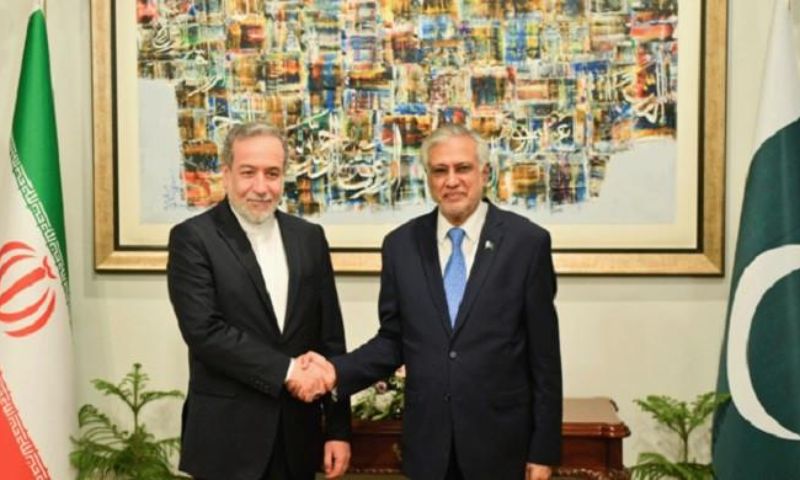
B6Pakistan has received a major boost amid ongoing regional tensions, as Iran has agreed to allow 20 additional Pakistani-flagged ships to pass through the strategically vital Strait of Hormuz, in what officials describe as a positive step toward stability. Deputy Prime Minister and Foreign Minister Ishaq Dar announced the development, saying the arrangement would allow two Pakistani ships to cross the strait daily. “I am pleased to share a great news that the Government of Iran has agreed to allow 20 more ships under the Pakistani flag to pass through the Strait of Hormuz; two ships will cross the Strait daily,” Dar said in a post on X. A ‘Constructive Gesture’ Amid Tensions Dar described Tehran’s move as a significant diplomatic breakthrough at a time when the Strait of Hormuz has become a major flashpoint due to escalating conflict in the region. “This is a welcome and constructive gesture by Iran and deserves appreciation. It is a harbinger of peace and will help usher stability in the region,” he said. He added, “This positive announcement marks a meaningful step toward peace and will strengthen our collective efforts in that direction.” Emphasising the importance of diplomacy, Dar said, “Dialogue, diplomacy, and such confidence-building measures are the only way forward.” Read More: After 5-Day Pause, US President Donald Trump Extends Iran Attack Halt by 10 More Days Strategic Importance of the Strait of Hormuz The Strait of Hormuz is one of the world’s most critical maritime chokepoints, handling nearly 20 percent of global oil trade. The ongoing conflict between Iran, the United States, and Israel has significantly disrupted shipping through the strait, with attacks on vessels and warnings from Iranian forces leading to a sharp drop in maritime traffic. At one point, tanker traffic fell drastically, and hundreds of ships were left stranded or delayed due to safety concerns and rising insurance costs. Relief for Pakistan’s Energy and Trade Routes Pakistan relies heavily on maritime routes through the Gulf for energy imports, with nearly 90 percent of its oil supplies transported via these waters. The disruption had raised fears of fuel shortages and economic pressure, prompting Islamabad to take emergency measures and launch a naval operation to secure shipping routes. The latest agreement with Iran is expected to ease some of these concerns, allowing Pakistani vessels to resume operations under controlled conditions. Read More: PM Shehbaz Sharif offers to host US-Iran talks, Donald Trump re-shares proposal Part of Broader Regional Dynamics The development comes as Iran has selectively allowed ships from friendly or neutral countries to pass through the strait while restricting others amid the conflict. Pakistan has also positioned itself as a diplomatic intermediary in the crisis, engaging with regional and global stakeholders to promote dialogue and de-escalation. Read More: PM Shehbaz Sharif offers to host US-Iran talks, Donald Trump re-shares proposal Analysts say the move signals a cautious easing of tensions and could pave the way for further confidence-building measures in the region.
