


Pakistan fast bowler Naseem Shah has been fined Rs2 crore by the Pakistan Cricket Board for violating multiple clauses of his central contract and breaching the board’s social media guidelines. The decision was announced following disciplinary proceedings conducted by a three-member PCB committee, which reviewed the matter after issuing a show-cause notice to the player on March 27, 2026. PCB Finds Contract Breach After Hearing According to the PCB, Naseem Shah was given an opportunity to respond to the allegations before a personal hearing was held. After evaluating his explanation, the disciplinary committee concluded that he had breached the terms of his central contract. “Whilst noting the unconditional apology tendered, Naseem is found to have breached various clauses of his Central Contract and a fine of PKR 2 crores has been imposed,” the PCB stated. The board also emphasized its commitment to maintaining discipline and professional standards, stating that it will continue to enforce contractual obligations strictly across all players. Social Media Controversy Behind the Case Although the PCB did not officially detail the exact violation in its final statement, the disciplinary action follows a controversy involving a social media post from Naseem’s account. The now-deleted post surfaced during the opening ceremony of the Pakistan Super League 2026 and appeared to question the protocol given to Punjab Chief Minister Maryam Nawaz, referring to her as “queen.” The post quickly went viral before being deleted. A subsequent message from Naseem’s account claimed that the account had been hacked and later recovered. The PCB subsequently issued a show-cause notice, citing violations of the central contract and media policy regulations. Adviser Terminated and Blacklisted In a significant development, the PCB confirmed that Naseem Shah has already terminated his social media adviser following the incident. The board further stated that the adviser will be blacklisted and barred from working with any player under PCB’s jurisdiction in the future. This step highlights the seriousness with which the board is treating compliance with its media and conduct policies. Wider Implications for Player Conduct The incident has sparked debate within cricket circles regarding player conduct, social media responsibility, and the strict enforcement of contracts. Naseem Shah, one of Pakistan’s leading fast bowlers and a key figure in international cricket, has been in the spotlight not only for his performances but also for his growing influence off the field. Experts say the PCB’s action sends a clear message that centrally contracted players must adhere to professional standards both on and off the field, especially in the digital age where social media posts can quickly gain traction. PCB Reaffirms Commitment Reiterating its stance, the PCB said it remains committed to “upholding professional standards, contractual obligations and the integrity of the game.” The board’s firm response is seen as part of a broader effort to maintain discipline and protect the image of Pakistan cricket at both domestic and international levels.
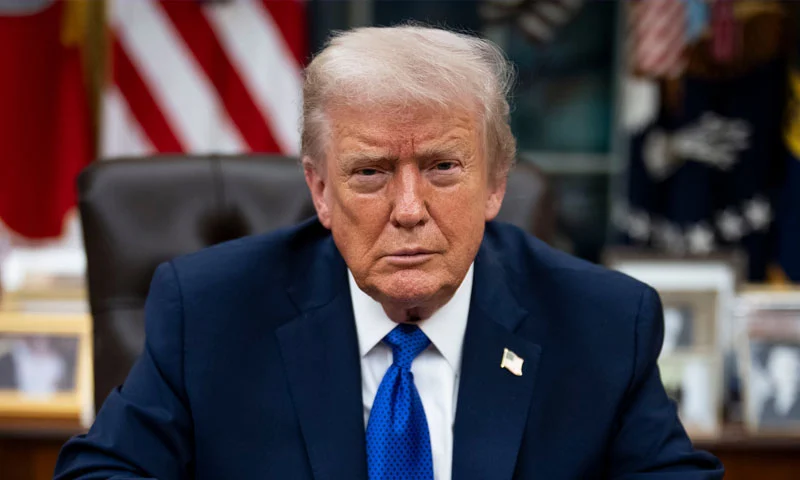
US President Donald Trump Threatens Iran’s Oil and Power Infrastructure if Talks Fail
US President Donald Trump has issued a stark warning to Iran, threatening to destroy key energy infrastructure and desalination plants if ongoing negotiations collapse, escalating tensions in an already volatile Middle East conflict. In a post on Truth Social, Trump signaled both urgency and aggression, making it clear that failure to reach a deal could trigger devastating military action. He wrote that if an agreement is not reached soon, the United States would move to strike Iran’s critical infrastructure, including power plants, oil wells, and potentially water desalination facilities. “We have, really, regime change,” Trump said, adding that leadership in Iran has already shifted significantly. He also emphasized that the US is now dealing with “different people than anybody’s dealt with before.” Direct Threat to Energy and Water Infrastructure Trump’s warning specifically highlighted energy sites as primary targets, including oil facilities and power generation plants, which are central to Iran’s economy and daily life. Reports also indicate that desalination plants, which provide critical drinking water in parts of Iran, could be targeted if talks fail. The president has repeatedly stressed that reopening the Strait of Hormuz, a key global oil shipping route, remains a top priority. He warned that failure to do so could result in the United States taking decisive action to “destroy” infrastructure tied to Iran’s energy sector. Talks Continue Amid Rising Pressure Despite the strong rhetoric, Trump suggested that negotiations are ongoing with what he described as a “new, and more reasonable” Iranian leadership. He expressed cautious optimism, stating that progress has been made, but warned that talks could be abandoned if Iran does not comply with US demands. “We’re dealing with different people now,” Trump said, indicating a shift in diplomatic engagement, while also suggesting that Iran is under pressure to reach an agreement. However, Iranian officials have denied the existence of direct talks, calling US claims misleading and accusing Washington of using diplomacy as a cover for military escalation. Escalating Conflict and Global Impact The threats come amid an ongoing war that began in February 2026, with US and Israeli strikes targeting Iranian military and nuclear sites. In response, Iran has carried out retaliatory attacks across the region, including strikes on energy infrastructure in Gulf countries. The conflict has disrupted global oil supply chains, particularly through the Strait of Hormuz, through which nearly 20 percent of the world’s oil passes. As a result, oil prices have surged, intensifying a global energy crisis. Experts warn that targeting energy and water infrastructure could have severe humanitarian consequences, as such facilities are essential for civilian life. As the situation unfolds, the world is closely watching whether diplomacy can prevail or if the conflict will escalate further. Trump’s warning has significantly raised the stakes, placing energy infrastructure at the center of the crisis and signaling that military options remain firmly on the table. Whether talks succeed or fail may determine not only the future of US-Iran relations but also the stability of global energy markets.
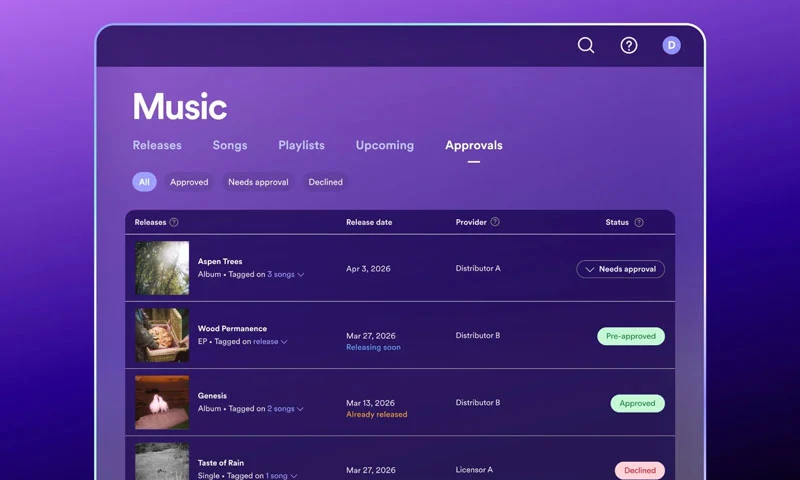
Spotify Allows Artists to Manage What Appears Under Their Name
Spotify has introduced a groundbreaking new feature called Artist Profile Protection, giving musicians unprecedented control over what music appears under their name. Now in limited beta, the feature allows artists to review and approve releases before they go live on their profile, addressing a long-standing issue in the streaming industry. For the first time on any major music platform, artists can actively decide which songs are officially associated with them. This move comes as the rise of AI-generated music, metadata errors, and duplicate artist names has led to increasing cases of misattributed tracks appearing on artist profiles. A Growing Problem in the Streaming Era In recent years, artists have faced challenges where music they did not create or approve appeared under their name. This can happen due to incorrect metadata, similar artist names, or even deliberate misuse of identities. Such errors can negatively impact an artist’s catalog, distort streaming statistics, and confuse listeners. In some cases, it may even affect an artist’s credibility and earnings. Recognizing this issue, Spotify has made protecting artist identity a key priority. The new feature introduces a verification step before any release is published under an artist’s profile. How Artist Profile Protection Works The feature is available within Spotify for Artists on both desktop and mobile web platforms. Once enabled, artists receive email notifications whenever a release is submitted using their name. They can then review eligible releases and choose whether to approve or decline them. If approved, the release appears on the artist’s profile at launch and contributes to their stats and recommendations If declined or ignored, the release does not appear on the artist’s page To further streamline the process, Spotify has introduced an artist key, a unique identifier that artists can share with trusted distributors or labels. Releases submitted with this key are automatically approved and published without manual review. A Major Step Toward Artist Control The feature is particularly valuable for artists with common names, those frequently targeted by misattributions, or those seeking tighter control over their digital presence. It ensures that only verified content contributes to an artist’s streaming data and fan engagement, helping maintain accuracy across the platform. Artist Profile Protection is currently in early beta, with Spotify gathering feedback from participating artists. The company plans to refine the feature before rolling it out more widely. Artists who are not part of the beta or choose not to opt in will continue using the platform as usual. However, Spotify has confirmed that existing reporting tools will remain available for correcting misattributed releases. As the music industry continues to evolve with AI and digital distribution, this feature marks a significant step toward giving artists greater ownership and protection over their identity in the streaming ecosystem.

Google’s Future Lies in AI Agents, Says Co-Founder Sergey Brin
Google co-founder Sergey Brin has told employees that artificial intelligence agents will play a defining role in the company’s future, marking a significant shift in how work is carried out inside one of the world’s largest technology firms. Speaking at a recent internal town hall, Brin emphasized that 2026 will be a pivotal year for AI-driven transformation at Google, with advanced “agentic” systems expected to reshape workflows, coding, and productivity across teams. AI Agents Take Center Stage Brin highlighted that AI agents, which can operate autonomously and execute tasks with minimal human input, will be central to Google’s strategy this year. These systems go beyond traditional AI tools by planning, managing, and completing complex workflows independently. At the heart of this transformation is an internal tool called “Agent Smith,” which has quickly gained popularity among employees. The system is designed to automate tasks such as coding, retrieve documents, and manage workflows across multiple platforms. Built on Google’s internal coding platform known as Antigravity, the tool operates asynchronously, meaning it can continue working even when users are offline or away from their devices. Tool So Popular Access Had to Be Limited The rapid adoption of Agent Smith has created such high demand that Google was forced to restrict access to manage usage levels. Unlike earlier AI assistants, the system can interact with internal tools, access employee-linked data, and execute multi-step tasks autonomously. Employees can even control it via mobile devices, reflecting a shift toward more flexible and integrated work environments. Brin’s remarks suggest that such tools are no longer experimental but are becoming essential components of daily operations within the company. AI Adoption Becoming Essential The message from Google leadership is clear: AI adoption is no longer optional. Employees are increasingly expected to integrate AI tools into their workflows to improve efficiency and productivity. This push reflects broader trends across the tech industry, where companies are racing to develop and deploy advanced AI systems following the rapid rise of generative AI technologies. Brin, who stepped back from day-to-day operations in 2019 but returned to focus on AI development, has been closely involved in shaping Google’s response to intensifying competition in the AI space. Competition Driving Urgency The urgency behind Google’s AI push can be traced back to the surge in popularity of tools like ChatGPT, which triggered a major shift in priorities within the company. Since then, Google has accelerated its AI initiatives, including the development of its Gemini models and internal tools designed to enhance productivity and innovation. Industry analysts say the rise of AI agents represents the next phase of this evolution, moving from simple assistants to systems capable of independent decision-making and execution. A Defining Year Ahead Brin’s comments underscore that 2026 could be a turning point not only for Google but for the broader technology sector. As AI agents become more sophisticated, they are expected to transform how companies operate, reducing manual workloads and enabling faster innovation. For Google, the challenge will be to maintain its leadership in an increasingly competitive AI landscape, where speed, efficiency, and adaptability are becoming critical. The growing role of tools like Agent Smith suggests that the future workplace may rely heavily on collaboration between humans and autonomous AI systems, redefining productivity in the years ahead.

Honda Announces Bold $20M Investment in Pakistan’s Bike Market
Atlas Honda Limited has announced a major expansion plan, approving a capital investment of approximately $20 million to increase its motorcycle production capacity and improve operational efficiency in Pakistan. The decision was disclosed in a notice submitted to the Pakistan Stock Exchange, where the company confirmed that its board had approved a capital expenditure of Rs5.3 billion for the upcoming financial year. Expansion to Boost Production Capacity According to the company, the investment will focus on enhancing manufacturing capacity, automation, and overall productivity. The expansion is expected to significantly increase Atlas Honda’s annual production capacity to two million units. “This investment will be made to enhance capacity, automation and productivity,” the company stated in its official communication. Industry analysts say this marks a major expansion of roughly 39 percent, which is likely to support future earnings growth and strengthen the company’s market position. Strengthening Market Leadership Atlas Honda is one of Pakistan’s leading motorcycle manufacturers and a joint venture between the Atlas Group and Honda Motor Company of Japan. Established in 1962, the company has maintained a dominant share in the local two-wheeler market for decades. The company primarily manufactures and markets motorcycles and spare parts, catering to a wide customer base across Pakistan. Its strong distribution network and brand reputation have helped it remain resilient even during periods of economic slowdown. Experts believe the expansion comes at a time when demand for motorcycles is gradually recovering after a slowdown caused by inflation, rising interest rates, and declining consumer purchasing power. Responding to Growing Demand Pakistan’s motorcycle market remains one of the largest in the region, driven by the need for affordable transportation solutions. With rising fuel prices and increasing urban congestion, two-wheelers are becoming an increasingly popular option for daily commuters. The expansion is expected to help Atlas Honda meet growing demand while improving production efficiency and reducing operational costs. Industry observers note that automation upgrades could also improve product quality and reduce dependency on manual processes, aligning the company with global manufacturing standards. Industry Outlook and Challenges Despite the positive outlook, the motorcycle industry in Pakistan continues to face several challenges, including high production costs, currency fluctuations, and import restrictions on raw materials. At the same time, the sector is undergoing gradual transformation, with discussions around electric bikes and fuel-efficient alternatives gaining momentum. While Atlas Honda has yet to make a major move into electric mobility, analysts believe such investments could position the company to adapt to future market shifts. Economic Impact The investment is expected to have a broader economic impact by supporting industrial growth, creating employment opportunities, and strengthening the local manufacturing sector. It also reflects renewed business confidence in Pakistan’s industrial landscape, even as the economy navigates external pressures and global uncertainties. As Atlas Honda moves forward with its expansion plans, the company aims to consolidate its leadership in the motorcycle market while preparing for evolving consumer demands and technological advancements.

Australia Announces 50% Fuel Relief and Free Transport Amid Energy Crisis
Australia has announced a major relief measure for consumers by halving its fuel tax, as the global energy crisis intensifies due to ongoing geopolitical tensions and disruptions in oil supply chains. Prime Minister Anthony Albanese confirmed that the government will cut fuel excise by 50 percent for a temporary period, aiming to ease the burden of rising fuel prices on households and businesses. The move comes as global crude oil prices surge beyond $116 per barrel, driven largely by instability in the Middle East and disruptions to key shipping routes such as the Strait of Hormuz. Relief for Households and Businesses The tax cut is expected to reduce petrol and diesel prices by around 26 cents per litre, offering immediate financial relief to motorists across the country. Officials said the measure will remain in place for three months, during which the government will monitor global energy developments and domestic supply conditions. The policy is part of a broader effort to address the rising cost of living, which has been exacerbated by inflation and energy price shocks. Energy Crisis Driven by Global Conflict The current crisis has been triggered by escalating tensions in the Middle East, particularly the ongoing conflict involving Iran, which has disrupted oil flows and heightened fears of supply shortages. The Strait of Hormuz, a critical global oil chokepoint, has seen reduced shipping activity, leading to sharp increases in oil prices and uncertainty in international markets. Experts warn that the situation mirrors aspects of past oil crises, with global supply chains under pressure and countries scrambling to secure energy resources. National Fuel Security Measures In addition to cutting fuel taxes, Australia has rolled out a national fuel security plan to ensure stable supply and prevent shortages. The plan includes prioritising fuel distribution, supporting supply chains, and preparing for potential escalation if disruptions worsen. Authorities have also considered underwriting fuel imports and tapping into reserves to stabilise the market. Officials said the country currently has fuel reserves at a relatively stable level, but acknowledged that stocks still fall short of international benchmarks. Economic and Political Debate While the tax cut has been welcomed by many as a necessary relief measure, it has also sparked debate among economists and policymakers. Some experts warn that such broad subsidies could increase fuel demand and add pressure on inflation, potentially complicating monetary policy decisions in the coming months. Critics have also questioned the long-term sustainability of the move, arguing that it may delay the transition toward renewable energy and electric vehicles. A Short-Term Solution to a Long-Term Problem The Australian government has stressed that the tax cut is a temporary response to an extraordinary global situation. As the energy crisis unfolds, analysts say countries like Australia will need to balance short-term relief measures with long-term strategies aimed at reducing dependence on fossil fuels. The current developments highlight the fragility of global energy systems and the far-reaching impact of geopolitical conflicts on everyday life.
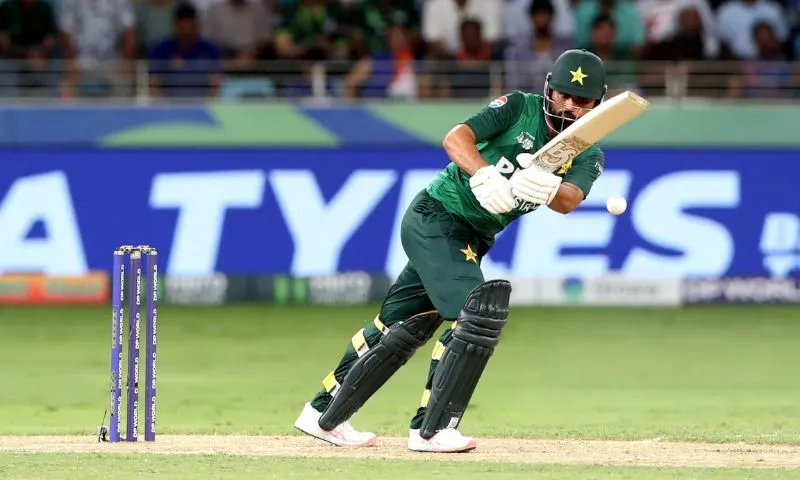
Fakhar Zaman Charged in PSL Ball-Tampering Controversy
Pakistan cricketer Fakhar Zaman has been formally charged with a Level 3 offence under the Pakistan Cricket Board Code of Conduct following a ball-tampering controversy during a Pakistan Super League match. The incident occurred during a high-pressure clash between Lahore Qalandars and Karachi Kings, where match officials determined that the condition of the ball had been unlawfully altered. Charges and Code of Conduct Violation According to the PCB, Fakhar has been charged under Article 2.14 of the code, which relates to actions that change the condition of the ball, in violation of Article 41.3 of the playing conditions. The board confirmed, “Fakhar denied the charge levelled against him during a disciplinary hearing led by the match referee Roshan Mahanama.” Officials further stated, “Another hearing is set to take place within the next 48 hours after which the match referee will share his verdict.” A Level 3 offence is considered serious under cricket regulations and could result in significant penalties, including suspension from matches if the player is found guilty. What Happened During the Match The controversy unfolded shortly before the final over of Karachi Kings’ innings. Fakhar was seen in discussion with Lahore captain Shaheen Shah Afridi and pacer Haris Rauf, during which the ball was exchanged between players. Umpires later inspected the ball and ruled that its condition had changed. A five-run penalty was immediately awarded to Karachi Kings, and the ball was replaced. The penalty proved decisive in the outcome of the match. Karachi’s target was reduced from 14 runs to nine in the final over, allowing them to secure a four-wicket victory with three balls remaining. Reports also indicate that the incident shifted momentum significantly in Karachi’s favor, underlining the impact of the decision on the game’s result. Reaction from Lahore Qalandars Camp Following the match, Shaheen Afridi expressed uncertainty about the incident and indicated that the team would review the footage. “I don’t know about this [ball tampering], and we’ll discuss. Five runs penalty…but we can’t say anything. We will see,” he said during the post-match presentation. Despite the controversy, Afridi defended his team’s performance, stating that their batting effort was competitive and that the result came down to fine margins. Wider Debate and Next Steps The case has sparked widespread debate in cricketing circles, with former players and analysts raising concerns over discipline and fair play in the Pakistan Super League. Ball tampering has historically been one of the most serious offences in cricket, with past incidents leading to heavy bans and reputational damage for players and teams. The upcoming hearing will now determine Fakhar Zaman’s fate. If found guilty, he could face suspension or other disciplinary measures, which may impact Lahore Qalandars’ campaign in the ongoing tournament.
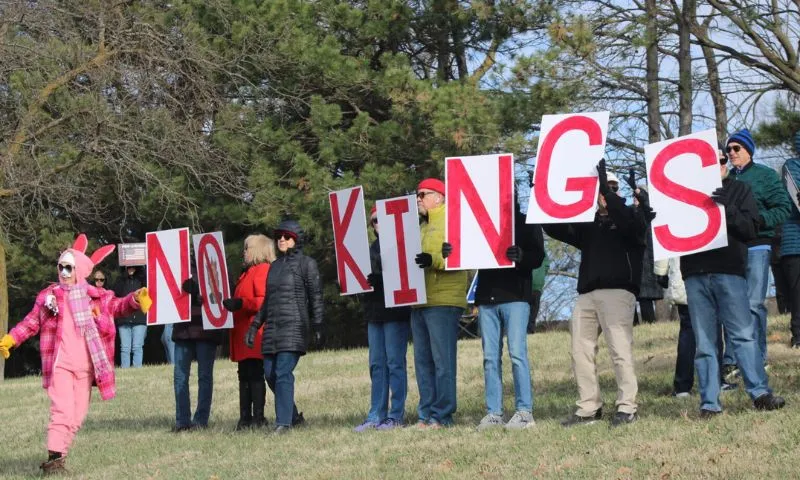
‘No Kings’ Protests Sweep US as Thousands Rally Against Trump Policies
Massive anti-government demonstrations erupted across the United States as the “No Kings” movement returned to the streets, drawing thousands of protesters opposing President Donald Trump’s policies and leadership style. The protests, held across major cities and smaller towns, marked one of the largest coordinated waves of demonstrations in recent months, with rallies taking place in all 50 states. Nationwide Protests Gain Momentum Crowds gathered in cities including New York, Washington, Dallas, and Philadelphia, with organisers reporting more than 3,000 protest events nationwide. Demonstrators carried signs and chanted slogans criticising what they described as authoritarian tendencies in the Trump administration. The movement’s central message, “No Kings,” reflects opposition to what protesters see as an erosion of democratic norms. Participants voiced concerns over several issues, including immigration crackdowns, economic challenges, and the ongoing war in Iran, which has further intensified public debate. Key Issues Driving the Movement The protests were fueled by widespread dissatisfaction with government policies, particularly strict immigration enforcement measures and military decisions abroad. Many protesters also highlighted concerns about voting rights and economic pressures, arguing that current policies disproportionately affect vulnerable communities. According to organisers, the movement has expanded significantly since its launch in 2025, now reaching communities that traditionally saw limited political mobilisation. “This is a democracy,” one protester said, echoing a common theme seen across rallies. High-Profile Support and Public Response The demonstrations attracted support from prominent public figures, including politicians and celebrities who joined rallies or addressed crowds. Actor Robert De Niro was among those who spoke out strongly, saying Trump “must be stopped” while urging Americans to defend democratic values. Other well-known personalities, including activists and artists, also participated, amplifying the movement’s message on social media and in public gatherings. Despite the scale of the protests, reactions have been mixed. The White House dismissed the demonstrations, while supporters of the administration held counter-protests in some locations. Clashes and Security Concerns While most protests remained peaceful, some cities reported clashes between demonstrators and counter-protesters, leading to arrests and injuries in isolated incidents. Law enforcement agencies maintained a strong presence in several locations to manage crowds and prevent escalation. A Growing Political Movement Analysts say the “No Kings” protests reflect a broader wave of civic activism ahead of upcoming elections, with increasing public engagement across the political spectrum. The movement has also gained international attention, with solidarity protests reported in several countries, highlighting global interest in US political developments. Experts believe the demonstrations signal rising political polarisation in the United States, as citizens take to the streets to voice their concerns. What Lies Ahead Organisers have indicated that the protests are part of a longer-term campaign rather than a one-time event. They plan to continue mobilising communities and encouraging voter participation in the months ahead. As the political climate intensifies, the “No Kings” movement is expected to remain a key force shaping public discourse in the United States.
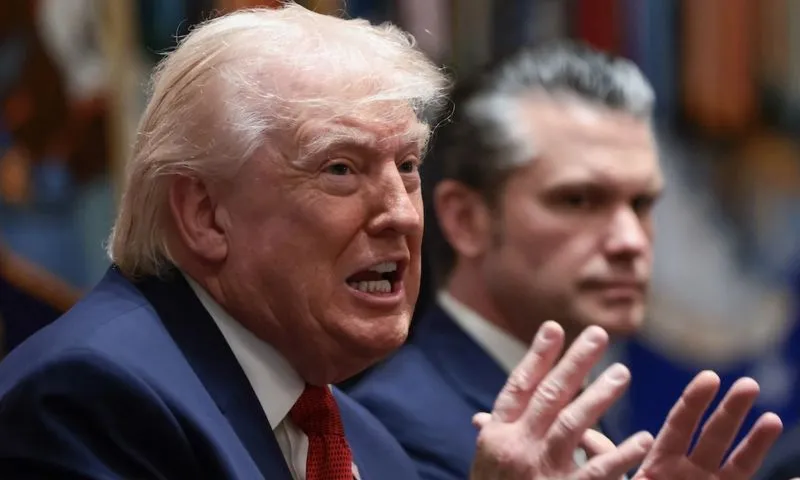
Trump Claims Progress in Iran Talks via Pakistan, Floats Kharg Island Seizure
US President Donald Trump has claimed there is progress in indirect talks with Iran, reportedly being facilitated through Pakistan, even as he floated a controversial plan to seize Iran’s most critical oil export hub, Kharg Island. Pakistan emerges as key mediator According to multiple international reports, Pakistan has stepped forward as a potential venue for dialogue between Washington and Tehran. Officials in Islamabad have expressed readiness to host talks aimed at de-escalating the ongoing conflict. Trump confirmed that both direct and indirect contacts are underway, describing Iran’s current leadership as “very reasonable” and suggesting there is room for a negotiated outcome despite ongoing hostilities. However, Iran has publicly downplayed or denied meaningful progress, even as backchannel diplomacy continues. Contradictions between diplomacy and military buildup While diplomatic efforts are being explored, the situation on the ground remains tense. The United States has deployed additional troops to the Middle East, and the Pentagon is reportedly preparing for possible limited ground operations. Iran, on the other hand, has warned that any US ground incursion would trigger a strong military response, accusing Washington of pursuing war while simultaneously calling for talks. The conflict, now stretching into weeks, has already disrupted global oil markets and intensified instability across key shipping routes like the Strait of Hormuz. Trump raises possibility of seizing Kharg Island In a dramatic escalation, Trump suggested that US forces could take control of Kharg Island, Iran’s primary oil export terminal in the Persian Gulf. He reportedly said his “preference would be to take the oil,” adding that seizing the island could be done “easily,” although he stopped short of confirming any final decision. Kharg Island is a critical economic lifeline for Iran, handling around 90 percent of the country’s crude exports, making it a strategic target in any effort to pressure Tehran. Analysts warn that any attempt to seize or attack the island would mark a major escalation and could send global oil prices soaring, potentially destabilizing already fragile markets. A high-risk path ahead Trump’s dual approach, pursuing negotiations while openly discussing aggressive military options, has created uncertainty about US strategy. On one hand, Pakistan-backed talks offer a possible diplomatic exit. On the other, threats to capture Iran’s oil infrastructure signal that Washington is prepared to escalate if talks fail. With regional tensions widening and global economic risks mounting, the coming days could prove critical in determining whether diplomacy prevails or the conflict deepens further.
