


A sessions court in Lahore has ordered singer Meesha Shafi to pay Rs5 million in damages to singer and actor Ali Zafar in a high-profile defamation case stemming from sexual harassment allegations. According to the court’s short order, the statements made by Shafi through a social media post and an interview were declared defamatory and unsubstantiated. The court stated that these claims “contain false, defamatory and injurious imputations against the plaintiff (Zafar)” and that the allegations “have not been proved to be true or made for public good.” The ruling concluded that the accusations constituted actionable defamation under the law. Compensation awarded for reputational damage The court awarded Rs5 million to Ali Zafar as general damages, citing harm to his reputation, dignity, and mental well-being. The order stated, “Accordingly, a sum of Rs5,000,000 … is awarded to the plaintiff as general damages only, recoverable from the defendant.” However, the court did not accept claims for additional or special damages, noting that these were “not proved through cogent and reliable evidence.” Permanent restriction imposed on Meesha Shafi In a significant directive, the court also imposed a permanent restriction on Shafi, barring her from repeating the allegations in any form. The order stated that the defendant is “permanently restrained from repeating, publishing, or causing to be published… the aforesaid defamatory allegations… in any form of media, including print, electronic or social media.” Background of the case The case dates back to 2018, when Meesha Shafi publicly accused Ali Zafar of sexual harassment, claiming that the incidents occurred on multiple occasions. In response, Zafar filed a defamation lawsuit, arguing that the allegations severely damaged his public image and caused distress to him and his family. He initially sought Rs1 billion in damages. The legal battle continued for several years, with both sides presenting arguments and evidence before the court. Arguments presented in court During the final hearings, Zafar’s lawyer, Advocate Umar Tariq Gill, maintained that the allegations were false and had caused significant reputational harm. He argued that no other individual had ever made similar accusations against the singer. On the other hand, Shafi’s counsel, Advocate Saqib Jilani, urged the court to dismiss the case. He argued that no concrete evidence had been presented by the plaintiff and emphasized that Shafi had consistently maintained her account throughout cross-examination. The defence also contended that Shafi should not be penalised for speaking about her personal experiences. Verdict follows conclusion of hearings The court had concluded hearing arguments from both sides a day earlier, signalling that a final verdict would be announced shortly. The judgment delivered on Tuesday brings a major legal development in one of Pakistan’s most closely followed celebrity disputes. Broader context The case became one of the most prominent #MeToo-related controversies in Pakistan, sparking nationwide debate about workplace harassment, defamation laws, and the burden of proof in such cases. Legal experts note that the ruling may have wider implications for how defamation and harassment allegations are handled in Pakistan’s courts, especially when they involve public figures and social media statements.
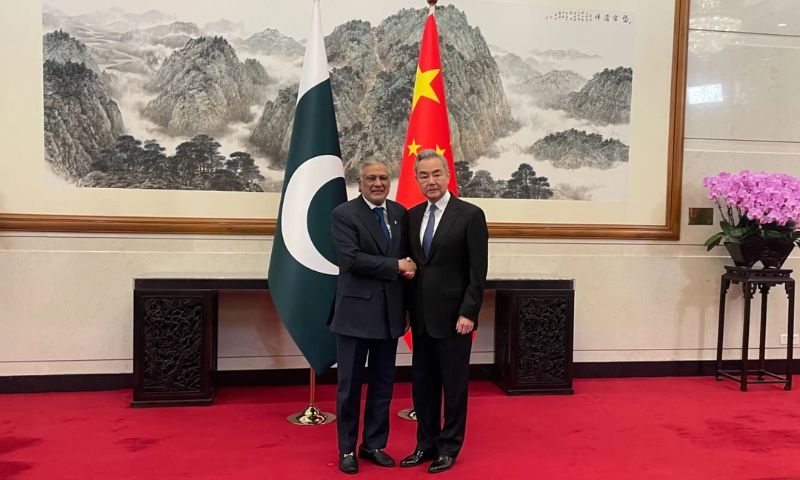
Diplomatic Push Intensifies for Iran Ceasefire: China, Pakistan Demand End to Hostilities
Pakistan and China have jointly called for an immediate ceasefire in the ongoing Iran war and urged all parties to begin peace talks “as soon as possible,” as global concern grows over escalating violence in the Middle East. The appeal was made during diplomatic engagement between Pakistan’s Deputy Prime Minister and Foreign Minister Ishaq Dar and his Chinese counterpart Wang Yi, with both sides emphasizing the urgent need to de-escalate tensions and restore stability in the region. According to official statements, the two countries agreed to “jointly promote a ceasefire and cessation of hostilities and the resumption of peace talks,” stressing that dialogue remains the only viable path to resolving the conflict. 🔊PR No.85/2026 Five-Point Initiative of China and Pakistan for Restoring Peace and Stability in the Gulf and Middle East Region (Beijing, March 31,2026)@MFA_China@PakinChina_https://t.co/8zjtGWe8VC 🔗⬇️ pic.twitter.com/fgWroQIX40 — Ministry of Foreign Affairs – Pakistan (@ForeignOfficePk) March 31, 2026 Urgent Call for Peace Talks The joint stance comes amid intensifying fighting involving Iran, the United States, and Israel, which has triggered a wider regional crisis. Both countries highlighted that initiating peace negotiations quickly is essential to prevent further escalation. A joint initiative also stressed that talks should begin “as soon as possible” to bring all sides to the negotiating table. China reiterated that “the pressing priority is to actively promote peace talks,” underlining the importance of seizing any opportunity for dialogue to end hostilities. Pakistan has also positioned itself as a key diplomatic bridge, maintaining communication with multiple stakeholders and offering to facilitate negotiations. Focus on Safety of Civilians and Waterways A major concern raised by both countries is the safety of civilians and critical infrastructure, particularly in conflict zones. The two sides emphasized the need to ensure the protection of non-military targets and maintain the safety of key maritime routes, especially the Strait of Hormuz, through which a significant portion of global oil supplies passes. They warned that disruption in these waterways could have severe global economic consequences, including rising fuel prices and supply chain instability. Pakistan’s Diplomatic Role Expands Pakistan has emerged as an important mediator in the crisis, with Islamabad offering to host peace talks between the United States and Iran. Officials say Pakistan’s balanced relations with both sides place it in a unique position to facilitate dialogue and reduce tensions. Foreign Minister Ishaq Dar has been actively engaging regional and global leaders, reaffirming Pakistan’s commitment to diplomacy and peaceful resolution of conflicts. Background of the Conflict The Iran war, which began in late February 2026 following US and Israeli strikes on Iranian targets, has rapidly escalated into a broader regional confrontation. Iran has responded with retaliatory attacks, including strikes on Gulf states and disruption of shipping routes. The conflict has drawn international attention due to its impact on global energy markets and geopolitical stability. Despite rising tensions, diplomatic efforts are gaining momentum, with multiple countries pushing for negotiations to prevent further escalation. A Critical Moment for Diplomacy The joint call by Pakistan and China reflects growing international pressure to end the conflict through dialogue rather than military means. Analysts say that the coming days will be crucial in determining whether peace talks can be initiated or if the situation will deteriorate further. As the crisis unfolds, both countries have reiterated that sustained diplomacy, mutual respect, and dialogue remain the only viable solutions to achieving long-term peace in the region.

Ball Tampering Row: Fakhar Zaman Hit with Major PSL Ban After Controversial Incident
Pakistan batter Fakhar Zaman has been handed a two-match suspension by the Pakistan Cricket Board (PCB) after being found guilty of breaching the HBL Pakistan Super League code of conduct during a high-profile match. The decision comes after a disciplinary hearing into a controversial incident during a clash between Lahore Qalandars and Karachi Kings in the ongoing Pakistan Super League season. What Happened During the Match According to the PCB, the incident took place in the closing stages of the match at Lahore’s Gaddafi Stadium, when on-field umpires intervened after noticing concerns about the condition of the ball. Officials awarded five penalty runs to Karachi Kings and replaced the ball, a decision that proved crucial in the outcome of the match. The controversy centered around Fakhar Zaman’s actions, which were deemed to be in violation of Article 2.14 of the PCB Code of Conduct. This clause relates to altering the condition of the ball, which is strictly prohibited under cricket laws. PCB’s Verdict and Sanction After reviewing evidence, match referee Roshan Mahanama found Fakhar Zaman guilty of committing a Level 3 offence, the most serious category under the PSL code for such violations. In its official statement, the PCB said: “Fakhar Zaman has been suspended for two HBL PSL matches after he was found guilty of a Level III offence.” A Level 3 breach carries a minimum penalty of a one-match ban and can extend to two matches. The PCB imposed the maximum sanction in this case. Player’s Response and Hearing Details Fakhar Zaman denied the allegations and chose to contest the charge during a formal disciplinary hearing. The hearing was attended by key representatives from Lahore Qalandars, including captain Shaheen Shah Afridi and team management officials. Despite his defense, the match referee upheld the charge after reviewing all available evidence. Zaman retains the right to appeal the decision within 48 hours under PSL regulations. Impact on Lahore Qalandars The suspension is a significant blow for Lahore Qalandars, who will now miss one of their key batters in upcoming fixtures. The defending champions are scheduled to face strong opponents in the coming matches, making Zaman’s absence even more impactful. Wider PSL Controversy The incident has added to growing scrutiny around disciplinary standards in PSL 2026. Reports suggest that the league has recently witnessed multiple code of conduct issues, highlighting the PCB’s strict stance on maintaining the integrity of the game. Ball-tampering remains one of cricket’s most sensitive offences globally, with past incidents drawing severe penalties and widespread criticism. What the Rules Say Article 2.14 of the PCB Code of Conduct specifically prohibits any attempt to alter the condition of the ball. This includes: Scratching or damaging the surface Applying artificial substances Tampering with the seam Such actions are considered a serious breach because they can unfairly influence match outcomes.

Fans Shocked as GTA 6 Cost Rumors Cross $3 Billion
Rockstar Games’ highly anticipated title Grand Theft Auto VI is making headlines again, not just for its gameplay but for its staggering reported budget, which could reach an unprecedented $3 billion before the game even launches. The figure, which includes development, marketing, and long-term support, has shocked fans and industry observers alike, with many struggling to comprehend the scale of investment behind the project. A Budget Like No Other If the reported figure proves accurate, GTA 6 would become the most expensive video game ever made by a massive margin. Earlier estimates had already placed the game’s cost between $1 billion and $2 billion, far exceeding previous industry records. The jump toward a potential $3 billion budget reflects the game’s extended development timeline, advanced technology, and massive global marketing campaign. Reports indicate that Rockstar has been working on the project for years, with full-scale production ramping up around 2020. Why GTA 6 Is So Expensive The scale of GTA 6 is one of the biggest factors driving its cost. The game is expected to feature a vast open-world environment, next-generation graphics, advanced artificial intelligence, and a dynamic online ecosystem. Industry experts note that modern AAA games require thousands of developers, years of work, and cutting-edge technology, all of which significantly increase production costs. The marketing budget alone is expected to be enormous, with Rockstar aiming to deliver one of the biggest entertainment launches in history. Analysts say such large investments are justified by the franchise’s track record of generating massive revenue. A Game That Could Redefine the Industry The Grand Theft Auto series has consistently broken records, with GTA V earning over $1 billion within just three days of release. With expectations even higher for GTA 6, analysts predict the game could generate billions in revenue within its first year, potentially recovering its massive development costs quickly. Some projections suggest that the game could earn more than $3 billion in its first year alone, highlighting the enormous commercial potential of the franchise. Fans React to the Massive Budget The reported $3 billion budget has sparked intense discussion among fans on social media, with many expressing disbelief at the scale of investment. While some see it as a sign that Rockstar is pushing boundaries to deliver a groundbreaking experience, others question whether such a massive budget is sustainable for the gaming industry. Experts believe that GTA 6 could set a new benchmark for future AAA games, potentially reshaping how studios approach development and investment. No Official Confirmation Yet Despite widespread reports, Rockstar Games and its parent company Take-Two Interactive have not officially confirmed the $3 billion figure. Previous statements have acknowledged that the game’s budget has already crossed $1 billion, making it the most expensive game ever developed even without the higher estimates. As anticipation builds ahead of its expected release in 2026, GTA 6 continues to dominate headlines, with its rumored budget becoming one of the biggest talking points in the gaming world.

From Zero to Dollars: Freelancing Guide for Pakistanis
Freelancing in Pakistan is rapidly emerging as one of the most accessible and high-potential income streams, especially for students, young professionals, and remote workers seeking global opportunities. With minimal startup costs and growing demand for digital services, freelancing is no longer considered a side hustle but a full-fledged career option. Experts say that with just a laptop, internet connection, and a marketable skill, anyone in Pakistan can tap into international markets and earn in foreign currency. Getting Started: Skills Come First The first step toward freelancing is choosing a skill that is in demand. According to industry insights, popular freelancing skills include web development, graphic design, content writing, digital marketing, and virtual assistance. Experts emphasize specialization over generalization, as clients prefer professionals who excel in a specific niche rather than offering multiple low-quality services. Beginners are advised to focus on one skill and spend at least a few weeks learning and practicing it using free resources such as YouTube, DigiSkills, and online courses. Platforms That Open Global Opportunities Once a skill is developed, freelancers can register on international platforms such as Upwork and Fiverr to connect with clients worldwide. These platforms allow freelancers to offer services on both hourly and project-based models, with Fiverr being considered more beginner-friendly due to its “gig” system. “Choosing the right platform is what defines success in freelancing,” the guide notes. Payments and Financial Setup Receiving payments remains one of the key challenges for Pakistani freelancers, but several reliable solutions are available. Payoneer and Wise are among the most commonly used platforms, allowing freelancers to receive international payments and transfer funds to local bank accounts. Local options such as JazzCash integration and direct bank transfers have further simplified the process. Experts also stress the importance of legal compliance. Freelancers must register for a National Tax Number through the FBR system and declare freelancing as their source of income. “For international clients, a 1% tax applies, reduced to 0.25% with PSEB registration,” the guide explains. Earnings Potential and Growth Freelancing income varies based on skill level and experience. Beginners may earn between Rs20,000 to Rs80,000 within the first few months, while experienced freelancers can generate over Rs300,000 monthly. Pakistan is currently ranked among the top freelancing countries globally, with freelancers contributing significantly to foreign exchange earnings. Role of AI and Future Trends The rise of artificial intelligence is reshaping freelancing, making it easier for beginners to compete globally. Tools such as ChatGPT, Canva AI, and automated design platforms are helping freelancers deliver faster and more efficient work. Experts believe that freelancers who adopt AI tools early will have a competitive advantage in the evolving digital economy. Challenges and Reality Check Despite its potential, freelancing is not an instant success path. Experts warn that it may take weeks or months to secure the first client, requiring patience and consistency. Freelancers must also maintain communication with clients, avoid plagiarism, and continuously upgrade their skills to stay competitive. A Growing Digital Economy With increasing internet penetration, a young population, and rising global demand for remote work, Pakistan’s freelancing sector is expected to grow further in 2026. Industry experts say freelancing offers not only financial independence but also the flexibility to work from anywhere.

Fuel Prices Surge, Expenses Rise: How to Save Money in Tough Times
The ongoing conflict in the Middle East has triggered a fresh wave of global inflation, with rising fuel prices pushing up the cost of goods and services worldwide. From food and transportation to utilities and daily essentials, households across countries, including Pakistan, are feeling the financial strain. Governments and financial experts are increasingly urging citizens to adopt cost-cutting measures and smarter spending habits to navigate the economic pressure. Why Prices Are Rising Across the Board Fuel remains the backbone of global trade and logistics. As oil prices climb due to regional instability, transportation costs surge, leading to a domino effect on food, manufacturing, and retail prices. This ripple effect has made inflation more persistent and harder to control, especially in developing economies. Where Can You Cut Expenses Effectively? While inflation is unavoidable, strategic financial adjustments can significantly reduce its impact. 1. Energy Consumption Electricity and gas bills can be reduced by: Switching to energy-efficient appliances Using LED lighting Limiting peak-hour usage 2. Transportation Fuel costs are one of the biggest contributors to monthly expenses: Carpooling or using public transport Combining errands into fewer trips Maintaining vehicles for better fuel efficiency 3. Food and Groceries Food inflation is rising globally: Buying in bulk for essential items Choosing local and seasonal products Reducing food waste through meal planning 4. Subscriptions and Digital Spending Many households overlook: Unused streaming subscriptions Paid apps and memberships Auto-renewals Cutting these can save a surprising amount monthly. Smart Saving Strategies People Often Ignore 1. “Micro-Saving” Habit Saving small amounts daily or weekly can build significant reserves over time. Even spare change strategies or rounding-off savings can work. 2. Cash-Based Budgeting Using cash instead of digital payments helps control impulsive spending and increases financial awareness. 3. Bulk Utility Planning Prepaid packages, annual subscriptions (when discounted), and shared family plans often reduce long-term costs. 4. Repair Instead of Replace In an inflationary environment, repairing electronics, clothes, and furniture can save substantial money. 5. Community Sharing Economy Borrowing, renting, or sharing tools, appliances, or even rides within communities is becoming a cost-effective trend globally. The Bigger Picture: A Shift Toward Financial Discipline Experts believe that this wave of inflation may persist longer than expected. As a result, households must move beyond temporary cost-cutting and adopt long-term financial discipline. Budget tracking, emergency funds, and conscious spending are no longer optional but essential. In a world where economic shocks are becoming more frequent, adapting smarter financial habits can make the difference between financial stress and stability.

Big Tech Under Fire as Australia Investigates Under-16 Ban Violations
Australia has launched a major investigation into leading technology companies over suspected breaches of its landmark ban on social media access for users under the age of 16, raising pressure on global platforms to comply with strict new regulations. The probe, led by the country’s eSafety Commission, targets major platforms including Facebook, Instagram, Snapchat, TikTok, and YouTube, amid concerns that they have failed to effectively enforce age restrictions. Communications Minister Anika Wells made the government’s stance clear, stating, “Australia’s world-leading social media laws are not failing. But big tech is failing to obey the laws.” She added, “Australia will not let the social media giants take us for mugs,” signaling a tougher enforcement approach moving forward. Concerns Over Weak Enforcement The investigation follows reports that many underage users are still able to access social media platforms despite the ban, highlighting serious gaps in compliance. Australia’s eSafety Commission flagged “significant concerns” about how companies are implementing age verification systems, noting that existing measures remain insufficient. Although more than five million underage accounts have been removed since the law came into force, authorities believe enforcement remains inconsistent, with many minors still bypassing safeguards. Experts say weak verification systems, repeated sign-up attempts, and lack of proactive detection tools have allowed children to continue accessing platforms. Tough Penalties on the Table Under Australia’s Online Safety laws, tech companies face fines of up to Aus$49.5 million for failing to take “reasonable steps” to block underage users. Officials confirmed that decisions on potential penalties could be made by mid-2026, as the government gathers evidence for possible legal action. The eSafety regulator has indicated a shift from cooperation to enforcement, suggesting that companies may soon face court proceedings if compliance does not improve. Industry Response and Challenges Social media companies have acknowledged the challenges of implementing strict age verification systems. Meta, the parent company of Facebook and Instagram, said accurately verifying users’ ages has been “a challenge for the whole industry,” but pledged to continue investing in detection and enforcement tools. Snapchat also stated it was “fully committed to implementing reasonable steps under the legislation,” noting that it has already blocked hundreds of thousands of accounts. However, critics argue that these efforts are not enough, calling for stronger accountability measures. Global Impact and Growing Momentum Australia’s ban, introduced in December 2025, is widely regarded as a world-first policy aimed at protecting children from online harms such as cyberbullying, addiction, and exposure to harmful content. The move has drawn international attention, with countries including Malaysia, France, New Zealand, and Indonesia considering similar measures. Research continues to highlight the negative impact of excessive screen time on young users, adding urgency to regulatory efforts worldwide. What Comes Next As the investigation continues, Australia is signaling that compliance is no longer optional for tech companies operating within its borders. “If these companies want to do business in Australia, they must obey Australian laws,” Wells said. With enforcement tightening and penalties looming, the outcome of this probe could set a global precedent for how governments regulate social media platforms and protect young users.

China Launches World’s First Floating Artificial Island for Deep-Sea Research
China has officially launched the world’s first ultra-large floating artificial island designed for deep-sea scientific research, marking a major step forward in marine technology and ocean exploration. The project, unveiled in Shanghai, is a national-level science and technology infrastructure initiative aimed at advancing research in marine science, resources, and engineering. The facility is described as an “open-sea floating island” capable of operating in all weather conditions. A Unique Research Platform The floating platform is designed to function as a comprehensive research hub, combining multiple systems to support deep-sea exploration. It consists of three key components: a main offshore platform, ship-based laboratories, and land-based support facilities. At the core of the project is an innovative semi-submersible twin-hull structure. This design allows the platform to remain stable in rough ocean conditions while supporting large-scale testing of marine equipment weighing hundreds of tons. According to reports, the facility will enable scientists to conduct experiments at ocean depths of up to 10,000 meters, opening new possibilities for studying extreme underwater environments. Advancing Marine Science and Industry The floating island is expected to play a crucial role in accelerating research across several fields, including marine ecosystems, deep-sea mining, and offshore oil and gas exploration. Experts say the platform will help scientists better understand the seasonal evolution of marine ecosystems and explore the origins and development of life in deep-sea environments. It will also serve as a testing ground for advanced marine equipment and technologies, supporting the commercial development of ocean resources. In addition, the facility is expected to improve forecasting of extreme weather events such as typhoons, contributing to better disaster prevention and mitigation efforts. Timeline and Institutional Support The project is being led by Shanghai Jiao Tong University, which has also established a dedicated institute for deep-sea science and engineering to oversee research activities. Construction of the floating research facility is expected to be completed by 2030, with phased development allowing for gradual expansion of capabilities. Officials have described the initiative as a major milestone in China’s efforts to strengthen its position in global marine research and technology. Global Significance The launch of the floating artificial island comes at a time when countries are increasingly investing in ocean exploration and marine resources. Oceans cover more than 70 percent of the Earth’s surface, yet a large portion remains unexplored. Advances in deep-sea technology are seen as critical for unlocking new resources and addressing global challenges such as climate change and biodiversity loss. China’s new platform is expected to contribute significantly to international scientific knowledge while also enhancing the country’s capabilities in marine innovation. Looking Ahead As the project progresses, the floating island is set to become a key hub for cutting-edge research and collaboration in ocean science. Its ability to operate continuously in open-sea conditions positions it as a groundbreaking development in the field of marine research infrastructure. With completion targeted for 2030, the facility is expected to redefine how scientists explore and utilize the deep ocean.
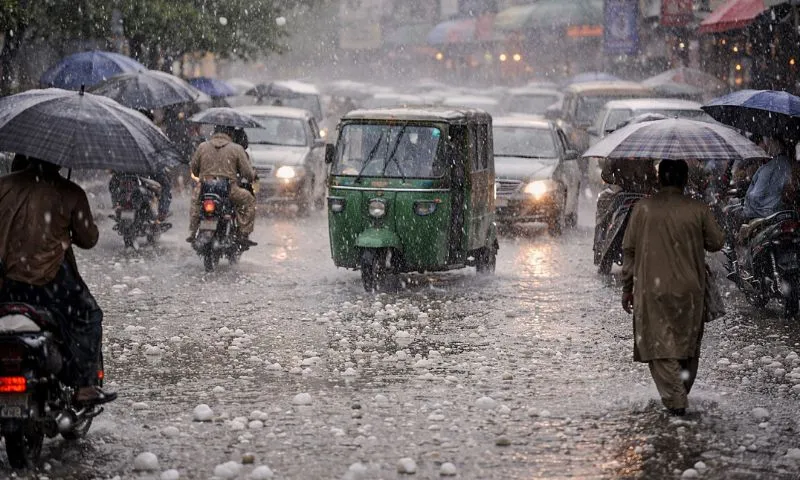
Nationwide Rain and Hailstorm Alert Issued Across Pakistan Until April 4
The Pakistan Meteorological Department has issued a nationwide weather alert, forecasting widespread rain, wind, thunderstorms, and hailstorms across multiple regions from April 1 to April 4, as a strong weather system approaches the country. According to the Met Office, a westerly wave is expected to enter southwestern Balochistan on April 1 and persist until April 4, triggering unstable weather conditions across most provinces. Rain, Hailstorms Expected in Multiple Regions The advisory warns that Balochistan will experience heavy rain and thunderstorms, along with isolated hailstorms, particularly in areas such as Panjgur, Turbat, Kech, Awaran, and along the Makran coast. Khyber Pakhtunkhwa is also expected to receive rainfall and thunderstorms, with snowfall in mountainous regions including Chitral, Dir, Swat, and Kalam. Authorities have warned of isolated heavy downpours and hailstorms in several areas. In Punjab and Islamabad, cities including Lahore, Rawalpindi, Murree, and Sargodha are likely to experience rain accompanied by strong winds and occasional hailstorms. Heavy rainfall is particularly expected in Dera Ghazi Khan and surrounding areas. Gilgit-Baltistan and Azad Jammu and Kashmir are also expected to see rain, wind, and thunderstorms, with snowfall in higher altitudes. Meanwhile, Sindh, including Karachi, Hyderabad, Sukkur, Thatta, and Badin, is forecast to receive rain and thunderstorms with isolated hailstorms between April 2 and April 4. Flood and Landslide Risks The PMD has warned of potential flash floods in northeast Balochistan, including Khuzdar, Awaran, and Kharan, as well as in streams and nullahs of Khyber Pakhtunkhwa from April 2 to April 4. Additionally, landslide risks have been highlighted in vulnerable regions of upper KP, Gilgit-Baltistan, and Azad Kashmir due to heavy rainfall and melting snow. Recent weather patterns have already shown the destructive potential of such systems. Heavy rains in KP have led to fatalities and infrastructure damage, raising concerns about preparedness during the upcoming spell. Damage Risks and Public Advisory The weather advisory cautions that windstorms and hailstorms may damage weak structures such as electric poles, billboards, and solar panels. Farmers have been advised to take precautionary measures to protect crops from potential losses. Tourists and travelers have been urged to avoid unnecessary travel, especially in mountainous and flood-prone areas. Authorities have also advised citizens to remain vigilant and follow official weather updates. The PMD further warned that daytime temperatures are expected to drop across the country during this period, bringing temporary relief from heat but increasing risks associated with severe weather. Authorities on Alert The Meteorological Department has called on all relevant authorities to stay alert and take preventive measures to avoid damage and ensure public safety. Officials have also indicated that the weather system may continue beyond April 4, suggesting that further updates and advisories may follow depending on conditions.

Pakistan Drops Lockdown Plan After Provinces Reject Proposal
The federal government has decided not to impose a nationwide smart lockdown after provincial governments opposed the proposal during a high-level meeting held at Aiwan-e-Sadr in Islamabad. The decision came amid growing concerns over the global energy crisis triggered by the ongoing Middle East conflict, which had initially prompted authorities to consider restrictive measures to conserve fuel and manage economic pressures. Provinces Oppose Nationwide Restrictions The proposal for a smart lockdown was discussed during a consultative session chaired by President Asif Ali Zardari, attended by Prime Minister Shehbaz Sharif, federal ministers, and provincial leadership. However, media reports revealed that provincial administrations raised objections to the plan, leading to its eventual rejection. Following the discussions, it was agreed that instead of imposing restrictions, a coordinated national strategy would be adopted to tackle economic challenges and ensure stability. Khyber Pakhtunkhwa Chief Minister Sohail Afridi also confirmed that no decision had been taken to enforce a lockdown, citing differing views among provinces. Focus Shifts to Relief and Stability The meeting focused on maintaining fuel supply, controlling inflation, and reducing the impact of rising global energy prices on citizens. Officials informed participants that despite disruptions in global markets, Pakistan’s fuel supply remains uninterrupted and reserves are adequate to meet current and future needs. President Zardari emphasized the importance of protecting vulnerable segments of society, directing authorities to accelerate relief measures and ensure that economic hardship is minimized. “No economically vulnerable segment will be left unsupported,” the meeting was told, highlighting the government’s focus on public welfare. Austerity and Fuel-Saving Measures Continue Although the smart lockdown proposal has been scrapped, the government is continuing with austerity measures to reduce fuel consumption and manage economic pressure. Prime Minister Shehbaz Sharif reiterated the importance of his “Savings and Simplicity” campaign, which includes reducing government expenditure, cutting development spending, and grounding 60 percent of official vehicles. Authorities also confirmed that proposals to increase fuel prices had been rejected, with savings redirected toward public relief initiatives. Additional measures include increased levies on high-octane fuel used by luxury vehicles, while jet fuel prices have been kept unchanged to avoid burdening critical sectors such as aviation. Earlier Plans and Public Confusion The decision comes days after widespread speculation about a possible smart lockdown, fueled by fake notifications circulating on social media. Earlier proposals under consideration included early market closures, limits on wedding gatherings, and remote work policies aimed at reducing energy consumption. However, the government had already clarified that no official notification had been issued regarding such restrictions. Diplomatic and Regional Context The meetings also addressed regional security concerns, with Foreign Minister Ishaq Dar briefing participants on Pakistan’s diplomatic engagement with countries such as Turkey, Saudi Arabia, and Egypt. Efforts are ongoing to maintain regional stability and manage the economic fallout of the crisis, particularly as global oil prices remain volatile. A Coordinated Path Forward The government has opted for a coordinated, non-restrictive approach, focusing on economic resilience rather than imposing nationwide limitations. With adequate fuel reserves and continued austerity measures in place, officials believe Pakistan can navigate the crisis without resorting to lockdowns. The decision reflects a balance between economic stability and public convenience, as authorities aim to shield citizens from the worst effects of the global energy crisis.
