

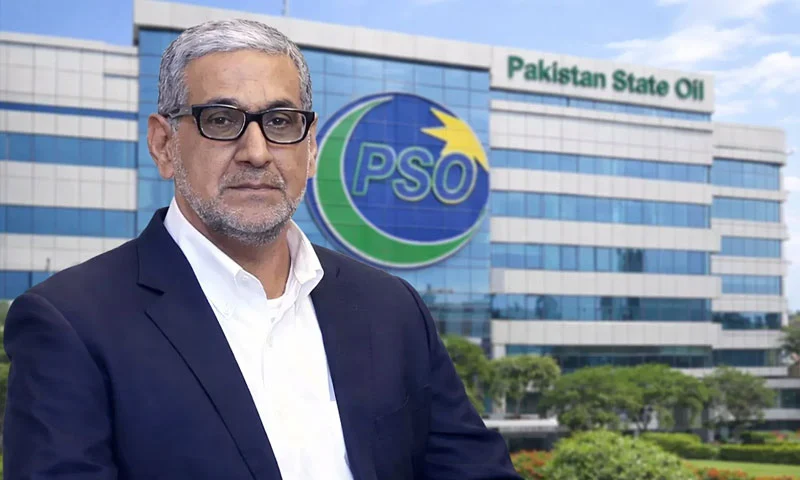
Pakistan State Oil, the country’s largest oil marketing company, has appointed Abdus Sami as its interim chief executive officer following a key leadership change within the energy sector. The development was officially disclosed through a notice submitted to the Pakistan Stock Exchange, confirming the transition at the top level of the organization. According to the company, Abdus Sami will continue to serve in his existing role as Chief Supply Chain Officer while taking on additional responsibilities as interim CEO. His appointment took effect from March 31, 2026, and will remain in place until a permanent chief executive is appointed or further instructions are issued. Leadership Change Linked to K-Electric The appointment comes after Syed Taha, who previously served as Managing Director and CEO of Pakistan State Oil, moved on to take charge as the chief executive of K-Electric. His transition is part of a broader reshuffle within Pakistan’s energy sector. Earlier, Moonis Alvi stepped down from his role as CEO of K-Electric, after which Adeeb Ahmad was appointed as the interim head of the utility. These changes highlight an ongoing phase of restructuring and leadership adjustments across key energy institutions in the country. Experience and Background of Abdus Sami Abdus Sami brings more than two decades of experience in the energy sector, with a strong background in operations, supply chain management, and executive leadership. Over the course of his career, he has worked in both domestic and international markets, gaining expertise in managing complex projects and large-scale operations. He has previously served as Director of Commercial Distribution Operations at Tetra Tech Oil and Gas and has also worked with government and public sector utilities in Pakistan and Nigeria. He holds a Master of Business Administration degree from the Lahore University of Management Sciences, which is regarded as one of Pakistan’s leading business institutions. Importance of Leadership Stability at PSO Pakistan State Oil plays a critical role in the country’s energy ecosystem, handling a major share of fuel imports, storage, and distribution. Any leadership transition at such an institution carries significant importance, especially at a time when Pakistan is dealing with rising global oil prices, supply challenges, and growing domestic demand. The appointment of an experienced internal executive is being seen as a move to ensure continuity in operations while maintaining stability during the transition period. Broader Energy Sector Challenges The leadership changes at Pakistan State Oil and K-Electric come at a time when Pakistan’s energy sector is under pressure from multiple fronts, including circular debt, fluctuating international oil prices, and the need for structural reforms. Experts believe that effective leadership will be crucial in addressing these challenges and improving efficiency across state-owned enterprises. The interim appointment of Abdus Sami is expected to help maintain operational momentum while the company works toward appointing a permanent chief executive.

The End of “Old Social Media”? What’s Replacing It Now
Social media is not shrinking. It is evolving. More than 5.2 billion people now use social platforms globally, representing over 60% of the world’s population. Yet beneath that scale, a deeper shift is underway. The way people use social media today looks very different from even a few years ago. Time Spent Online Is Changing Not Declining The first major shift is how people spend time online. Globally, users still average about 2 hours and 20 minutes per day on social media. But this time is no longer evenly distributed. Younger users now dominate engagement. Gen Z, in particular, spends significantly more time online, with some estimates suggesting up to five hours daily. Older users, by contrast, are becoming more selective. This shift is reshaping content strategies. Platforms now prioritize fast, engaging formats that capture attention instantly, especially for younger audiences. Platform Fragmentation Is Reshaping the Landscape Social media is no longer controlled by a few dominant apps. Instead, audiences are spreading across multiple platforms. According to Pew Research Center, platforms like YouTube and Facebook still have mass reach, but TikTok, Reddit, and WhatsApp are growing steadily. Recent data shows: TikTok usage up by around 21% WhatsApp up by 23% Reddit up by 18% This fragmentation means users no longer rely on a single platform. Instead, they move between apps depending on content, mood, and purpose. Video Content Has Become the Default Format Another major change is the dominance of video. Short-form video has become the core of social media consumption. Platforms are no longer just social networks. They are now content discovery engines powered by algorithms. Users no longer rely on who they follow. Instead, they consume what algorithms recommend. This shift has reduced the importance of follower counts and increased the importance of content quality and engagement. From Posting to Passive Consumption A noticeable behavioral shift is the rise of passive usage. People scroll and watch more, but post less. Public posting feels more performative today. Many users prefer to avoid the pressure of likes, comments, and visibility. As a result, activity is moving into private spaces: Direct messages (DMs) WhatsApp groups Close friends lists These spaces feel more personal and less exposed. Social Media Is Becoming a News Source Social platforms are no longer just for entertainment. They are now a major source of information. According to Pew Research Center, 53% of U.S. adults say they get news from social media at least sometimes. This shift gives platforms more influence than ever. They now shape how people understand events, trends, and public debates. Signs of Fatigue Are Emerging Despite high usage, there are early signs of change. Average time spent has slightly declined since its peak in 2022, especially among younger users. More people are: Limiting screen time Taking breaks from apps Choosing fewer platforms This suggests a move toward more intentional usage rather than constant scrolling. A New Era of Social Media The reset is clear. Social media is no longer just about posting updates or building followers. It is now about: Watching and discovering content Sharing privately Navigating multiple platforms Consuming information quickly The platforms that succeed will adapt to this reality. Attention is fragmented. Users are more selective. Content must work instantly.

Heatwaves Trigger Rise in Domestic Violence Against Women
As temperatures rise across the globe, a disturbing trend is gaining attention: domestic violence against women tends to increase during hot weather and heatwaves. Multiple studies from different regions show a clear connection between higher temperatures and a rise in intimate partner violence, highlighting an often-overlooked social impact of climate change. Research indicates that even moderate increases in temperature can lead to heightened aggression and conflict within households, disproportionately affecting women. Scientific evidence confirms alarming trend A growing body of global research confirms that domestic abuse incidents rise during warmer days. A large-scale study found that domestic violence increases when temperatures exceed 27°C, pointing to a direct link between heat and aggression. Another analysis of nearly one million incidents revealed that “violence increased with warmer weather” and that the effect of heat was stronger on domestic violence than other types of crime. Researchers have also found that for every 1°C rise in temperature, cases of physical violence against women can increase by over 4 percent in South Asia. Heatwaves intensify risk of severe violence The danger becomes even more severe during extreme heat events. Studies from Spain showed that the risk of intimate partner femicide increases significantly following heatwaves, with incidents peaking just days after temperatures surge. In some cases, abuse rates have been found to rise by up to 28 percent during prolonged heatwaves, underscoring the scale of the problem. Similarly, research in New Orleans linked extended periods of extreme heat to spikes in emergency calls related to domestic violence. Why heat triggers violence Experts say the relationship between heat and violence is complex, involving both psychological and social factors. Extreme temperatures can increase irritability, stress, and sleep disruption, all of which can escalate conflict within households. Heat is also associated with increased alcohol consumption and reduced tolerance, further contributing to aggressive behavior. Additionally, during very hot weather, people tend to stay indoors more often, increasing prolonged exposure between victims and abusers, which can heighten the risk of violence. Climate change worsening the crisis With global temperatures rising due to climate change, experts warn that domestic violence could become more frequent in the future. Studies suggest that extreme heat plays a “dominant role” in increasing the risk of violence in intimate relationships, especially in low- and middle-income countries. Regions like South Asia, including Pakistan, are particularly vulnerable due to rising temperatures and existing social inequalities. A hidden public health emergency Domestic violence is already one of the most widespread human rights violations globally, and the link with heat adds a new layer of urgency. Experts argue that climate policies must consider social impacts such as gender-based violence, alongside environmental and economic concerns. They also stress the need for stronger support systems, including helplines, shelters, and awareness campaigns, especially during extreme weather events. Growing call for action As awareness grows, policymakers and advocacy groups are urging governments to integrate gender-based violence prevention into climate response strategies. This includes early warning systems, community support networks, and targeted interventions during heatwaves. The emerging evidence makes one thing clear: rising temperatures are not just an environmental crisis but also a social one, with women often bearing the greatest burden.
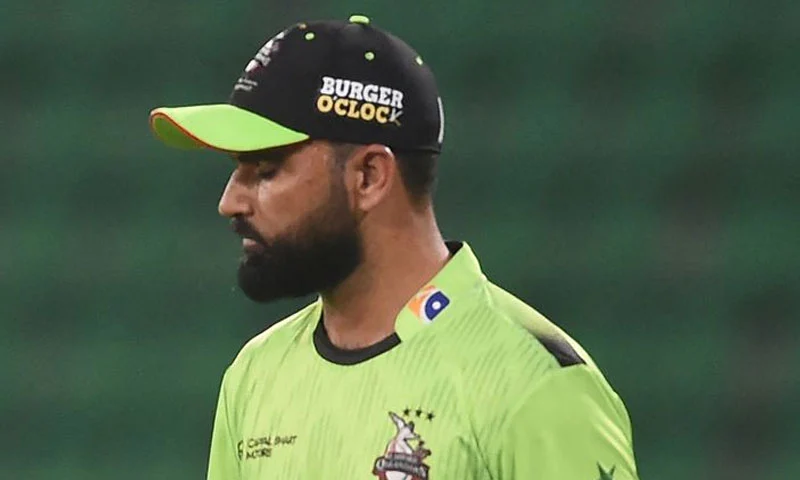
Fakhar Zaman Appeals Ban After PSL Ball Tampering Controversy
Pakistan cricketer Fakhar Zaman has officially filed an appeal against his two-match suspension imposed by the Pakistan Cricket Board in the ongoing Pakistan Super League, following a controversial ball-tampering incident that has sparked debate across the cricketing community. According to reports, Fakhar Zaman submitted his appeal within the 48-hour window allowed under PSL regulations, requesting the PSL Technical Committee to review the decision. The committee now holds the authority to either uphold, reduce, or completely overturn the ban after examining the case in detail. Incident That Led to the Ban The controversy stems from an incident during Lahore Qalandars’ match against Karachi Kings at Gaddafi Stadium on March 29. During the final stages of Karachi’s run chase, umpires inspected the ball and found irregularities in its condition. As a result, five penalty runs were awarded to Karachi Kings and the ball was replaced before the final over. The decision proved crucial as Karachi went on to secure victory in a tense finish. Charges and Disciplinary Hearing Following the match, Fakhar Zaman was charged with breaching Article 2.14 of the PSL Code of Conduct, which relates to altering the condition of the ball. This is considered a serious offence in cricket due to its direct impact on fairness and integrity. Fakhar denied the charges and opted for a formal hearing instead of accepting the sanction. A disciplinary hearing was conducted by match referee Roshan Mahanama, who reviewed all available evidence and heard Fakhar’s defense before delivering the verdict. In its official statement, the PCB said, “Match Referee Roshan Mahanama conducted the disciplinary hearing and made the determination after reviewing all evidence and providing an opportunity of personal hearing to Fakhar.” Despite the defense, the referee imposed the maximum penalty for a first Level 3 offence, resulting in a two-match suspension. Impact on Lahore Qalandars If the ban is upheld, Fakhar Zaman is set to miss Lahore Qalandars’ upcoming matches against Multan Sultans on April 3 and Islamabad United on April 9. These fixtures are considered crucial for Lahore’s campaign, making the appeal decision even more significant for the team’s chances in PSL 2026. PSL Faces Growing Scrutiny The incident has added to the growing list of controversies surrounding this season of the Pakistan Super League. Analysts and former cricketers have raised concerns about discipline and enforcement of rules within the tournament, while fans remain divided over the severity of the punishment. Decision Awaited The PSL Technical Committee is now expected to review Fakhar Zaman’s appeal and announce its decision in the coming days. Until then, uncertainty remains over whether the Lahore Qalandars star will be available for selection in the crucial upcoming matches.

Türkiye Qualify for World Cup After 24 Years with Dramatic Win
Türkiye secured a place in the FIFA World Cup for the first time in 24 years after defeating Kosovo 1-0 in a high-stakes playoff final. The decisive moment came in the 53rd minute when forward Kerem Akturkoglu scored from close range, finishing a move that began with a driving run by Kenan Yildiz and a shot from Orkun Kokcu. The victory marks Türkiye’s return to football’s biggest stage for the first time since 2002, when they famously reached the semi-finals. Emotional reactions after historic qualification The result sparked emotional scenes among players and fans alike, ending years of near-misses and failed qualifying campaigns. Speaking after the match, Akturkoglu said, “Thank God. It has been 24 years. Some of us were not even born the last time we qualified, and some were too young to remember.” He added, “Now we will give the next generation something to dream about at the 2026 World Cup. We want to make our country proud.” Head coach Vincenzo Montella also expressed pride in his team’s achievement, saying, “Emotionally I am at the top. I am incredibly proud… We have achieved our dream.” He further described the moment as unforgettable, adding, “The World Cup is the pinnacle.” A journey shaped by resilience and rebuilding Türkiye’s qualification is the culmination of a long rebuilding process under Montella, who has blended young talent with experienced players. The team had struggled for more than two decades to return to the World Cup, falling short in several campaigns despite strong squads. Their recent run included a crucial semi-final victory over Romania, which set up the decisive clash against Kosovo. Analysts note that Türkiye’s improved structure, tactical discipline, and emerging stars have played a key role in their resurgence on the international stage. Kosovo fall short of historic first qualification For Kosovo, the defeat was heartbreaking as they came close to securing their first-ever appearance at a major international tournament. Ranked 79th in the world, Kosovo had enjoyed a remarkable qualifying campaign, reaching the playoff final less than a decade after joining FIFA and UEFA. Playing in front of a sold-out home crowd, the hosts pushed hard for an equaliser in the closing stages, creating several chances but failing to break through Türkiye’s defence. Goalkeeper Ugurcan Cakir played a key role in preserving the lead as Türkiye held firm under pressure. Nationwide celebrations erupt in Türkiye Following the final whistle, celebrations erupted across Türkiye, with fans taking to the streets waving flags and celebrating the team’s historic return to the World Cup. The qualification marks only the third time Türkiye has reached the tournament, further highlighting the significance of the achievement. Group stage challenge awaits Türkiye Looking ahead, Türkiye has been placed in Group D of the 2026 FIFA World Cup, where they will face Australia, Paraguay, and co-hosts the United States. The tournament will be jointly hosted by the United States, Canada, and Mexico, making it one of the largest editions in World Cup history. Broader context: A new generation emerges Türkiye’s return signals the rise of a new generation of players aiming to replicate or surpass the success of the 2002 squad. With talents like Arda Guler, Kenan Yildiz, and Orkun Kokcu emerging as key contributors, the team is seen as one to watch in the upcoming tournament. Experts believe that this qualification could mark the beginning of a new era for Turkish football on the global stage.

iPhone 18 Pro Leak Reveals Apple’s Biggest Battery Upgrade Ever
A new leak surrounding Apple’s upcoming iPhone 18 Pro series has sparked widespread excitement, with reports suggesting that the device could deliver the biggest battery upgrade in the company’s history. According to a leak shared by tech insider account @ApplesClubs, the next-generation Pro model is expected to feature “even better battery life than the iPhone 17 Pro.” The claim has quickly gained traction among tech enthusiasts, especially as Apple has historically focused on balancing performance with battery efficiency rather than simply increasing battery size. Bigger battery capacity and efficiency gains Early reports indicate that the iPhone 18 Pro Max could feature a battery capacity ranging between 5,100 and 5,200 mAh, making it the largest battery ever in an iPhone. This represents a noticeable increase over the iPhone 17 Pro Max, which had an estimated capacity of around 5,088 mAh. The standard iPhone 18 Pro is also expected to receive proportional battery improvements, ensuring better overall endurance across the lineup. Experts suggest that this jump in capacity, combined with efficiency upgrades, could significantly extend real-world usage times for users. New A20 Pro chip to boost performance and battery life One of the key drivers behind the improved battery life is expected to be Apple’s next-generation A20 Pro chip. The chip is rumored to be built using TSMC’s advanced 2nm process, which could deliver between 15 percent and 30 percent better power efficiency compared to the previous generation. This improved efficiency is likely to translate into longer battery life, with some estimates suggesting the device could last up to 1.5 to 2 days under heavy usage conditions. Additionally, Apple’s new in-house C2 5G modem is expected to further optimize power consumption and connectivity performance. Under-display Face ID and design upgrades Beyond battery improvements, leaks indicate that the iPhone 18 Pro series could introduce several design and hardware upgrades. These include the possibility of under-display Face ID, which would eliminate the need for visible sensors on the screen and provide a cleaner display experience. There are also reports of subtle design refinements, including new finishes and improved integration of hardware components, though Apple is expected to retain the familiar overall look of its flagship devices. Camera and hardware enhancements The iPhone 18 Pro lineup is also expected to bring significant camera improvements. Leaks suggest features such as variable aperture technology, which would allow users to adjust how much light enters the lens, improving photography in different lighting conditions. Other anticipated upgrades include better low-light performance, enhanced image sensors, and improved computational photography capabilities. Early leaks but strong industry alignment While these details are still based on early leaks, they align with multiple supply chain reports over recent months. The Gulf News report notes that “it’s early days for 2026 devices,” but the consistency across leaks suggests that Apple is focusing heavily on endurance and efficiency improvements in its next flagship lineup. Launch timeline and market expectations Apple is expected to unveil the iPhone 18 Pro series in September 2026, following its traditional launch schedule. The Pro models are likely to headline the lineup, while standard versions of the iPhone 18 may be released later, potentially in 2027, as part of a staggered rollout strategy. Industry analysts believe that if these battery and performance improvements materialize, the iPhone 18 Pro could set a new benchmark for smartphone endurance. Growing competition in premium smartphone segment Apple’s focus on battery life comes at a time when competition in the premium smartphone market is intensifying. Brands such as Samsung and Chinese manufacturers have already introduced devices with larger batteries and faster charging capabilities, pushing Apple to evolve its strategy. By combining improved hardware efficiency with larger battery capacity, Apple appears to be aiming for a more balanced approach that enhances user experience without compromising design.
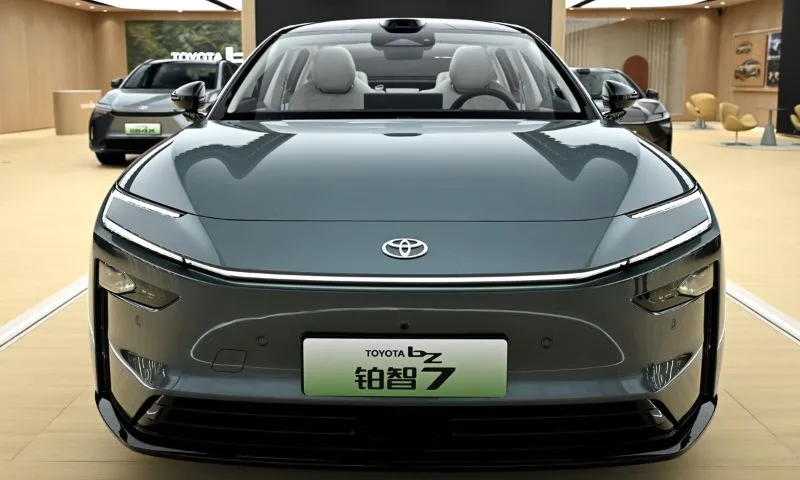
Toyota’s New Luxury EV Sells 3,000 Units in Just One Hour
Japanese automaker Toyota has officially launched its new luxury electric sedan, the Toyota bZ7, in China, marking a significant step in its expanding electric vehicle strategy. The vehicle has already made a powerful market entry, securing more than 3,000 bookings within just one hour of launch, reflecting strong consumer demand in the world’s largest EV market. Affordable luxury positioning shakes up EV segment The Toyota bZ7 has been introduced as an “affordable luxury” electric sedan, with a starting price of 147,800 yuan, approximately 21,500 dollars. The model is available in five variants, with the top-end version priced at 199,800 yuan, or roughly 29,000 dollars. This pricing places it in direct competition with electric vehicles from brands such as BYD and Tesla, both of which dominate China’s EV landscape. Industry analysts note that Toyota’s competitive pricing strategy is aimed at regaining market share in China, where local manufacturers have taken a strong lead in electric mobility. Advanced technology and smart ecosystem integration The bZ7 comes equipped with cutting-edge technology designed to enhance user experience and connectivity. It features Huawei HarmonyOS 5.0, making it one of Toyota’s most technologically advanced vehicles to date. The system allows seamless integration with Xiaomi’s smart ecosystem, enabling users to control home devices directly from the car. In addition, the car includes Momenta’s R6 advanced driver assistance system, supported by a roof-mounted LiDAR, allowing autonomous driving capabilities in both urban and highway environments. Performance and battery efficiency The Toyota bZ7 is powered by a front-wheel-drive electric motor producing 118 kW of power and 250 Nm of torque. The sedan accelerates from 0 to 100 kilometers per hour in 8.7 seconds, offering a balance between performance and efficiency. Two battery configurations are available: 71 kWh battery offering up to 600 km range 88 kWh battery offering up to 700 km range The vehicle also supports fast charging, allowing it to charge from 10 percent to 80 percent in approximately 28 to 30 minutes, depending on the variant. Premium interior and comfort features Toyota has focused heavily on comfort and luxury in the bZ7’s interior design. The vehicle features zero-gravity front seats with heating, ventilation, and massage functions. It also includes a 15.6-inch infotainment display and a 27-inch head-up display, offering a high-tech driving experience. These features position the bZ7 as a strong competitor in the premium EV segment while maintaining affordability. Part of Toyota’s China-focused EV strategy The launch of the bZ7 reflects Toyota’s broader strategy to develop China-specific electric vehicles to compete with local manufacturers. The company has been working closely with Chinese partners such as GAC to introduce technologically advanced and cost-effective EVs tailored for the domestic market. China remains the largest and most competitive EV market globally, with intense price competition and rapid technological innovation. Potential impact on Pakistan market While the Toyota bZ7 is currently limited to China, its launch raises questions about its potential arrival in Pakistan. Experts suggest that if introduced locally, the bZ7 could attract buyers looking for a luxury yet relatively affordable electric vehicle. However, challenges such as limited charging infrastructure, high import duties, and evolving EV policies may affect its adoption. Pakistan’s EV market is gradually growing, with increasing interest in hybrid and electric vehicles, but infrastructure development remains a key hurdle. Global EV race intensifies Toyota’s move comes amid increasing competition in the global EV market, particularly in China, where companies like BYD and Tesla continue to dominate. The bZ7 represents Toyota’s effort to close the technology gap and offer competitive alternatives with advanced software integration and longer driving ranges.

Italy Knocked Out Again: Miss Third Straight World Cup After Penalty Shock
Italy’s World Cup nightmare continues as the four-time champions failed to qualify for a third consecutive tournament, losing to Bosnia and Herzegovina on penalties in a dramatic European play-off clash. The defeat marks one of the darkest chapters in Italian football history, extending a shocking run of absences from the world’s biggest tournament. Heartbreak in the Play-Off Final The match ended level after regular and extra time, forcing the contest into a tense penalty shootout where Bosnia held their nerve to secure qualification. Italy, who dominated large spells of the game, were unable to convert their chances into a decisive lead. Their failure in front of goal ultimately proved costly as the tie slipped into penalties. In the shootout, Bosnia were clinical, while Italy faltered under pressure, missing crucial spot-kicks that sealed their fate. Historic Low for Italy This result means Italy will miss the World Cup for the third consecutive time, a situation almost unimaginable for a nation with such a rich footballing legacy. The Azzurri last lifted the World Cup in 2006, but since then, their fortunes have declined sharply: Failed to qualify for 2018 World Cup Missed out again in 2022 Now eliminated from 2026 qualification The latest setback raises serious questions about the direction of Italian football and its ability to rebuild at the highest level. Bosnia Celebrate Historic Qualification For Bosnia and Herzegovina, the victory represents a historic achievement. Winning under immense pressure, the team displayed composure and resilience throughout the match and especially during the penalty shootout. Their qualification adds another milestone to their football journey and highlights the growing competitiveness of European football. Reaction and Fallout The defeat has triggered widespread criticism in Italy, with fans and analysts questioning team selection, tactics, and overall management. Italy’s struggles in major qualifiers have often been linked to: Lack of consistency in squad development Tactical uncertainty Over-reliance on aging players Football experts believe structural changes may now be necessary to revive the national team. Italy’s absence will be a major talking point heading into the World Cup, as one of the sport’s most historic teams will once again be missing from the global stage. At the same time, Bosnia’s qualification reflects a shift in European football, where emerging teams are increasingly capable of challenging traditional giants.
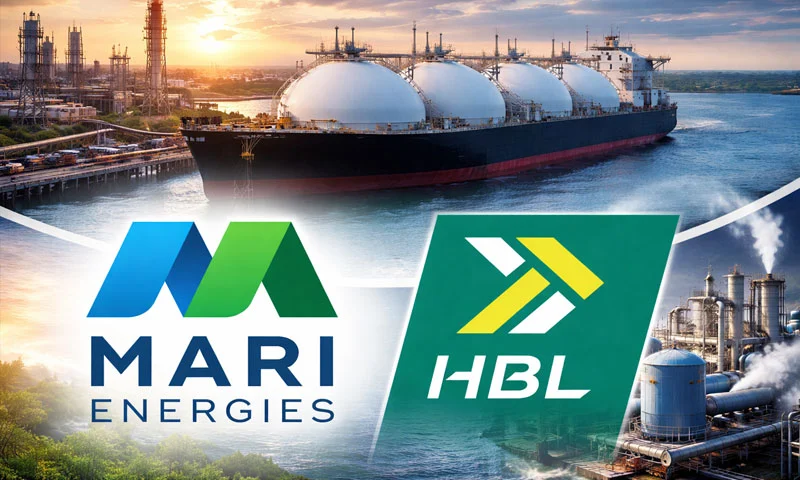
HBL Backs Mari Energies Project in Pakistan to Turn Polluting Gas into LNG
Pakistan is moving towards cleaner and more efficient energy solutions as Habib Bank Limited (HBL) has stepped in to finance a major emissions reduction project led by Mari Energies Limited. The initiative aims to convert harmful gas emissions into commercially valuable liquefied natural gas, marking a significant step toward sustainability and energy optimization. Major Financing Agreement Announced Mari Energies informed the Pakistan Stock Exchange that HBL has been formally mandated to arrange financing for its emissions reduction project at the Sachal Gas Processing Complex. The agreement was finalized during a signing ceremony held at Mari Energies’ head office in Islamabad on March 31, 2026. The project will be funded through a combination of sponsor equity and debt financing arranged by HBL. The company noted that the financing arrangement remains subject to regulatory approvals and completion of required formalities. Turning Emissions into Profit At the heart of the initiative is a newly established special purpose company named GHG Emissions Mitigation Limited (GEM), created in partnership with Ghani Chemical Industries Limited. The project will focus on capturing methane emissions by recovering hydrocarbons from exhaust gas streams produced during operations. These recovered hydrocarbons will then be processed into: Liquefied natural gas Industrial and food grade carbon dioxide This approach allows the company to transform waste emissions into commercially viable products while reducing environmental impact. Environmental and Economic Impact Methane is one of the most harmful greenhouse gases, and reducing its release is critical for tackling climate change. By capturing and converting emissions, the project aligns with global efforts to promote cleaner energy solutions. Experts note that such initiatives not only reduce pollution but also help countries like Pakistan: Improve energy efficiency Reduce reliance on imported LNG Generate additional revenue streams from byproducts Pakistan has long faced energy shortages and increasing import costs. Projects like this could help bridge the gap by maximizing domestic resource utilization. Strategic Importance for Pakistan’s Energy Sector Mari Energies is one of Pakistan’s leading exploration and production companies and plays a key role in supplying gas to industries and power producers. The company has also recently made new gas discoveries, highlighting its growing importance in strengthening domestic energy supplies. The GEM project reflects a broader shift in Pakistan’s energy sector toward sustainability, innovation, and value creation from existing resources. Regulatory Compliance and Disclosure The development was disclosed as material information under the Securities Act, 2015 and relevant Pakistan Stock Exchange regulations, ensuring transparency for investors and stakeholders.

No More Leniency: PCB Enforces Strict Hotel Rules in PSL
The Pakistan Cricket Board has introduced strict new security measures for the ongoing Pakistan Super League 2026 following a high-profile breach involving Shaheen Shah Afridi and Sikandar Raza in Lahore. The move comes as the league faces growing scrutiny over discipline and security lapses during one of its most sensitive editions. New Rules: No Guests Without Approval According to reports, the PCB has enforced a strict new policy restricting player interactions inside team hotels. Under the revised rules: Players are not allowed to host guests in their rooms Only immediate family members may be allowed, with 24-hour prior approval required All other meetings must take place in designated public or business areas Clearance from team management and security officials is now mandatory These measures aim to ensure a controlled and secure environment during the tournament. Officials have made it clear that leniency in enforcing hotel protocols has now ended, especially given the heightened security environment surrounding PSL 2026. What Happened in Lahore? The crackdown follows a late-night incident on March 28 at a team hotel in Lahore. According to a police letter: A request was made twice to allow four visitors to meet Sikandar Raza The request was denied by PCB security officials and PSL management Despite this, the players allegedly bypassed security and escorted the visitors to a room The guests remained there for over two hours Authorities described the incident as a serious breach of established security protocols designed to protect players and the integrity of the league. Police and PCB Response Punjab Police formally reported the incident to PSL management, calling it a violation of the league’s safety framework. The letter stated that the players “disregarded the directives and forcefully escorted” visitors despite resistance from on-duty security staff. Officials stressed that strict compliance with protocols is essential to avoid “any untoward or potentially harmful situations.” Players Respond to Allegations Following the controversy, Sikandar Raza publicly took responsibility for the incident. He explained that the breach occurred due to confusion over updated rules, noting that in previous PSL seasons, players were generally allowed to meet family and friends inside hotels. Raza admitted he requested assistance from the team captain and was unaware of the stricter SOPs in place for this year’s tournament. PSL Under Pressure Amid Multiple Controversies The security breach comes at a time when PSL 2026 is already facing several challenges: Matches are being held under tight restrictions and limited access The tournament is being played in a controlled environment due to regional tensions and logistical issues Other controversies, including disciplinary cases, have raised concerns about governance Reports indicate that PCB leadership is keen to avoid further incidents and protect the league’s reputation. Why This Matters Security protocols in international sporting events are critical, especially in Pakistan where high-profile tournaments require coordinated efforts between law enforcement and cricket authorities. The latest measures highlight PCB’s intent to: Maintain a bio-secure and controlled environment Prevent disruptions to the tournament Reinforce discipline among players and staff With PSL expanding in scale and global visibility, ensuring strict compliance has become a top priority.
