


Chief Minister Sindh Murad Ali Shah has also announced that the government will rebuild the structure within two years, ensuring that affected traders are accommodated in the new development. He assured that shop owners would be allocated the same space as they previously had, aiming to restore their businesses without additional burden. The provincial government has already initiated compensation measures for victims, including financial assistance for families of those who died and support packages for traders who lost their livelihoods. Temporary relocation arrangements have also been made to help shopkeepers resume business activities while reconstruction plans move forward. Investigation and Accountability Measures Authorities have launched investigations into the cause of the fire and possible negligence. Early findings suggest the blaze spread rapidly due to flammable materials and poor safety infrastructure, including a lack of proper fire exits and equipment. Officials have vowed strict action against those found responsible. The chief minister stated that accountability would be ensured across both private management and public institutions. He also directed authorities to conduct audits of other commercial buildings across Karachi, warning that non-compliant structures could be sealed if safety standards are not met. Wider Concerns Over Fire Safety in Karachi The Gul Plaza tragedy has reignited debate over fire safety enforcement in Karachi’s commercial centres. Experts say many older buildings in the city lack proper fire safety systems, including alarms, sprinklers and emergency exits, increasing the risk of similar disasters. The incident has prompted calls for stricter regulations, improved inspections and mandatory safety compliance across all commercial properties. A Turning Point for Urban Safety The demolition order marks a critical step in addressing the immediate danger posed by the damaged structure, while also signalling a broader push toward improving urban safety standards. With reconstruction plans underway and investigations continuing, the Gul Plaza incident is expected to remain a key reference point in discussions on building safety, regulation and disaster preparedness in Pakistan.
Pakistan Could Become World’s 4th Most Populous Country in 5 Years
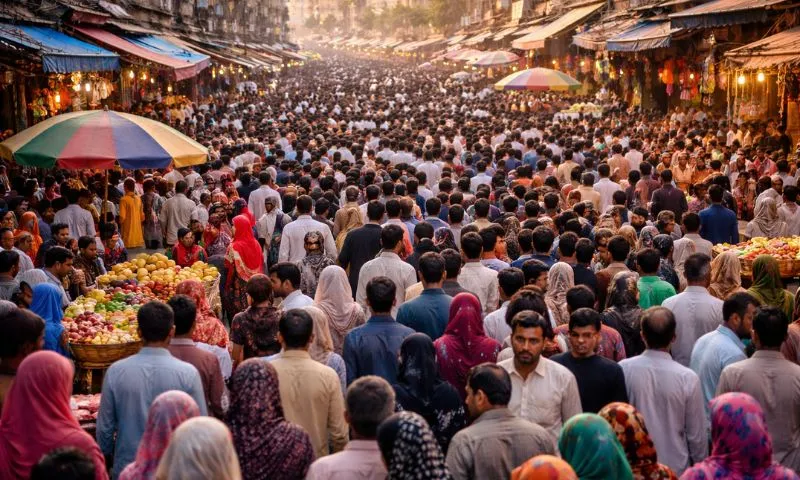
Pakistan could rise to become the world’s fourth most populous nation within the next five years, according to officials and demographic projections, highlighting growing concerns over rapid population expansion and its impact on the country’s future. Rapid Growth Could Change Global Rankings Pakistan is currently the fifth most populous country in the world, with a population exceeding 240 million. Health authorities have warned that if the current growth trend continues, Pakistan could surpass countries like Indonesia to become the fourth most populous nation globally within five years. Officials have linked this trajectory to persistently high fertility rates and limited progress in population control measures. Population Expanding at Alarming Pace Experts say Pakistan’s population is increasing by around four to five million people every year, placing immense pressure on resources and infrastructure. The country’s population has already crossed 241 million and is projected to exceed 300 million within the next five years if current trends persist. This rapid growth rate is among the highest in South Asia, raising concerns among policymakers and development experts. Strain on Economy, Resources and Services The growing population is increasingly being seen as a major challenge for Pakistan’s economy and development planning. Experts warn that unchecked population growth could worsen unemployment, strain healthcare and education systems, and increase poverty levels. The pressure is already visible in multiple sectors, including food security, housing, water availability and job creation, with demand outpacing supply in many areas. Call for Urgent Policy Action Officials and experts have stressed the need for urgent action to manage population growth through improved family planning, education and awareness programmes. They emphasised that better access to reproductive health services, female education and economic empowerment are key to slowing population growth. Without immediate intervention, analysts warn that Pakistan’s development goals and economic stability could face serious setbacks. Population as Opportunity or Challenge While some policymakers argue that a large population can be an economic asset if properly managed, many experts caution that without effective planning, it could become a long-term liability. International organisations such as the United Nations Population Fund have also urged Pakistan to integrate population management into national planning to ensure sustainable development. A Defining Challenge for the Future The prospect of becoming the fourth most populous country underscores the urgency of addressing population dynamics. With millions being added each year, Pakistan faces a critical moment where policy decisions made today will determine whether population growth becomes a driver of economic strength or a source of persistent challenges.
New York Times Fires Freelancer for Using AI in Book Review
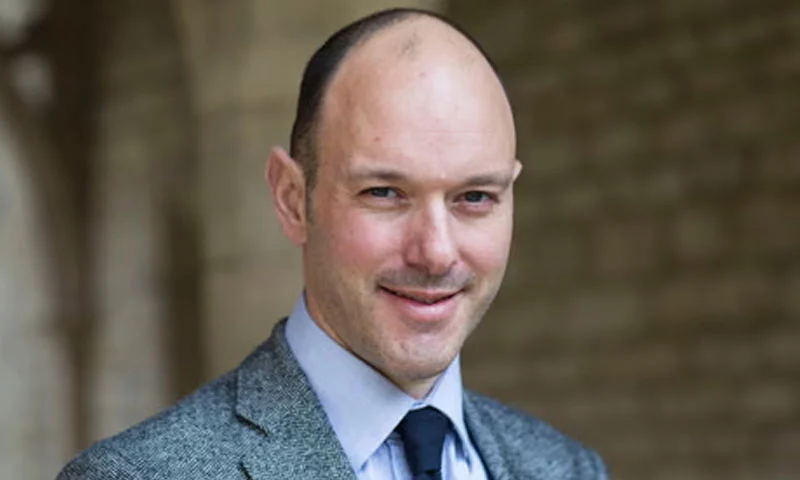
The New York Times has ended its relationship with a freelance journalist Alex Preston after it emerged that artificial intelligence was used to help write a book review that contained similarities to previously published work. The case has reignited debate around the role of AI in journalism and the ethical boundaries of its use in editorial content. The issue came to light when a reader noticed striking similarities between a review published in January and an earlier critique of the same book. The review in question focused on Watching Over Her by Jean-Baptiste Andrea and raised concerns over overlapping language and descriptions. Investigation Reveals AI-Assisted Writing Following the complaint, the publication launched an internal investigation. During the process, the writer admitted to using an AI tool to assist in drafting the review. According to the findings, the tool incorporated material from another published review, which was not properly identified or removed before submission. An editor’s note was later added to the review acknowledging the issue. It stated that the use of AI and inclusion of unattributed material constituted a breach of editorial standards. Journalist Issues Apology The freelance writer acknowledged the mistake and expressed regret over the incident. In a statement, he said he was “hugely embarrassed” and admitted that he had “made a serious mistake” in relying on AI during the drafting process. He further clarified that he had not used AI in his previous work for the publication and had immediately taken responsibility after the issue was identified. Overlap With Existing Review Raises Concerns The controversy centered on similarities between passages in the published review and an earlier critique of the same book. Descriptions of characters and thematic conclusions appeared closely aligned, raising concerns about originality and attribution. The publication subsequently informed the outlet where the original review appeared and updated its own article to reflect the issue. Growing Debate Over AI in Journalism The incident highlights increasing concerns within the media industry about the use of artificial intelligence in content creation. While AI tools are becoming more common, experts warn that unsupervised use can lead to issues such as plagiarism, factual inaccuracies, and erosion of trust. The case also underscores the importance of maintaining strict editorial standards as news organizations adapt to rapidly evolving technology. A Broader Industry Challenge The controversy comes at a time when publishers and media organizations worldwide are grappling with how to regulate AI use. From book publishing to journalism, the rise of AI-generated content has raised questions about authorship, originality, and accountability. For major publications, maintaining credibility remains paramount, and this case serves as a reminder of the risks associated with relying on automated tools without proper oversight.
NASA Sends Humans Back Toward the Moon After 50 Years
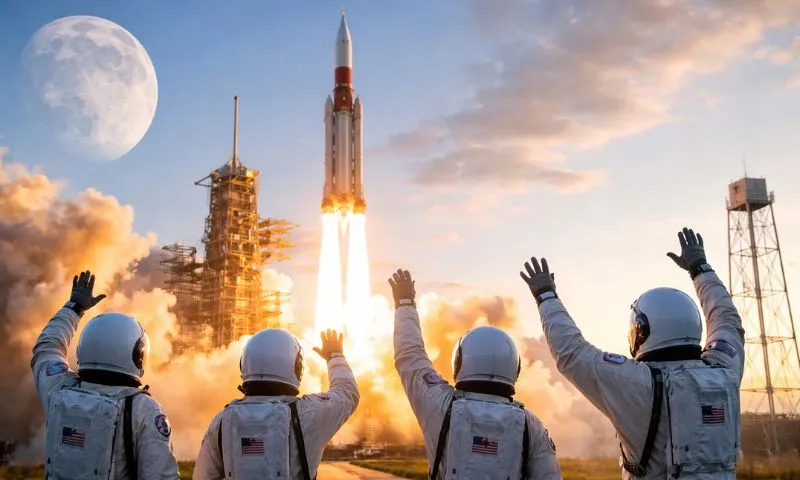
The NASA has successfully launched four astronauts on a historic mission to the Moon, marking the first crewed lunar journey since the Apollo era more than half a century ago. The mission, part of NASA’s Artemis programme, represents a major step toward returning humans to the Moon and eventually sending astronauts to Mars. Historic Launch After Decades The Artemis II mission lifted off from the Kennedy Space Center in the United States, carrying a four-member crew aboard the Orion spacecraft. This is the first time humans have travelled toward the Moon since 1972, when the last Apollo mission concluded. The astronauts include Reid Wiseman, Victor Glover, Christina Koch and Canadian astronaut Jeremy Hansen. The mission is expected to last around 10 days and will take the crew on a journey of more than 250,000 miles, farther than any humans have travelled in decades. A Test Mission Before Future Moon Landing Unlike earlier Apollo missions, Artemis II will not land on the Moon. Instead, it will perform a lunar flyby to test systems needed for future exploration. The astronauts will orbit the Moon and return to Earth, helping NASA assess critical technologies such as life support systems, navigation and deep space communication. This mission is a key step toward Artemis III, which aims to land astronauts on the Moon later this decade. A Diverse and Historic Crew The Artemis II crew reflects a new era of space exploration. Christina Koch is set to become the first woman to travel around the Moon, while Victor Glover will be the first Black astronaut on a lunar mission. Canadian astronaut Jeremy Hansen will be the first non American to join such a journey. Commander Reid Wiseman expressed the excitement of the mission shortly after launch, saying, “We have a beautiful moonrise, we’re headed right at it.” Global Significance and Future Goals NASA officials say the mission is part of a long term plan to establish a sustained human presence on the Moon and use it as a base for future missions to Mars. The Artemis programme has already involved partnerships with international space agencies and private companies, reflecting a broader global effort to expand human exploration beyond Earth. Experts say the mission also has geopolitical significance, as countries including China are advancing their own lunar ambitions. A New Chapter in Space Exploration The launch has been widely hailed as a milestone moment, reviving human exploration of deep space after decades of focus on low Earth orbit missions. With Artemis II now underway, attention will shift to the next phase of the programme, which aims to land astronauts on the Moon’s south pole and build a long term lunar presence.
Oil Price Hits $107 as Trump Signals More Strikes on Iran
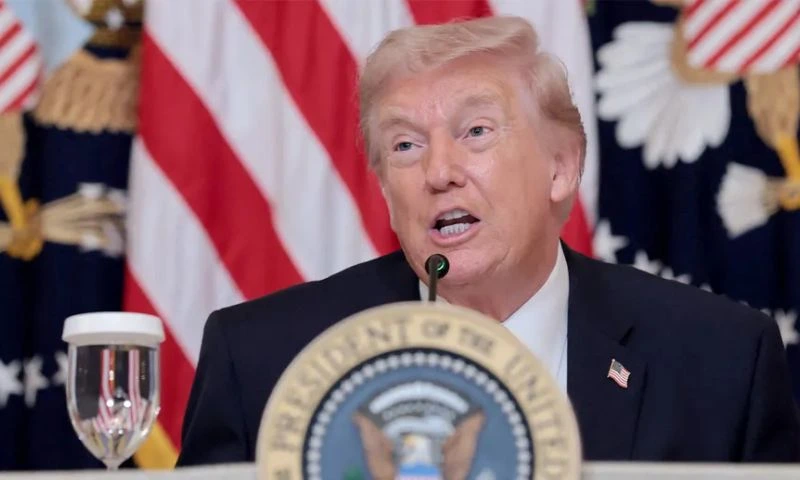
Global oil markets surged sharply after US President Donald Trump warned of intensified military action against Iran, raising fears of prolonged conflict and further disruption to global energy supplies. Brent crude jumped to $107.60 per barrel, while West Texas Intermediate rose about 6.4% to around $106.50, as traders reacted immediately to the remarks. The spike reversed earlier optimism that prices might stabilise. Trump’s Threat Triggers Market Shock In a televised address from the White House, Trump signalled that the United States would escalate its offensive in Iran over the coming weeks. He said the US would complete its strategic objectives “very shortly” and warned that American forces could spend the next “two to three weeks bombing Iran back to the Stone Ages.” The remarks rattled markets that had been hoping for clarity on a possible exit strategy. Instead, the speech reinforced expectations of a prolonged conflict. Oil prices, which had briefly dipped below $100 earlier in the day on hopes of de-escalation, surged within minutes of the address. Strait of Hormuz Disruption Fuels Crisis The ongoing Iran conflict has severely disrupted global oil and gas flows, particularly through the Strait of Hormuz, one of the world’s most critical energy chokepoints. Shipments through the strait have largely stalled after Iran threatened to target tankers attempting to pass, in response to US and Israeli strikes that began on 28 February. Analysts note that nearly one fifth of the world’s oil supply typically passes through this narrow waterway, making any disruption highly sensitive for global markets. In his speech, Trump said the US no longer depends on Middle Eastern energy and called on other nations to intervene and restore shipping routes. “To those countries that can’t get fuel, many of which refuse to get involved in the decapitation of Iran… build up some delayed courage, go to the Strait and just take it,” he said. Markets React as War Outlook Darkens Energy analysts said the price surge reflects a shift in market expectations. Alberto Bellorin of InterCapital Energy described the rise as a “clear market reality check following the earlier optimism for an imminent ceasefire.” He added that Trump’s speech lacked a “concrete timeline” for reopening the Strait of Hormuz and warned that normal supply conditions could take months rather than weeks to return. Experts say the absence of a clear de-escalation plan has removed hopes of a quick resolution, prompting investors to price in prolonged supply shortages. Tina Soliman-Hunter from Macquarie University said Trump’s comments signal that the war is likely to continue, reinforcing expectations that oil markets will remain tight. Asian Markets Slide Amid Energy Fears The impact was not limited to oil. Stock markets across Asia fell sharply following the speech, reflecting concerns over rising energy costs and economic instability. Japan’s Nikkei 225 dropped 2.4%, South Korea’s KOSPI fell 4.5%, and Hong Kong’s Hang Seng Index declined 1.3%. The region remains particularly vulnerable because many Asian economies rely heavily on Middle Eastern oil imports. Global Energy Risks Intensify The Iran war has already strained global supply chains, with energy markets experiencing sustained volatility since late February. Industry observers warn that continued disruption in the Gulf could push oil prices even higher, increasing inflationary pressures worldwide and affecting fuel costs, transportation, and manufacturing. With no clear timeline for resolution and escalating rhetoric from Washington, markets are bracing for further instability in the weeks ahead.

Big Move: Pakistani Teens Can Now Open Bank Accounts Independently
In a landmark move aimed at boosting financial inclusion, the State Bank of Pakistan has introduced a new framework allowing teenagers to independently open and operate bank accounts and digital wallets across the country. New Framework for Youth Banking According to reports, the initiative enables individuals aged 13 to 18 to manage their own bank accounts without relying on parents or guardians, a shift from the previous system where minors were largely limited to joint or supervised accounts. The central bank said the policy is designed to give young people direct access to financial services and help them build practical money management skills from an early age. In its official statement, SBP said the initiative aims to “foster meaningful participation of teenagers in the economy.” Bridging a Longstanding Gap Officials noted that while banking access among adults in Pakistan has improved significantly, teenagers have remained largely excluded from the formal financial system. “While overall account ownership of the adult population has risen to 67 per cent, teenagers have largely been confined to joint or parent-controlled accounts,” the central bank said. Pakistan has an estimated 26 million individuals between the ages of 13 and 18, making youth financial inclusion a critical area for policy intervention. The SBP described the framework as a step toward addressing this gap and integrating young citizens into the country’s financial ecosystem. Key Features of the Teen Account System Under the new framework, teenagers will be able to own and operate bank accounts and digital wallets independently, while still being protected under a regulated and secure banking environment. The system introduces structured access to financial services, ensuring safeguards such as identity verification and transaction monitoring remain in place. The initiative is also expected to expose young users to digital payments, savings tools, and online banking platforms, helping them adapt to an increasingly digital economy. Building Financial Literacy and Digital Skills The SBP believes that early access to banking will help develop a financially responsible and digitally aware generation. The central bank stated that the framework is intended to nurture youth who are “financially literate, digitally adept, and capable of driving future growth.” Experts say that introducing financial tools at a young age can improve saving habits, encourage responsible spending, and prepare individuals for long-term economic participation. Part of Broader Financial Inclusion Strategy The move aligns with Pakistan’s broader financial inclusion goals under the National Financial Inclusion Strategy and the SBP Strategic Plan 2023 to 2028, both of which emphasize expanding access to banking services for underserved segments, including youth. The initiative also builds on Pakistan’s growing focus on digital banking and fintech adoption, as the country continues to modernise its financial infrastructure. A Step Toward a More Inclusive Economy Calling it more than just a new banking product, the SBP described the framework as a strategic step toward a more inclusive financial system. By empowering teenagers with independent financial access, policymakers hope to strengthen economic participation and prepare the next generation for a rapidly evolving financial landscape.
MDCAT Schedule Changed: Students to Face Exam Within Weeks of FSC
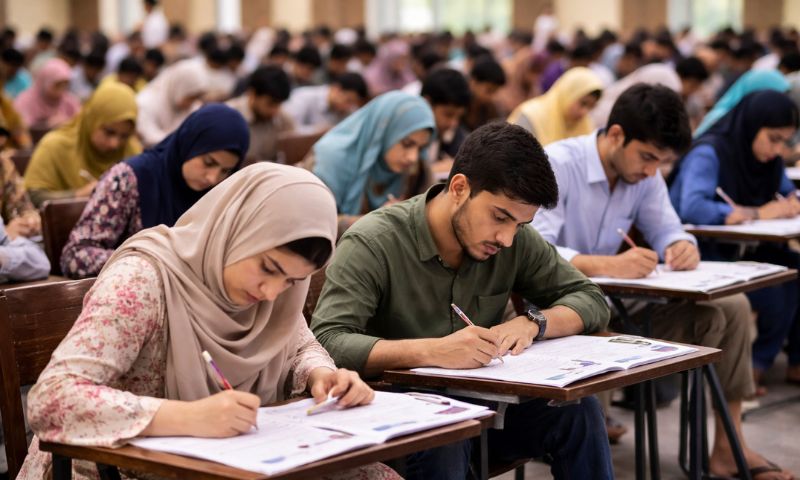
The Pakistan Medical and Dental Council has announced a major change in the schedule of the Medical and Dental College Admission Test, commonly known as MDCAT, in a move aimed at improving the admissions process and reducing delays for aspiring medical students. Exams to Be Held Soon After FSC Under the revised policy, MDCAT will now be conducted within one month after the FSC examinations. This marks a significant shift from previous years, where students often had to wait several months between their intermediate exams and the entry test, leading to uncertainty and delays in admissions. Federal Health Minister Mustafa Kamal has endorsed the decision, describing it as a positive step toward improving the academic timeline for students. PMDC President Dr Rizwan Taj confirmed that the new policy will be implemented from the 2026 academic session. He said the reduced gap would help students stay academically engaged and move more quickly into the next phase of their education. He added, “The new schedule has been cleared with provincial authorities, who have expressed readiness to conduct the exams on the revised timeline.” Faster Admissions, Streamlined Process Officials say the decision is designed to make the medical admissions system more efficient. By holding MDCAT soon after FSC exams, the overall timeline for admissions into MBBS and BDS programmes is expected to become faster and more organised. The move also reflects broader reforms in MDCAT in recent years, including the introduction of a centralised question bank and stricter monitoring mechanisms to ensure transparency and fairness in the exam process. In 2025, over 140,000 candidates registered for MDCAT across Pakistan, highlighting the scale and importance of the test for medical admissions nationwide. Concerns Over Limited Preparation Time Despite the intended benefits, the revised schedule has raised concerns among students and education experts. Many students pointed out that FSC exams are traditional written papers, while MDCAT is based on multiple-choice questions and requires a different preparation strategy. With only a few weeks between the two exams, students fear they may not have enough time to adjust their preparation methods, which could impact their performance. Education experts have suggested that additional academic support and guidance should be provided to help students adapt to the compressed timeline. Some stakeholders also proposed revisiting the FSC passing threshold, suggesting it be reduced to 20 to 30 percent to allow students to focus more effectively on MDCAT preparation. Debate Over Academic Pressure The policy has sparked a broader debate within academic circles. Supporters argue that it will save time and reduce unnecessary delays in the education system. Critics, however, warn that it could increase academic pressure on students already facing intense competition. MDCAT remains one of the most competitive exams in Pakistan, with hundreds of thousands of candidates competing each year for a limited number of medical and dental college seats. The real impact of the revised schedule will become clearer during the upcoming 2026 academic cycle, as students and institutions adapt to the new timeline.

Global Shift: Women Becoming Key Earners in Modern Economy
A major social and economic shift is underway across the world as women’s earnings and financial independence continue to rise, driven by increased participation in the workforce, entrepreneurship, and education. The trend, highlighted in recent social media discussions and supported by global data, shows that more women are not only working but also contributing significantly to household incomes and national economies. Sharp increase in women joining workforce Global data indicates that women’s participation in the workforce has been steadily improving, with women now making up over 41 percent of the global workforce in 2024. In several regions, women have accounted for a large share of new job creation. In parts of Europe, for example, women made up nearly 68 percent of new employment over two decades, reflecting a strong upward trend. This rise is being driven by factors such as better access to education, digital opportunities, and shifting cultural norms that increasingly support women working outside the home. Women’s income contribution increasing globally As more women join the workforce, their contribution to global income is also growing. Recent estimates show that around 1.4 billion women are now employed worldwide, contributing significantly to economic output, although gaps with male earnings still remain. In developed economies, women contribute up to 40 percent of export-related economic value, underlining their expanding role in global trade and industry. Experts say this growth is not only empowering women but also boosting overall economic development, as increased female participation directly contributes to GDP growth. Rise of women entrepreneurs and self-employment Another key driver behind rising earnings is the rapid growth in women-led businesses and self-employment. In countries like India, female self-employment has surged significantly in recent years, reflecting a shift toward financial independence and entrepreneurship. Digital platforms, freelancing, and online businesses have also opened new income streams for women, particularly in developing countries where traditional job opportunities may be limited. Changing social dynamics and household roles The rise in women’s earnings is also transforming household dynamics. In many families, women are now major contributors or even primary earners, changing long-standing gender roles. This shift is helping improve decision-making power for women within households and society. Recent reports also show that in some economies, women are beginning to outnumber men in certain sectors of employment, reflecting a structural shift in labor markets. Challenges remain despite progress Despite the positive trend, significant challenges still exist. Globally, women are still less likely to be employed than men, with participation rates just above 50 percent compared to around 80 percent for men. A large proportion of women also work in informal sectors, where job security and income stability are limited. Nearly 60 percent of women’s employment globally falls into this category. The gender pay gap also persists, meaning that even as women earn more than before, they still earn less than men on average. A turning point for women’s economic empowerment Experts describe the current trend as a turning point in global economic history. As more women gain financial independence, the long-term impact is expected to extend beyond individual households to entire economies, potentially adding trillions of dollars to global GDP if gender gaps continue to close. The rising earnings of women signal not just economic progress but also a broader transformation in social structures, where financial empowerment is increasingly becoming a key pillar of gender equality.

55-Year-Old Chinese Tycoon Marries 25-Year-Old Lover With $7.3M Dowry
A 55-year-old Chinese businesswoman has triggered widespread debate after marrying her much younger partner and reportedly offering him a dowry worth millions, in a story that has captured attention across social media and news platforms. From Rural Hardship to Business Empire Yu Wenhong, a self-made entrepreneur from Dalian in Liaoning province, was born into a modest family and faced financial struggles early in life. After her father’s death, she began working at just 18 to support her mother and younger brother. She started her career as an eyebrow tattoo technician before gradually building her own beauty salon business. Over time, she expanded into the fast-growing medical aesthetics industry, which focuses on non-surgical cosmetic treatments aimed at improving appearance and skin health. In 2004, Yu founded the Hong Kong-based Young Merry Real International Group. Within a year, the company had expanded to more than 150 partner outlets, marking the rise of a significant beauty empire. Her success story has often been portrayed online as a classic “rags to riches” journey, with Yu promoting financial independence and self-reliance. She once said, “Women must earn money to achieve happiness,” and added, “Men are unreliable. Only the money you earn yourself is truly dependable.” Lavish Marriage Sparks Online Debate In March 2026, Yu married her 25-year-old partner, Liu Yuchen, reportedly presenting him with a dowry worth 50 million yuan, approximately $7.3 million. The dowry reportedly included cash, property, and luxury cars, highlighting the scale of wealth involved in the union. The couple met in 2025, with Liu previously working as a model associated with Yu’s company. Their relationship quickly drew public attention, especially due to the 30-year age gap. Social media reactions have been mixed. Some users described the relationship as a “gender-reversed version of a rich man marrying a young female influencer,” while others questioned the motivations behind the marriage. One online comment read, “Everyone is playing to their strengths.” Another said, “I hope she signed a solid prenuptial agreement.” A Controversial Public Figure Yu’s personal life has also attracted attention over the years. Reports indicate this is her sixth marriage. She was previously in a long-term relationship with a younger partner and has children from earlier relationships. Her business career has not been without controversy either. In 2022, she faced allegations of concealing billions of yuan in income and evading significant taxes, adding to her polarising public image. Additionally, some treatments offered by her company have drawn criticism, including procedures lacking strong scientific backing. A Story That Reflects Changing Social Norms The marriage has reignited discussions in China about wealth, gender roles, and age differences in relationships. Many observers see it as a reversal of traditional dynamics, where wealthy older men typically marry younger women. Despite the controversy, Yu’s journey from poverty to building a multimillion-dollar business remains a central part of her public identity, making her one of the most talked-about personalities in China’s beauty industry today.
FBR Targets Social Media Income as New Tax Rules Emerge in Pakistan
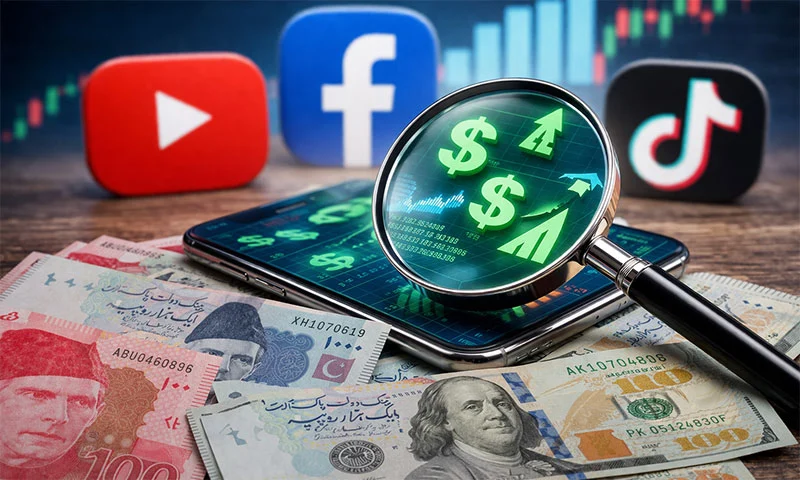
Pakistan’s Federal Board of Revenue has moved to bring social media earnings under the formal tax system, introducing a new framework aimed at regulating income generated through digital platforms such as YouTube, TikTok and other online channels. The move signals a major shift in how digital earnings are treated, as authorities step up efforts to expand the tax base and document previously untaxed income streams. The new regime has been introduced through official notifications, outlining a special procedure for taxing individuals earning income from remunerative social media content. FBR Seeks Public Feedback on New Rules As part of the process, the tax authority has also invited public input on the proposed mechanism, indicating that the framework is still evolving and may be refined based on stakeholder feedback. The initiative reflects an effort to balance enforcement with consultation as Pakistan adapts its tax system to the growing digital economy. Officials say the goal is to create clarity for content creators, freelancers and influencers while ensuring that income generated through online platforms is properly declared and taxed. Social Media Income Now Under Strict Monitoring Authorities have begun closely tracking earnings from social media platforms, signaling that digital income will no longer remain outside the tax net. The development comes amid growing concern within the government about revenue leakages from the rapidly expanding freelance and creator economy. Industry estimates suggest that Pakistan’s digital content and freelance sector has grown significantly in recent years, with thousands of individuals earning through monetized content, brand deals and online services. The new policy aims to bring these earnings into the documented economy. Potential Tax Structure and Revenue Goals Experts indicate that the government is considering applying a tax rate on social media income, with earlier proposals suggesting a rate of around 3.5 percent on earnings from platforms such as YouTube and TikTok. The move is part of broader efforts to increase tax collection and meet ambitious revenue targets. Pakistan’s tax authority has been under pressure to widen the tax base and reduce reliance on traditional sectors by tapping into emerging income streams. Impact on Content Creators and Freelancers The introduction of this regime is expected to directly impact influencers, vloggers, freelancers and digital entrepreneurs across Pakistan. While some view the move as necessary for economic documentation, others have raised concerns about compliance challenges and the need for clear guidelines. Tax experts stress that transparency and ease of filing will be critical in ensuring compliance, particularly for small scale creators who may not be familiar with tax procedures. Part of Broader Economic Reforms The decision to tax social media income aligns with Pakistan’s ongoing economic reforms aimed at increasing revenue collection and improving financial transparency. Authorities are increasingly focusing on previously untaxed sectors, including the digital economy, retail and informal markets. With the digital landscape continuing to expand, the new tax regime marks a significant step toward integrating online earnings into the country’s formal financial system.
