

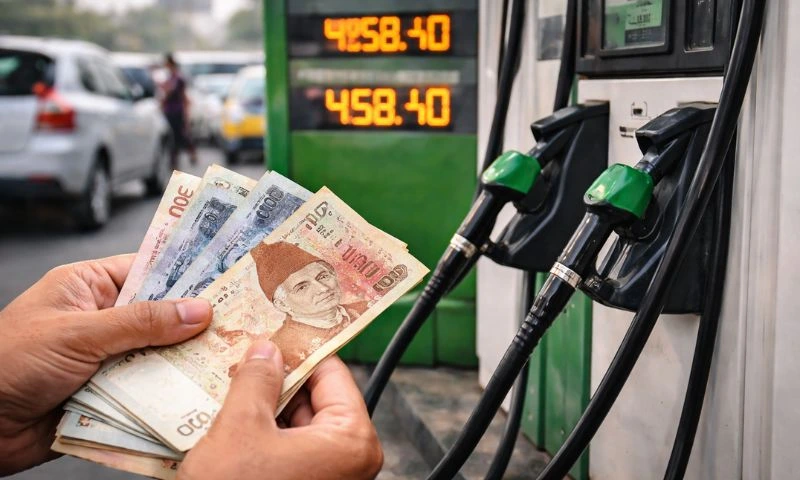
As petrol prices in Pakistan surge to record levels, new official data reveals that a significant portion of what consumers pay at the pump is not the actual fuel cost but taxes, levies and profit margins. According to government documents, Pakistanis are paying around Rs211.26 per litre in taxes and margins alone, which accounts for nearly 46% of the total petrol price of Rs458.41 per litre. This revelation comes just days after the government increased petrol prices by Rs137.23 per litre and diesel by Rs184.49 per litre amid rising global oil prices. Petrol Price Breakdown Shows Nearly Half Goes to Taxes The official pricing structure highlights how the final petrol price is built up. Out of Rs458.41 per litre: Rs247.15 is the ex-refinery price Rs211.26 is made up of taxes, levies and margins This means almost half of what consumers pay does not go toward the actual fuel itself. The largest component is the petroleum levy, which stands at Rs160.61 per litre, followed by Rs24.12 in customs duty and Rs2.5 under a climate support levy. Additional costs include: Rs7.52 inland freight margin Rs7.87 profit for oil marketing companies Rs8.64 commission for petrol pump dealers Diesel Carries Lower Tax Burden but Higher Price Impact In contrast to petrol, diesel has a much lower tax component but remains more expensive overall. Consumers pay about Rs59.12 per litre in taxes and margins on diesel, which accounts for around 11.36% of the total price. The ex-refinery price of diesel stands significantly higher at Rs461.23 per litre, explaining why its overall price has reached Rs520.35 per litre. Unlike petrol, diesel does not currently include a petroleum levy, but it still carries customs duties, freight margins and profit components. Global Oil Crisis Driving Local Prices Higher The sharp increase in fuel prices is closely linked to global developments. International oil markets have been disrupted due to the ongoing conflict in the Middle East, which has pushed prices upward and forced import-dependent countries like Pakistan to pass on costs to consumers. Pakistan imports a large portion of its fuel, making it highly vulnerable to global price shocks. What This Means for Consumers The data highlights why fuel prices feel disproportionately high for consumers. Even if global oil prices stabilise, a large portion of petrol cost will still come from domestic taxes and margins. For an average car owner using 20 litres weekly: Around Rs4,200 of the bill goes toward taxes and margins Only about Rs4,900 reflects the actual fuel cost This structure means any increase in taxes or levies can significantly impact final prices. Ripple Effect on Inflation and Cost of Living High fuel costs combined with heavy taxation are expected to push inflation further. Fuel directly impacts: Transport costs Food supply chains Electricity generation Economists warn that rising fuel costs will continue to increase the price of essential goods, placing additional pressure on households already dealing with high inflation. Policy Debate Over Fuel Taxes Intensifies The breakdown has reignited debate over fuel taxation in Pakistan. Critics argue that high petroleum levies are being used as a major revenue source for the government, adding pressure on consumers. Pakistan’s economy relies heavily on taxation for revenue generation, which makes fuel levies an important but controversial tool. Supporters, however, say reducing taxes would widen the fiscal deficit and limit government spending on development and subsidies. A Structural Issue Beyond Just Price Hikes The latest data shows that Pakistan’s fuel pricing issue is not just about rising global oil prices but also about domestic taxation policies. With nearly half of petrol cost made up of taxes and margins, any meaningful relief for consumers would require structural changes in how fuel is priced. For now, however, consumers continue to bear the combined burden of global oil shocks and domestic fiscal policies.
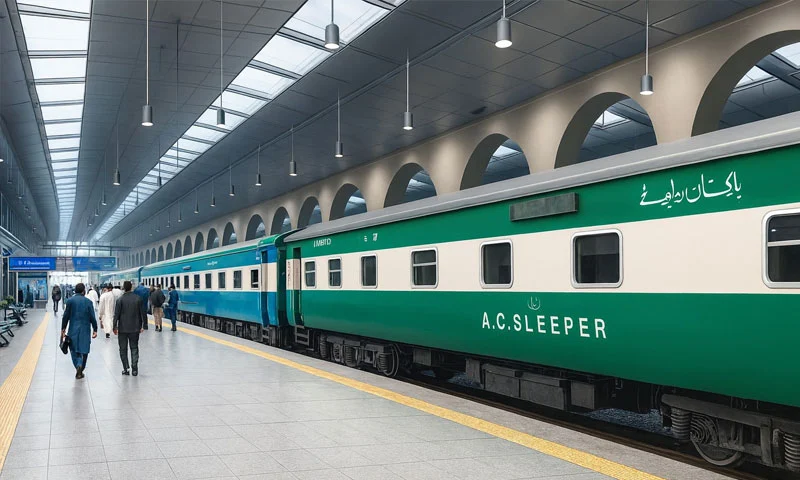
Government Decides Not to Increase Pakistan Railway Fares Despite Fuel Price Surge
The federal government has decided to keep train fares unchanged despite a sharp rise in fuel prices, in a move aimed at protecting passengers from further financial pressure. The decision comes at a time when petrol and diesel prices have surged significantly, increasing the cost of transportation across the country. Officials confirmed that passenger train fares will remain frozen, with the government choosing to absorb the additional financial burden instead of passing it on to commuters. Relief Amid Fuel Price Surge The move is part of a broader relief strategy designed to ease the impact of rising fuel costs on ordinary citizens. With fuel prices climbing due to global market pressures and domestic adjustments, transport fares across the country have already been increasing, affecting daily commuters and low income groups. By freezing train fares, authorities aim to provide an affordable travel option, especially for those who rely on railways for long distance journeys. Officials said the decision would help maintain accessibility and prevent further inflationary pressure on essential travel. Government to Bear Financial Burden To sustain the decision, the government has committed to covering the additional operational costs incurred by Pakistan Railways due to higher diesel prices. Reports indicate that billions of rupees will be allocated to compensate for the shortfall created by the fare freeze. This approach reflects a shift toward targeted relief measures, where the state absorbs part of the cost to ensure public services remain affordable during economic stress. The decision marks a reversal from earlier trends, when Pakistan Railways had increased fares following fuel price hikes. In March, fares for passenger and freight trains were raised after diesel prices surged, adding to the financial burden on travelers. The latest move signals a policy change, prioritising public relief over cost recovery in the short term. Experts say freezing train fares could help stabilize transportation costs and reduce pressure on prices of essential goods, as railways play a key role in both passenger travel and freight movement. Maintaining stable fares may also encourage more people to shift from road to rail transport, which is often more cost effective and fuel efficient. At a time when inflation remains high, such measures are seen as crucial in supporting household budgets. The fare freeze is part of a wider set of relief initiatives being implemented across Pakistan in response to the ongoing fuel crisis. Governments at both federal and provincial levels have announced subsidies and support packages targeting transport, agriculture and low income groups. Officials have indicated that these measures are temporary and may be reviewed once fuel prices stabilize and economic conditions improve.
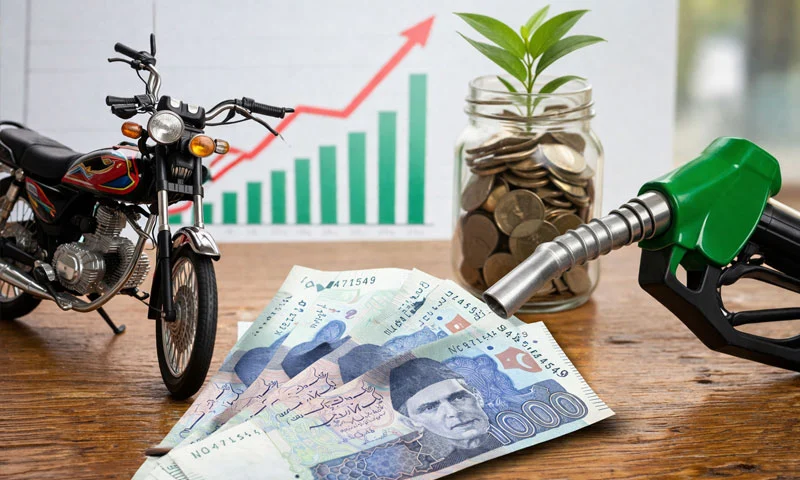
Sindh Government Announces Rs2,000 Monthly Petrol Subsidy for Motorcyclists
The Sindh government has announced a monthly petrol subsidy of Rs2,000 for registered motorcyclists in a major relief measure aimed at easing the burden of rising fuel prices. The decision comes at a time when petrol costs in Pakistan have surged sharply, putting pressure on daily commuters and low income households. Chief Minister Murad Ali Shah made the announcement during a press conference, stating that the subsidy is part of a targeted strategy to support those most affected by the recent price hikes. He acknowledged that difficult economic decisions had been taken but emphasized that the government is now focusing on providing direct relief to citizens. Who Will Get the Subsidy The subsidy will be provided to motorcyclists whose vehicles are properly registered in their own name. Authorities have clarified that only those individuals whose motorcycles are linked to their CNIC will be eligible to receive the financial assistance. Officials noted that Sindh has millions of registered motorcycles, many of which are not in the actual owner’s name. To address this, the government has also removed motorcycle transfer fees to encourage people to register vehicles correctly and become eligible for the subsidy. How the Registration Process Will Work The government is preparing to launch a digital registration system, expected to go live within a few days of the announcement. Applicants will be required to enter their CNIC details into the system, which will verify ownership through official databases. Once verified, eligible applicants will also need to provide their bank account details, including IBAN, so that the subsidy can be transferred directly to them. Payments are expected to begin soon after the registration process is completed. Direct Cash Transfer Model Unlike previous subsidy models where fuel prices were reduced at the pump, this initiative will provide direct cash transfers to beneficiaries. Each eligible motorcyclist will receive Rs2,000 per month, ensuring transparency and reducing the chances of misuse. Officials have indicated that the subsidy may initially be rolled out as a trial program for a limited period before being expanded or adjusted based on results. Part of Broader Fuel Relief Strategy The subsidy is part of a wider relief plan being implemented across Pakistan in response to the ongoing fuel crisis. Authorities have also announced support measures for farmers and transport operators, highlighting a shift toward targeted subsidies rather than blanket relief. The move follows significant increases in petrol prices, which have risen sharply in recent weeks due to higher global oil costs and domestic fiscal adjustments. Focus on Targeted Subsidies Officials say the new system is designed to ensure that financial support reaches those who truly need it. By linking subsidies to CNIC and vehicle ownership, the government aims to create a transparent and efficient mechanism for distributing relief. The initiative reflects a broader policy shift toward digitization and targeted welfare programs, especially under economic constraints that limit the government’s ability to provide universal subsidies.
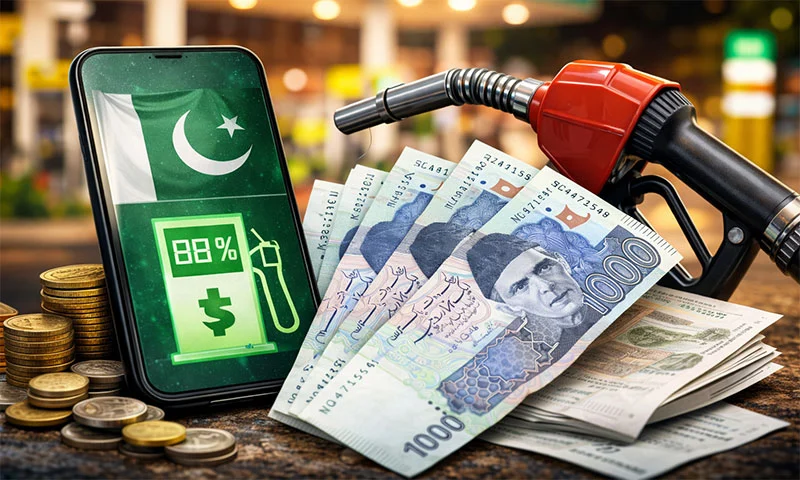
Who Can Get Subsidised Petrol in Pakistan and How? Complete Guide
Pakistan’s government is moving toward a targeted petrol subsidy system aimed at providing relief to low income citizens, particularly motorcycle riders, rickshaw drivers and small vehicle owners who are most affected by rising fuel prices. The initiative is part of broader efforts to shift from blanket subsidies to a more controlled and transparent distribution system that ensures only deserving individuals benefit. The scheme is expected to work through a digital verification system linked to CNIC and vehicle registration details, allowing authorities to monitor fuel usage and prevent misuse while easing financial pressure on vulnerable groups. SMS Registration Process Explained To make the system accessible to people without smartphones or internet access, an SMS based registration method has been introduced. Under this method, users can apply by sending their CNIC details through a simple text message. The process requires users to open their mobile messaging app, type their 13 digit CNIC number without dashes and send it to a designated shortcode. After sending the message, applicants receive a confirmation response along with further instructions regarding their eligibility and subsidy status. In some versions of the system being discussed, users may also need to provide vehicle details such as registration number to complete verification before receiving a fuel quota or voucher. Verification and Subsidy Allocation Once registered, the system checks the applicant’s details against government databases, including NADRA and vehicle registration records. If the applicant meets the criteria, they are approved for a monthly fuel quota under the subsidy program. The approved users may then receive a digital code or voucher, which can be used at designated petrol pumps to purchase fuel at a subsidized rate. The process is designed to be quick and efficient, with confirmation messages often sent within seconds of registration. Eligibility Criteria for Applicants The subsidy is primarily aimed at individuals with lower income levels who rely on fuel for daily commuting or livelihood. Applicants are generally required to have a valid CNIC, a registered vehicle in their name and a mobile number linked to their CNIC. Income thresholds are also expected to be applied to ensure that only deserving households qualify for the benefit. Motorcycles and rickshaws are likely to remain the primary focus of the scheme, while inclusion of small cars is still under consideration as part of future expansion. Shift Toward Digital Fuel Distribution The SMS system is part of a broader digital fuel quota strategy that includes a mobile application and QR based voucher system. Under this approach, users will eventually be able to track their fuel usage, generate vouchers and access subsidies through a centralized digital platform. The system is designed to ensure transparency, reduce corruption and prevent overconsumption by assigning a fixed monthly quota to each eligible user. This quota is expected to range between 20 to 30 litres for motorcycles and similar vehicles. Caution Over Unverified SMS Claims While SMS registration has been widely discussed, experts and reports suggest that not all numbers circulating on social media are officially confirmed. Some sources indicate that the government is still finalizing the system and may rely more heavily on an app based approach for full implementation. Authorities have advised citizens to rely only on official announcements and avoid sharing personal information such as CNIC details with unverified sources to prevent fraud or misuse. Part of Broader Economic Reforms The petrol subsidy initiative reflects Pakistan’s ongoing economic reforms aimed at reducing fiscal pressure while still providing relief to the most vulnerable segments of society. With fuel prices continuing to rise, the government is under pressure to balance financial sustainability with public support measures. By introducing a targeted and technology driven system, policymakers aim to ensure that subsidies are distributed fairly, efficiently and transparently, marking a significant shift in how fuel relief programs are managed in the country.
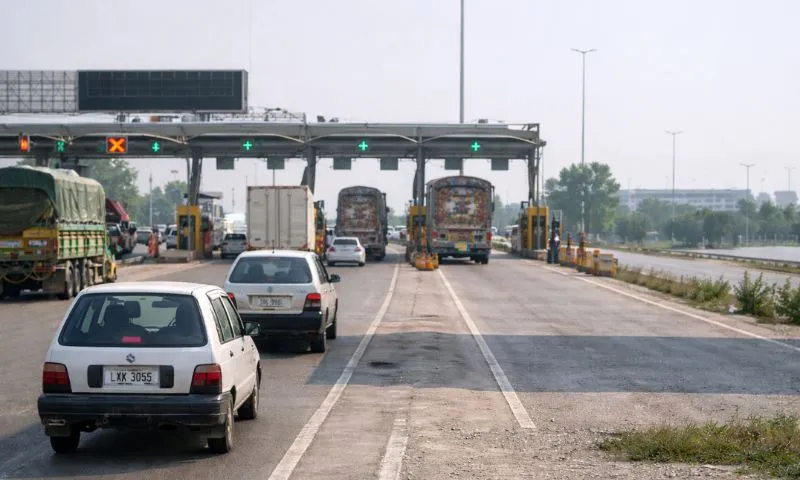
NHA Raises Motorway Tolls Again, Travel Costs Surge
The National Highway Authority has announced a fresh increase in toll tax on highways and major motorways across Pakistan, with revised rates coming into effect from April 5. The move marks the second hike this year and is expected to significantly increase travel costs for both private motorists and commercial transporters. New Toll Rates Announced Under the revised notification, toll charges for cars on national highways have been set at Rs100, while the toll at the Kohat Tunnel has increased to Rs250. Major increases have also been implemented on key motorways: Islamabad to Peshawar M-1 motorway toll for cars raised to Rs700 Lahore to Abdul Hakeem M-3 motorway increased from Rs800 to Rs1,000 Pindi Bhattian to Faisalabad to Multan M-4 motorway increased from Rs1,050 to Rs1,300 Multan to Sukkur M-5 motorway raised from Rs1,200 to Rs1,500 Dera Ismail Khan to Hakla M-14 motorway increased from Rs650 to Rs800 Hassan Abdal to Havelian to Mansehra E-35 motorway increased from Rs300 to Rs350 For heavy vehicles, toll charges have also surged significantly, with some routes exceeding Rs7,000 for large trucks. Second Hike This Year This increase marks the second revision in toll taxes in 2026, reflecting a continuing trend of rising road usage charges. Officials have linked these periodic increases to the cost of maintaining and expanding Pakistan’s highway and motorway network, which requires substantial funding due to rising construction and operational expenses. Read More: Fuel Crisis Deepens in Pakistan: Petrol, Diesel Hike Expected as LPG Prices Jump 34% Immediate Impact on Commuters The toll hike will directly affect daily commuters and long-distance travelers. For a car traveling between Lahore and Multan on the M-4 motorway, the toll has increased by Rs250 per trip. Frequent travelers could see monthly travel costs rise by thousands of rupees. Intercity commuters, particularly those who travel for work or business, will feel the impact immediately as travel becomes more expensive. Transport Costs Likely to Rise The biggest impact is expected in the transport sector. Bus operators, goods transporters and logistics companies are likely to pass on the increased toll costs to passengers and customers. This could lead to: Higher bus fares on intercity routes Increased freight charges Higher delivery costs for businesses Transporters have historically adjusted fares quickly after such increases, meaning passengers could see higher ticket prices within days. Read More: Fuel Prices Surge, Expenses Rise: How to Save Money in Tough Times Ripple Effect on Prices of Goods The toll hike, combined with already rising fuel prices, could further push inflation upward. Goods transported via highways, including food, construction materials and industrial supplies, will become more expensive to move. As a result: Prices of vegetables and fruits transported from rural areas may rise Essential goods could see incremental price increases Supply chains may become more costly and less efficient This creates a compounded effect where both fuel and toll increases contribute to higher living costs. Pressure on Businesses and Economy Businesses that rely heavily on road transport, including logistics firms, retailers and manufacturers, will face increased operational costs. Small and medium enterprises may struggle to absorb these costs, forcing them to either increase prices or reduce margins. Economists warn that repeated increases in transport-related costs can slow economic activity and reduce competitiveness. Infrastructure Funding vs Public Burden While the NHA maintains that toll increases are necessary to sustain infrastructure development and maintenance, critics argue that the growing financial burden on the public is becoming unsustainable. The authority has emphasised that improved road quality and expansion projects require consistent funding, but commuters are increasingly questioning the frequency of price hikes. A Growing Cost of Mobility With fuel prices already at record highs and now toll taxes increasing again, the overall cost of mobility in Pakistan is rising sharply. For ordinary citizens, this means more expensive travel, higher cost of goods and reduced affordability. The combined effect of fuel and toll increases is expected to remain a key economic concern in the coming months.
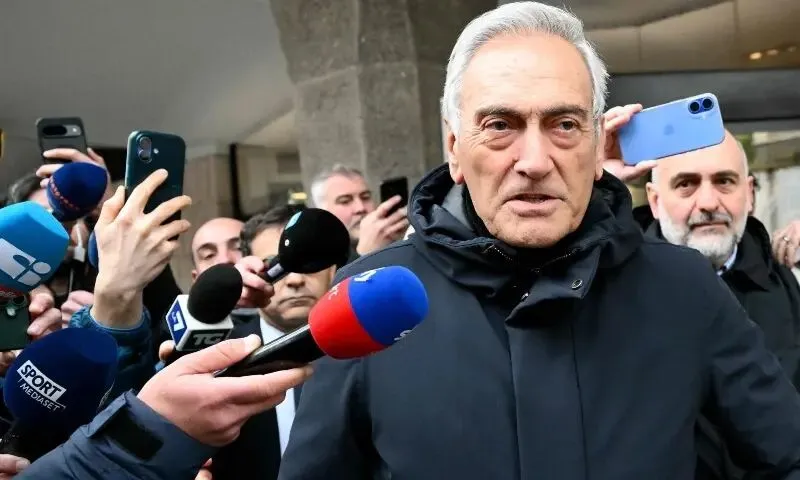
Italy Football Chief Resigns After World Cup Disaster
The head of Italy’s football federation has stepped down following the national team’s latest World Cup qualification failure, marking a major turning point for one of the world’s most successful football nations. Italian Football Federation president Gabriele Gravina resigned after Italy failed to qualify for the FIFA World Cup for a third consecutive time, triggering widespread criticism and calls for reform. Resignation Follows Historic World Cup Failure Italy, a four-time world champion, suffered a shock elimination in the qualification playoffs after losing on penalties to Bosnia and Herzegovina. The defeat confirmed that Italy will miss yet another World Cup, extending a historic decline for a nation that last played in the tournament in 2014. Gravina stepped down shortly after the loss, reversing his earlier stance to remain in position until a scheduled board meeting. “After many years there is a feeling of great bitterness, but great serenity,” he said, explaining his decision to resign after careful consideration. Political Pressure and Public Outrage Build The resignation came after strong pressure from the Italian government, with Sports Minister Andrea Abodi openly calling for leadership change. “It’s clear that Italian football needs to be rebuilt from the ground up,” Abodi said, reflecting growing frustration over repeated failures. Fans and political figures alike criticised the federation, with some calling the situation an “unacceptable disgrace” and demanding a complete overhaul of the system. The defeat has triggered what many describe as a national crisis in Italian football. Read More: Italy Knocked Out Again: Miss Third Straight World Cup After Penalty Shock A Decline Despite Past Success Gravina had been in charge since 2018 and oversaw Italy’s triumph at Euro 2020, one of the highlights of his tenure. However, that success has been overshadowed by repeated failures to qualify for the World Cup, raising questions about structural issues in Italian football. Italy has not won a World Cup match since lifting the trophy in 2006 and has struggled to maintain its dominance on the global stage. Experts point to problems such as: Weak youth development systems Overreliance on foreign players in domestic leagues Outdated infrastructure Crisis Deepens With More Resignations The fallout from the World Cup failure has extended beyond the federation chief. Legendary goalkeeper Gianluigi Buffon also resigned from his role as head of delegation, citing responsibility for the team’s failure. Reports suggest that national team coach Gennaro Gattuso could also step down, as pressure mounts for sweeping changes across the system. This wave of exits highlights the scale of the crisis facing Italian football. Future Uncertain as Rebuild Begins The federation will now hold an extraordinary assembly to elect a new president, with major decisions expected on leadership and strategy. Italy is also facing additional pressure from UEFA over infrastructure concerns, with warnings that it could lose hosting rights for Euro 2032 if stadium upgrades are not completed in time. Experts say the country must act quickly to rebuild its football system and restore its international standing. Read More: FIFA World Cup 2026 at Risk Amid Escalating US–Iran Conflict A National Wake-Up Call Italy’s latest World Cup failure is being seen as more than just a sporting setback. It represents a broader decline in a footballing system that once dominated the world stage. For a country where football is deeply tied to national identity, the absence from three consecutive World Cups has become a defining crisis. The resignation of the federation chief may be the first step in a long and difficult rebuilding process.

Australia Cracks Down on Gambling Ads in Major Reform
Australia has announced sweeping new restrictions on gambling advertisements, targeting what officials describe as the growing normalisation of betting, especially among young people and sports audiences. The reforms, unveiled by Anthony Albanese, are being described as the most significant overhaul of gambling advertising rules in the country, though critics argue they do not go far enough. New Rules to Limit Gambling Ads Across TV, Online and Sports Under the new measures, gambling advertisements will face strict limits across multiple platforms. Television ads will be capped at three per hour between 6am and 8:30pm, with a complete ban during live sports broadcasts in that timeframe. Radio ads will also be prohibited during school drop-off and pick-up hours, while online gambling ads will only be allowed for users over 18 who are logged into accounts. The reforms also ban celebrities and sports personalities from appearing in gambling advertisements and remove betting promotions from sports uniforms and venues. Officials say these steps aim to reduce exposure to gambling content, particularly for children and vulnerable groups. Read More: Are Productivity Apps Helping or Just Creating More Work? Government Calls It “Most Significant Reform” Prime Minister Albanese defended the move, calling it a major step toward protecting public health. He said the government is “taking decisive action” to ensure that children are not constantly exposed to betting promotions and that gambling is not seen as a normal part of sport. He added that the goal is to strike a balance between allowing adults to gamble and limiting harm caused by excessive advertising. Critics Say Measures Fall Short of Full Ban Despite the sweeping changes, the reforms have faced criticism from public health advocates and lawmakers. Experts point out that a government inquiry had previously recommended a complete ban on online gambling advertising, which has not been implemented. Critics argue that limiting ads rather than banning them entirely may not be enough to address the scale of gambling-related harm in Australia. Some also raised concerns that the opt-out system for online ads places responsibility on users rather than companies. Gambling Ads Linked to Harmful Behaviour Research has shown a strong link between gambling advertising and risky betting behaviour. A study by the Australian Institute of Family Studies found that frequent exposure to betting ads increases the likelihood of impulsive gambling and financial harm, particularly among young people. The report highlighted that many Australians believe gambling advertising is excessive and contributes to addiction, with growing public support for stricter regulation. Impact on Sports, Media and Industry The crackdown is expected to have significant financial implications for broadcasters and sports organisations. Gambling companies are major advertisers and sponsors in Australia, particularly in sports leagues. Restrictions on ads and branding could reduce revenue for: Television networks Sports teams and leagues Advertising agencies Industry groups have warned that the reforms could disrupt funding models for sports and media, though the government insists public health concerns must take priority. Read More: FBR Targets Social Media Income as New Tax Rules Emerge in Pakistan A Shift in Policy as Concerns Grow The move reflects a broader shift in Australia’s approach to gambling regulation, as authorities respond to rising concerns about addiction and social harm. Officials have also indicated plans to block illegal offshore gambling platforms and introduce further consumer protection measures in the future. A Balancing Act Between Freedom and Protection While the reforms mark a significant step toward regulating gambling advertising, the debate over how far the government should go is likely to continue. With strong public concern about gambling harm and increasing pressure for stricter controls, Australia’s latest measures may be just the beginning of broader reforms in the sector.
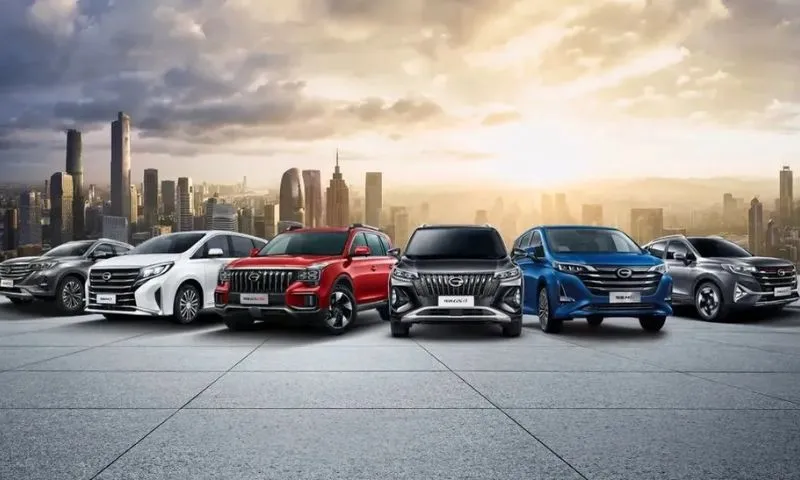
Lucky Motor Partners With China’s GAC to Bring EVs to Pakistan
Lucky Motor Corporation has entered into a strategic and exclusive partnership with GAC Group, a major Chinese automotive giant, in a move that is expected to reshape Pakistan’s automobile sector and accelerate the shift toward electric vehicles. The agreement gives Lucky Motor the exclusive rights to introduce GAC’s new energy vehicle brands in Pakistan, marking a significant expansion of its portfolio beyond existing partnerships with Kia and Peugeot. Strategic Partnership Expands Auto Portfolio Under the agreement, Lucky Motor will introduce GAC’s globally recognised electric vehicle brands, including Aion and Hyptec, into the Pakistani market. GAC Group is a Fortune 500 company that has consistently ranked among the top automotive manufacturers in China and has led vehicle quality rankings for several years. The partnership significantly strengthens Lucky Motor’s global lineup, which already includes Korean and European brands, positioning the company as a diversified player in Pakistan’s automotive market. “This collaboration allows us to bring quality-centric world-class vehicles to Pakistani consumers,” said CEO Muhammad Faisal. Read More: Kia Pakistan Ends Fuel Confusion, Says Skip High-Octane and Save Money Focus on Electric Vehicles and Advanced Technology A major focus of the partnership is the introduction of new energy vehicles, particularly electric vehicles equipped with advanced battery technologies. GAC’s ecosystem includes battery development, vehicle manufacturing and recycling systems, allowing it to offer integrated and sustainable mobility solutions. The company’s proprietary battery platforms, including next-generation solid-state batteries, are designed to improve safety and efficiency while supporting long-term sustainability. Officials said the collaboration will enable Pakistan to access: Advanced electric vehicle technology Battery swapping infrastructure Sustainable mobility solutions “This strategic partnership will enable LMC to offer Pakistani consumers robust build quality and competitively priced NEVs,” the company said. Pakistan Positioned as a Growth Market GAC officials described Pakistan as an important emerging market with strong growth potential. Wang Shunsheng, a senior GAC executive, said the company sees long-term opportunities in the country and plans rapid expansion. “Pakistan is an important growth market… we are committed to expanding rapidly,” he said. The partnership is expected to bring new investment, technology transfer and industry development, strengthening Pakistan’s automotive ecosystem. Impact on Consumers and Market Competition For Pakistani consumers, the partnership could mean greater access to modern, fuel-efficient and electric vehicles at competitive prices. With rising fuel costs and increasing environmental concerns, electric vehicles are becoming more attractive as an alternative to traditional petrol and diesel cars. The entry of GAC is also expected to increase competition in the local market, potentially leading to: Better pricing options Improved vehicle quality More technology-driven features This could challenge existing automakers and push the industry toward innovation. Read More: Want a Hybrid Car for Rs3 Million? Here Are the Best Choices in Pakistan Boost to Industry, Jobs and Local Manufacturing The agreement is also expected to support local manufacturing and job creation. Lucky Motor already operates a modern assembly plant in Pakistan, and the addition of GAC vehicles could expand production capacity and localisation efforts. Chairman Muhammad Ali Tabba said the partnership reflects a long-term vision for industrial growth. “This collaboration is of strategic importance… it reflects our long-term commitment to industrial growth, technology transfer,” he said. Experts believe such partnerships can strengthen Pakistan’s position in the regional automotive supply chain. A Step Toward Sustainable Mobility The partnership signals a broader shift toward sustainable transport solutions in Pakistan. With global trends moving toward electric mobility, the introduction of advanced EVs and battery systems could help reduce reliance on imported fuel and lower emissions. Industry analysts say this move aligns with global efforts to transition to cleaner energy and modern transportation systems.
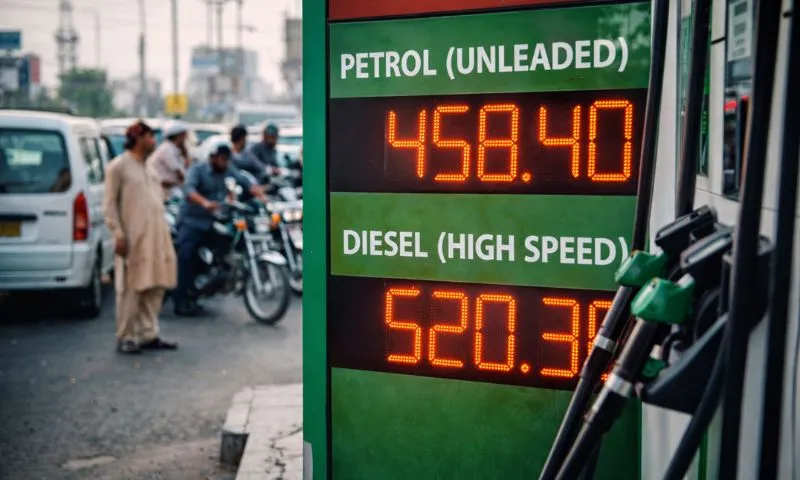
Transport, Food and Bills Set to Rise After Petrol Increase to Rs458 in Pakistan
Fuel prices in Pakistan have surged dramatically after the government withdrew its blanket subsidy on petroleum products, pushing petrol prices up by more than Rs130 per litre to around Rs458.40, while high-speed diesel has climbed to approximately Rs520.35 per litre. The increase represents one of the steepest hikes in recent years, with petrol rising by about 42.7% and diesel by nearly 55%, according to market estimates. The move comes as global oil prices surge due to escalating tensions in the Middle East, particularly disruptions linked to the Iran conflict. Subsidy Ends, Real Prices Passed to Consumers The government had been artificially controlling fuel prices by absorbing rising international costs through heavy subsidies. However, officials confirmed that continuing this policy had become financially impossible. Finance Minister Muhammad Aurangzeb acknowledged that over Rs129 billion had already been spent to keep prices stable in recent weeks. He said, “Since the resources are limited… there was no way to continue with a blanket subsidy.” Petroleum Minister Ali Pervaiz Malik also defended the decision, stating, “It was inevitable to raise the prices due to the international market prices going out of control.” With the subsidy removed, Pakistan’s fuel prices are now directly linked to global oil markets, meaning any further international increase will immediately impact domestic consumers. Read More: Fuel Crisis Deepens in Pakistan: Petrol, Diesel Hike Expected as LPG Prices Jump 34% Immediate Impact on People as Transport Costs Surge The immediate impact of the fuel hike will be felt in everyday commuting and household expenses. For example, a motorcyclist using 10 to 12 litres per week will now spend an additional Rs1,300 to Rs1,600 weekly. Car owners, depending on usage, could see their monthly fuel bills rise by Rs10,000 to Rs20,000. Public transport fares are expected to increase within days. Bus operators, rickshaw drivers and ride-hailing services typically pass on fuel cost increases quickly, which will directly affect students, office workers and low-income groups. For households already struggling with inflation, this means reduced spending power and difficult choices between fuel, food and other essentials. Prices of Food and Essentials Set to Rise The fuel price increase is expected to trigger a second wave of inflation through higher logistics costs. Pakistan’s supply chain is heavily dependent on diesel-powered transport. With diesel now above Rs520 per litre, the cost of transporting goods has increased sharply. This will likely lead to: Higher vegetable and fruit prices due to increased transport costs from farms to cities Rising flour and wheat prices as distribution becomes more expensive Increased cost of packaged goods and groceries Retailers and wholesalers are expected to pass these costs onto consumers, meaning the real impact of the fuel hike will be felt more strongly in the coming weeks. Businesses and Economy Under Pressure Industries and businesses will also come under pressure as operational costs increase. Transport companies and freight operators will raise delivery charges, which will impact manufacturers, retailers and exporters. Small businesses, especially those dependent on daily logistics, may struggle to absorb these costs. For example: Delivery services may increase charges or reduce coverage Small factories may cut production to manage rising expenses Retail shops may increase prices or reduce inventory Economists warn that such pressures could slow economic activity and reduce profit margins across multiple sectors. Inflation Risks Grow Economists say the fuel price hike will contribute significantly to inflation, which is already a major concern in Pakistan. Higher fuel prices increase the cost of almost everything in the economy, from transportation to electricity generation and manufacturing. This could lead to: Higher Consumer Price Index levels Increased cost of living for urban and rural households Greater financial pressure on fixed-income groups The State Bank and economic planners may also face new challenges in controlling inflation while maintaining growth. Global Crisis Behind the Price Shock The surge in fuel prices is closely tied to global developments, particularly the ongoing conflict involving Iran, the United States and Israel. Oil shipments through the Strait of Hormuz have been disrupted, tightening global supply. Nearly 20% of the world’s oil passes through this route, making any instability highly impactful. As global oil prices rise, import-dependent countries like Pakistan face immediate consequences, as they rely heavily on fuel imports from the Middle East. Read More: Oil Price Hits $107 as Trump Signals More Strikes on Iran Shift Toward Targeted Subsidies To offset the impact, the government has announced a shift from blanket subsidies to targeted relief. Officials say support will focus on: Motorcyclists and low-income commuters Public transport sector Small farmers However, experts argue that targeted subsidies may not fully compensate for the broader economic impact, especially as inflation spreads across multiple sectors. A Price Hike With Long-Term Consequences The current fuel price surge is not just a temporary adjustment but a structural shift in how energy prices are managed in Pakistan. With subsidies removed and global uncertainty continuing, fuel prices may remain volatile, creating long-term challenges for both policymakers and the public. For millions of Pakistanis, this is more than just a price increase. It is a direct and lasting impact on their daily lives, purchasing power and economic stability.
