


David Warner, the former Australian opening batter and current Karachi Kings captain, has been charged with drink driving following an incident in Sydney, according to police and media reports. The 39-year-old was stopped by New South Wales Police on Sunday evening in the suburb of Maroubra, where officers were conducting random breath testing. Police said a vehicle was seen stopping short of the testing site before officers approached and conducted a roadside test. “A van was seen to allegedly stop short of the testing site and park,” police said in a statement, adding that the driver returned a positive result in the initial breath test. Warner was then taken to Maroubra Police Station, where a second test allegedly recorded a blood alcohol level of 0.104, more than double the legal limit for full licence holders in New South Wales. He has been issued a court attendance notice and is scheduled to appear before the Downing Centre Local Court on May 7. Impact on career and ongoing commitments The incident has drawn attention not only because of Warner’s stature in international cricket but also due to his ongoing involvement in franchise leagues, including the Pakistan Super League. Warner, who recently led Karachi Kings in PSL 11, had played a key role in the team’s campaign and was among its top performers. Reports suggest he had taken leave from the squad for personal reasons prior to the incident, raising uncertainty over his immediate return to the tournament. The Australian cricketer retired from international cricket in 2024 after a distinguished career spanning more than a decade. He played over 100 Test matches and was a central figure in Australia’s batting lineup across all formats. Despite retirement from international duties, Warner remains active in domestic leagues and continues to be a high-profile figure in global cricket. Legal implications and public scrutiny Under New South Wales law, a blood alcohol concentration above 0.05 constitutes an offence for fully licensed drivers, with Warner’s alleged reading placing him in the mid-range category of drink-driving charges. Legal experts say such charges can result in fines, licence suspension and potential reputational consequences, particularly for public figures. The incident has also sparked debate among fans and analysts, given Warner’s prominence and leadership roles in franchise cricket. While Warner has yet to issue a public statement on the matter, the case is expected to proceed in court next month, where further details may emerge. For now, the development adds a new chapter to the career of one of Australia’s most recognisable cricketers, as both legal proceedings and sporting commitments unfold.

Hyundai Pakistan Introduces Zero-Markup Plan for Sonata Hybrid
Hyundai Nishat Motors has introduced a zero-markup financing plan for its Sonata hybrid sedan, as automakers in Pakistan intensify efforts to stimulate demand amid rising vehicle prices and slowing consumer purchasing power. The offer allows buyers to purchase the Sonata hybrid through installment plans without interest charges, making it one of the few zero-markup financing options currently available in the country’s premium sedan segment. According to details shared by the company, the scheme enables customers to spread payments over a fixed tenure while avoiding additional financial burden linked to markup, a key concern for buyers in Pakistan’s high-interest-rate environment. Industry observers say such offers are increasingly being used by automakers to maintain sales momentum in a market that has seen significant contraction due to inflation and currency depreciation. Zero-markup plan targets affordability Under the financing structure, customers are required to make a substantial upfront payment, typically ranging between 45 to 50 percent of the vehicle’s price, with the remaining amount payable in monthly installments over a period of up to 18 months. The Hyundai Sonata, one of the brand’s flagship sedans in Pakistan, is priced between approximately Rs10.3 million and Rs16.5 million depending on the variant. The zero-markup feature removes interest costs from the financing plan, although administrative charges may still apply, according to industry data. Hyundai has previously introduced similar financing offers on other models, including the Elantra Hybrid and Santa Fe Hybrid, as part of a broader push to promote hybrid vehicles in the local market. Experts say hybrid vehicles are gaining traction in Pakistan due to rising fuel prices and increasing awareness around fuel efficiency. Automakers turn to financing deals Pakistan’s auto sector has faced prolonged challenges over the past two years, including production cuts, import restrictions and declining consumer demand. High interest rates and rising car prices have made it difficult for buyers to afford vehicles through conventional financing, prompting manufacturers to introduce alternative payment models. Analysts note that zero-markup plans can help bridge the affordability gap, particularly for middle- to high-income consumers seeking premium vehicles without taking on high-interest loans. At the same time, the shift toward hybrid vehicles aligns with broader global trends, as automakers look to offer fuel-efficient alternatives in markets affected by volatile energy prices. However, experts caution that such financing schemes often require significant upfront payments, which may limit accessibility for a wider segment of buyers. Still, the latest offer reflects growing competition in Pakistan’s auto market, where brands are increasingly relying on flexible payment options and promotional campaigns to attract customers. As economic pressures persist, similar initiatives are expected to continue shaping purchasing trends, particularly in the hybrid and premium vehicle segments.
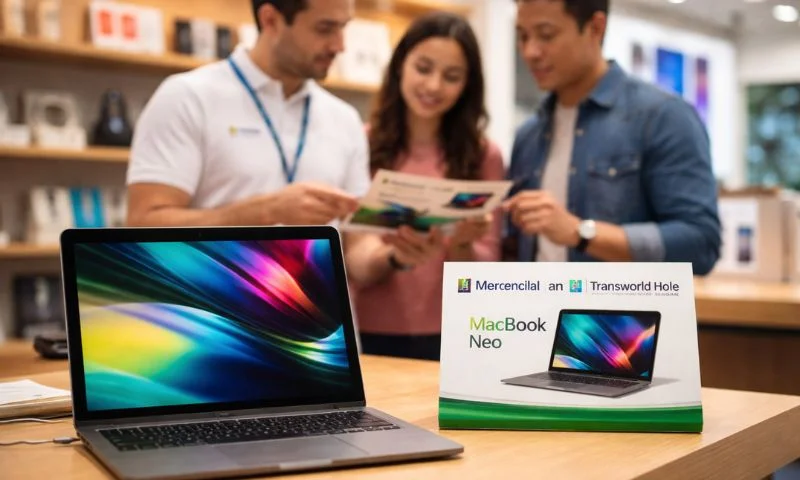
Mercantile, Transworld Launch Exclusive MacBook Neo Offer in Pakistan
Mercantile Pakistan has partnered with Transworld Home to introduce an exclusive offer on the newly launched Apple MacBook Neo, in a move aimed at expanding access to premium technology in Pakistan. The collaboration allows Transworld Home customers to purchase the MacBook Neo through a bundled offering, combining high-speed internet services with Apple’s latest entry-level laptop targeted at students and young professionals. The initiative reflects a growing trend in Pakistan’s tech and telecom sectors, where companies are increasingly collaborating to make high-end devices more accessible through bundled services and incentives. According to details shared by the companies, customers purchasing the MacBook Neo through the platform will receive additional benefits, including a Rs10,000 discount redeemable at Mercantile Care for services or future purchases. Offer to make Apple devices more accessible The MacBook Neo, recently launched in Pakistan, is positioned as a more affordable entry into Apple’s ecosystem. The device is available starting at around Rs225,000, with a one-year local warranty provided through authorised channels. Powered by Apple’s A18 Pro chip and featuring a 13-inch Liquid Retina display, the device offers up to 16 hours of battery life, targeting users who require performance for everyday work, study and creative tasks. Industry analysts say such pricing and bundled offers are designed to attract Pakistan’s growing base of freelancers, students and remote workers, who increasingly rely on high-performance laptops for global digital work. The partnership also highlights the role of telecom providers in driving device adoption, using their customer base and digital platforms to promote hardware sales. Under the agreement, Transworld Home will handle customer engagement and lead generation through its website, app and call centre, while Mercantile will manage order fulfilment, payments, delivery and after-sales support. Read More: MacBook Neo: Apple Unveils Its Cheapest Laptop Ever Growing demand for premium devices in Pakistan Pakistan’s technology market has seen steady growth in recent years, driven by rising internet penetration, freelance work and the expansion of the digital economy. The country is home to a large freelance workforce, many of whom depend on reliable hardware to deliver services to international clients. As a result, demand for high-performance laptops has increased, even as affordability remains a key barrier. Experts say partnerships like this could help bridge that gap by offering incentives and integrated services, making premium devices more accessible without upfront financial strain. Mercantile, which serves as an authorised Apple distributor in Pakistan, has been actively expanding its footprint through collaborations with telecom operators and financial institutions to improve accessibility and after-sales support. The companies say the current offer is part of a broader plan to introduce additional Apple products through similar partnerships in the future, including iPhones and iPads. As competition intensifies in Pakistan’s digital and telecom sectors, such collaborations are expected to play a key role in shaping how consumers access technology, particularly in a market where price sensitivity remains high.
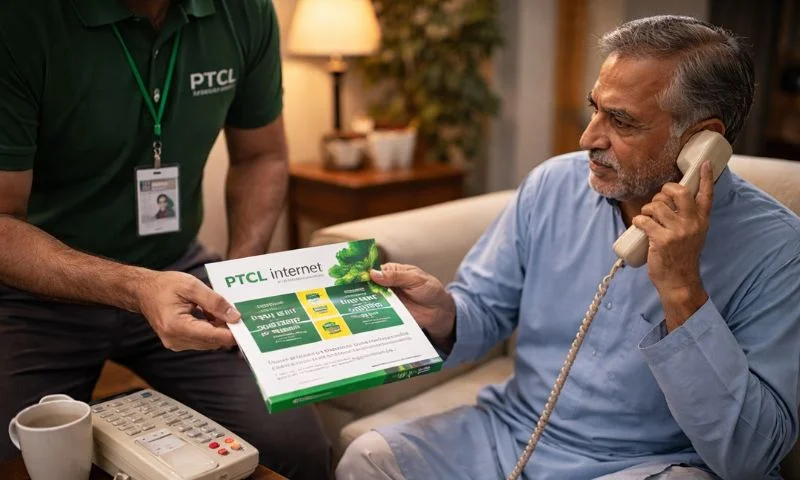
PTCL Customers Say They Are Forced to Buy Internet or Lose Landlines
Customers of Pakistan Telecommunication Company Limited in Karachi have raised concerns after being told they must subscribe to the company’s internet packages or risk losing their landline connections, according to multiple consumer accounts. Residents in areas such as DHA and Nazimabad say they have been repeatedly contacted by PTCL representatives urging them to shift from traditional copper landlines to fibre-based services bundled with internet packages. Many users claim they were informed that failure to upgrade would result in disconnection of their landline numbers, some of which they have used for decades. “Buying PTCL internet would mean paying them the same amount as what I’m paying my private internet provider. I don’t want to lose my landline but I also don’t want to lose my old internet provider,” one customer said. Another user described the situation as coercive, asking, “Can they do that? It sounds like blackmail.” Shift to fibre network sparks concerns The issue appears to stem from PTCL’s ongoing transition from legacy copper infrastructure to fibre-optic networks, which typically require bundled services including internet connectivity. While fibre networks offer faster speeds and improved reliability, consumers argue that the shift is effectively eliminating standalone landline services. According to affected users, PTCL has been promoting its fibre packages with incentives such as temporary billing waivers. However, some customers say they were charged upfront despite being told they would not be billed for an initial period. “Now after my paying them for the package, they promise not to bill me for the coming three months,” one resident said, expressing confusion over the terms. Others said they continue to receive frequent calls pressuring them to switch, warning that their existing connections may be discontinued if they refuse. Pakistan’s telecom sector has increasingly shifted toward bundled services, with operators combining voice, internet and television offerings as part of broader digital strategies. Read More: PTCL Flash Fiber Wins Top Ookla Awards for Best Network in Pakistan Consumer rights questions emerge as telecom sector evolves The controversy has raised questions about consumer choice and regulatory oversight in Pakistan’s telecom industry. PTCL remains the country’s largest fixed-line provider, operating an extensive network across more than 2,000 cities and towns. Analysts say the move toward fibre infrastructure is inevitable as older technologies become obsolete. However, they stress that consumers should retain the option to choose services based on their needs. For many users, particularly older residents, landlines remain essential for communication and security, making the prospect of losing them a major concern. Industry experts note that similar transitions in other countries have often been accompanied by clear migration policies and consumer protections to prevent forced upgrades. In Pakistan, however, regulatory clarity on such practices remains limited, leaving consumers uncertain about their rights. As complaints continue to surface, the issue highlights the challenges of balancing technological upgrades with consumer protection in a rapidly evolving telecom landscape. Read More: PTCL Beats Competition to Lead Broadband Rankings
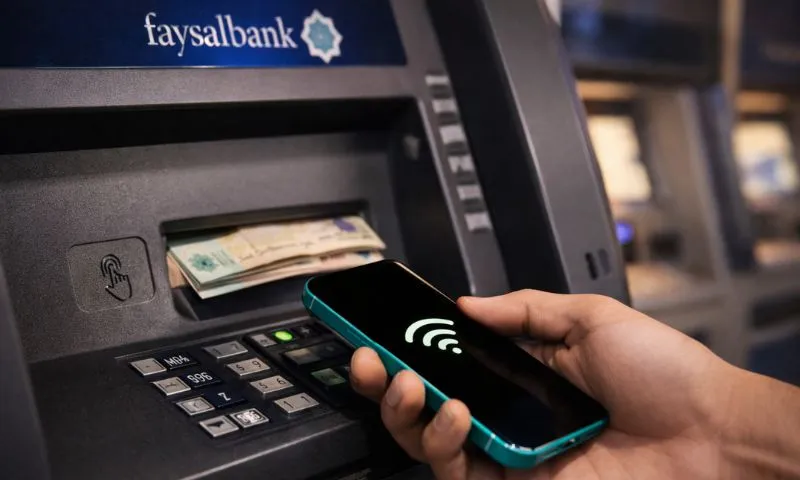
Faysal Bank Introduces Pakistan’s First Cardless ATM Withdrawal via Mobile
Faysal Bank Limited has introduced Pakistan’s first Mobile Tap and Withdraw service, allowing customers to withdraw cash from ATMs using their smartphones without the need for a physical debit card. The service enables users to digitise their debit or Noor card through the Faysal Digibank mobile application, turning their smartphones into secure, contactless access tools for ATM transactions. The move reflects a broader push within Pakistan’s banking sector to accelerate digital adoption and reduce reliance on physical banking instruments. “With a clear focus on innovation, Faysal Bank aims to create a digital-inclusive and digital-first experience for its customers,” the bank said in a statement, adding that it is working toward building a “360 experience ecosystem” to strengthen its position as a leading innovator. Contactless banking gains ground in Pakistan Under the new system, customers can tap their smartphone at enabled ATMs to initiate withdrawals. The service relies on tokenised digital credentials, which replace sensitive card details with encrypted data, enhancing security while maintaining ease of use. Globally, cardless ATM withdrawals have gained traction as banks adopt contactless technologies to improve customer convenience and security. In markets such as the United States, Europe and parts of Asia, mobile-based withdrawals are increasingly common, driven by the rise of digital wallets and near-field communication technology. Industry experts say Pakistan is gradually catching up with these trends as smartphone penetration increases and fintech adoption expands. According to central bank data, digital banking transactions in Pakistan have seen steady growth in recent years, supported by initiatives aimed at financial inclusion and digital payments. The introduction of cardless ATM withdrawals is expected to further encourage customers to shift toward mobile banking platforms, reducing dependency on physical cards and lowering risks associated with card theft or loss. Push toward a digital-first banking ecosystem Faysal Bank’s initiative comes as banks across Pakistan invest heavily in digital infrastructure to meet changing consumer preferences. The banking sector has seen a rise in mobile app usage, branchless banking services and online transactions, particularly following the pandemic, which accelerated the shift toward contactless solutions. Analysts say innovations such as mobile tap withdrawals could play a key role in shaping the future of banking in Pakistan, where a significant portion of the population remains underbanked but increasingly connected through smartphones. Faysal Bank, one of the country’s leading Islamic banks, has positioned itself as a technology-driven institution offering Shariah-compliant products across retail, corporate and investment banking. “Faysal Bank becomes the first Bank in Pakistan to offer services at par with global trends,” the statement added, highlighting the bank’s effort to align with international standards. As competition intensifies in Pakistan’s financial sector, digital innovation is expected to remain a key differentiator, with banks focusing on convenience, security and accessibility to attract and retain customers.
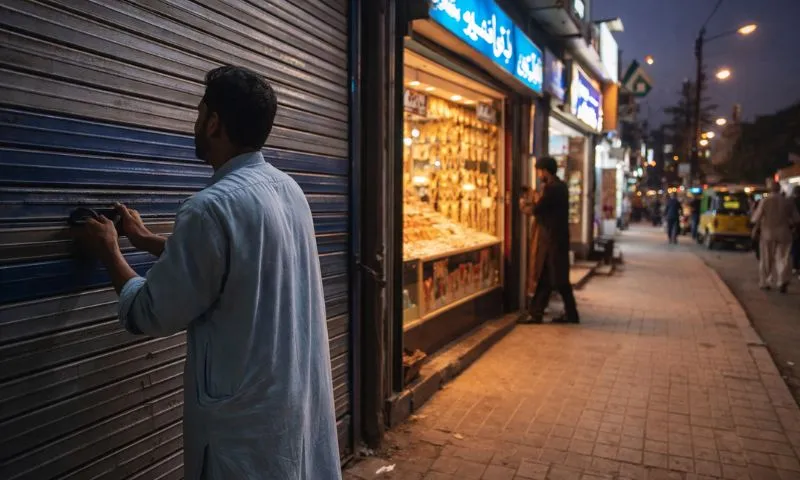
Pakistan Enforces 8PM Shutdown for Markets and Malls Except Sindh
The federal government has ordered the closure of markets and shopping malls across most of Pakistan by 8pm, as part of a nationwide effort to conserve energy amid rising fuel costs linked to the ongoing Middle East crisis. The decision was taken during a high-level meeting chaired by Prime Minister Shehbaz Sharif, where officials reviewed energy conservation and austerity measures in light of escalating global oil prices. Under the new directive, markets in Punjab, Balochistan, Islamabad, Gilgit-Baltistan, Azad Jammu and Kashmir and most parts of Khyber Pakhtunkhwa will close by 8pm starting April 7. However, Sindh has been exempted for now, with consultations still ongoing between the provincial government and business stakeholders regarding appropriate timings. New restrictions extend to restaurants, wedding halls and commercial activity The government has also imposed additional restrictions on commercial activity to further reduce energy consumption. According to the Prime Minister’s Office, bakeries, restaurants, tandoors and other food outlets will be required to close by 10pm, while marriage halls, marquees and similar venues hosting events must also shut operations by the same time. Wedding functions at private homes will not be allowed beyond 10pm, as authorities attempt to curb electricity use during peak evening hours. Medical stores and pharmacies, however, have been exempted from these restrictions to ensure uninterrupted access to essential services. In Khyber Pakhtunkhwa, a limited relaxation has been granted, allowing markets in divisional headquarters to remain open until 9pm, following consultations with the provincial government. Officials said the measures would be strictly enforced, with provincial administrations and law enforcement agencies tasked with ensuring compliance. Read More: IMF Demands Fuel Reforms: What It Means for Millions of Pakistanis Energy crisis driven by global tensions The move comes against the backdrop of a deepening energy crisis triggered by rising global oil prices and supply disruptions linked to tensions in the Middle East. The ongoing conflict has affected shipping routes through the Strait of Hormuz, a critical corridor for global oil supplies, leading to sharp increases in fuel prices and creating pressure on import-dependent economies such as Pakistan. Authorities say the early closure of markets is part of a broader strategy to reduce electricity consumption, control production costs and manage the economic impact of the crisis. The government has also introduced additional measures, including targeted fuel subsidies and austerity initiatives, to shield lower-income groups from the effects of rising energy costs. Prime Minister Shehbaz Sharif thanked provincial governments for reaching consensus on what he described as a decision of “national importance,” and expressed hope that Sindh would soon align with the policy after consultations. While officials frame the move as necessary, business groups have expressed concern over reduced operating hours and potential losses, particularly during peak evening shopping periods. For now, the government appears focused on immediate energy savings as Pakistan navigates the economic fallout of global fuel volatility. Read More: Fuel Crisis Deepens in Pakistan: Petrol, Diesel Hike Expected as LPG Prices Jump 34%
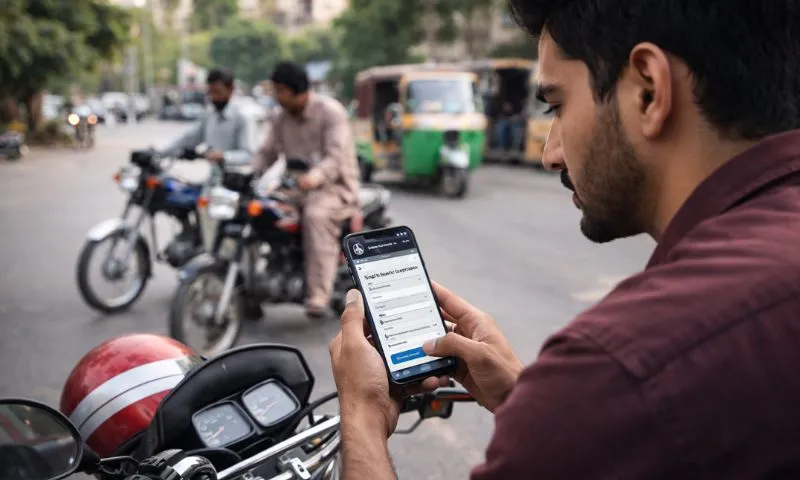
How to Apply for Sindh Bike Fuel Subsidy Step by Step
The Sindh government has opened registration for a targeted petrol subsidy for motorcyclists, offering Rs2,000 per month as part of a broader relief package introduced in response to soaring fuel prices. The initiative comes as Pakistan faces mounting economic pressure due to rising global energy costs, driven largely by escalating tensions in the Middle East and disruptions in oil supply routes. Sindh Chief Minister Murad Ali Shah said the subsidy would be provided to eligible motorcycle owners for 20 litres of fuel and transferred directly into their bank accounts after verification. The province has an estimated 6.7 million registered motorcycles, highlighting the scale of the programme and its potential impact on daily commuters. Officials said the move is part of a targeted subsidy approach aimed at providing direct financial relief rather than broad-based support. Step-by-step process to ensure subsidy transfer to verified owners To streamline the process, the government has introduced a digital registration system through the Excise Department’s online portal. Motorcyclists can apply for the subsidy by following these steps: Visit taxportal.excise.gos.pk Register through the Excise Department’s online portal or app Ensure the motorcycle is registered in your own name Ensure your bank account is also registered in your own name Complete the verification process After successful verification, the subsidy amount will be transferred automatically to your bank account For assistance, contact the Excise Department helpline at 021-111-374-634 Applicants can also check their registration status online through the same portal. Authorities have urged citizens to transfer ownership of motorcycles into their own names if needed, noting that the transfer fee has been abolished to facilitate the process. Read More: Govt Bike Subsidy Scheme: How You Can Apply Online Relief package expands as government cushion impact of energy crisis The fuel subsidy is part of a wider emergency relief package announced by the Sindh government to mitigate the impact of rising fuel prices. Alongside motorcyclists, the package includes financial assistance for farmers and transporters. Public transport fares have been frozen, with subsidies provided to operators to prevent fare hikes. Officials said the decision to provide direct cash support to individuals instead of intermediaries was aimed at improving transparency and ensuring that relief reaches those most affected. CM Murad Ali Shah emphasised that subsidies should be targeted toward the needy, adding that strict action would be taken against transporters found increasing fares despite government support. The government has also extended working hours of Excise Department offices and kept them open on weekends to facilitate registrations. Analysts say such targeted subsidy programmes reflect a shift toward direct financial assistance models, but warn that sustainability will depend on fiscal capacity and continued monitoring. For now, the initiative offers immediate relief to millions of motorcyclists struggling with rising fuel costs, as authorities attempt to manage the economic fallout of global energy volatility. Read More: Who Can Get Subsidised Petrol in Pakistan and How? Complete Guide

SBP Eases Forex Rules, Lets Freelancers Retain Up to $5,000 Monthly to Boost IT Exports
The State Bank of Pakistan has introduced a series of regulatory measures aimed at facilitating IT exporters and freelancers, in a move designed to boost foreign exchange inflows and strengthen Pakistan’s growing digital economy. The central bank said the steps are intended to simplify procedures, improve access to foreign currency and encourage exporters to bring earnings back through formal banking channels. The policy changes come at a time when Pakistan’s IT sector continues to expand, with freelancers alone generating over $500 million in foreign exchange during the first half of the current fiscal year, reflecting strong global demand for digital services. Key relaxations for exporters and freelancers Under the new framework, freelancers and IT exporters have been given greater flexibility in retaining and utilising their foreign earnings. The SBP has allowed freelancers to retain up to 50 percent of their export proceeds or $5,000 per month, whichever is higher, in their foreign currency accounts. This relaxation is expected to ease operational constraints for freelancers who often need foreign currency for international subscriptions, advertising, and service payments. In addition, the central bank has streamlined documentation requirements and eased compliance procedures, reducing delays in receiving export payments and improving cash flow for businesses. Officials said the measures are aimed at removing bottlenecks that previously discouraged exporters from routing earnings through official channels. The policy also focuses on simplifying account operations for IT firms, allowing them to manage foreign currency accounts more efficiently and make international transactions with fewer restrictions. Read More: Pakistani Freelancers Earn Over $2.22 Billion in Just Six Months Push to formalise and grow digital exports Analysts say the move is part of a broader strategy to formalise Pakistan’s fast-growing freelance economy and increase official export receipts. Pakistan’s IT exports have shown steady growth, with total exports crossing $2.24 billion in the first half of FY26, indicating the sector’s increasing importance in the country’s economic landscape. However, recent data has also shown fluctuations in monthly export earnings, highlighting the need for policy support to sustain momentum. Industry experts believe that easing foreign exchange rules could encourage more freelancers and companies to declare their full earnings, improving transparency and boosting official reserves. At the same time, the changes are expected to enhance Pakistan’s competitiveness in the global IT market, where freelancers and remote workers play a key role. Read More: FBR Targets Social Media Income as New Tax Rules Emerge in Pakistan Challenges remain despite reforms While the measures have been welcomed by industry stakeholders, experts caution that structural challenges persist. Issues such as inconsistent internet connectivity, taxation complexities and access to international payment platforms continue to affect freelancers. There are also concerns about ensuring that exporters fully repatriate their earnings, a long-standing issue highlighted by policymakers. Still, the SBP’s latest initiative is seen as a positive step toward aligning Pakistan’s regulatory framework with global digital economy trends. As demand for remote work and IT services continues to rise globally, policymakers hope these reforms will help Pakistan capture a larger share of the international market.
