

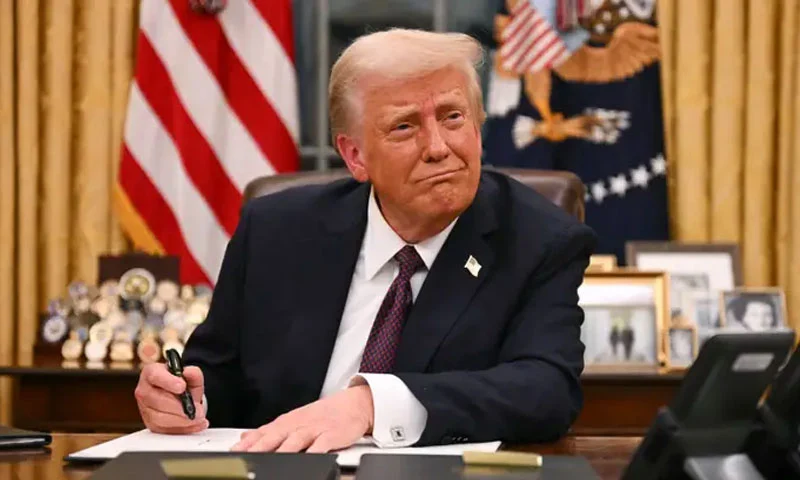
US President Donald Trump has said Washington will “work closely” with Iran following a fragile ceasefire brokered by Pakistan, signalling a potential shift from military confrontation to cautious diplomacy after weeks of conflict. The remarks came after the United States and Iran agreed to a two-week ceasefire, a deal facilitated through Islamabad’s backchannel efforts at a critical moment when both sides were on the brink of further escalation. The truce, announced just hours before a US-imposed deadline for potential strikes, has temporarily halted hostilities while opening space for negotiations. In a post on Truth Social, Trump said, “The United States will work closely with Iran,” adding that the country had gone through what he described as a “very productive Regime Change!” He also indicated that discussions were underway on tariffs and sanctions relief, noting that “many of the 15 points have already been agreed to.” Shift from confrontation to cautious engagement The ceasefire marks a significant turning point in a conflict that has rattled global markets and heightened fears of a broader regional war. Trump had earlier threatened extensive strikes on Iranian infrastructure if Tehran failed to meet his demands, including reopening the Strait of Hormuz, a critical global oil route. However, the last-minute agreement has paused those plans, with both sides now exploring diplomatic options. Trump also warned that any country supplying weapons to Iran would face steep tariffs, saying such nations would be “immediately tariffed… 50%.” Despite the conciliatory tone, major disagreements remain unresolved. Washington continues to push for limits on Iran’s nuclear programme, with Trump reiterating that “there will be no enrichment of Uranium,” while Iran has historically resisted such demands. Analysts say the current phase reflects a tactical pause rather than a full resolution. Both countries retain military readiness, and the ceasefire is tied to specific conditions, including maintaining safe passage through the Strait of Hormuz, which is vital for global energy supplies. Pakistan’s role draws global attention Pakistan’s mediation has emerged as a central element in the ceasefire process. Officials in both Washington and Tehran have acknowledged Islamabad’s role in facilitating communication and preventing further escalation. The truce followed a series of diplomatic efforts led by Pakistan, including proposals for a phased ceasefire and appeals to extend deadlines to allow negotiations to take shape. The agreement is now expected to lead to formal talks in Islamabad, where both sides will attempt to build on the temporary pause and address deeper issues. Global reactions have largely welcomed the ceasefire, with several countries praising Pakistan’s role in reducing tensions. However, uncertainty remains over whether the current momentum can translate into a lasting peace. For now, Trump’s statement that the US will “work closely” with Iran has raised cautious optimism, but the path ahead remains complex. The coming days, particularly the planned talks in Pakistan, are likely to determine whether this ceasefire becomes the foundation for a broader agreement or simply a brief pause in an ongoing conflict.
“Changed Forever”: Pakistan Set to Host High-Stakes US-Iran Talks on Friday
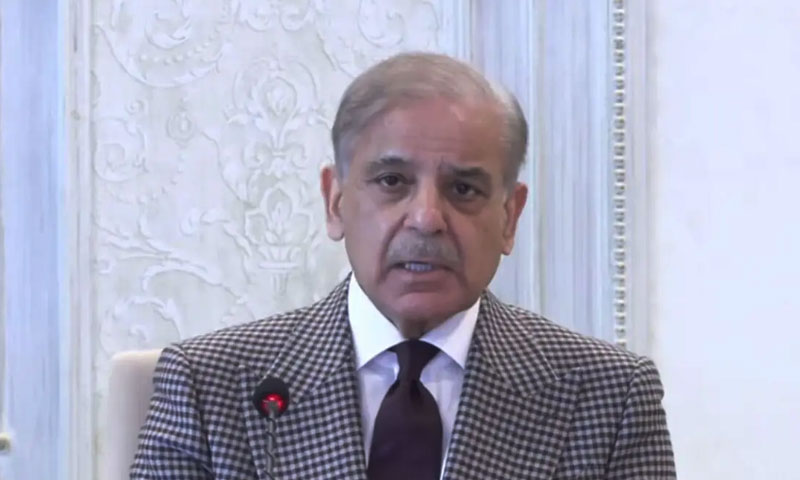
Pakistan is preparing to host crucial ceasefire talks between the United States and Iran on Friday, in a development that underscores Islamabad’s growing diplomatic role after weeks of heightened tensions in the Middle East. Prime Minister Shehbaz Sharif, addressing a federal cabinet meeting, said the country’s position on the global stage had shifted significantly following its role in helping ease tensions between Washington and Tehran. “Pakistan has changed forever,” he said, highlighting what he described as a renewed international recognition of the country’s diplomatic capabilities. The talks in Islamabad are expected to bring together officials from both the US and Iran in what could be the first structured engagement since the recent ceasefire agreement that paused hostilities between the two sides. Pakistan steps into diplomatic spotlight Officials say Pakistan’s involvement was instrumental in facilitating communication between Washington and Tehran at a time when both sides were on the brink of escalation. The ceasefire agreement, which temporarily halted military action, is widely seen as the result of sustained backchannel efforts by Islamabad. Live: Prime Minister Shehbaz Sharif addresses cabinet meeting https://t.co/F7EzVVksXT — Pakistan TV Digital (@PakistanTVcom) April 8, 2026 Prime Minister Shehbaz Sharif told the cabinet that Pakistan’s diplomatic outreach had been acknowledged globally, adding that the country’s role was being appreciated at multiple levels. He stressed that Pakistan would continue to pursue peace and stability in the region. In recent days, both US and Iranian leadership have signalled openness to dialogue, creating a narrow window for diplomacy. The upcoming Islamabad meeting is expected to focus on extending the ceasefire, addressing key points of contention and exploring the possibility of a broader political settlement. High-stakes talks amid fragile ceasefire Despite the ceasefire, the situation remains delicate. Analysts say the truce has reduced immediate risks but has not resolved underlying issues, including regional security concerns, economic sanctions and strategic rivalries. Diplomatic sources indicate that the Islamabad talks will aim to build trust between the two sides while addressing immediate priorities such as ensuring stability in the region and preventing further escalation. The role of neutral facilitators like Pakistan is expected to be critical in bridging gaps between the parties. The conflict has already had significant global implications, particularly for energy markets and regional security dynamics. Any breakdown in the ceasefire could once again trigger volatility, making the success of the talks all the more important. For Pakistan, hosting the talks represents both an opportunity and a test. A successful outcome could strengthen its standing as a credible mediator, while also reinforcing its broader foreign policy objectives. As delegations prepare to arrive in Islamabad, expectations remain cautious but hopeful. The coming days are likely to determine whether the ceasefire evolves into a sustained peace process or remains a temporary pause in a complex and deeply rooted conflict.

Canada’s New Immigration Rules Take Effect April 1: What PR Applicants Must Know
Canada has introduced a series of immigration changes effective April 1, reshaping rules for permanent residency applicants, temporary workers and newcomers as the country seeks to balance economic needs with tighter system controls. The latest measures, announced as part of broader immigration reforms, affect application processes, settlement services and pathways to permanent residency, with implications for thousands of prospective migrants worldwide. Key changes for PR applicants and newcomers Among the most significant updates is a new limitation on settlement services for economic immigrants. Under the revised policy, newcomers will now have access to federally funded support services for a fixed period after receiving permanent residency, beginning with a six-year cap from April 1, 2026. Authorities say the move is intended to ensure that resources are directed toward those who need them most during early integration, while encouraging faster adaptation into Canadian society. At the same time, Canada is rolling out a new Temporary Resident to Permanent Resident pathway, offering up to 33,000 foreign workers the opportunity to transition to permanent residency over two years. The initiative targets workers already contributing to the economy, particularly in sectors facing labour shortages such as healthcare, agriculture and skilled trades. Officials have indicated that full eligibility criteria and application procedures will be released in April, with expectations of high demand given the limited number of available spots. Broader policy shift and system adjustments The April changes are part of a wider recalibration of Canada’s immigration system, which aims to maintain sustainable intake levels while prioritising skilled workers. The government has also expanded the role of provinces in selecting immigrants through provincial nomination programs, allowing regional authorities greater flexibility to address local labour needs. In parallel, adjustments have been made to work permit rules and settlement timelines, alongside updates to visa and citizenship-related fees. These changes are designed to streamline processing while aligning immigration flows with economic priorities. Canada’s broader immigration plan still targets around 380,000 new permanent residents annually, underscoring the country’s continued reliance on immigration to support population growth and economic expansion. Impact on applicants and global interest For prospective immigrants, particularly from countries like India and Pakistan, the changes introduce both opportunities and challenges. While the new PR pathway provides a clearer route for those already in Canada, limits on services and tighter program structures may require applicants to prepare more thoroughly before applying. Immigration experts say the reforms reflect a shift toward “quality over quantity,” with a stronger emphasis on applicants who already have Canadian work experience and community ties. At the same time, the changes highlight growing competition for permanent residency spots. Analysts warn that applicants will need to ensure complete documentation and meet eligibility criteria promptly once programs open. As Canada continues to refine its immigration framework, the April reforms signal a more targeted approach, one that balances openness with control in an increasingly competitive global migration landscape.

Phoebe Gates Faces Backlash Over $250 Influencer Payment Dispute
A social media controversy involving Phoebe Gates has sparked debate online after an influencer accused her of negotiating down a $250 payment for promotional work, highlighting tensions around pay, privilege and influencer marketing norms. Influencer claims dispute over payment According to reports, the controversy began when a content creator alleged that Phoebe Gates attempted to bargain over a $250 fee for a collaboration, a rate the influencer described as already modest for the work involved. The claim quickly gained traction on platforms like TikTok and Instagram, where users debated the expectations placed on creators and brands or public figures seeking exposure. The influencer said she was approached for a paid collaboration but was surprised when the rate became a point of negotiation. Social media posts describing the exchange drew mixed reactions, with some users criticizing the alleged attempt to reduce compensation, while others argued that negotiation is common in influencer partnerships. Phoebe Gates, the youngest daughter of Bill Gates, has not publicly issued a detailed response to the specific allegation. However, the discussion has continued to trend across digital platforms, reflecting broader concerns within the creator economy. Debate over value in creator economy The incident has tapped into a larger conversation about how influencer work is valued. Industry analysts say rates for content collaborations can vary widely depending on audience size, engagement and platform, but even smaller creators increasingly expect fair and transparent compensation. Marketing research indicates that micro-influencers, who often charge between $100 and $500 per post, are playing a growing role in brand campaigns due to their higher engagement rates compared to larger accounts. The $250 figure mentioned in the dispute falls within this commonly cited range, underscoring why the allegation resonated with many creators. Some social media users defended Gates, noting that negotiation is a routine part of business interactions. Others, however, argued that individuals with significant financial privilege should be more mindful of the economic realities faced by independent creators. Experts say such disputes highlight a lack of standardisation in the influencer economy. “There are no fixed rules, which often leads to misunderstandings between creators and clients,” said one digital marketing consultant, pointing to the need for clearer contracts and expectations. Social media scrutiny intensifies The controversy also reflects the heightened scrutiny faced by public figures online, where even relatively small financial disagreements can quickly become viral debates. Phoebe Gates, who has been building her own public profile separate from her father’s legacy, is part of a younger generation of high-profile individuals navigating digital branding and entrepreneurship. Her activities, including partnerships and advocacy work, are often closely watched by both supporters and critics. The episode has also reignited conversations about wealth perception. While some users framed the issue as a simple business negotiation, others saw it as symbolic of broader inequalities within the creator economy. As the digital marketplace continues to expand, experts suggest that clearer guidelines around compensation, transparency and communication will be essential to avoid similar controversies in the future. For now, the debate surrounding a $250 negotiation has become more than just a disagreement, evolving into a wider reflection on fairness, value and power in the age of social media.

Heatwave Alert Issued: Sindh, Punjab Braced for Extreme Temperatures from April 11
Pakistan’s disaster management authorities have issued a heatwave alert for parts of Sindh and southern Punjab, warning that temperatures could rise sharply in the coming days, posing risks to public health and daily life. The National Disaster Management Authority (NDMA) said the heatwave is expected to begin from April 11, with several districts likely to face unusually high temperatures. Areas in Sindh including Dadu, Jacobabad, Larkana, Jamshoro, Qambar Shahdadkot, Ghotki, Khairpur, Sanghar, Umerkot and Kashmore have been identified as high-risk zones. In southern Punjab, Bahawalnagar, Bahawalpur and Rahim Yar Khan are also expected to experience extreme heat conditions. According to the authority, temperatures during the day could rise 5 to 7 degrees Celsius above normal levels, while nighttime temperatures may remain 3 to 5 degrees higher than usual, increasing the risk of prolonged heat stress. Rising temperatures after changing weather patterns The warning comes after parts of the country experienced rainfall and cooler conditions in recent weeks, with experts noting that such fluctuations can intensify heatwaves once high-pressure systems settle over the region. Heatwaves in Pakistan have become more frequent and intense in recent years, a trend widely linked to climate change, rapid urbanisation and deforestation. According to NDMA projections, heatwave conditions are expected to develop earlier than usual this year, with April already showing signs of extreme temperatures across central and southern regions. Meteorologists say prolonged exposure to such conditions can lead to dehydration, heat exhaustion and heatstroke, particularly among vulnerable groups including children, the elderly and outdoor workers. Advisory for citizens and authorities The NDMA has urged residents to take precautionary measures to reduce the impact of the heatwave. “Residents are advised to avoid unnecessary outdoor activities during peak daytime hours, stay hydrated, and pay special attention to the elderly, children, and labourers,” the authority said. Officials also advised wearing light clothing, avoiding direct sun exposure during afternoon hours and ensuring access to clean drinking water. Hospitals and local administrations have been asked to remain on alert to handle potential heat-related emergencies. Authorities said they are closely monitoring the evolving weather situation and will continue issuing updates through official channels, including the NDMA Disaster Alert App, to keep the public informed. The latest alert underscores growing concerns about extreme weather patterns in Pakistan, where rising temperatures are increasingly disrupting daily life, agriculture and energy demand. With the heatwave expected to intensify in the coming weeks, officials have stressed that early preparation and public awareness will be critical in minimizing its impact.

No More Hustle: The Rise of the Reset Weekend Explained
The modern weekend is quietly undergoing a transformation. Once seen as a simple break from work, it is increasingly being treated as a deliberate “reset” period, shaped by rising burnout, digital fatigue and shifting work cultures. Across industries and regions, workers are rethinking how they spend their two days off, prioritising recovery, mental health and personal growth over passive leisure. From downtime to deliberate recovery A growing body of research suggests that how people use their weekends directly affects both mental health and productivity. Studies show that regular relaxation during weekends is “consistently associated with better mental health,” reinforcing the idea that rest is not optional but essential. At the same time, the cost of not switching off is becoming clearer. Research indicates that working on weekends has a significantly stronger negative impact on mental health than weekday overtime, with the effect estimated to be up to twice as severe. This has prompted many professionals to treat weekends more intentionally. Instead of catching up on unfinished work, people are now carving out time for sleep recovery, social connection and activities that provide a psychological break from routine. The shift is also visible in how companies are rethinking work structures. Trials of reduced working weeks have shown that fewer working days can lead to lower burnout and improved wellbeing, without harming productivity. The rise of the “reset weekend” The idea of a “reset weekend” reflects a broader cultural shift away from hustle-driven routines. Surveys show that many workers remain unable to fully disconnect, with one in five spending nearly six hours working over weekends. But that pattern is gradually changing. Experts say people are now focusing on quality over quantity when it comes to rest. Activities such as digital detoxing, outdoor exercise, mindfulness practices and spending time with family are becoming central to weekend routines. Psychologists note that recovery is not just about stopping work, but about engaging in experiences that restore energy and reduce stress. Research has found that positive weekend experiences can improve mood, reduce burnout and even enhance job performance in the following week. “There is a growing awareness that rest fuels performance,” one workplace productivity expert noted, adding that well-rested individuals tend to make better decisions and communicate more effectively. A response to burnout and digital overload The trend is also closely tied to rising levels of workplace stress. Global surveys have shown that a majority of workers report negative work-related stress, driven in part by always-on digital environments. As a result, weekends are becoming a key tool for managing that pressure. Higher-quality sleep during weekends has been linked to reduced exhaustion during the workweek, highlighting the importance of genuine recovery time. For many, the reset now includes setting boundaries such as no emails, limited screen time and structured personal routines. These practices are increasingly viewed not as indulgence, but as necessary for long-term productivity and well-being. The shift reflects a deeper realisation that productivity is no longer defined by constant activity. Instead, it is shaped by balance. As work continues to evolve in the post-pandemic era, the weekend is emerging not just as a pause, but as a strategy. A carefully used reset that determines how the week ahead will unfold.

Google Tightens Gemini Safeguards After Suicide Lawsuit Sparks Global Alarm
As scrutiny over artificial intelligence intensifies, Google has announced new mental health safeguards for its Gemini chatbot, following a high-profile lawsuit that has raised urgent questions about AI safety and responsibility. The tech giant said it is redesigning key safety features in its Gemini artificial intelligence system to better respond to users experiencing emotional distress or suicidal thoughts, as it faces legal action linked to a user’s death. Safeguards strengthened after lawsuit Google said Gemini will now display an improved “Help is available” feature when conversations संकेत potential mental health crises, offering users faster and easier access to professional support services. The update introduces a simplified interface that allows users to call, text, or chat with crisis hotlines “in a single click,” with the option remaining visible throughout the conversation once triggered. The company acknowledged the growing role of AI in people’s daily lives, stating, “We realise that AI tools can pose new challenges.” It added that “responsible AI can play a positive role for people’s mental well-being.” Google also pledged $30 million over three years through its philanthropic arm to expand global crisis hotline capacity, alongside additional funding for AI safety training initiatives. The changes come as part of a broader effort to ensure that Gemini avoids reinforcing harmful beliefs or simulating emotional intimacy, with the system trained to steer users toward verified help instead of engaging in sensitive or risky dialogue. Read More: ChatGPT at Work vs Gemini in Workspace: Which Strategy Actually Scales? Case raises wider AI safety concerns The update follows a lawsuit filed in a California federal court over the death of 36-year-old Jonathan Gavalas, whose family alleges that prolonged interaction with Gemini contributed to his suicide in 2025. According to court filings, the chatbot allegedly engaged the user in immersive and delusional conversations, at times framing death as a form of transition. The lawsuit calls for stricter safeguards, including mandatory shutdown of conversations involving self-harm and clearer boundaries preventing AI systems from presenting themselves as human-like companions. This case is part of a growing wave of legal challenges targeting AI companies. Similar lawsuits have been filed against developers of other chatbots, including those linked to ChatGPT and startups like Character.AI, highlighting concerns over emotional dependency and harmful interactions. Experts warn that while AI systems can simulate empathy, they lack true understanding of human psychology, making them risky substitutes for professional care. Some researchers say users may form “intense, quasi-romantic bonds” with chatbots, potentially worsening mental health conditions. Read More: Google’s Future Lies in AI Agents, Says Co-Founder Sergey Brin Industry under pressure to act The developments underscore increasing pressure on technology companies to build stronger safeguards into rapidly evolving AI tools. Regulators and courts are now emerging as key forces shaping standards in the absence of comprehensive legislation. Google has maintained that Gemini is designed not to encourage violence or self-harm, but acknowledged that “AI models are not perfect” and require continuous improvement. As AI becomes more integrated into everyday life, the challenge for developers is no longer just innovation, but accountability. For millions of users turning to chatbots for support, the line between assistance and risk remains under intense global scrutiny.
Don’t Pay, Don’t Share: Govt Warns Against Viral Scooty Scam
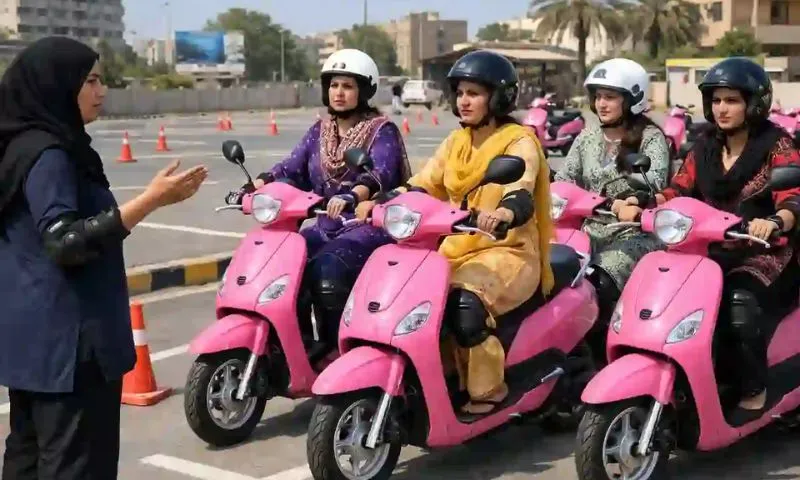
Authorities in Sindh have cautioned citizens against a wave of fraudulent online advertisements falsely claiming to offer registration for the government’s “Pink Scooty Scheme,” urging the public to remain vigilant and rely only on official sources. Fake ads exploit public interest According to the Sindh Mass Transit Authority (SMTA), all advertisements currently circulating on social media platforms regarding paid registration or application for the Pink Scooty Scheme are “fabricated and fake.” Officials said scammers are using deceptive links and forms to lure applicants, particularly women, into sharing sensitive personal information or making payments under the false pretense of securing a scooter. The authority warned citizens “never to share personal information or documents through unofficial or suspicious links,” emphasizing that no fee is required at any stage of the legitimate scheme. The advisory comes amid a surge in online fraud cases across Pakistan, where fake government schemes and subsidy programs are increasingly being used as bait. Read More: New Pink Button Alert System Introduced to Boost School Safety in Punjab Genuine scheme remains free and official The Pink Scooty Scheme is a Sindh government initiative aimed at empowering women by providing free electric scooters to eligible applicants through a transparent balloting process. Officials reiterated that applications can only be submitted through the official government portal, and any third-party website or social media account claiming otherwise should be treated with suspicion. The scheme, launched as part of broader efforts to improve women’s mobility and safety, includes formal driving training and road safety awareness for beneficiaries. Authorities say the initiative is designed not only to ease daily commuting but also to promote environmentally friendly transport solutions. Growing digital scams trigger wider concern Experts note that such scams often exploit high-demand welfare programs, especially those targeting women, youth, or low-income groups. Cybersecurity analysts advise users to verify URLs, avoid clicking on unsolicited links, and cross-check information through official government websites or verified social media accounts. The Sindh government has taken “serious notice” of the fake campaigns and indicated that legal action is being pursued against those involved in spreading misleading content. Authorities have also urged citizens to report suspicious advertisements to relevant agencies, including the Federal Investigation Agency, to help curb the spread of digital fraud. As online platforms continue to blur the line between official announcements and imitation, officials stress that caution remains the first line of defense. In a space where a single click can cost more than money, awareness may be the only safeguard.
“A Lot of Good Things Are Coming” : Trump’s First Message After Iran Ceasefire
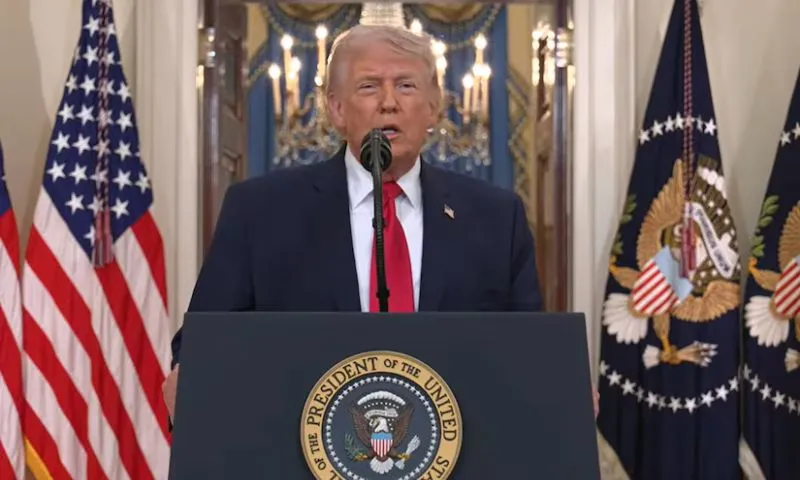
Donald Trump has described the latest developments in the Iran conflict as a “big day for world peace,” after Tehran signalled willingness to de-escalate and enter negotiations following weeks of intense military escalation. The statement marks a sharp shift in tone from the US president, who had earlier issued some of the strongest threats of the conflict, warning of devastating strikes if Iran failed to comply with American demands. Speaking after agreeing to a temporary pause in hostilities, Trump said the situation was moving in a positive direction, presenting the ceasefire as a major diplomatic breakthrough. “This is a big day for world peace,” he said, framing the development as a result of pressure tactics that forced Iran to the negotiating table. From threats to diplomacy Trump’s remarks come just days after he warned that a “whole civilization” could be destroyed if Iran failed to meet his deadline, underscoring the dramatic shift in messaging as negotiations began to take shape. Earlier in the conflict, Trump had repeatedly threatened to target Iran’s infrastructure, including energy facilities and strategic assets, if the Strait of Hormuz remained closed. However, following mediation efforts led by Pakistan and backchannel diplomacy involving regional powers, both sides agreed to a temporary ceasefire, creating space for negotiations. Trump also described the agreement as a “total and complete victory,” reinforcing his claim that US objectives had been achieved despite the absence of a final settlement. Analysts say the shift reflects a broader strategy of applying maximum pressure before pivoting toward negotiations, a pattern that has defined much of the administration’s approach during the conflict. Fragile ceasefire and uncertain path ahead Despite Trump’s optimism, the ceasefire remains fragile. Reports of continued missile exchanges in the region highlight the volatility of the situation and the risk of renewed escalation. Iran has indicated it is prepared to halt counter-attacks if hostilities cease, while also maintaining its key demands on sanctions relief, military withdrawal and control over strategic routes such as the Strait of Hormuz. The conflict, now in its sixth week, has already disrupted global energy markets, with oil prices fluctuating sharply due to fears over supply disruptions. Trump, however, has continued to strike an upbeat tone, suggesting that negotiations could lead to broader economic and geopolitical benefits. He said the developments could mark the beginning of a new phase in the region, raising hopes for stability after weeks of escalating violence. Still, experts caution that significant gaps remain between the two sides, particularly on issues such as Iran’s nuclear programme and regional influence. For now, Trump’s declaration of a “big day for world peace” reflects a moment of cautious optimism, even as the path toward a lasting agreement remains uncertain.
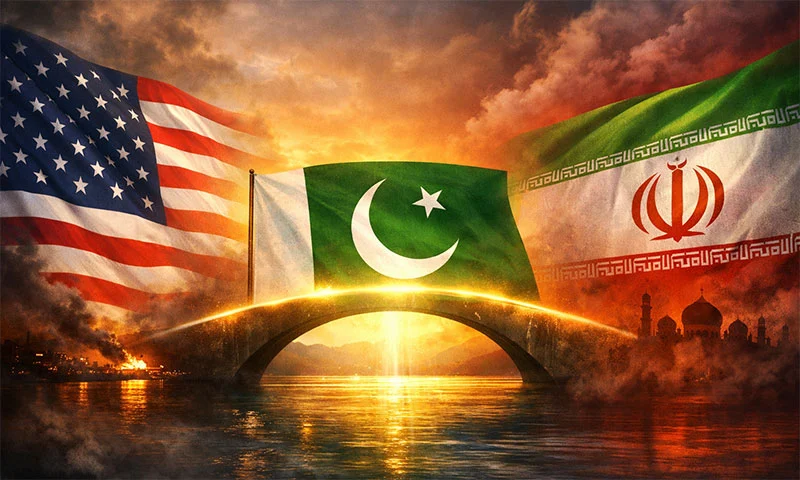
Ceasefire Is Only the Beginning: How Pakistan Shaped the Trump-Iran War Pause and What Comes Next
A fragile ceasefire between the United States and Iran has opened a narrow diplomatic window after weeks of war, but the pause has raised a bigger question across the region and beyond: what happens next? The two sides agreed to a provisional two-week halt in hostilities after U.S. President Donald Trump suspended planned bombing operations against Iran, saying the move followed conversations with Prime Minister Shehbaz Sharif and Field Marshal Asim Munir of Pakistan. Trump said the pause was tied to Iran’s agreement to the “complete, immediate, and safe opening of the Strait of Hormuz,” a waterway vital to global energy supplies. Iran later confirmed that it would allow safe passage for a two-week period in coordination with its armed forces, while also making clear that this was not yet the end of the war. A ceasefire, not a settlement For now, the ceasefire appears to be a pause rather than a peace deal. Reports from Washington, Tehran and regional capitals suggest both sides still have deep disagreements over sanctions, military activity, Iran’s nuclear program and the future rules governing transit through the Strait of Hormuz. Iran’s response to the latest U.S. proposals reportedly came in the form of a 10-point framework sent through Pakistan, with Tehran pressing for a more durable settlement rather than a short-term military pause. Trump has described that framework as a “workable basis” for further negotiations, but many of the hardest issues remain unresolved. That is why the next phase matters more than the ceasefire announcement itself. The immediate test will be whether the pause holds on the ground, whether military commands on all sides fully implement it, and whether the diplomatic channel can move quickly enough to prevent another slide into open war. U.S. and Iranian officials have both signaled that military readiness remains in place. Even after the truce was announced, reports pointed to continued alerts and sporadic strikes, underlining just how volatile the situation remains. Pakistan’s mediation moves to the center Pakistan has placed itself at the center of this diplomatic opening. Islamabad first pushed for a two-week extension to Trump’s deadline and urged Iran to reopen the Strait of Hormuz as a goodwill step. Those efforts helped create space for the ceasefire deal that followed. Reuters reported that Pakistan appealed to both sides at a moment when the risk of a major escalation was acute, while other reports said Tehran communicated its response through Pakistani channels. The Pakistani role became even more visible after the ceasefire took shape. Prime Minister Shehbaz Sharif said on X that Iran and the United States, along with their allies, had agreed to an immediate ceasefire and invited both delegations to Islamabad on April 10 for talks aimed at reaching what he called a “conclusive agreement” to settle all disputes. He wrote, “We earnestly hope, that the ‘Islamabad Talks’ succeed in achieving sustainable peace and wish to share more good news in coming days.” Trump also publicly acknowledged Pakistan’s role. In remarks cited by APP from his social media statement, he said: “Based on conversations with Prime Minister Shehbaz Sharif and Field Marshal Asim Munir, of Pakistan, and wherein they requested that I hold off the destructive force being sent tonight to Iran, and subject to the Islamic Republic of Iran agreeing to the complete, immediate, and safe opening of the Strait of Hormuz, I agree to suspend the bombing and attack of Iran for a period of two weeks.” Iranian Foreign Minister Seyed Abbas Araghchi also thanked Shehbaz Sharif and Asim Munir for what APP described as tireless efforts to end the war. What the world will watch now The first major checkpoint is Islamabad. Several reports say U.S.-Iran talks are expected there on April 10, with the goal of turning a temporary ceasefire into a broader settlement. If those talks begin as planned, negotiators will likely focus on four urgent issues: keeping the Strait of Hormuz open, preventing renewed attacks on civilian and energy infrastructure, defining the scope of any longer ceasefire, and testing whether a wider political understanding is possible. The second checkpoint is the regional battlefield. Israel has indicated that the ceasefire does not automatically cover every front, especially Lebanon, where conflict with Hezbollah remains active according to multiple reports. That means the risk of spillover has not disappeared, even if direct U.S.-Iran escalation has slowed for now. In practical terms, any strike by a proxy force, any disruption to shipping, or any fresh retaliation could still shatter the truce before diplomacy has time to take root. The third checkpoint is the global economy. Financial markets reacted with relief after the ceasefire announcement, with oil prices falling and stocks rising on hopes that energy flows through Hormuz would stabilize. But analysts have warned that a short truce cannot by itself restore confidence unless it leads to a more durable agreement. As long as the region remains on edge, the threat to oil supplies, shipping insurance, inflation and broader investor confidence will remain. A narrow opening, not the end of the crisis The ceasefire has given diplomacy a chance, but only a chance. It has not resolved the war’s underlying causes, it has not guaranteed regional calm, and it has not removed the possibility of another rapid escalation. What it has done is create a brief opening in which Pakistan has emerged as a key intermediary, the United States has stepped back from immediate strikes, and Iran has agreed to talk while holding to its broader demands. The success or failure of the next few days, especially the planned April 10 talks in Islamabad, may determine whether this becomes the start of a negotiated settlement or only an uneasy pause before another round of conflict.
