

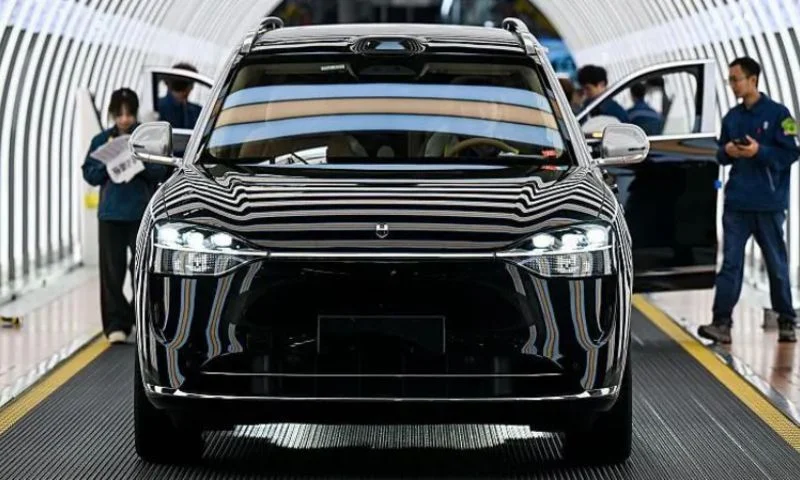
Chinese electric vehicle maker Seres has been granted a patent for what it describes as an “in-vehicle toilet”, a fold-out lavatory hidden beneath a passenger seat and activated either manually or by voice command, in a sign of how fiercely carmakers are competing to stand out in China’s crowded EV market. Public reporting on the patent says the command phrase is “start up toilet function”, and the design is intended for long-distance travel, camping and extended stays inside the vehicle. The patent, identified as CN224104011U, was filed on April 22, 2025, and approved on April 10, 2026, according to reports citing Chinese patent records. The unit slides out from under the seat on rails when needed, then retracts to preserve cabin space when not in use. The filing says the design is meant to “optimize the utility of the car’s interior”, framing the feature as a practical answer to emergencies during long journeys or while stuck on the road. Reports on the patent say the toilet would include a fan and exhaust pipe to direct odours out of the cabin, along with a waste tank that would need to be emptied manually. A rotating heating element is also described as drying solid waste and evaporating urine, suggesting Seres is trying to solve not just the space problem but also hygiene and smell, the two biggest obstacles to bringing such a feature into a passenger car. Seres has not announced plans to put the patented system into a production vehicle, and a patent grant does not guarantee commercial launch. Still, the filing has drawn attention because it comes at a time when Chinese EV brands are under pressure to differentiate on technology, comfort and novelty as competition intensifies. Reuters has previously reported that Seres founder Zhang Xinghai described competition in China’s EV market as extremely intense on both price and technology. Read More: Electric Rides & Hybrid Power: Pakistan’s 2026 Car Lineup Preview The company is no fringe player. Seres is Huawei’s EV partner and the manufacturer behind Aito vehicles, a relationship that has helped it build scale in China’s smart vehicle segment. Reuters reported earlier this year that Aito sold more than 420,000 units in 2025, accounting for the bulk of Seres’ 472,269 EV sales, while the company has also been expanding internationally, including into the Middle East. Seres’ latest annual report says the group sharply increased research spending in 2025, underlining its push for new technologies and premium features. Read More: “Not a Fair Fight”: Ford CEO Warns Chinese EVs Could Crush US Auto Industry In-car toilets remain rare in mainstream passenger vehicles, but they are not entirely without precedent. Reports accompanying the Seres patent noted a much older example: a custom 1954 Rolls-Royce Silver Wraith limousine fitted with a concealed toilet under a seat. For now, though, Seres’ invention remains a patent, intriguing enough to spark conversation, but still far from proving whether motorists actually want a bathroom built into the daily commute
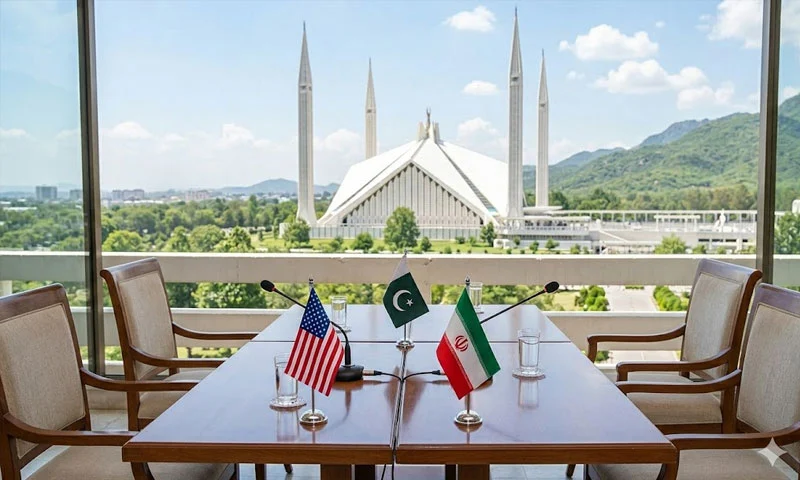
US Plans Iran Talks in Islamabad as Tehran Declines Further Negotiations
The United States has confirmed that its negotiators will travel to Islamabad for talks with Iran, while Tehran has rejected plans for a second round of negotiations, exposing a widening gap between the two sides even as diplomatic efforts continue. US President Donald Trump said American officials would be in Pakistan on Monday to pursue discussions, describing ongoing efforts as part of a broader push toward de-escalation. However, Iranian state media reported that Tehran has declined to participate in a follow-up round of talks, casting doubt on immediate progress. Washington Signals Engagement, Tehran Pushes Back “Our negotiators will be going to Islamabad on Monday”, US president wrote in a post on his Truth Social on Sunday. He also expressed cautious optimism about the diplomatic track, hinting that discussions were ongoing despite challenges. The US position reflects continued engagement through indirect channels, with Pakistan emerging as a potential venue for facilitating dialogue between the two sides amid heightened regional tensions. In contrast, Iran’s stance appeared more guarded. State media reports cited officials as rejecting the idea of a second round of talks, indicating dissatisfaction with the framework or conditions being discussed. Tehran has repeatedly insisted that any negotiations must address core issues, including sanctions relief and guarantees against future escalation. In a statement posted on X, Iran’s state media said the country declined to participate in the second round of talks due to what it described as Washington’s “excessive demands” and “unrealistic expectations,” along with shifting positions and repeated contradictions, while also citing the ongoing naval blockade as a violation of the ceasefire. Heightened security amid diplomatic activity An advance delegation from the United States has reached Islamabad as Pakistan steps up preparations to host a second round of talks between Washington and Tehran. Officials confirmed that preliminary teams from multiple foreign delegations have begun arriving ahead of the expected negotiations, which are being closely watched amid ongoing regional tensions. Security has been significantly tightened in Islamabad and Rawalpindi, with authorities placing the federal capital on high alert. The Red Zone has been sealed off to all traffic, while additional personnel have been deployed at key locations to ensure safety during the high-level engagements. Conflicting Signals Amid Fragile Ceasefire The divergent positions come at a time when a fragile ceasefire remains in place following weeks of heightened tensions in the region. Diplomatic efforts have intensified to prevent a return to hostilities, with multiple countries urging restraint. Analysts say the mixed messaging highlights the complexity of negotiations, where public statements often reflect strategic positioning rather than final outcomes. While Washington appears keen to maintain momentum, Tehran’s reluctance suggests that significant differences remain unresolved. The talks are expected to focus on de-escalation measures, regional security and broader political arrangements. However, without alignment on key demands, prospects for a breakthrough remain uncertain.
