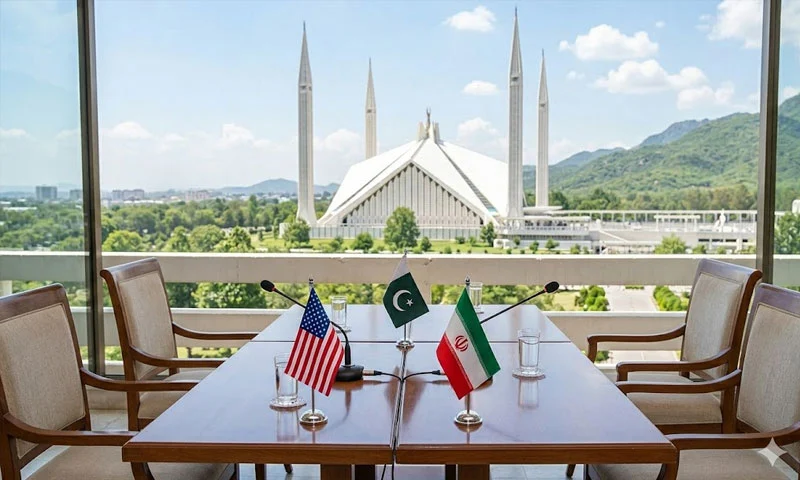
The United States has confirmed that its negotiators will travel to Islamabad for talks with Iran, while Tehran has rejected plans for a second round of negotiations, exposing a widening gap between the two sides even as diplomatic efforts continue.
US President Donald Trump said American officials would be in Pakistan on Monday to pursue discussions, describing ongoing efforts as part of a broader push toward de-escalation. However, Iranian state media reported that Tehran has declined to participate in a follow-up round of talks, casting doubt on immediate progress.
Washington Signals Engagement, Tehran Pushes Back
“Our negotiators will be going to Islamabad on Monday”, US president wrote in a post on his Truth Social on Sunday. He also expressed cautious optimism about the diplomatic track, hinting that discussions were ongoing despite challenges.
The US position reflects continued engagement through indirect channels, with Pakistan emerging as a potential venue for facilitating dialogue between the two sides amid heightened regional tensions.
In contrast, Iran’s stance appeared more guarded. State media reports cited officials as rejecting the idea of a second round of talks, indicating dissatisfaction with the framework or conditions being discussed. Tehran has repeatedly insisted that any negotiations must address core issues, including sanctions relief and guarantees against future escalation.
The divergent positions come at a time when a fragile ceasefire remains in place following weeks of heightened tensions in the region. Diplomatic efforts have intensified to prevent a return to hostilities, with multiple countries urging restraint.
Analysts say the mixed messaging highlights the complexity of negotiations, where public statements often reflect strategic positioning rather than final outcomes. While Washington appears keen to maintain momentum, Tehran’s reluctance suggests that significant differences remain unresolved.
The talks are expected to focus on de-escalation measures, regional security and broader political arrangements. However, without alignment on key demands, prospects for a breakthrough remain uncertain.