


US President Donald Trump arrived in Beijing this week for one of the most closely watched diplomatic visits in years, combining grand ceremony, billionaire business leaders and high-stakes geopolitical talks. The visit marks the first trip to China by a sitting US president in nearly a decade. It also comes during one of the most volatile periods in US-China relations. Chinese President Xi Jinping welcomed Trump with elaborate state ceremonies, military honors and meetings at historic sites including Beijing’s Temple of Heaven. Analysts say Beijing deliberately designed the visit to project confidence and mutual respect while signaling China’s growing global influence. Unlike Trump’s 2017 visit, this summit displayed warmer personal chemistry between the two leaders. Experts pointed to longer handshakes, relaxed conversations and symbolic gestures during public appearances. Trump’s arrival also carried unusual symbolism. He landed in Beijing alongside some of America’s most powerful technology executives, including Elon Musk, Tim Cook and Jensen Huang. Their presence highlighted how deeply business, artificial intelligence and geopolitics now intersect between Washington and Beijing. Billionaire CEOs Become Part of Diplomacy The corporate delegation became one of the most striking aspects of the trip. Executives from Tesla, Apple, Nvidia, Goldman Sachs, Boeing and BlackRock joined Trump during official events in Beijing. Many of those companies rely heavily on Chinese markets despite years of trade disputes and technology restrictions. Trump openly signaled that expanding business access would become a key objective of the summit. “I will be asking President Xi, a Leader of extraordinary distinction, to ‘open up’ China so that these brilliant people can work their magic,” Trump wrote before arriving in Beijing. Read More: US-China Relations Enter Critical Moment as Trump Meets Xi Nvidia’s inclusion attracted particular attention because advanced semiconductors remain central to the US-China technology rivalry. Reports also suggested Washington may slightly ease restrictions on some AI chip exports during negotiations. Elon Musk’s participation also reflected his unique relationship with China. Tesla’s Shanghai factory remains one of the company’s most important global production hubs. Iran, Taiwan and Tariffs Loom Over Talks Behind the ceremony, the summit carries major geopolitical risks. The ongoing US-Israel conflict with Iran has become a central issue during discussions between Trump and Xi. China depends heavily on Iranian oil imports and holds considerable economic influence over Tehran. Trump reportedly wants Beijing’s help in preventing wider regional escalation and stabilizing global energy markets. Taiwan remains another major flashpoint. Xi warned that “conflicts” could emerge if Taiwan is not “handled properly,” according to US media reports covering the summit. Trade also remains unresolved despite temporary tariff truces reached last year. Washington wants larger Chinese purchases of American goods, while Beijing seeks relief from US semiconductor restrictions and tariffs. Despite deep disagreements, both governments appear determined to avoid a complete breakdown in relations. For now, the Beijing summit has become more than a diplomatic meeting. It has turned into a global display of power, technology and strategic competition between two superpowers shaping the future world order.
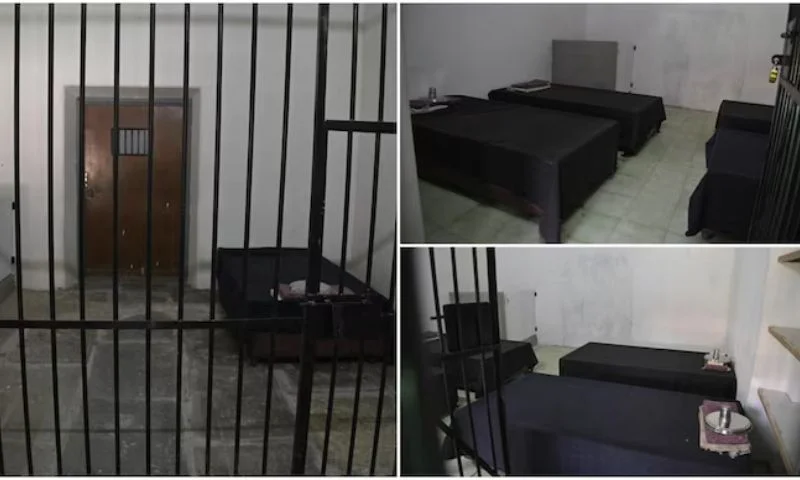
Hyderabad’s New ‘Feel the Jail’ Museum Lets Visitors Experience Prison Life
Hyderabad has launched a unique prison experience centre and museum that allows visitors to understand what life behind bars feels like while exploring the evolution of India’s correctional system. The “Feel the Jail” initiative and Jail Museum opened at Chanchalguda Central Jail on Tuesday. Shiv Pratap Shukla inaugurated the project in the presence of senior prison officials, including Soumya Mishra. The project aims to educate visitors about prison conditions, inmate rehabilitation and the changing philosophy of India’s justice system. During the inauguration, the governor personally inspected specially designed prison cells built for the “Feel the Jail” experience. The recreated rooms include prison beds, steel utensils and enclosed washroom spaces to simulate incarceration conditions. Officials say the initiative allows people, especially young visitors, to better understand discipline, civic responsibility and the value of freedom. Museum Highlights Prison History and Reform The newly opened museum also documents the historical evolution of prisons in the region. Exhibits include displays from the Nizam-era prison system and stories about prisoners who contributed to the construction of the Nagarjuna Sagar Dam. The museum also recreates prison cells linked to notable historical figures such as Dasarathi Krishnamacharyulu and Bhakta Ramadasu, also known as Kancherla Gopanna. Visitors can also view vocational products manufactured by inmates as part of prison skill-development and rehabilitation programmes. During the visit, Governor Shukla reviewed items produced by prisoners and watched a documentary titled Valmiki, which focused on inmate behavioral reform initiatives. Addressing officials and guests, Shukla said prisons should no longer function only as spaces of punishment. He said society must focus on rehabilitation and transformation alongside accountability for crimes. Calling the museum an important milestone, the governor said it represented a shift “from retribution to transformation.” Referring to displays of old prison chains and cells, he said the exhibits reflected the contrast between harsher punishment systems of the past and modern correctional reforms. ‘Feel the Jail’ Designed as Educational Initiative Officials say the museum is expected to serve as both a tourist attraction and a public awareness platform focused on prison reform. The Telangana Prisons and Correctional Services Department has increasingly emphasized vocational training, behavioral reform and rehabilitation in recent years. Authorities believe the “Feel the Jail” programme could also discourage crime by giving visitors a direct understanding of prison realities. The governor praised prison authorities for balancing discipline with rehabilitation efforts. He also described prisoner reform as a broader moral responsibility for society. Experts say museums and experiential centres linked to prisons have become increasingly common globally as governments attempt to create greater public awareness around correctional systems and rehabilitation. Officials in Hyderabad say the museum may also support research and educational activities related to criminal justice and prison administration in India.
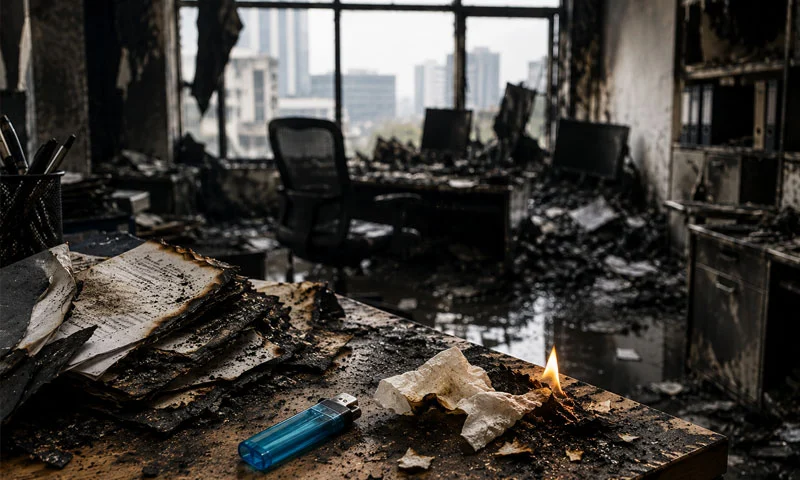
Office Goes Up in Flames After Parent Brings Child to Work
A routine workday in eastern China ended in disaster after a 12-year-old boy accidentally triggered a major office fire while spending time at a parent’s workplace during the school holiday period. The incident took place on April 30 in Ningbo, according to reports published by the South China Morning Post, citing Chinese media outlet Red Star News. Authorities said the child had accompanied a parent to work and remained alone inside the office for some time while adults worked nearby. With little to do, the boy reportedly began burning paper tissues with a lighter inside the office. Read More: Midnight Sun Begins in Alaska With 84 Days Without Night Investigators said sparks from the burning paper quickly ignited clutter near a desk before flames spread rapidly through the workplace. Within minutes, the fire engulfed office furniture, documents, equipment and interior fittings. Photos and videos circulating on Chinese social media showed large sections of the office completely destroyed, with blackened walls, collapsed ceilings and piles of debris scattered across the floor. No injuries were reported in the incident. However, local media estimated financial losses in the tens of thousands of yuan. Firefighters later brought the blaze under control, though much of the office had already suffered severe damage. Parent and workers tried to stop flames Reports said the parent and several colleagues initially attempted to extinguish the fire before contacting emergency services. Authorities have not disclosed whether officials will pursue compensation claims or penalties following the incident. Chinese social media users widely discussed the fire after local outlets published details of the case. Many users criticised adults for leaving a child unattended inside a workplace containing flammable materials. Others highlighted the risks linked to children handling lighters and other fire-starting devices during school holidays. Fire safety experts in China often warn that paper products, office partitions and electrical equipment can accelerate indoor fires once flames spread beyond control. Read More: Man Pulls 21,000-Pound Bus With Neck to Break Guinness Record According to China’s National Fire and Rescue Administration, residential and workplace fires linked to children playing with fire-related items continue to appear regularly during long school breaks and holiday periods. Local authorities across several Chinese provinces have repeatedly launched public awareness campaigns urging parents to supervise children more closely around flammable materials and ignition sources. Office fire sparks wider debate over child safety The Ningbo incident has renewed debate in China about workplace safety and childcare challenges faced by working parents during school holidays. Many companies in major Chinese cities allow employees to bring children to offices temporarily because of limited childcare options during vacation periods. However, safety specialists warn that workplaces may expose children to hazards ranging from electrical equipment to chemicals and fire risks. Read More: Pet Chickens in Prams Inside China’s Unusual Urban Trend The incident also drew comparisons online to several recent fires in China linked to unattended minors or unsafe handling of ignition devices. Authorities continue investigating the exact sequence of events surrounding the Ningbo office fire. Officials have not released the identities of the child, parent or affected company.

Saudi Arabia Enters T20 Cricket With Dunes League Launch
Saudi Arabia will enter the global franchise cricket market later this year with the launch of the six-team Dunes League T20, marking the kingdom’s biggest step yet into the sport. The tournament, officially sanctioned by the Saudi Arabia Cricket Federation, is scheduled to begin in October in Taif near Jeddah. Organisers expect the competition to feature recently retired international players alongside cricketers still active in major franchise tournaments around the world. Read More: Pakistan Cricket’s Two-Year Collapse Leaves Fans Furious Saudi Arabia has rapidly expanded its influence in global sport during recent years through major investments in football, boxing, Formula One, tennis and golf. The kingdom’s Public Investment Fund previously financed LIV Golf, which challenged the PGA Tour and reshaped professional golf’s financial landscape. Cricket has emerged more gradually within Saudi Arabia’s sporting ambitions. The country signed sponsorship agreements with the International Cricket Council and hosted the 2024 Indian Premier League auction in Jeddah. Saudi Arabia also partnered with the International League T20 in the United Arab Emirates and secured a long-term deal to stage the FairBreak Women’s T20 Challenge. However, organisers postponed the inaugural FairBreak edition because of regional tensions in the Gulf. Yuvraj Singh to serve as league ambassador The Dunes League project involves collaboration between Sports Asian Network and two player management agencies. Unique Sports Group, which represents England fast bowler Jofra Archer, has joined the initiative alongside Prolithic, the agency managing Indian batter Abhishek Sharma. Former India all-rounder Yuvraj Singh will serve as the league’s ambassador. Saudi officials first revealed preliminary plans for the competition last year. They stated the league aims to place the kingdom “on the global cricket map” while helping develop local cricket talent. Read More: Saudi Arabia Launches Massive Digital Upgrade for Hajj 2026 The tournament structure also appears designed to comply with International Cricket Council participation regulations. League organisers plan to allow only four players from full-member nations who have represented their countries within the previous two years. Industry experts believe the move may help Saudi Arabia avoid resistance from international cricket boards concerned about player availability and scheduling conflicts. Top player salaries could reportedly reach $100,000 during the tournament’s inaugural edition. Saudi Arabia expands sporting ambitions Saudi Arabia has aggressively increased investment in international sports under Crown Prince Mohammed bin Salman’s Vision 2030 economic diversification strategy. The kingdom aims to reduce dependence on oil revenue while expanding tourism, entertainment and sports industries. Critics, however, continue accusing Saudi Arabia of using sport to improve its international image despite concerns over human rights and political freedoms. Read More: BCCI Under Pressure After Massive IPL 2026 Viewership Slide Saudi officials reject those allegations and argue sports investment supports economic development and social reform. Cricket analysts say the Dunes League may initially target players from associate nations and retired international stars before attempting broader expansion. The success of the tournament could influence whether Saudi Arabia pursues deeper involvement in global cricket through future sponsorships, infrastructure projects or international events.

Top Writers, Athletes and Artists Receive Pakistan Civil Awards
President Asif Ali Zardari conferred Pakistan’s highest civil awards on leading personalities from sports, literature, arts, science and public service during ceremonies held across the country on Wednesday. The main ceremony took place at Aiwan-e-Sadr in Islamabad, where Zardari presented Nishan-e-Imtiaz, Hilal-e-Imtiaz, Sitara-e-Imtiaz, Hilal-e-Shujaat and Pride of Performance awards. Read More: From Balochistan to Frankfurt: Pakistani Student Wins Global Award for Banana Fibre Innovation The honours recognised contributions to democracy, literature, sports, public service, education, tourism, engineering, science and national security. Renowned writer Attaul Haq Qasmi received Nishan-e-Imtiaz for distinguished literary services. The late Irfanul Haq Siddiqui also received Nishan-e-Imtiaz for contributions to literature and public service. His son, Imran Khawar Siddiqui, accepted the award on his behalf. The late politician Nawabzada Nasrullah Khan received Nishan-e-Imtiaz for his services to democracy. His son, Nawabzada Iftikhar Ahmed Khan, received the honour. Celebrated poet Zehra Nigah and playwright Asghar Nadeem Syed received Hilal-e-Imtiaz for services to literature. Singer Hadiqa Kiani received Sitara-e-Imtiaz for contributions to music. Photographer Irfan Ahson and visual artist Hamra Abbas also received Sitara-e-Imtiaz awards for services to the arts. View this post on Instagram A post shared by Hadiqa Kiani (@hadiqakianiofficial) Actors Rashid Waheed Khawaja and Zahid Ahmed received the President’s Pride of Performance Award. Shahid Afridi, Sana Mir and Shehroze Kashif honoured for sports Former Pakistan captain Shahid Afridi received Hilal-e-Imtiaz for “outstanding and distinguished services in the sports sector.” Mountaineer Shehroze Kashif and the late equestrian Malik Atta Muhammad Khan also received Hilal-e-Imtiaz awards for services to sports. Shooter Mohsin Nawaz and artist Waseem Ahmed received Tamgha-e-Imtiaz honours. صدرِ پاکستان کی جانب سے ملنے والا تمغۂ امتیاز میرے لیے اعزاز کی بات ہے۔یہ صرف شاہد آفریدی کا نہیں بلکہ پوری پاکستانی قوم کا اعزاز ہے ❤️🇵🇰آپ لوگوں کی محبت، دعاؤں اور سپورٹ نے ہی مجھے یہاں تک پہنچایا۔یہ ایوارڈ اُن شہداء کے نام بھی ہے جنہوں نے وطن کیلئے اپنی جانوں کی قربانی دی۔… pic.twitter.com/5f2mezG3s3— Shahid Afridi (@SAfridiOfficial) May 13, 2026 In Peshawar, Governor Faisal Karim Kundi awarded Sitara-e-Imtiaz to former women’s cricket captain Sana Mir. Squash champion Muhammad Hamza Khan received Tamgha-e-Imtiaz for achievements in sports. Governor Kundi also presented Pride of Performance awards to Jamshid Ali Khan for arts and direction and Aminullah Daudzai for literature and poetry. Read More: Babar Azam Joins Elite List After Stunning PSL Final Victory Awards also recognise bravery, reforms and science Several security personnel and civilians received honours for bravery and sacrifice. Sepoy Azhar Mahmood, Sepoy Shah Wali Khan, Constable Muhammad Ijaz and martyred ASI Ijaz Khan received Hilal-e-Shujaat awards. Sub-Inspector Laiqzada Shaheed and Constable Alam Zeb also received Hilal-e-Shujaat for extraordinary courage. Energy Minister Sardar Awais Ahmed Leghari and privatisation adviser Muhammad Ali received Hilal-e-Imtiaz for public service and energy sector reforms. Read More: Pakistani Cadet Wins Top Military Honour: Named Best Foreign Trainee in Australia Senior journalist Ehteshamul Haq, tourism expert Azizuddin Bolani and politician Taj Haider also received national honours. Professor Dr Ikramul Haq, Dr Amir Muhammad, scientist Muhammad Yousuf Khan and engineer Jamaluddin Ahmed received Hilal-e-Imtiaz for services in education, science and engineering. In Karachi, Governor Nehal Hashmi awarded Sitara-e-Imtiaz to actors Fazila Qazi and Savera Nadeem. Singer Mukhtiar Naz Taj Mastani received Pride of Performance, while naat khawan Qazi Shujaat Qadri received Tamgha-e-Imtiaz.
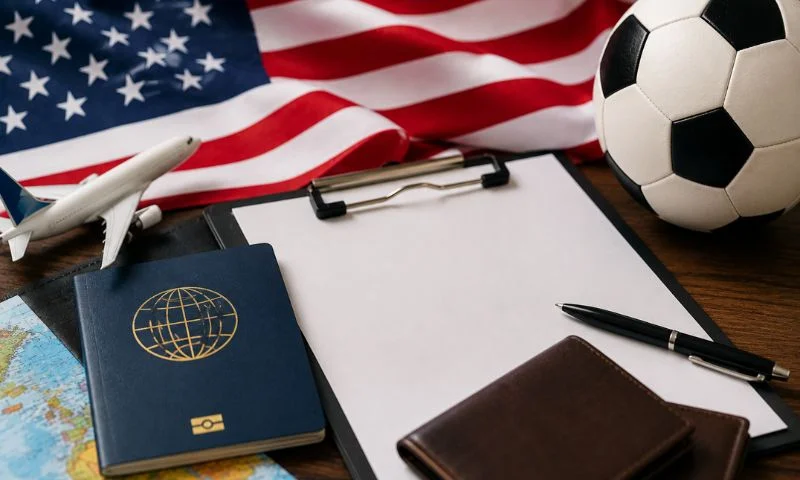
Trump Administration Waives $15,000 Visa Bond for World Cup Fans
The administration of Donald Trump has announced a major visa exemption for football supporters travelling to the FIFA World Cup 2026 in the United States. Under the new policy, fans from 50 countries will no longer need to pay a $15,000 visa bond if they hold valid World Cup match tickets. The World Cup will take place across the United States, Canada and Mexico from June 11. Five affected countries have already qualified for the tournament. These countries include Algeria, Cape Verde, Ivory Coast, Senegal and Tunisia. “We are waiving visa bonds for qualified fans who bought World Cup tickets,” Assistant Secretary of State for Consular Affairs Mora Namdar told the BBC. The Trump administration introduced the visa bond policy last year as part of its wider immigration crackdown. World Cup Pushes Temporary Visa Shift The 12-month pilot programme required some travellers to deposit up to $15,000 to discourage visa overstays. According to the US State Department, officials targeted countries where “screening and vetting information is considered deficient.” Authorities planned to refund the bond after visitors returned home at the end of their stay. Until now, only players and coaches travelling for the tournament qualified for the exemption. However, officials expanded the waiver this week to include ordinary fans with confirmed World Cup tickets. Read More: FIFA’s Massive World Cup 2026 Twist Changes Opening Ceremony Tradition Forever In a statement, FIFA welcomed the decision and praised cooperation with the White House. The organization said the move showed continued collaboration “to deliver a successful, record-breaking and unforgettable global event.” “We are grateful to the Administration for the ongoing partnership,” FIFA added. Analysts say the decision highlights the economic importance of international tourism ahead of the largest World Cup in FIFA history. Travel Restrictions Still Raise Concerns Despite the exemption, several immigration restrictions remain in place ahead of the tournament. Travellers from Iran and Haiti still face broader travel bans. However, players and coaches from those countries can still enter for official tournament participation. Meanwhile, visitors from Ivory Coast and Senegal continue facing partial restrictions under an expanded travel policy. Last year, the US government also introduced plans requiring travellers from dozens of countries to provide five years of social media history before entry approval. Rights groups warned that stricter screening measures could increase denied entries, surveillance and racial profiling risks. The World Cup is expected to attract millions of international supporters to North America. As a result, immigration procedures and border policies will remain under global scrutiny before the tournament begins.
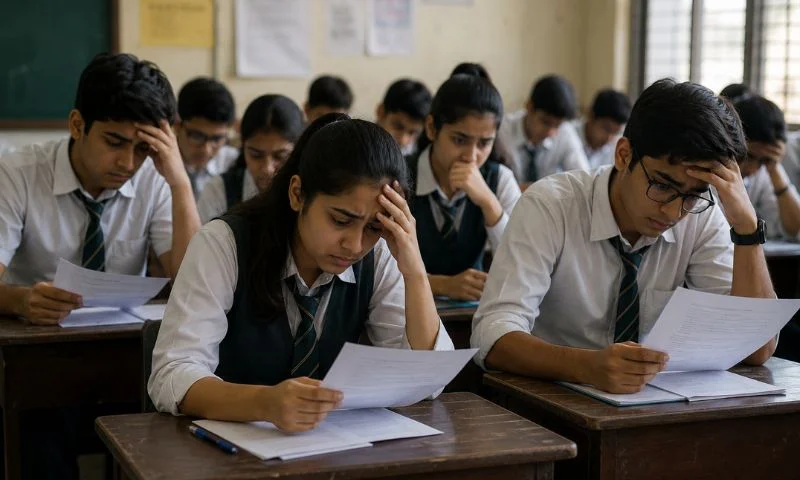
Government, Cambridge and British Officials Hold Emergency Meeting Over Paper Leak
Pakistan’s government has intensified its response to the alleged leakage of Cambridge examination papers after senior officials, British representatives and Cambridge authorities held an emergency meeting in Islamabad. The meeting took place at the Ministry of Interior and Narcotics Control under the chairmanship of Interior Secretary Muhammad Khurram Agha. The session followed directives from Interior Minister Mohsin Naqvi and Federal Education Minister Khalid Maqbool Siddiqui. Moreover, officials from Cambridge Assessment International Education, the British Council, the Ministry of Foreign Affairs and Pakistan’s cybercrime agency attended the meeting. Education Secretary Nadeem Mahbub briefed participants on concerns raised by students and parents regarding the alleged leakage of Cambridge O Level mathematics papers. As a result, the controversy has created widespread anxiety among students preparing for crucial examinations. Cambridge qualifications remain highly important in Pakistan because thousands of students rely on them for university admissions and international education opportunities. British Officials Say Incident May Involve Theft During the meeting, British Deputy High Commission officials informed participants that the issue appeared to involve theft rather than a formal examination paper leak. Meanwhile, Cambridge representatives reiterated that the institution follows “strict standards” to ensure transparency and integrity during examinations. The Ministry of Education also raised concerns regarding reports of another leaked examination paper. Consequently, officials requested Cambridge’s formal position on the matter. Cambridge representatives assured the forum that they would provide an official update “at the earliest.” Interior Secretary Muhammad Khurram Agha expressed serious concern over the incident and stressed the importance of coordinated action. Therefore, he directed National Cyber Crime Investigation Agency Director General Syed Khurram Ali to conduct a thorough investigation in coordination with Cambridge authorities. He also emphasized the need for transparency and timely sharing of investigation findings to restore public confidence. Furthermore, officials agreed that Cambridge would strengthen system capacity and address possible loopholes within the examination process. Students Demand Transparency and Accountability The controversy has triggered intense debate in Pakistan regarding examination security and digital information sharing. In addition, students and parents have openly expressed frustration and concern on social media platforms. Education experts say examination leaks can severely damage trust in academic assessment systems if authorities fail to act quickly and transparently. Pakistan’s government has increasingly focused on cybercrime monitoring and digital security as educational institutions face growing online threats. Read More: Cambridge Postpones Major A-Level Exam in Pakistan After Paper Leak At the same time, analysts believe cooperation between Pakistani authorities, Cambridge and British institutions will remain critical in identifying those responsible. The controversy has also renewed calls for stronger safeguards around international examinations conducted in Pakistan. For thousands of students, the outcome of the investigation may influence confidence in future Cambridge examinations and broader education reforms.
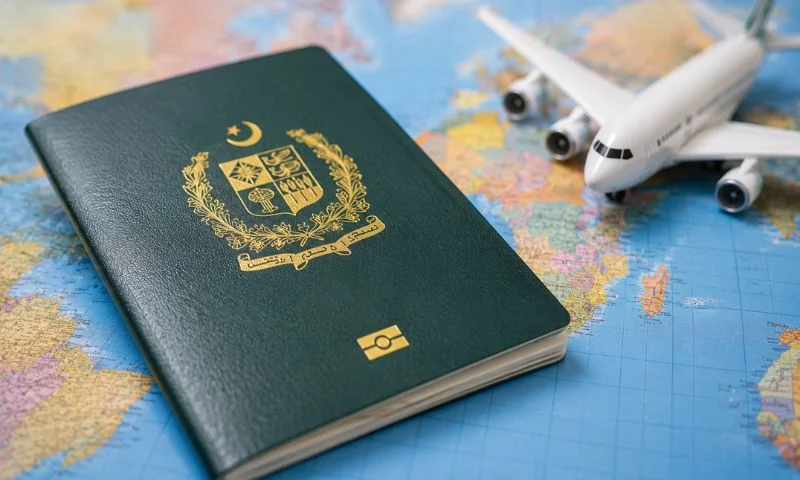
Pakistani Passport Drops to 100th Place in Global Rankings
Pakistan has ranked 100th in the latest Henley Passport Index, with Pakistani passport holders currently enjoying visa-free or visa-on-arrival access to 30 destinations worldwide. The latest ranking places Pakistan among the world’s weakest passports, ahead of only Iraq, Syria and Afghanistan. The Henley Passport Index compares 199 passports across 227 destinations and ranks countries according to the number of places citizens can access without obtaining a prior visa. Although Pakistan remains near the bottom of the rankings, the country has shown gradual improvement over recent years. Pakistan climbed to 98th place earlier this year after ranking 103rd in 2025. However, the latest May 2026 update pushed the country slightly lower to 100th position. According to the index, Pakistani citizens had visa-free access to 32 destinations in February this year after The Gambia restored travel access arrangements. The number has now declined to 30 because of ongoing changes in international visa policies and bilateral agreements. Asian Passports Continue Dominating Global Rankings The latest rankings once again highlighted the growing strength of Asian passports in global mobility. Singapore retained the world’s most powerful passport position. Passport holders from Singapore continue enjoying access to the highest number of destinations globally without prior visas. Japan, South Korea and the United Arab Emirates shared second place in the rankings. Sweden emerged as the highest-ranked European nation at third place. A group of European countries, including France, Germany, Italy and Netherlands, tied for fourth position. The United States ranked tenth in the latest index. Analysts say passport rankings increasingly reflect diplomatic influence, economic strength and international security cooperation. Regional Competition and Travel Challenges Continue India also experienced a decline in the latest rankings. India dropped from 75th place earlier this year to 78th position in the current index. Travel experts say global visa rules continue shifting because of geopolitical tensions, migration concerns and changing bilateral relations. Pakistan has sought to improve international mobility for its citizens through diplomatic engagement and upgraded passport security systems. Authorities have also expanded e-passport initiatives and digital identity measures in recent years. However, analysts note that broader improvements in travel freedom often depend on stronger diplomatic ties, economic stability and international confidence in migration controls. For millions of Pakistanis seeking opportunities abroad for education, employment and tourism, passport strength remains closely linked to global mobility and economic access. The latest rankings underline how international travel freedom continues to vary sharply across regions despite growing global connectivity.

Pakistan Set for $80 Million Pharmaceutical Investment From Russia
A Russian pharmaceutical company plans to invest nearly $80 million in Pakistan to establish local insulin production facilities, marking a major development for the country’s healthcare and pharmaceutical sectors. Zavod Medsintez and its Pakistani partner Genetics Pharmaceuticals Private Limited intend to launch the project in two phases, according to officials familiar with the plan. The initiative comes as Pakistan continues facing rising diabetes cases and growing dependence on imported insulin products. Pakistan ranks among the countries with the highest diabetes burden globally. The International Diabetes Federation estimates millions of Pakistanis live with diabetes, increasing pressure on healthcare systems and medicine imports. Officials say the investment could help reduce import dependence while improving access to insulin and biotechnological medicines. The development also reflects expanding economic and industrial cooperation between Pakistan and Russia. Two-Phase Project Planned Until 2031 The first phase of the project involves establishing an aseptic filling plant with an estimated investment of around $20 million. The facility will handle bulk insulin imports along with aseptic filling and packaging operations. Officials expect the first phase to conclude by December 31, 2028. The second phase includes construction of a full active pharmaceutical ingredient production facility with an estimated investment of approximately $60 million. Read More: Islamabad to Host First-Ever EU-Pakistan Business Forum in Major Investment Push That stage will focus on insulin manufacturing from API purification to final packaging through biotechnology processes. The companies expect the second phase to finish by December 31, 2031. Pakistan’s Drug Regulatory Authority of Pakistan has already allowed the Russian company and its local partner to market Rosinsulin R, Rosinsulin C and Rosinsulin M 30/70 insulin products in Pakistan. Officials said the project would also involve technology transfer and development of biotechnology expertise inside Pakistan. DRAP stated that authorities would closely monitor the investment process and require detailed stage-wise implementation timelines from both companies. Pakistan Expands Economic Cooperation With Russia The insulin project arrives amid broader efforts by Pakistan and Russia to strengthen trade and industrial cooperation. Earlier this year, Russia approved imports of Pakistani fish and seafood products. Muhammad Junaid Anwar Chaudhry described the development as a “historic achievement”. He said 16 Pakistani companies had received approval to export seafood to Russia. Officials believe access to the Russian market could also create opportunities across countries linked to the Eurasian Economic Union. Pakistan currently exports more than $500 million worth of seafood annually. Authorities hope the figure could rise to $800 million following expanded market access in Russia. Analysts say the insulin investment signals growing Russian interest in Pakistan’s pharmaceutical and healthcare industries at a time when Islamabad seeks more foreign investment in manufacturing and biotechnology. Healthcare experts also view local insulin production as potentially significant for affordability, supply stability and long-term pharmaceutical self-sufficiency.
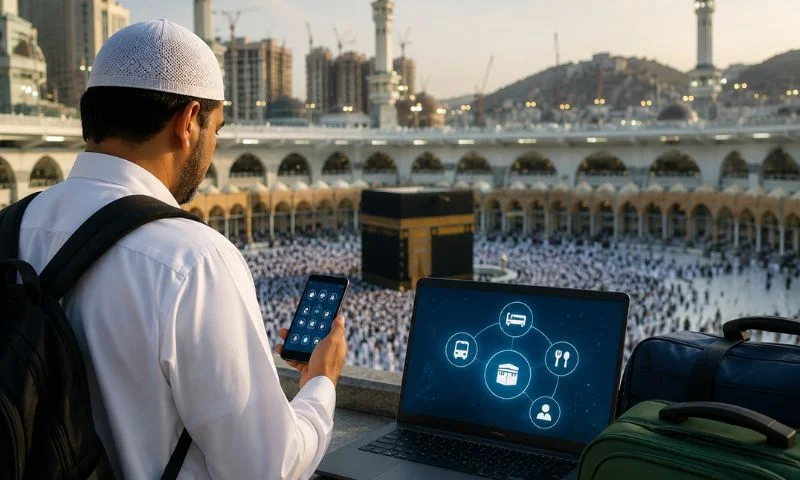
Saudi Arabia Launches Massive Digital Upgrade for Hajj 2026
Saudi Ministry of Hajj and Umrah has unveiled a major digital expansion for Hajj 2026, introducing hundreds of online services aimed at simplifying pilgrimage arrangements for millions of Muslims, including pilgrims from Pakistan. The ministry announced that its “Electronic Track” platform now provides more than 250 digital services covering accommodation, transportation, catering and pilgrimage management. Saudi officials say the initiative marks one of the kingdom’s most ambitious digital transformations for Hajj operations in recent years. The platform aims to improve coordination between Hajj authorities, service providers and pilgrims before their arrival in Saudi Arabia. According to the ministry, the system allows authorities to integrate pilgrim data in advance, helping reduce delays and administrative complications during arrival procedures. For Pakistani pilgrims, officials say the changes could significantly improve movement across key pilgrimage sites and reduce waiting times. Saudi authorities have increasingly invested in digital systems as the annual Hajj pilgrimage continues growing in scale and complexity. Electronic Track to Manage Housing, Transport and Services Saudi media reports said the Electronic Track platform operates as a unified digital management system for major Hajj operations. The platform directly coordinates housing allocations, transportation arrangements and catering services for pilgrims. Officials say the integrated system will also streamline movement between Islam’s holiest sites, including Mina, Muzdalifah and Arafat. Read More: Under-15 Ban Scrapped: What It Means for Hajj 2026 Pilgrims The ministry stated that modern data-sharing mechanisms now synchronize operations across multiple departments and agencies involved in Hajj management. Saudi Arabia has accelerated digitization efforts in recent years under its broader Vision 2030 modernization agenda. Authorities have already introduced electronic visas, digital Nusuk permits, smart crowd-management systems and AI-powered monitoring technologies for pilgrims. Pakistan remains one of the largest contributors to the annual Hajj pilgrimage. Thousands of Pakistani pilgrims travel to Saudi Arabia each year under both government and private Hajj schemes. Officials in Pakistan have repeatedly called for faster processing systems and improved coordination to ease logistical challenges faced by pilgrims during the pilgrimage season. Saudi Arabia Expands Smart Hajj Infrastructure The kingdom has heavily upgraded infrastructure in and around Makkah over the past decade to manage rising pilgrim numbers safely and efficiently. Saudi authorities say digital integration now plays a central role in crowd management, transportation tracking and emergency response systems. The Electronic Track initiative also reflects Saudi Arabia’s growing focus on offering seamless digital services for religious tourism. Analysts say the move could further improve Saudi Arabia’s reputation as global demand for Hajj and Umrah services continues increasing. The kingdom has set ambitious targets to attract millions more religious visitors annually under Vision 2030 reforms. For many Pakistani pilgrims, the expanded platform may reduce some of the stress historically linked to travel documentation, accommodation coordination and movement during the physically demanding pilgrimage. Officials say more updates regarding Hajj 2026 procedures and scheduling will be released in the coming months.
