

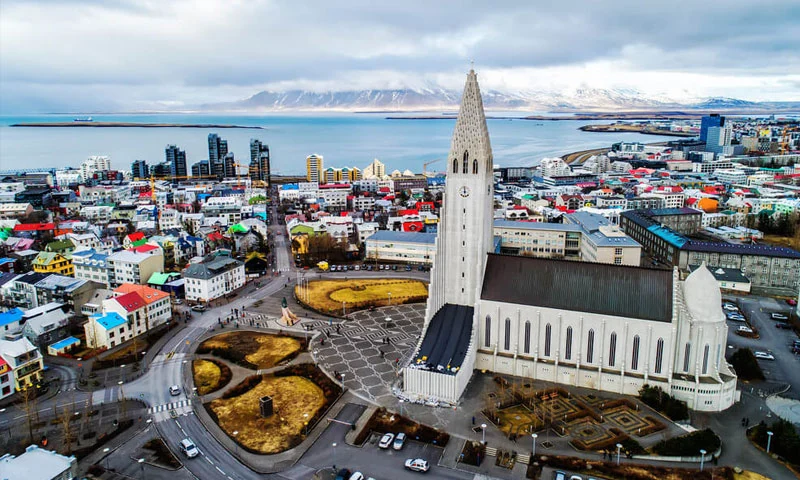
The world’s most peaceful countries for 2026 have been revealed, with Iceland once again securing the top position in the latest Global Peace Index compiled by the Institute for Economics and Peace (IEP). The annual index assessed 163 countries and territories using 23 indicators that measure peace and stability. Researchers examined factors such as crime levels, political stability, internal and international conflicts, militarisation and the impact of terrorism. According to the report, global peacefulness continued to decline during the past year. However, a select group of nations maintained exceptionally high levels of safety, security and social cohesion. Iceland Iceland retained its position as the world’s most peaceful country for the 17th consecutive year. Researchers credited the country’s low crime rates, strong institutions and high levels of public trust for its continued success. Iceland has consistently topped the rankings since 2008 and remains one of the safest places to live and visit. Ireland Ireland ranked second in the 2026 Global Peace Index. The country benefited from effective democratic institutions, a long-standing policy of neutrality and low incarceration rates. Analysts also highlighted Ireland’s stable political environment and strong social cohesion. New Zealand New Zealand climbed two places to secure third position globally. The country also emerged as the most peaceful nation in the Asia-Pacific region. Researchers pointed to its low crime levels, stable government and strong rule of law. Austria Austria maintained its place among the world’s safest countries by securing fourth position. Its stable political environment, high quality of life and strong public institutions contributed to its ranking. Switzerland Switzerland ranked fifth and continued its tradition of neutrality and political stability. The country achieved strong scores in public safety and recorded low levels of violent crime compared to many other developed nations. Singapore Singapore emerged as the highest-ranked country in Southeast Asia, taking sixth place overall. The city-state posted excellent results in public safety, law enforcement and social stability. It also remained free from major internal or external conflicts. Portugal Portugal secured seventh place in the rankings. The report noted that continuous investment in social development and public welfare programmes helped strengthen safety perceptions and overall stability. Denmark Denmark claimed eighth position and remained one of the safest countries in Northern Europe. High living standards, strong governance and low crime rates helped Denmark maintain its place among the world’s most peaceful nations. Slovenia Slovenia ranked ninth in the latest index. Researchers highlighted its effective governance, political stability and peaceful social environment as key factors behind its strong performance. Finland Finland completed the top 10 list. The Nordic country improved several safety indicators despite facing a more challenging geopolitical environment in Northern Europe. Analysts said Finland’s strong institutions and social trust continued to support its ranking. What Makes These Countries Stand Out? Experts say the countries at the top of the Global Peace Index share several common traits. They invest heavily in education, healthcare and social welfare. They also maintain strong institutions, low corruption levels and effective governance. The Institute for Economics and Peace noted that peaceful societies tend to enjoy stronger economic performance, higher quality of life and greater resilience during periods of global uncertainty. As conflicts and geopolitical tensions continue to affect many regions, the latest rankings highlight the importance of stability, trust and good governance in building peaceful societies.
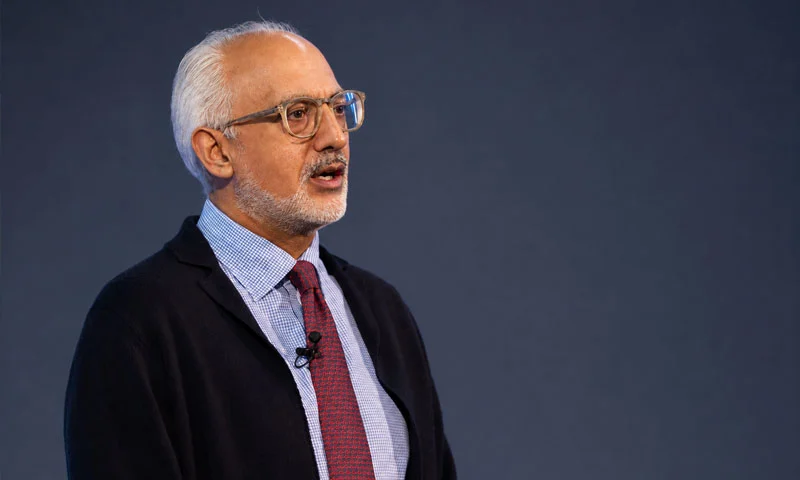
From Banker to Billionaire: The Rise of British-Pakistani Ilyas Khan
British-Pakistani technology entrepreneur Ilyas Khan has joined the ranks of billionaires after quantum computing company Quantinuum made a blockbuster debut on the Nasdaq, valuing the firm at more than $15.6 billion. The company raised $1.68 billion through its initial public offering, making it the largest stock market listing by a quantum computing company to date. Quantinuum sold 28 million shares at $60 each in the offering. The stock opened at $58 when trading began on June 9. According to company filings, Khan owns approximately 15 percent of Quantinuum. Forbes estimated the value of his stake at around $2.2 billion following the listing. The successful debut marks a major milestone for the rapidly growing quantum computing sector, which has attracted increasing attention from investors, governments and technology giants. Quantinuum emerged in 2021 through the merger of Honeywell Quantum Solutions and Cambridge Quantum Computing, a company Khan founded in 2014. The merger combined Honeywell’s advanced quantum hardware with Cambridge Quantum’s software capabilities, creating one of the industry’s most prominent players. From Banking to Quantum Computing Pioneer Born in Lancashire, England, Khan studied South Asian Studies at the School of Oriental and African Studies (SOAS) in London before beginning a career in banking. After leaving the financial sector, he launched several technology ventures and also founded the Hong Kong-based Asia Literary Review. Khan later pursued a mathematics degree through the Open University, where he developed a deep interest in quantum mechanics. “Quantum is the nature of reality; everything around us is quantum,” Khan said in a recent interview with SOAS. That fascination ultimately led him to establish Cambridge Quantum Computing, a startup focused on developing software for quantum computers. Honeywell had already invested in the company before the merger and contributed $300 million as part of the deal that created Quantinuum. Today, Khan serves as the company’s vice chairman and chief product officer. Quantum Race Gains Momentum Quantinuum operates at the centre of a technology race that many experts believe could reshape computing over the coming decades. Unlike conventional computers that rely on silicon-based chips, Honeywell’s quantum systems use trapped ions controlled by lasers to perform calculations. Supporters of the technology argue that quantum computers could solve problems beyond the reach of today’s most powerful machines. Potential applications include drug discovery, advanced materials research, logistics optimisation and cybersecurity. Interest in the sector has surged as major companies including Google, Microsoft, Amazon and IBM invest heavily in quantum technologies. The Trump administration also recently identified Quantinuum as one of nine quantum technology startups eligible for support through a programme that could provide up to $2 billion in grants and equity investments. Despite growing optimism, the sector remains highly competitive and volatile. Investors continue to watch closely for breakthroughs that could accelerate commercial adoption. For Khan, however, the Nasdaq debut represents the culmination of a journey that began with curiosity about the fundamental nature of reality and evolved into one of the biggest success stories in the emerging quantum computing industry.
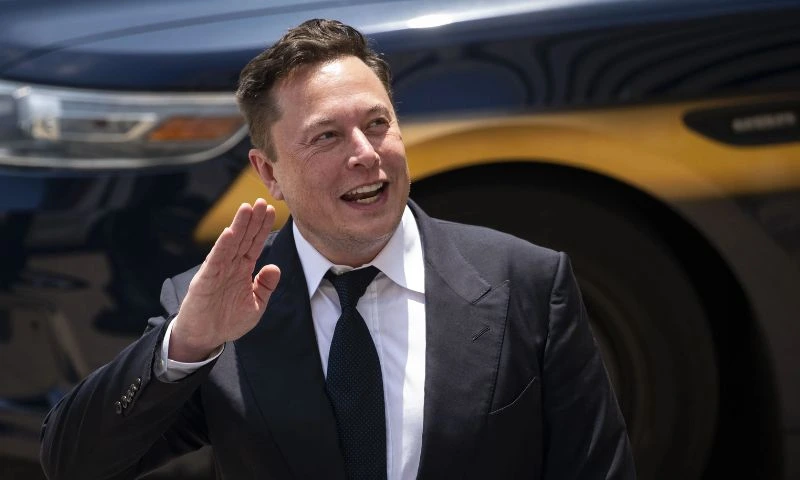
How SpaceX Turned Elon Musk Into the World’s First Trillionaire
Elon Musk’s SpaceX made a stunning debut on Wall Street on Friday, with shares jumping as much as 30 percent after what has been described as the largest initial public offering in history. The blockbuster listing raised more than $75 billion and briefly pushed SpaceX’s market value above $2 trillion, making it one of America’s most valuable companies and cementing Musk’s position as the world’s first trillionaire. SpaceX priced more than 555 million shares at $135 each ahead of its Nasdaq debut under the ticker symbol “SPCX”. During early trading, the stock climbed to as high as $175 per share, lifting the company’s valuation far beyond the levels reached during private fundraising rounds. The offering attracted extraordinary demand from institutional and retail investors. Bloomberg reported that the IPO was more than four times oversubscribed. Retail investors also showed strong interest after SpaceX reserved 20 percent of shares for individual buyers. The company could raise more than $86 billion if investors exercise options covering nearly 83 million additional shares. Celebrations took place both at Nasdaq headquarters in New York and at SpaceX’s Starbase facility in Texas, where employees gathered to watch the trading debut. Musk Pitches Vision of Mars and Space-Based AI Speaking at an event in Starbase, Musk outlined the company’s long-term ambitions. “SpaceX wants to be able to take you to the Moon, take you to Mars, and ultimately beyond,” Musk said. “I’m confident at this point that with the incredible team that we have here at SpaceX, that we will do that for you.” Founded in 2002 as a rocket company, SpaceX has evolved into a sprawling technology conglomerate. The company now combines launch services, Starlink satellite internet operations and artificial intelligence businesses under one corporate structure. SpaceX recently integrated xAI, Musk’s artificial intelligence company, which also includes social media platform X and the Grok chatbot. Investors are betting heavily on future growth. Company filings outlined plans that include expanding Starlink globally, developing space-based data centres and eventually supporting human settlements on Mars. The filing also projected potential revenue opportunities exceeding $28.5 trillion across multiple future markets. Investors Back Musk Despite Controversies The IPO arrives just over a year after Musk left President Donald Trump’s administration, where he led the controversial Department of Government Efficiency initiative aimed at reducing federal spending. Musk remains one of the world’s most polarising business leaders. His support for Trump, backing of right-wing political movements in Europe and frequent comments on X have attracted both praise and criticism. Yet investor enthusiasm remains strong. Revenue reached $18.7 billion in 2025, reflecting rapid growth across SpaceX’s businesses. However, the company reported a net loss of $4.9 billion as it continued investing heavily in artificial intelligence infrastructure and future projects. The listing is expected to create thousands of new millionaires among current and former employees. It also provides a major test for investor appetite ahead of potential IPOs from artificial intelligence companies such as OpenAI and Anthropic. Not everyone welcomed the milestone. Democratic Senator Elizabeth Warren criticised the development. “The world will get its first trillionaire while Americans across the country are scraping together every dollar to save for retirement,” Warren said. Despite the criticism, Friday’s debut marked a historic moment for both Wall Street and the global technology industry. It also reinforced Musk’s ability to attract investor support for some of the most ambitious projects in modern business.

England Hit by Shock Theft Scare Days Before World Cup Opener
England’s preparations for the 2026 FIFA World Cup have suffered an unexpected setback after thieves targeted equipment destined for the team’s training base in Kansas City. Reports said thieves took footballs, boots and other training gear after breaking into vehicles transporting equipment to Swope Soccer Village. The incident occurred shortly before Thomas Tuchel’s squad arrived in Kansas City. The Football Association confirmed the incident and said police were investigating the matter. Kansas City police also confirmed they had opened an investigation. “We are investigating a possible theft of equipment from a team vehicle that arrived in Kansas City with items missing this evening. The investigation is ongoing,” the Kansas City, Missouri Police Department told the Daily Mail. The BBC reported that police arrested two suspects in connection with the theft. However, authorities have not released further details. England Keeps Focus on World Cup Opener Despite the disruption, England plans to continue preparations as scheduled. The Three Lions will hold their first training session at Swope Soccer Village on Saturday evening after travelling from their pre-tournament base in Florida. England begin their World Cup campaign against Croatia on Wednesday. Tuchel’s side will then face Ghana and Panama in Group L. The former Chelsea and Bayern Munich manager took charge after Gareth Southgate stepped down following Euro 2024. England arrived in North America carrying the hopes of ending a 60-year wait for a World Cup title. The squad combines experienced internationals with several emerging stars. National teams usually transport specialised equipment before major tournaments. Those shipments often include customised boots, training technology, medical supplies and recovery equipment. Security Under Spotlight at Expanded Tournament The 2026 World Cup marks the biggest edition in FIFA history. The United States, Canada and Mexico are jointly hosting the tournament, which features 48 teams. Organisers have invested heavily in transport, logistics and security across the three host nations. While police have not linked the incident to wider security concerns, the theft has drawn attention because it involved one of the tournament favourites. England officials have not indicated whether the missing equipment will affect training plans. For now, Tuchel and his players remain focused on football as they prepare for their opening match. Meanwhile, investigators continue searching for additional evidence and possible links to other suspects.

Pakistan Moves to Bring Online Earnings Into Formal Tax System
The federal government has proposed a 5 percent withholding tax on income earned by social media influencers, YouTubers, TikTok creators and other digital content producers under the Finance Bill 2026. The move aims to bring Pakistan’s fast-growing creator economy into the formal tax system. Officials also want to improve documentation of online earnings. Under the proposal, banks and financial institutions will deduct the tax when digital platforms transfer payments to creators’ accounts. The tax will cover earnings from YouTube, Facebook, Instagram, TikTok and other similar platforms. If parliament approves the proposal, creators will receive payments after banks deduct the tax. The government has included both resident and non-resident creators in the proposed framework. However, authorities may apply different rules based on a person’s tax status. Officials say the measure will help authorities document online earnings more effectively and improve compliance. Online Earnings Come Under Greater Scrutiny Pakistan’s creator economy has expanded rapidly in recent years. Thousands of people now earn money through advertising revenue, sponsorship deals, affiliate marketing and brand partnerships. YouTube remains one of the biggest sources of income for content creators. Meanwhile, TikTok, Instagram and Facebook continue expanding monetisation opportunities. The Federal Board of Revenue has increased its focus on digital transactions as more economic activity moves online. Officials believe the proposal will create a level playing field between digital creators and traditional businesses. They also argue that creators who generate significant income should contribute to the tax system like other professionals and companies. Many countries have introduced similar measures as governments seek to modernise tax systems and capture revenue from digital economies. Banks to Play Central Role The proposed framework places banks at the centre of the collection process. Instead of requiring separate deductions by digital platforms, banks will collect the tax when creators receive payments. Officials expect this approach to simplify compliance and improve transparency. The government also wants to track payments arriving from foreign platforms more effectively. Tax experts note that withholding taxes often function as advance tax payments. Depending on tax laws and filing status, taxpayers can adjust those payments against their final tax liability. The proposal marks one of Pakistan’s most significant efforts to regulate digital income. Officials believe the measure will strengthen revenue collection while creating a clearer regulatory framework for online creators. If lawmakers approve the proposal, Pakistan will formally integrate social media earnings into its mainstream taxation system and expand oversight of the country’s growing digital economy.
