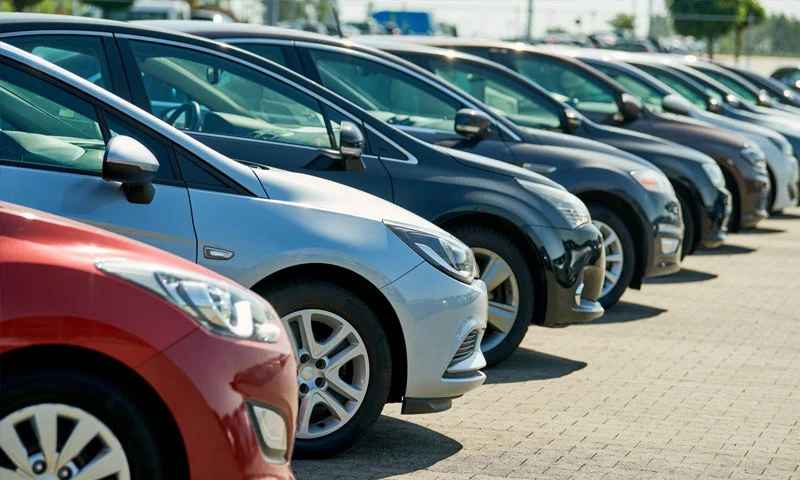
Prime Minister Shehbaz Sharif has approved the final draft of Pakistan’s Automotive Industry Policy 2026–31. The framework proposes a 20 per cent cap on vehicle booking advances and measures to gradually lower car prices. It will now go to the federal cabinet for consideration and formal approval. Adviser to the Prime Minister on Industries and Production Haroon Akhtar Khan outlined the policy at a press conference on Saturday. Information Minister Attaullah Tarar joined him in Islamabad. Akhtar said extensive consultations had shaped the framework, which prioritises affordability, exports, localisation, safety, electric vehicles and transparency. Car booking advances face 20% limit Under the proposed rules, manufacturers would collect no more than one-fifth of a vehicle’s price when customers book it. The government intends the restriction to protect buyers from excessive advance demands and improve transparency in vehicle bookings. Third-party audits also form part of the framework. Read More: Pakistan Auto Financing Hits Record Rs 386 Billion Akhtar said lower production costs would gradually translate into cheaper vehicles, particularly benefiting middle- and higher-income consumers. Meanwhile, the government’s tariff reforms aim to make imported raw materials and intermediate goods more affordable for domestic manufacturers. The adviser also stressed the auto industry’s importance to large-scale manufacturing. Greater use of locally produced components, he said, would support jobs and strengthen domestic suppliers. Pakistan’s current automotive exports stand at around $200 million, according to Akhtar. The new framework sets a cumulative export target of $6 billion over five years. He said policies over the past decade had failed to deliver the desired export growth. Consequently, manufacturers would face specific export and localisation targets, alongside incentives and penalties. The proposed incentives include a 5 per cent drawback of local taxes and levies. An additional 10 per cent incentive would reward incremental annual export growth. However, manufacturers would need to meet the prescribed targets to qualify, while companies falling short could face penalties. EV financing rises to Rs10 million Akhtar said the government had raised the electric vehicle financing limit to Rs10 million to encourage adoption. He linked the emphasis on EVs to regional tensions and Pakistan’s exposure to international oil price fluctuations. Higher petroleum costs increase the import bill and put pressure on inflation and the current account. The announced charging infrastructure measures include zero customs duty and 1 per cent sales tax on imported charging-station machinery. Together, these measures aim to expand charging facilities and make electric transport more practical. Read More: Five New Chinese EVs in The Price of One Car in US: The Price Gap Shaking the Auto Industry To improve vehicle quality, the framework adds 45 safety standards covering locally manufactured vehicles and imported used cars. Akhtar said better standards would bring Pakistani vehicles closer to international benchmarks. He highlighted defective brakes, tyre failures and inadequate seat belts among existing safety concerns. Tarar said the policy must complete the required approval process before implementation. The announced framework therefore sets out the government’s intended changes, with formal cabinet consideration still to follow.