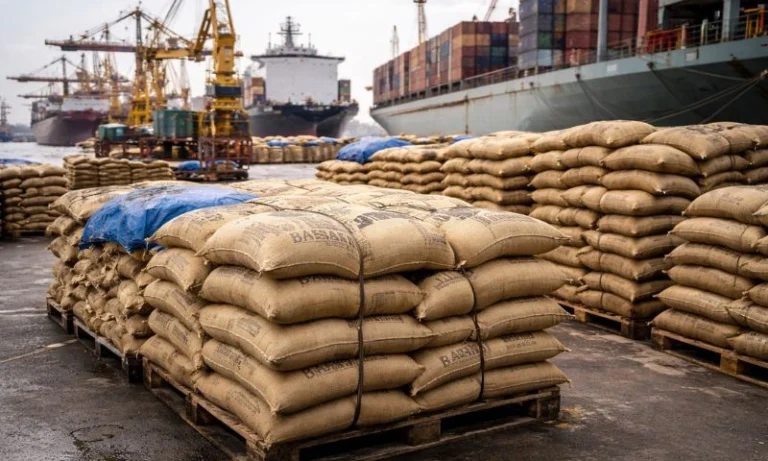
India’s basmati rice exports have been severely disrupted as escalating tensions in the Middle East have halted shipments and delayed trade deals. According to industry officials, around 400,000 tonnes of Indian basmati rice are currently stuck at ports or in transit, creating major uncertainty for exporters and traders.
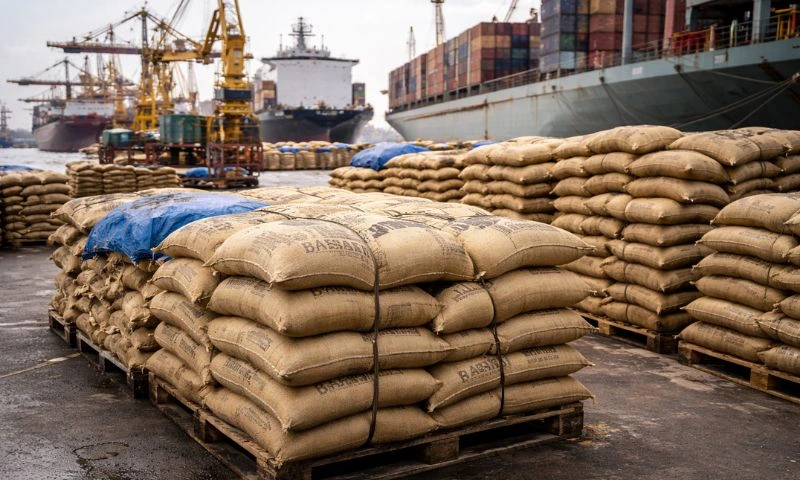
Trade officials say roughly 200,000 tonnes of rice are stranded at Indian ports, while another 200,000 tonnes are already in transit but unable to reach their destinations due to shipping disruptions across the Middle East.
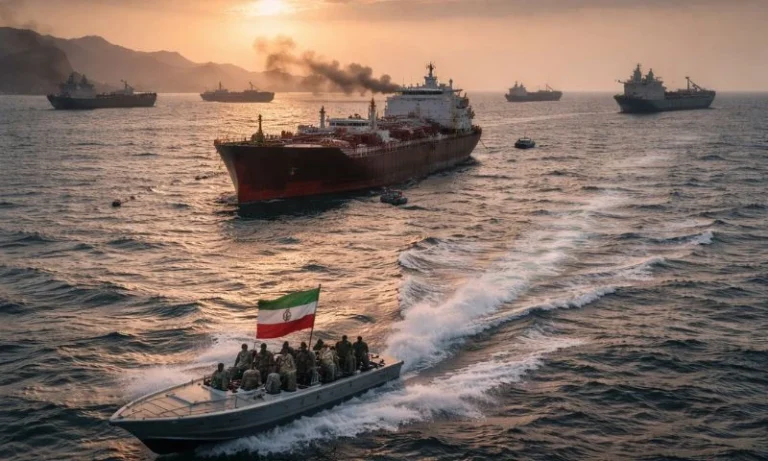
The crisis began after the conflict involving the United States, Israel and Iran intensified, disrupting key maritime routes and pushing freight costs sharply higher. As a result, exporters say new orders from buyers in the region have largely stopped.
Satish Goel, president of the All India Rice Exporters’ Association, explained the scale of the disruption. He said, “Around 200,000 tonnes of basmati rice are stuck in transit, and an equal amount is stranded at Indian ports as the war has disrupted shipping routes across the Middle East.”
Rising Freight Costs and Insurance Problems
Shipping companies and exporters say the situation has worsened because container freight rates have more than doubled in recent days. Many shipping firms are reluctant to send vessels through conflict-affected waters in the Gulf region.
Insurance companies have also withdrawn coverage for ships traveling through key maritime routes such as the Strait of Hormuz. Without insurance protection, cargo vessels cannot operate normally, leaving exporters with large quantities of rice waiting at warehouses and ports.
Exporters say they had already transported large volumes of basmati rice to ports expecting normal shipments to Middle Eastern markets. However, the sudden escalation of conflict has left traders facing rising storage costs and financial pressure.
Industry sources warn that if the situation continues, exporters may have to invoke force majeure clauses in contracts with overseas buyers.
Read More: Strait of Hormuz Closure Sparks Global Shipping Crisis and Higher Costs
Middle East a Crucial Market for Basmati
The Middle East remains one of the largest markets for Indian basmati rice. Countries such as Iran, Saudi Arabia and the United Arab Emirates together account for more than half of India’s premium rice exports.
Basmati rice, known for its long grains and distinctive aroma, originates from the Indian subcontinent and is mainly grown in regions of India and Pakistan. It is widely used in dishes such as biryani and pilaf, making it a staple product across South Asia and the Middle East.
India is currently the world’s largest exporter of basmati rice, with exports reaching record levels in recent years due to strong demand from international markets.
However, the sudden disruption has pushed prices down by nearly six percent as supply builds up and buyers delay purchases.
Read More: Spain Rejects Trump’s Threat to Cut Off Trade Over Iran Conflict
Exporters Seek Government Support
Indian rice exporters have approached the government for assistance as the backlog grows. Industry groups say traders are struggling with mounting logistics costs and uncertainty over future shipments.
Experts believe the disruption could continue as long as the regional conflict affects shipping routes and insurance coverage. At the same time, traders say Middle Eastern countries have few alternatives to Indian basmati supplies, meaning demand is likely to return once the situation stabilizes.
For now, exporters remain cautious, focusing on completing existing contracts while holding back from signing new deals until shipping routes become safer.