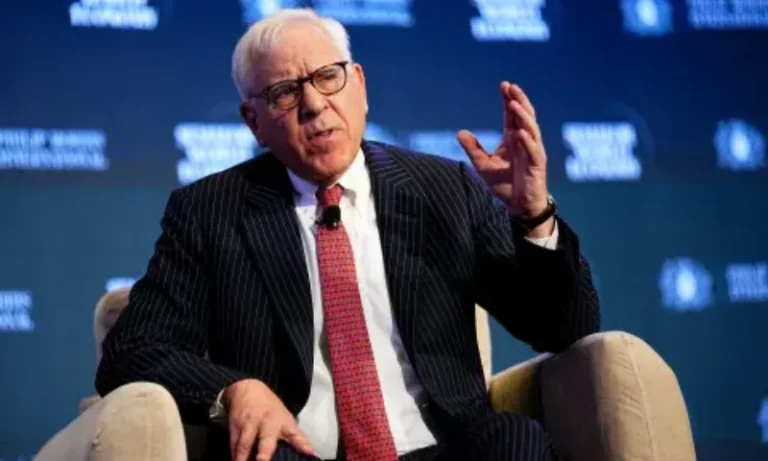

Pakistan’s government is considering introducing a four-day workweek with reduced office hours as part of emergency energy conservation measures amid fears of fuel supply disruptions linked to the crisis in the Middle East. The proposal was discussed during a meeting of a special committee monitoring petroleum supplies chaired by Finance Minister Muhammad Aurangzeb.
Officials said the committee examined several options to reduce the consumption of petrol, diesel and liquefied natural gas as global prices surge due to tensions in the Gulf region. The move comes as disruptions around the Strait of Hormuz threaten global oil shipments and create uncertainty about future supply.
The committee is expected to present its recommendations to Prime Minister Shehbaz Sharif before a final decision is taken by the Economic Coordination Committee of the cabinet.
Online Schooling Also Under Consideration
Alongside the shorter workweek, officials are considering shifting educational institutions to virtual learning, similar to the arrangements used during the Covid-19 pandemic. The aim is to reduce daily commuting and lower fuel consumption nationwide.
Government officials said the committee discussed nearly a dozen conservation proposals. These measures are designed to reduce demand for petroleum products if supply pressures worsen.
However, members of the committee were divided over how quickly such steps should be implemented. Some officials warned that aggressive measures such as reduced working days could create panic among the public and trigger unnecessary fuel hoarding. Others argued that delaying action could reduce national reserves if supply disruptions intensify.
National Fuel Stocks Under Pressure
Pakistan currently holds petroleum reserves sufficient for roughly 25 to 28 days of national consumption, according to officials briefed during the meeting.
Two crude oil cargoes have already been delayed due to shipping disruptions in the Gulf. The government is therefore exploring alternative supply routes and negotiating with regional partners to maintain imports.
Authorities said discussions are ongoing with energy suppliers in Saudi Arabia, Oman and the United Arab Emirates to secure additional crude shipments and maintain existing supply arrangements.
Officials from Pakistan State Oil and domestic refineries are also coordinating with foreign suppliers to ensure uninterrupted fuel availability.
Government Plans to Prevent Hoarding
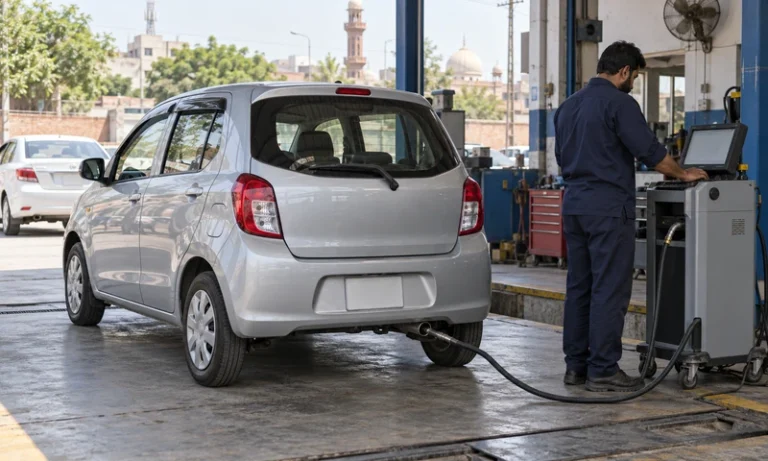
The government has simultaneously ordered provincial administrations to conduct inspections of petrol stations and storage facilities to prevent illegal hoarding and profiteering.
Authorities say strict monitoring will help maintain stable fuel distribution and prevent panic buying during the ongoing crisis.
Officials stressed that there is currently no immediate shortage of petroleum products and urged consumers to avoid unnecessary stockpiling.
Rising Global Energy Prices Add Pressure
Energy experts say Pakistan could face higher fuel costs even if supplies remain stable. The committee was informed that the price of an LNG cargo has already surged to about $70 million compared with around $30 million before the conflict.
If global energy volatility continues, authorities may consider shifting petroleum price reviews from a fortnightly system to weekly adjustments to better reflect market changes.
Despite the uncertainty, the government says its priority remains ensuring uninterrupted fuel availability while managing consumption efficiently through conservation measures.