
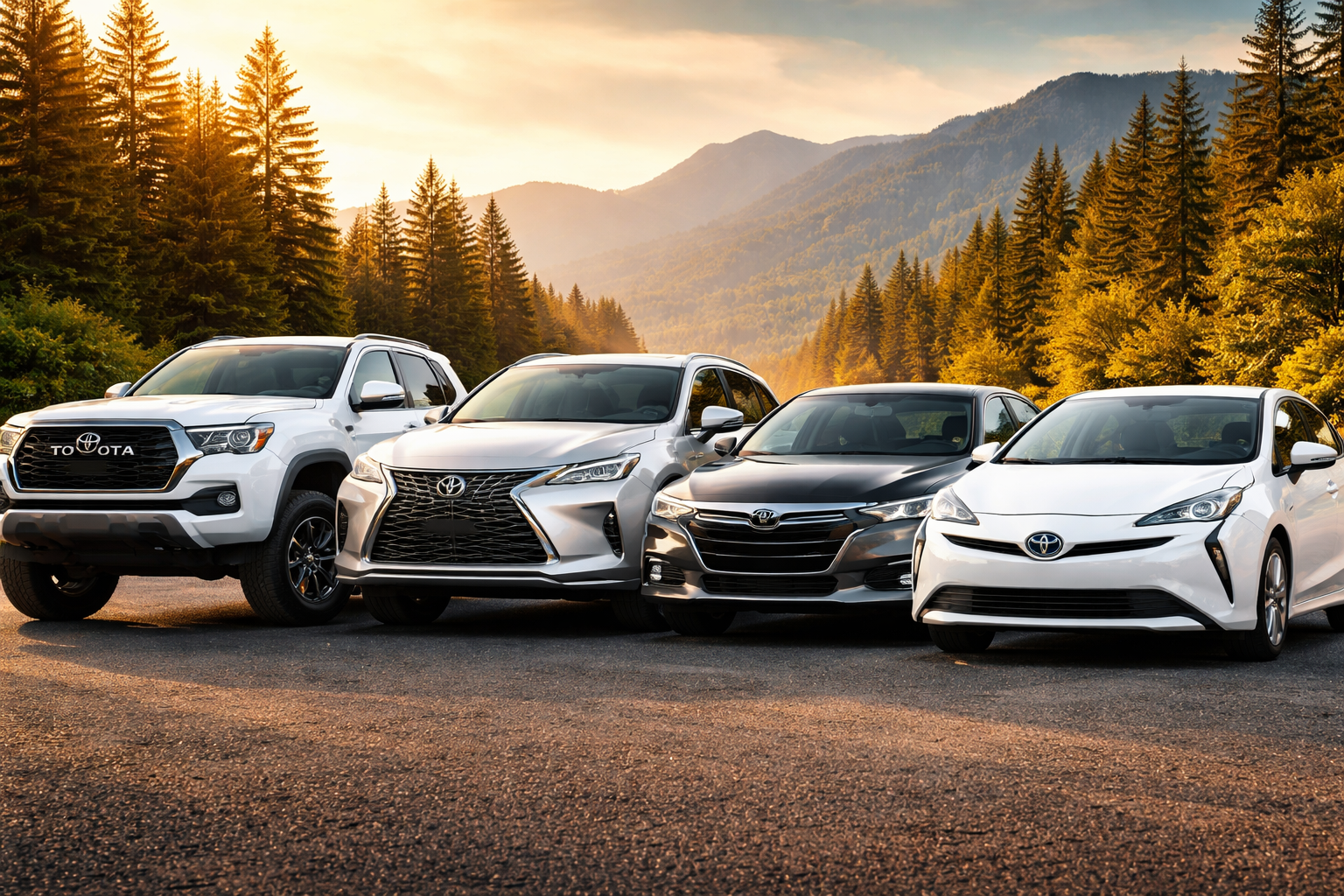
When it comes to building cars that truly go the distance, one name continues to stand far ahead of the pack: Toyota. A comprehensive new analysis by automotive data firm iSeeCars shows that Toyota vehicles are more likely than any other brand to reach the impressive milestone of 250,000 miles or more. According to the study, Toyota models have an average 17.8 percent chance of crossing the quarter-million-mile mark—nearly four times higher than the industry average. This dominant performance places Toyota firmly at the top of the rankings and highlights why the brand has long been associated with durability and long-term ownership value. Toyota’s success is driven largely by its body-on-frame SUVs and pickup trucks, including the 4Runner, Sequoia, Tacoma, and Tundra, all of which are well known for surviving years of heavy use. However, the brand’s reputation doesn’t rest on trucks alone. Sedans and hybrids such as the Avalon and Prius also consistently rank among the longest-lasting vehicles, proving that longevity is built into Toyota’s lineup across segments. Close behind Toyota is Lexus, its luxury division, which ranks second overall with a 12.8 percent likelihood of reaching 250,000 miles. Honda follows in third place, while Acura takes fourth. Notably, these four brands are the only ones that outperform the overall industry average of 4.8 percent—placing them in a category of their own when it comes to long-term reliability. The study highlights a sharp drop-off after the top four. While brands such as GMC, Tesla, Chevrolet, and Cadillac come close to the average, most manufacturers fall well below it. In total, 28 out of 32 brands analyzed fail to meet the industry benchmark, underscoring how challenging it is to engineer vehicles capable of lasting decades. In the non-luxury segment, only Toyota and Honda manage to beat the average, with both offering more than double the longevity potential of their nearest competitor. Among luxury brands, Lexus and Acura again lead the way, joined above average by Tesla, Cadillac, and Lincoln. Interestingly, luxury vehicles are often driven less aggressively, meaning age—not mechanical failure—is frequently what ends their lifespan. Based on data from more than 174 million vehicles, iSeeCars’ findings reinforce a long-held belief among drivers: Japanese automakers continue to set the standard for durability. For buyers planning to keep their next vehicle for many years, longevity may be one of the most valuable features of all.
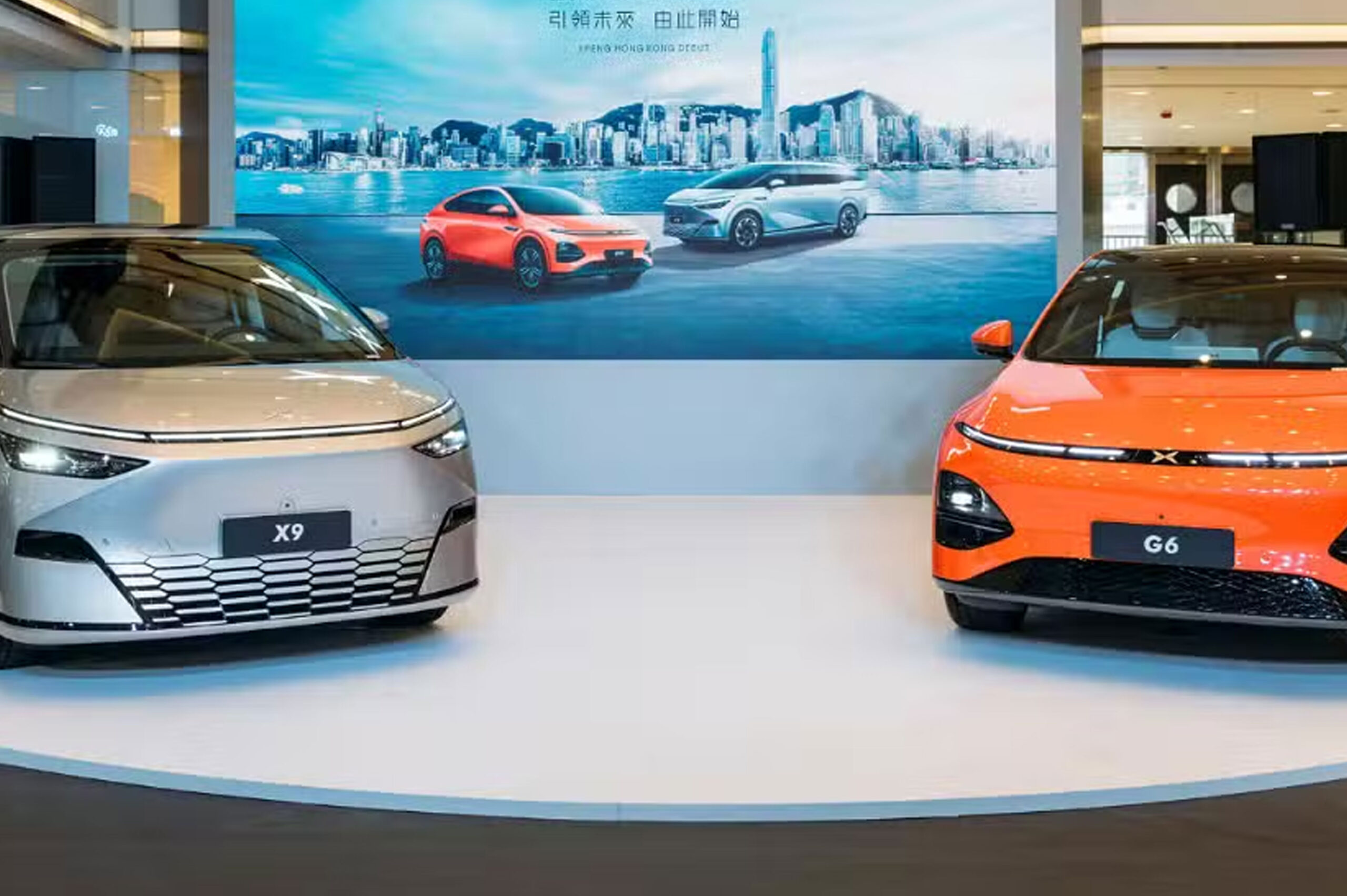
XPENG Enters Pakistan: Official Prices Revealed for G6 SUV and X9 Electric MPV
Pakistan’s electric vehicle landscape continues to expand as Tesla Industries, the group behind brands like GuGo GiGi and the recently introduced AION UT and AION V, has officially launched XPENG in the local market. The Chinese EV manufacturer has entered Pakistan with two all-electric models: the XPENG G6 SUV and the XPENG X9 MPV. The official prices were announced during the PakWheels New Wheels Expo, marking XPENG’s first formal step into the country’s rapidly growing EV segment. The XPENG G6 will be offered in three variants to cater to different performance and range preferences. The rear-wheel-drive Standard Range version has been priced at Rs. 14.5 million, while the Rear-Wheel-Drive Long Range variant comes in at Rs. 15.5 million. For buyers seeking higher performance, the All-Wheel-Drive Performance variant is priced at Rs. 18.5 million. All prices are ex-factory. To make ownership more flexible, Tesla Industries has introduced two booking and delivery plans for the G6. Customers opting for a faster 45-day delivery will need to pay 40 percent of the vehicle’s price upfront, whereas those choosing a 90-day delivery option can secure their booking with a 20 percent payment. Alongside the G6, the company has also introduced the XPENG X9, a fully electric premium MPV aimed at buyers looking for space, comfort, and long-range capability. The X9 will be available in a single top-spec variant, the Long Range 2WD Pro+, with an ex-factory price of Rs. 28.5 million. The booking structure for the XPENG X9 mirrors that of the G6, with 40 percent required for 45-day delivery and 20 percent for 90-day delivery. Tesla Industries has noted that the announced prices are introductory and may be revised in the future, depending on market conditions and demand. With this launch, XPENG becomes one of the latest global EV brands to enter Pakistan, further intensifying competition and offering consumers more premium electric mobility options than ever before.
2025 Auto Recalls Surge as Acura, Ford, BMW Announce New Safety Actions
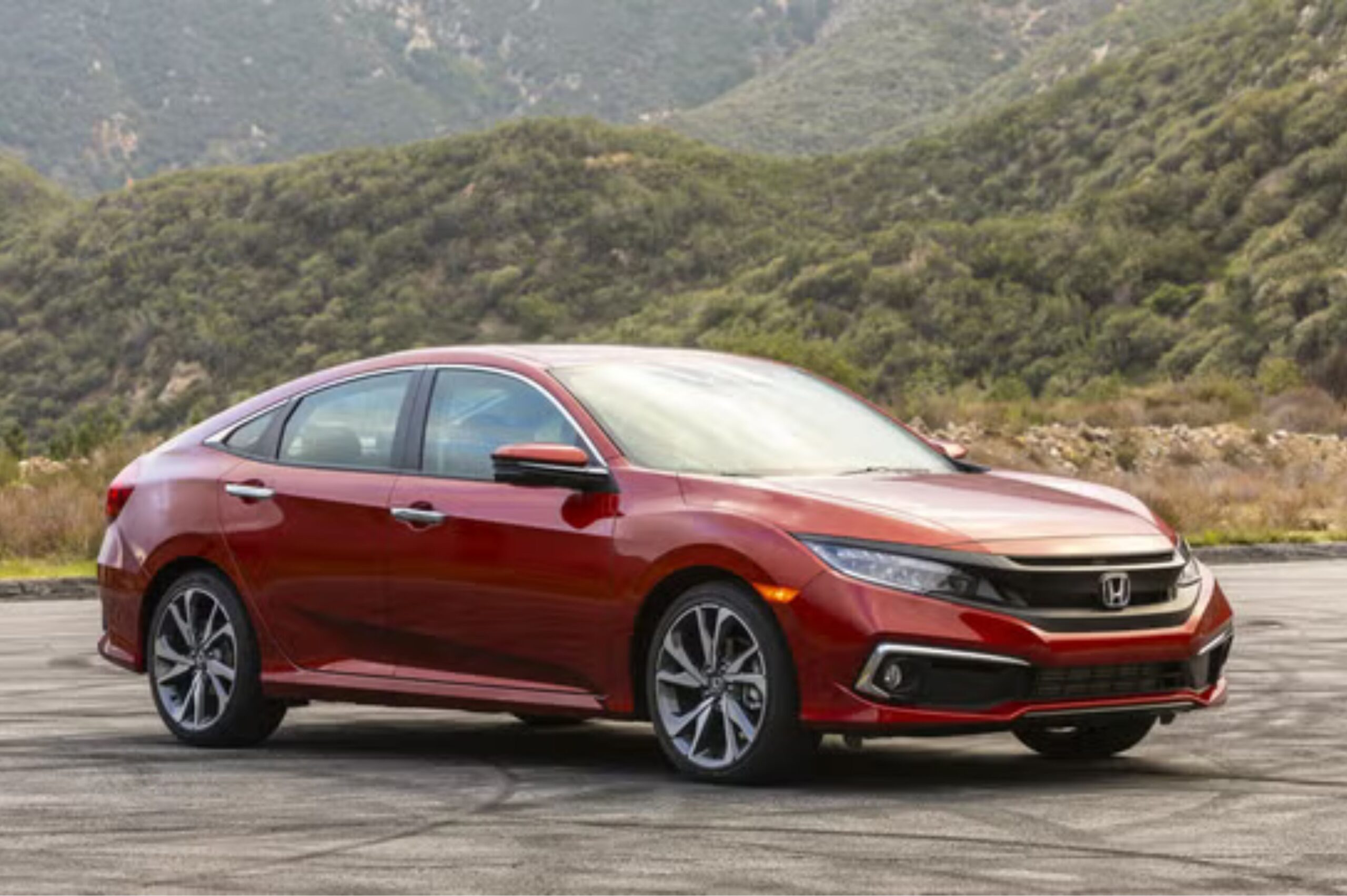
In a year that has already seen record-breaking recall activity across the auto industry, American Honda recently announced a major safety recall affecting more than 70,000 vehicles in the United States due to a problem that can reduce brake function and increase stopping distances, raising critical safety concerns for drivers. The recall specifically targets certain Acura ILX sedans from model years 2016–2020 after tests revealed that contaminated brake fluid can cause internal seals to deform, potentially softening brake pedal response at lower speeds, a situation that could heighten the risk of collisions if not addressed. Owners of affected vehicles will be notified by mail in early 2026 and will be able to have the defective brake master cylinder assembly replaced free of charge at authorised dealerships. This recall arrives against the backdrop of an unusually intense year for auto recalls in the U.S., as data from the National Highway Traffic Safety Administration (NHTSA) shows that manufacturers have issued millions of individual vehicle notices in 2025. The sheer volume reflects how modern cars’ reliance on complex software and advanced systems has made even small defects a potential safety priority for regulators and manufacturers alike. Among the highest-profile recall campaigns this year, Ford Motor Company has led the industry with an unprecedented number of safety campaigns, affecting a wide range of models including the F-150 Lightning, Mustang Mach-E, and Maverick due to issues ranging from roll-away risks to rearview camera failures. In one of the latest recall actions, Ford announced an additional recall of more than 272,000 electric and hybrid vehicles because a park function module may fail to fully engage, posing a risk of unintended vehicle movement while parked. Luxury brands have also felt the impact: BMW confirmed a recall of nearly 37,000 cars after reports that certain models could experience unintentional steering wheel movement even when stationary. These kinds of steering and brake system recalls underscore how safety components at the core of everyday driving are under scrutiny. Automakers are responding with a mix of software updates and traditional physical repairs, and many are encouraging drivers to regularly check their vehicle identification number (VIN) against recall databases to ensure their own safety and awareness. Social media reactions from owners have ranged from frustration over repeated notices to appreciation that companies and regulators are prioritising transparency and proactive action, even when defects are not yet tied to confirmed incidents. For consumers, the takeaway this recall season is clear: staying informed and addressing recall notices promptly is crucial to safe vehicle operation in an increasingly complicated automotive environment.
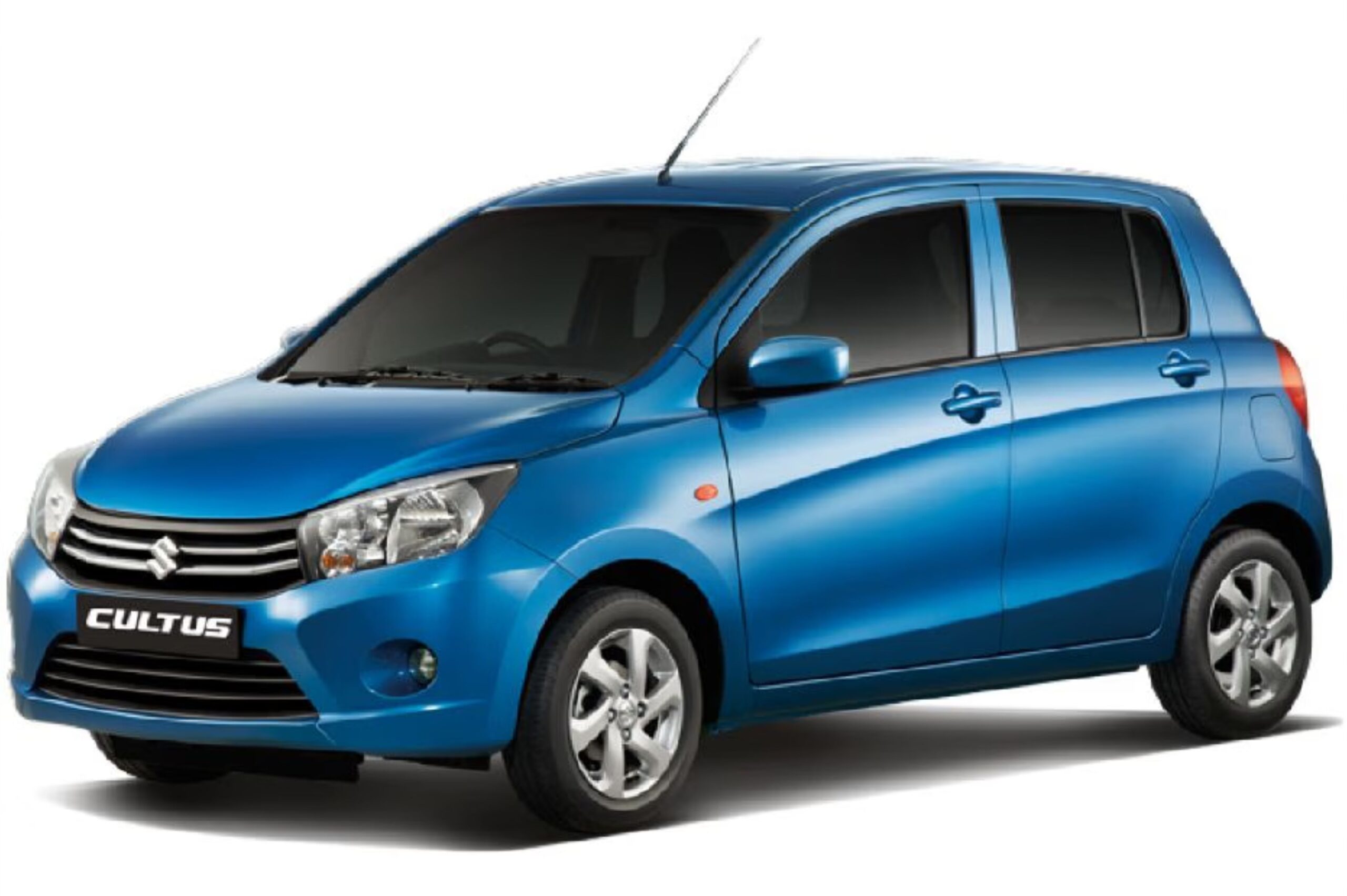
Planning to Buy a Cultus? Here’s What the 2026 Models Will Cost You
Pak Suzuki Motor Company has officially unveiled the updated prices for the Suzuki Cultus 2026, confirming what many car buyers had been expecting — owning one of Pakistan’s most popular hatchbacks will now require a bigger budget. The revised price list applies to all three variants of the Cultus lineup: VXR, VXL, and AGS, each catering to a different segment of urban drivers. Despite growing competition and a challenging auto market, the Cultus continues to hold its place as a go-to option for families and daily commuters, largely due to its fuel efficiency, compact size, and strong resale value. The Suzuki Cultus VXR, the base manual variant, is now priced at Rs 4,089,490. This model remains aimed at buyers looking for a practical city car without unnecessary frills. It comes equipped with a 998cc petrol engine, manual transmission, air conditioning, power steering, power windows, and keyless entry – features that make it suitable for everyday urban use. Moving up the range, the Cultus VXL has been priced at Rs 4,359,160. This mid-tier option adds a layer of comfort and safety, offering alloy wheels and Anti-Lock Braking System (ABS), making it an appealing choice for drivers who want a balance between affordability and added features. At the top of the lineup is the Suzuki Cultus AGS, carrying a price tag of Rs 4,591,460. Designed for drivers who prefer convenience, the AGS variant features an Auto Gear Shift transmission, eliminating the need for a clutch while driving in congested city traffic. Along with automatic transmission, it also includes ABS, fog lamps, alloy wheels, and the same fuel-efficient 998cc engine. It is important for buyers to note that these prices are ex-factory and do not include freight charges, registration costs, or withholding tax, which can vary depending on filer status and city of purchase. As a result, the final on-road price may be noticeably higher. Despite rising prices across Pakistan’s auto sector, the Suzuki Cultus continues to attract interest due to its reliability, low maintenance costs, and widespread service network. For many buyers, it remains a familiar and trusted option in an increasingly expensive small-car market.
