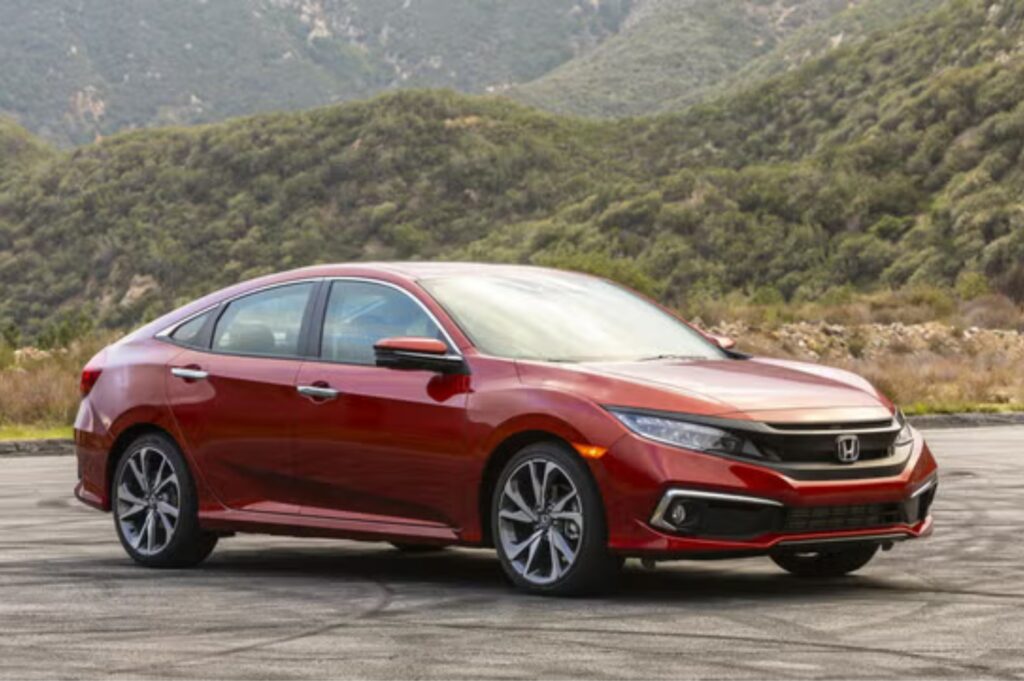
In a year that has already seen record-breaking recall activity across the auto industry, American Honda recently announced a major safety recall affecting more than 70,000 vehicles in the United States due to a problem that can reduce brake function and increase stopping distances, raising critical safety concerns for drivers. The recall specifically targets certain Acura ILX sedans from model years 2016–2020 after tests revealed that contaminated brake fluid can cause internal seals to deform, potentially softening brake pedal response at lower speeds, a situation that could heighten the risk of collisions if not addressed. Owners of affected vehicles will be notified by mail in early 2026 and will be able to have the defective brake master cylinder assembly replaced free of charge at authorised dealerships.
This recall arrives against the backdrop of an unusually intense year for auto recalls in the U.S., as data from the National Highway Traffic Safety Administration (NHTSA) shows that manufacturers have issued millions of individual vehicle notices in 2025. The sheer volume reflects how modern cars’ reliance on complex software and advanced systems has made even small defects a potential safety priority for regulators and manufacturers alike.
Among the highest-profile recall campaigns this year, Ford Motor Company has led the industry with an unprecedented number of safety campaigns, affecting a wide range of models including the F-150 Lightning, Mustang Mach-E, and Maverick due to issues ranging from roll-away risks to rearview camera failures. In one of the latest recall actions, Ford announced an additional recall of more than 272,000 electric and hybrid vehicles because a park function module may fail to fully engage, posing a risk of unintended vehicle movement while parked.
Luxury brands have also felt the impact: BMW confirmed a recall of nearly 37,000 cars after reports that certain models could experience unintentional steering wheel movement even when stationary. These kinds of steering and brake system recalls underscore how safety components at the core of everyday driving are under scrutiny.
Automakers are responding with a mix of software updates and traditional physical repairs, and many are encouraging drivers to regularly check their vehicle identification number (VIN) against recall databases to ensure their own safety and awareness. Social media reactions from owners have ranged from frustration over repeated notices to appreciation that companies and regulators are prioritising transparency and proactive action, even when defects are not yet tied to confirmed incidents.
For consumers, the takeaway this recall season is clear: staying informed and addressing recall notices promptly is crucial to safe vehicle operation in an increasingly complicated automotive environment.