Tensions between the United States and the Islamic Republic of Iran have sharply increased in late January 2026, driven by renewed disputes over Iran’s nuclear program, continued internal unrest within Iran, and growing U.S. military pressure aimed at forcing Tehran back to negotiations. The escalation has raised serious concerns across the Middle East and beyond, with global powers closely watching developments due to their political, economic, and security stakes in the region.
The Core Issue: Nuclear Program and Strategic Confrontation
At the heart of the current standoff lies Iran’s nuclear program and Washington’s long-standing demand that Tehran permanently abandon any pathway toward nuclear weapons.
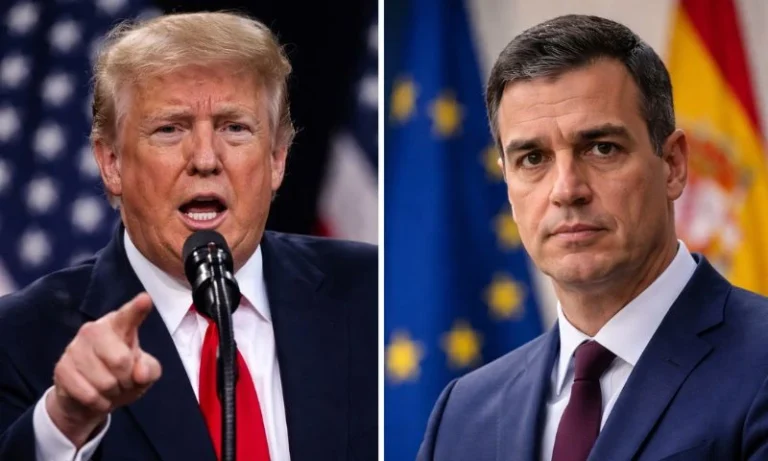
The United States has reiterated that Iran must return to binding negotiations that impose strict and verifiable limits on its nuclear activities. President Donald Trump has publicly called on Iran to accept a new agreement focused on what he describes as a “no nuclear weapons” outcome, warning that failure to comply could result in military action.
This nuclear dispute is not isolated. It is part of a broader strategic conflict that includes regional influence, sanctions enforcement, and long-running mistrust between the two countries following years of collapsed agreements and diplomatic disengagement.
Human Rights Concerns and Domestic Unrest in Iran
Alongside the nuclear issue, U.S. officials have cited Iran’s internal situation as a key concern. Washington has accused Iranian authorities of using excessive force against nationwide protests, with reports indicating large-scale civilian casualties.
American leaders have linked these human rights concerns to their broader pressure strategy, arguing that Iran’s domestic conduct reflects its broader regional and international behavior. Tehran, however, rejects these accusations and views them as interference in its internal affairs.
Military Build-Up and Pressure Tactics
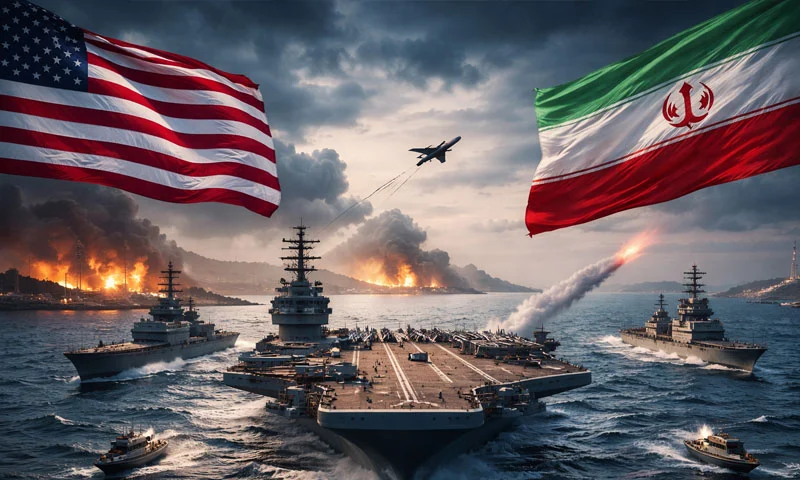
The escalation has been underscored by a visible U.S. military buildup in the Middle East. The United States has deployed a major naval carrier strike group, centered on the USS Abraham Lincoln, along with additional air and naval assets.
Washington describes these deployments as defensive and deterrent in nature, intended to prevent regional instability. However, U.S. officials have also acknowledged that the military presence serves as leverage to push Iran toward negotiations.
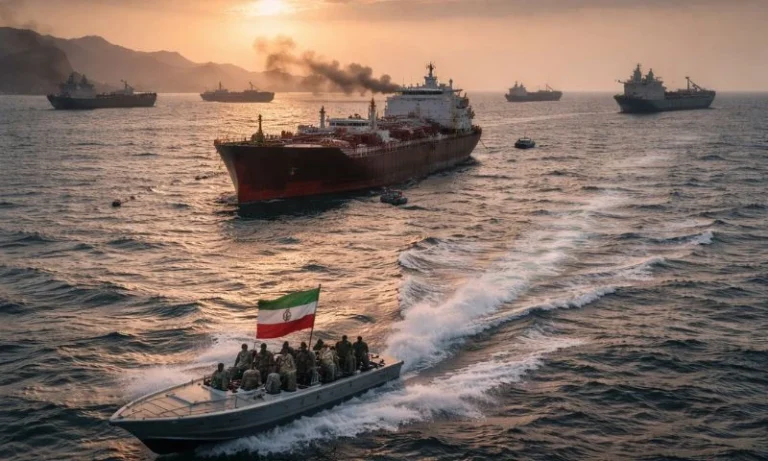
Iran has interpreted these moves as direct threats. In response, Tehran has conducted military exercises near the Strait of Hormuz and warned that any violation of its territorial waters would be met with force.
Trump’s Position and Iran’s Rejection of Talks Under Threat
President Trump has repeatedly stated that “time is running out” for diplomacy and that Iran must choose between negotiations and the risk of military confrontation. His administration has also expanded economic pressure, including new sanctions targeting Iranian oil shipments and related entities.
Iran’s leadership has firmly rejected the idea of negotiating under coercion. Iranian officials have stated that no meaningful talks can occur in an environment dominated by military threats and economic punishment. Iran’s mission to the United Nations has warned that any U.S. attack would trigger a strong and unprecedented response.
Potential Regional Consequences of a Military Conflict
Analysts and regional officials warn that a U.S. attack on Iran could have far-reaching consequences. Iran maintains influence through allied groups and armed networks across Iraq, Syria, Lebanon, and Yemen. Any direct confrontation could therefore expand beyond Iran’s borders, increasing instability across the Middle East.
The mere prospect of conflict has already heightened anxiety among regional governments, many of which fear being drawn into a wider confrontation.
Global Oil Markets at Risk
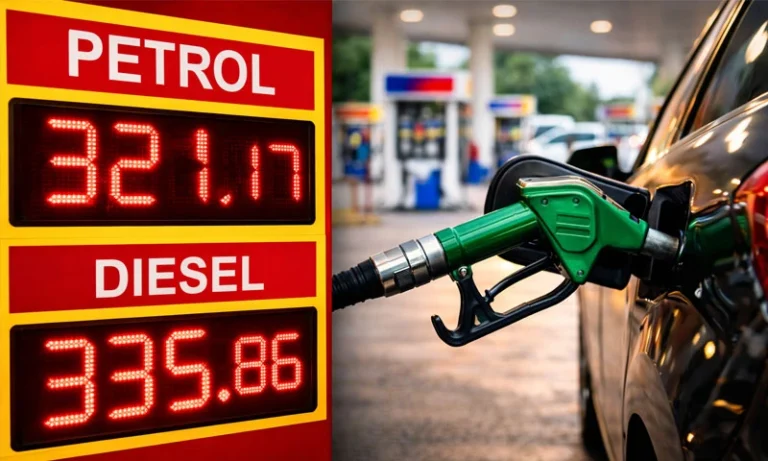
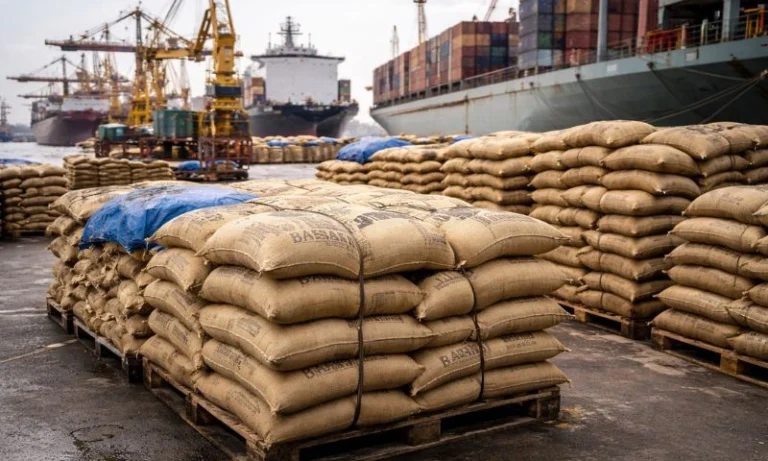
Iran remains a significant oil producer, with output estimated at over three million barrels per day. Rising tensions have already affected global energy markets, as traders factor in the risk of supply disruptions.
A major concern is the Strait of Hormuz, a critical chokepoint through which a substantial portion of the world’s oil shipments pass. Any disruption to traffic through the strait could have immediate and severe consequences for global energy prices and economic stability.
Reactions of Key Global Stakeholders
China and Russia, both of which maintain strategic ties with Iran, have historically opposed unilateral military action by the United States. While neither has indicated support for a U.S. strike, both are expected to resist such action diplomatically and call for de-escalation.
Pakistan, which seeks balanced relations with both Washington and Tehran, is unlikely to participate in any military action. However, a regional conflict could still affect Pakistan through economic pressures, energy price shocks, and potential refugee movements.
Across the broader international community, calls for restraint and renewed diplomacy have grown louder. Several Gulf states have expressed concern that a full-scale conflict would destabilize the region and undermine economic and security interests.
Outlook and Risks Ahead
With diplomatic channels strained and military posturing intensifying, the current U.S.–Iran standoff represents one of the most serious escalations in recent years. The situation carries significant risks not only for the Middle East but also for global markets and international security.
Whether the crisis moves toward renewed negotiations or further confrontation will likely depend on whether both sides find a way to reduce tensions without appearing to concede under pressure—a challenge that has repeatedly undermined past diplomatic efforts.