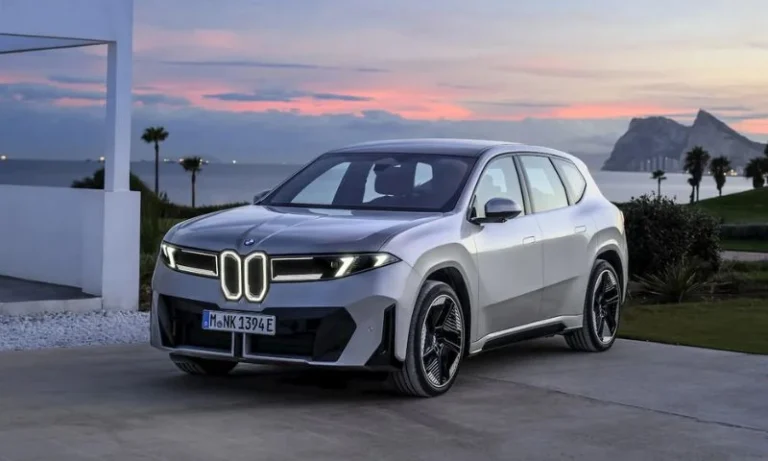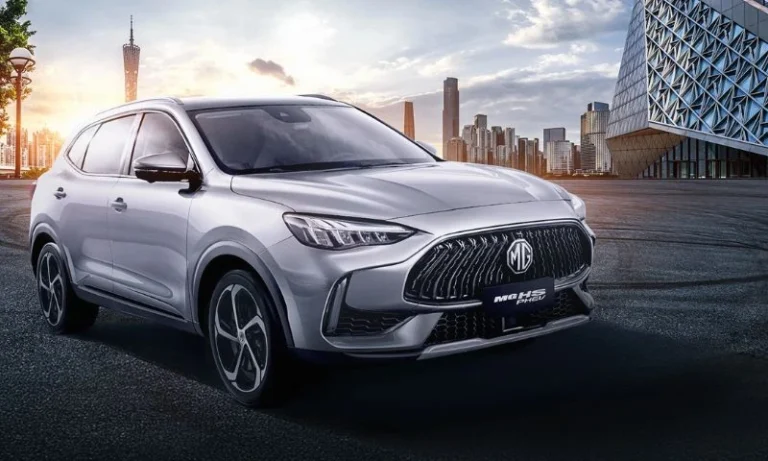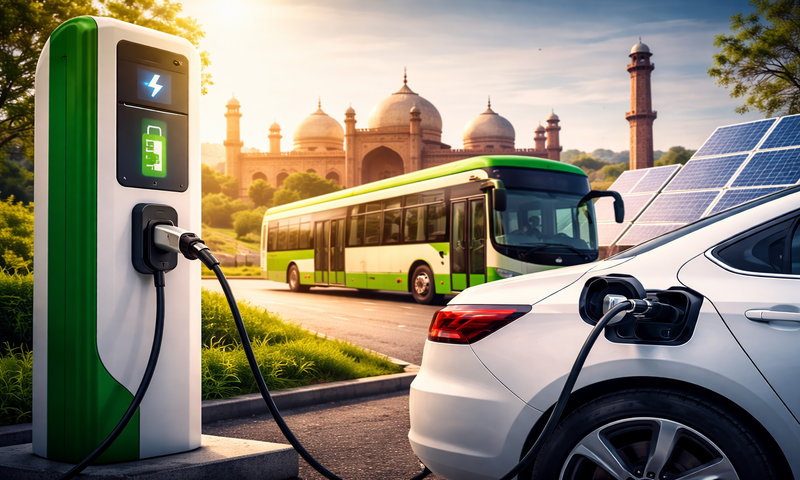
In a major policy shift aimed at tackling rising air pollution, the Punjab government has decided to completely ban the purchase of petrol and diesel vehicles for government departments, allowing only electric or hybrid vehicles for future procurement.
The decision marks one of the province’s most significant steps toward promoting environmentally friendly transport and reducing emissions. Vehicles assigned to field duties have been exempted from the ban due to operational requirements, officials confirmed.
The provincial administration has also indicated that a new Electric Vehicle (EV) Policy for Punjab is expected to be announced soon, which will outline incentives, infrastructure development, and regulatory reforms to accelerate the transition toward clean mobility.
Electric Charging Now Mandatory for New Petrol Pumps
In another major move, the government has made the installation of electric vehicle charging units mandatory for all new petrol pumps seeking operational approval.
According to the Chief Secretary, no new petrol pump will be allowed to operate without installing an electric charging facility, linking traditional fuel infrastructure directly with the province’s clean energy goals.
Officials said that 170 new petrol pumps across 31 cities have already received No Objection Certificates (NOCs) through the provincial e-Biz portal, all subject to the condition that EV charging units must be installed.
City-wise approvals include:
Faisalabad: 29 petrol pumps
Lahore: 14
Bahawalpur: 10
Khanewal & Bahawalnagar: 9 each
Rawalpindi & Jhang: 8 each
Toba Tek Singh, Mianwali, Kasur & Chiniot: 7 each
Authorities stressed that the expansion of fuel stations must now go hand in hand with electric charging infrastructure to prepare for a cleaner transport ecosystem.
Pollution a Growing Threat to Punjab
The policy shift comes amid mounting concern over worsening air quality in Punjab. According to the World Health Organization, air pollution is one of the leading environmental health risks globally, contributing to millions of premature deaths each year. Pakistan, particularly urban centers in Punjab, regularly ranks among the regions with the highest levels of particulate pollution.
Independent assessments by global development institutions have repeatedly warned that deteriorating air quality in Pakistan is not only a public health crisis but also an economic threat, increasing healthcare costs, reducing worker productivity, and shortening life expectancy.
Punjab’s major cities, including Lahore and Faisalabad, frequently experience severe smog episodes during winter months, largely driven by vehicle emissions, industrial activity, and fossil fuel consumption.
Green Energy as a Policy Priority
Senior officials emphasized that promoting green energy and electric mobility has become a top provincial priority. The upcoming EV policy is expected to address both public and private sector adoption, while mandatory charging stations aim to reduce range anxiety and encourage wider use of electric vehicles.
With these measures, Punjab positions itself as one of the first provinces in Pakistan to take concrete regulatory action linking transport reform with environmental protection.