Pakistan’s power system is about to take a big step toward modernization as the government prepares to roll out Advanced Metering Infrastructure (AMI) in five major power distribution companies. The move is designed to help fix structural inefficiencies in the electricity system that cost the country about $1 billion every year in transmission and distribution losses.
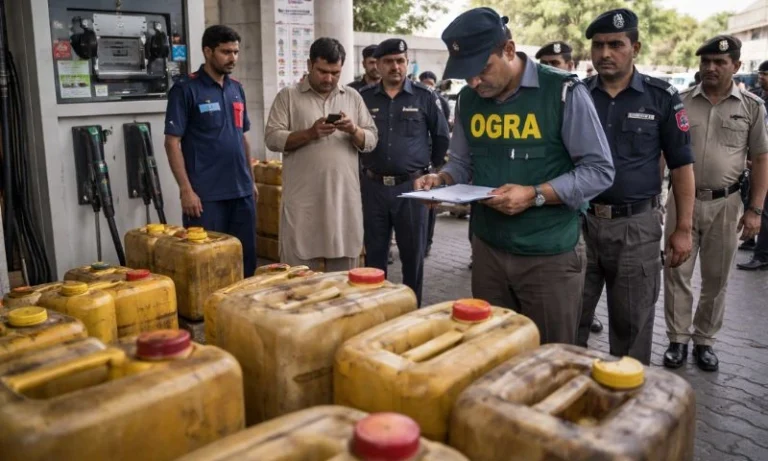
Right now, outdated meters and weak monitoring make it hard to track how much electricity is really being used. This gap leads to technical faults, billing errors, and high levels of electricity theft, which in turn push up costs for both utilities and consumers. Officials say the new AMI project will give power companies and customers a real-time view of electricity use — something traditional meters simply can’t do.
The government has asked the World Bank to act as Transaction Advisor for the project. This international support aims to bring global experience to a complex rollout that involves updating infrastructure in five major Discos: LESCO, MEPCO, PESCO, HAZECO, and QESCO. Under a Public-Private Partnership (PPP) model, a private Advanced Metering Infrastructure Services Provider will install and operate the smart meters, assisted by the federal Public Power and Infrastructure Board (PPIB).
But what exactly is AMI and why is it important? Advanced Metering Infrastructure uses smart meters. These are digital devices that communicate usage data directly to utilities and customers in near real-time. These meters collect accurate information on electricity use and can even show patterns that signal power theft or irregular consumption, helping utilities respond faster. Smart meters also allow remote meter reads and can give consumers detailed feedback on how and when they use electricity.
Countries that have implemented AMI solutions have seen significant improvements. Smart meter systems help detect faults quickly, reduce the need for manual meter reading, and even support new pricing models that reward off-peak energy use. Utilities in places like Canada and the U.S. report faster outage detection and better overall operational efficiency after AMI rollout.
For Pakistan, the transition to AMI is a promising step toward a smarter, more efficient, and fairer electricity sector – one where users pay for what they consume and utilities can manage the grid with more confidence.