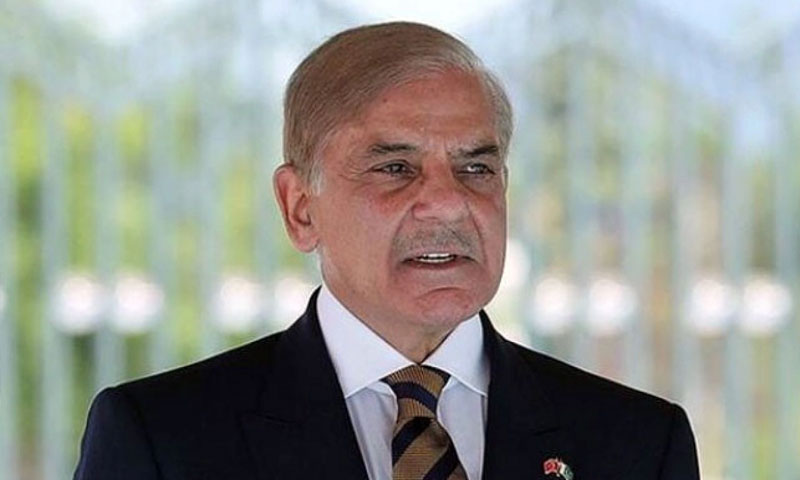
Prime Minister Shehbaz Sharif has taken swift action in response to controversial new regulations issued by the National Electric Power Regulatory Authority (NEPRA) affecting solar energy users across Pakistan. In a high-level meeting on Wednesday, the premier directed the Power Division to file a review appeal against the newly notified rules governing rooftop solar and distributed energy consumers.
The move comes amid rising criticism from politicians, energy experts, and solar prosumers about the shift from a net-metering system to a net-billing framework under the Prosumer Regulations 2026. The changes, aimed at restructuring how surplus solar electricity is credited and billed, threaten to reshape Pakistan’s rooftop solar sector.
PM’s Directives to Protect Solar Consumers
According to the Prime Minister’s Office (PMO), Shehbaz Sharif took “immediate notice” of the new regulations and ordered the Power Division to file a review appeal before NEPRA to ensure existing consumer contracts are protected. He emphasised that the financial burden of nearly 466,000 solar prosumers should not be shifted onto 37.6 million households that draw electricity directly from the national grid.
He also instructed officials to formulate a comprehensive strategy to address the implications of the regulatory changes. The meeting was attended by top federal leaders, including Deputy Prime Minister Ishaq Dar, Power Minister Awais Leghari, and other senior officials.
What the New Regulations Change
Under the Prosumer Regulations 2026, NEPRA has effectively ended the decade-old net-metering system. Previously, solar producers could export unused electricity to the grid and receive one-for-one credit against future consumption. The new net-billing approach replaces this with compensation at the national average energy purchase price, which industry reports suggest is significantly lower than what consumers previously received.
For new solar users, the buyback rate has been slashed to around Rs8.13–Rs11.33 per unit, down drastically from the earlier rate of approximately Rs25.32 per unit. Contracts for future prosumers have also been shortened from seven years to five years.
Existing prosumers are reportedly kept on their current contracts until expiry, but critics argue some provisions could shift them to the new net-billing regime prematurely.
Criticism and Backlash
The regulatory shift has generated widespread backlash. Solar prosumers, consumer associations, and several political figures claim the move disincentivises rooftop solar adoption and threatens Pakistan’s broader clean energy goals. Critics argue that instead of promoting solar investment, the new rules place undue financial pressure on smaller producers and homeowners.
Energy analysts warn that the policy change could slow the growth of decentralised renewable energy in a country where solar installations have surged due to high grid tariffs and frequent power outages.
In the Senate, debates have underscored political unease over NEPRA’s decision, with some lawmakers arguing that the regulator should reconsider the scale and pace of its changes.
Government’s Position and Next Steps
While the Power Division prepares the review appeal, Prime Minister Sharif’s office has stressed that the intent is not to reverse solar policy but to safeguard existing commitments and ensure fair treatment of consumers. Officials say the appeal will seek to clarify contract protections and avoid unfair cost burdens on households reliant on the national grid.
Stakeholders and solar advocates will closely watch NEPRA’s response to the review appeal. The outcome could have significant implications for Pakistan’s renewable energy landscape and private investment in solar power.